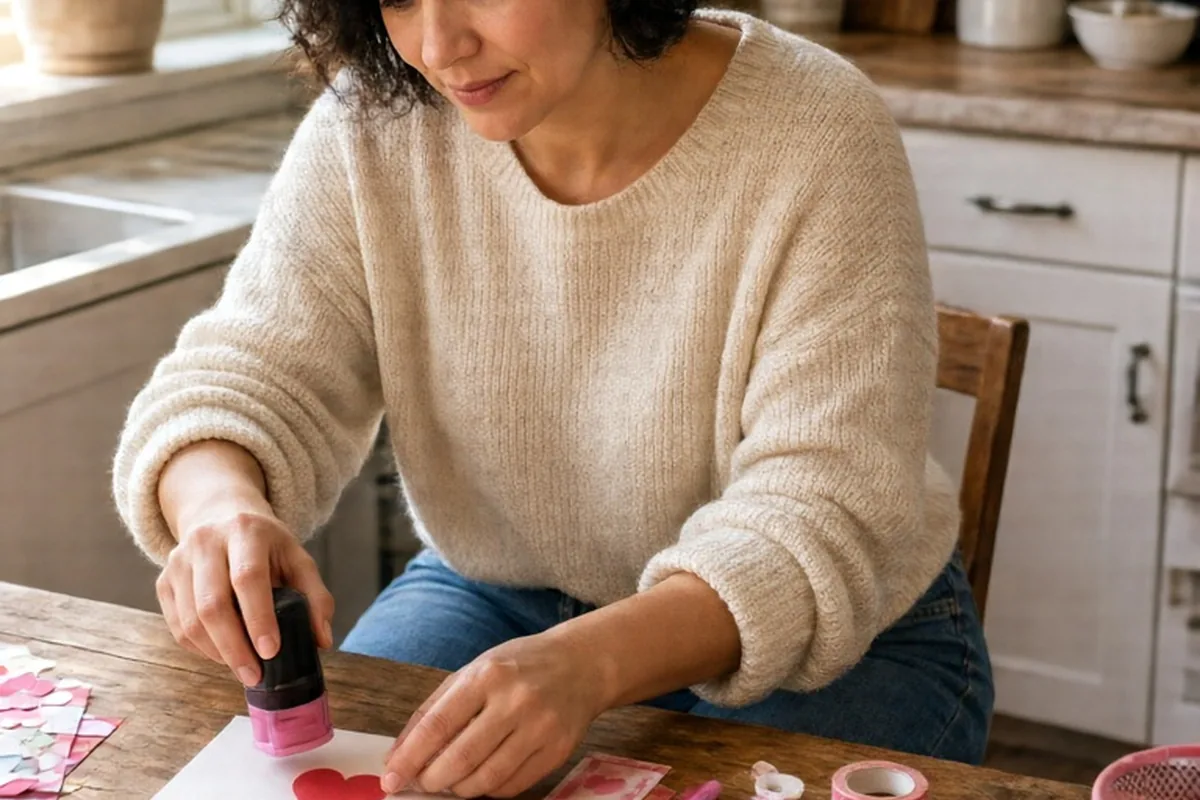
Successful classroom valentines ideas balance school guidelines, inclusivity, and low-stress preparation. The most reliable options focus on non-candy favors like custom bookmarks, mini stationery, or reusable game cards that work for all dietary needs. Pairing simple, child-assembled greetings with pre-approved snacks or interactive games keeps the celebration fun for students while remaining affordable and manageable for parents and teachers.
Preparing for a school Valentine exchange often brings logistical challenges, from strict allergen rules to tight classroom schedules and budgets. Choosing the right approach ensures every student feels included without turning prep work into an exhausting midnight chore.
Navigating Classroom Policies and Food Allergy Guidelines
Before purchasing or crafting anything, reviewing the specific guidelines established by your school district and homeroom teacher is an essential first step. Many elementary and middle schools maintain strict regulations regarding edible items to protect children with life-threatening allergies to peanuts, tree nuts, dairy, or gluten. Some schools enforce a complete ban on edible classroom treats, while others permit only commercially prepared, individually packaged items featuring visible ingredient labels.
When planning an exchange, assume that at least one student in the room may have dietary limitations or sensory sensitivities. If food treats are allowed and desired, verify whether the classroom is designated as nut-free or allergen-aware. Communicating directly with the room parent or teacher at least two weeks before the party clarifies expectations and prevents awkward situations where homemade baked goods must be sent back home or discarded for student safety.
Creative Non-Candy Valentines That Kids Actually Use
Non-candy favors have become the gold standard for modern school exchanges because they completely bypass allergy concerns while providing lasting entertainment. Practical items that double as classroom tools or quick recess activities tend to be appreciated far more than plastic trinkets that end up immediately discarded. Selecting items that encourage creativity allows children to enjoy their favors throughout the school year.
Consider pairing useful stationery items with simple printed greetings that feature gentle puns or warm notes. For example, a card reading 'You Make My Heart Glow' can hold a clip-on backpack reflector or a mini glow stick, while 'You Are Just Write' pairs naturally with a fun pencil, mechanical eraser, or decorative sharpener. Another popular option involves gifting watercolor paint strips or a pair of shaped crayons made from recycled wax scraps attached to a small coloring sheet. The trade-off with tangible favors is balancing unit cost when purchasing for classes of twenty-five or thirty students, so sourcing items in bulk packs online or through educational supply stores helps keep expenses modest.
Edible Treats That Meet Common School Regulations
If your child's school permits food and you prefer to send an edible treat, focusing on shelf-stable, pre-portioned options minimizes risk and simplifies distribution. Most school health policies prohibit homemade baked goods because cross-contamination cannot be verified in domestic kitchens. Store-bought snacks that clearly display manufacturing facility disclosures provide reassurance to both staff and families navigating food allergies.
Savory and naturally sweet alternatives often stand out amid the typical seasonal candy overload. Individually sealed bags of white cheddar popcorn, allergen-safe mini pretzel twists, or whole-grain fruit leathers are durable and travel well in packed backpacks. Fresh whole fruit presents another creative alternative; for instance, small mandarins or clementines can be labeled with food-safe ink or wrapped with a paper band that reads 'Cutie Valentine.' The primary trade-off with packaged snacks is packaging volume and ensuring that wrappers are easily manageable for younger children without requiring constant adult assistance to open.
Budget-Friendly Printable Cards and Upcycled Materials
Store-bought boxed cards can become surprisingly expensive, particularly for households with multiple school-aged siblings. Digital printable templates offer an economical alternative that allows for easy personalization at home using standard cardstock and a home printer. Many families choose to print cards featuring built-in activities, such as miniature word searches, connect-the-dots puzzles, or designated spaces for students to add their own drawings.
Upcycling everyday craft supplies also keeps costs low while giving cards a distinctive, handmade touch. Children can cut hearts from recycled patterned wrapping paper, decorative paper bags, or outdated wall calendars, gluing them onto index cards or plain cardstock rectangles. While handmade approaches foster pride and artistic development, they do require dedicated time. Setting up an organized assembly line where materials are precut prevents the crafting process from becoming overwhelming as the party date approaches.
Engaging Valentine Stations and Group Party Activities
Classroom parties often run in brief thirty-to-forty-five-minute blocks, requiring activities that are simple to explain, quick to execute, and easy to tidy. Station-based rotations work well because they keep children moving and engaged in smaller groups rather than competing for attention across an entire classroom. Organizing three or four distinct stations ensures that every student finds something that aligns with their personal interests.
Effective station concepts include an collaborative kindness paper chain where each child writes a compliment for a classmate, a Valentine-themed picture bingo game using small counters, or a cooperative estimation jar challenge filled with conversation hearts or foam stickers. A dedicated reading nook stocked with seasonal picture books offers a calming alternative for children who feel overstimulated by noisy party games. The key limitation to plan for is transition time; having clear audio cues, such as a musical chime, helps keep rotations orderly without cutting into party time.
Designing Functional Mailboxes and Collection Bags
Distributing twenty to thirty cards per student requires a structured collection system so that personal greetings do not end up crumpled on the floor. While elaborate themed boxes shaped like miniature animals or vehicles are visually impressive, they can take up substantial desk space and prove challenging for children to transport home on a crowded school bus. Functional simplicity often serves students and teachers far better.
Standard flat-bottom kraft paper grocery bags or white lunch bags provide an ideal canvas for classroom decorating sessions. Students can decorate their bags during class art time using markers, washi tape, and foam stamps, personalizing them with their names in bold letters for easy delivery. For families assembling mailboxes at home, empty tissue boxes or clean cereal boxes wrapped in craft paper provide sturdy, lightweight receptacles with ready-made slots. Ensure the slot is wide enough to accommodate bulkier items like pencils or small notepads without tearing.
Streamlining Assembly to Save Time Before Party Day
Preparing cards for an entire classroom often turns stressful when left until the evening before the event. To make the task manageable, divide the preparation into distinct stages spread over several days. Early in the week, verify the classroom roster count to confirm whether the teacher requested naming individual recipients or simply having your child sign their own name on the 'From' line.
Having children sign blank cards without addressing individual classmates by name is a major time-saver endorsed by many educators. This practice allows your child to quickly drop a card into every collection bag during the party without searching for specific names, keeping distribution fast and inclusive. If your child is still developing fine motor skills and finds writing their name thirty times exhausting, break the signing into five-card intervals across several afternoons, or use personalized name stamps or printed label stickers.
Frequently asked questions
How many cards should my child bring to a classroom exchange?
Always bring enough cards for every single student on the official class roster, plus two or three extras in case of damage or a new classmate. Most teachers enforce an all-or-nothing rule to guarantee that no child feels excluded during distribution.
Is it better to leave the recipient line blank on classroom cards?
Leaving the 'To' line blank and having your child fill out only the 'From' line makes distribution significantly faster and easier, especially in younger elementary grades. Check with your child's teacher first, as some educators use addressing cards as an intentional reading and handwriting exercise.
What are good alternatives to plastic trinkets for elementary students?
Useful options include wooden pencils, funky erasers, mini sticker sheets, paper bookmarks, and seed packets for spring planting. These items offer practical utility or creative entertainment without cluttering household trash bins.
How can I make the exchange accessible for children with fine motor delays?
Support your child by using self-inking stamps, pre-printed name stickers, or simple peel-and-stick foam shapes to assemble cards. Spreading the signing process across a full week also prevents hand fatigue and keeps the project enjoyable.
Your next step
Choose one non-candy favor or simple printable project this week, confirm the total class count with the homeroom teacher, and complete five cards each afternoon with your child to avoid last-minute rush.