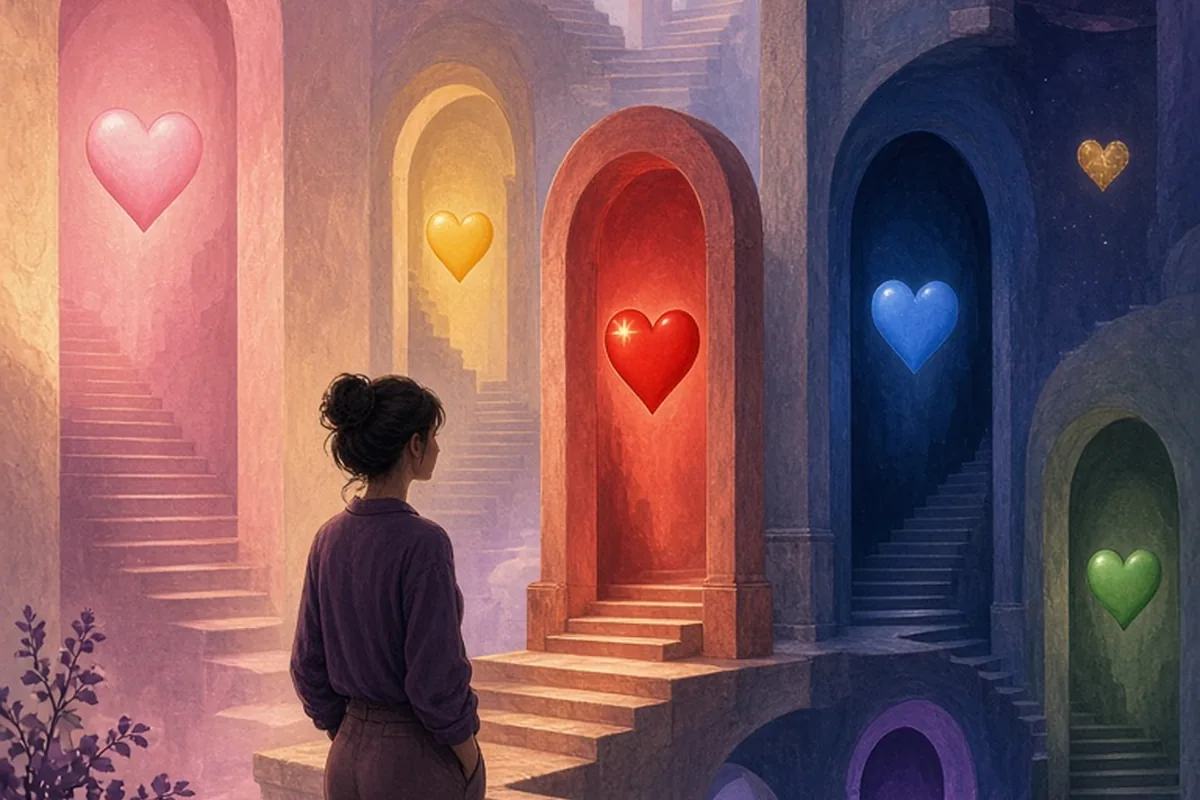
Colorful heart emojis communicate distinct emotional tones in flirting, ranging from casual friendship to romantic passion. While a classic red heart signals deep romance or strong affection, lighter shades like pink and sparkling hearts suggest playful attraction or early crushes. Warmer shades like orange or yellow often mark friendly warmth, and purple can convey playful flirtatiousness. Always weigh emoji color against the written message, conversational momentum, and your established rapport.
Modern texting often turns tiny icons into high-stakes communication, especially when you are trying to gauge mutual interest without making things awkward. Decoding heart emojis comes down to understanding tone, social conventions, and the emotional distance between casual chatting and genuine attraction.
The High-Affection Tier: Red, Pink, and Sparkling Hearts
The traditional red heart remains the most direct symbol of romantic attachment, profound care, and emotional intimacy. When someone sends a red heart in a dating context, they are rarely trying to be subtle; it usually marks an established baseline of romantic interest, deep gratitude, or relationship security. However, its intensity can sometimes backfire if deployed too early. If you have only exchanged a handful of messages, dropping a red heart into conversation can feel heavy-handed, whereas receiving one from an established partner simply reinforces emotional stability and straightforward affection.
Pink hearts, including the double pink hearts, the beating heart, and the sparkling heart, operate on a lighter, more flirtatious frequency. The sparkling heart is particularly common in early dating because it injects energy, enthusiasm, and a sense of novelty without the heavy commitment of solid crimson. It conveys genuine delight at a shared joke or plan. The two pink hearts floating together often signal an affectionate crush, suggesting sweetness and mutual enjoyment. Using these pink variants allows you to communicate authentic attraction while keeping the overall conversation buoyant, lighthearted, and pressure-free.
Warm and Cautious: What Yellow and Orange Hearts Reveal
The yellow heart radiates sunshine, comfort, and optimism, but it often represents an emotional boundary in romantic texting. Widely recognized as the friendship heart, a yellow heart is frequently used when a person genuinely values your presence, enjoys your conversation, but wants to keep the energy strictly platonic or deliberately unpressured. If you have been flirting heavily and receive a yellow heart, it can sometimes indicate a conscious downshift in romantic momentum, though it can also simply mean the sender views you as a trusted source of pure cheerfulness.
The orange heart sits directly between the platonic yellow and the romantic red, making it one of the most ambiguous icons on the keyboard. In many texting exchanges, an orange heart functions as a cautious hedge. Senders who like someone but feel too timid to use red often default to orange, offering warmth without completely exposing their vulnerability. At the same time, some people use orange simply because it matches their aesthetic or favorite color. Because orange occupies this transitional space, it is best interpreted as safe warmth rather than a definitive statement of romantic ambition.
Cool and Measured: Blue, Green, and Earth-Toned Hearts
The blue heart carries a calm, dependable, and slightly detached vibe that makes it versatile across different relationship stages. Because blue is emotionally neutral and often associated with loyalty or community, people regularly use it in group chats, shared hobbies, or banter among friends. In dating, a blue heart often serves as a respectful nod of appreciation. It signals warmth and steady goodwill, but it intentionally lacks the vulnerable heat of red or pink. If someone sends you a blue heart after a date, they are keeping the interaction friendly and composed while they process how they feel.
Green, brown, and white hearts similarly prioritize calm or stylistic aesthetics over raw romantic pursuit. A green heart frequently appears in conversations about food, outdoor adventures, or shared lifestyle habits, though some texters adopt it as a low-stakes sign of affection that avoids romantic cliches. White hearts often communicate quiet purity, supportive sympathy, or clean minimalist style, while brown hearts provide a grounded, understated warmth. When someone consistently chooses these earth-toned or cool palettes, they are usually expressing appreciation in a modest, aesthetically curated manner rather than laying down an overt romantic invitation.
Playful and Unconventional: Purple, Black, and Specialty Hearts
The purple heart carries an eccentric, slightly seductive, and glamorous reputation in modern text culture. While it has historical and formal meanings outside dating, mobile messengers often associate purple with playful allure, late-night charm, and subtle flirtation. When used in flirtatious banter, a purple heart can indicate that the sender feels a slightly daring or magnetic connection with you. It is vivid enough to stand out from everyday chat icons, giving your conversation a distinctive, conspiratorial feel without relying on conventional romantic tropes.
Black hearts and specialty icons, such as the heart on fire or the mending heart, introduce dramatic flair or sharp humor to an exchange. The black heart is a favorite among people who lean into dry wit, self-deprecating banter, or alternative aesthetics; in dating, it rarely signals coldness and instead suggests that the sender feels comfortable sharing their darker sense of humor with you. Meanwhile, the heart on fire is an unmistakable marker of intense visual or emotional attraction, leaving very little room for doubt. The key with these unconventional icons is to match their energy rather than overanalyzing their hidden meanings.
Context Over Color: How to Read the Entire Message
An individual emoji should never be analyzed in isolation from the sentence it accompanies, the conversation timing, or the sender's baseline habits. A person who ends every mundane work email with a red heart is not flirting with their colleagues; they are simply expressive and habit-driven. Conversely, someone who rarely uses emojis at all who suddenly attaches a single blue or orange heart to a thoughtful compliment is making an intentional gesture of warmth. You must establish their baseline habits before assigning romantic weight to any specific pixel on your screen.
The timing and content of the message itself provide far more reliable data than the color of a heart icon. A message that reads 'I had an incredible time tonight' paired with an orange heart carries vastly more romantic promise than a simple 'Thanks' followed by three sparkling hearts. Pay close attention to whether the person asks reciprocal questions, makes concrete plans to see you again, and responds with emotional presence. When words and emojis seem to contradict each other, trust the clarity of their actions and verbal statements over the color of an icon.
How to Choose the Right Heart When You Are Flirting
Selecting an emoji to send to someone you like requires balancing clarity with emotional pacing. If you are in the first few dates, opting for pink, sparkling, or purple hearts allows you to telegraph genuine interest, charm, and enthusiasm without making premature declarations. These colors establish an upbeat, flirtatious atmosphere that invites reciprocal playfulness. They indicate that you are enjoying the banter and looking forward to connecting, which helps your date feel appreciated without placing an unspoken emotional demand on their reply.
As your rapport deepens into confirmed mutual affection, introducing richer tones like the red heart becomes natural and reassuring. The trade-off is that once you introduce higher-intensity emojis, suddenly pulling back to neutral colors can look like a cooling off of interest. The best approach is consistency: pick colors that align honestly with your real emotional state. If you feel relaxed and friendly, use warmer or cooler tones; if you feel excited and romantically drawn, lean into pink or red. Avoid using emojis to play guessing games, and let your genuine feelings guide your choice.
Navigating Mixed Signals and Emoji Confusion
Receiving mixed signals through emoji-heavy texts can trigger unnecessary anxiety and overthinking. When someone sends alternating warm and cold emojis, it is tempting to conduct forensic analyses of past threads to find a hidden pattern. Doing so usually leads to frustration because texting habits are messy, hurried, and influenced by external distractions that have nothing to do with you. If someone drops a single yellow heart after a great evening, it rarely means they have discarded their attraction; they may simply have clicked the closest icon on their keyboard.
The most self-respecting response to ambiguous texting is to ground the interaction in real-world communication. Instead of replying with an equally cryptic emoji code, maintain your own clear, calm tone. If you are genuinely unsure where you stand with someone after multiple confusing exchanges, move the conversation toward an in-person date or a phone call. Direct conversation removes the filter of digital ambiguity, allowing you to observe vocal tone, responsiveness, and genuine chemistry without needing to translate colorful icons.
Illustrative Scenarios
Misreading the Orange Heart
Mark had gone on two promising dates with Sarah and felt confident about their mutual chemistry. The next afternoon, he texted her an inside joke from their dinner. Sarah replied with a laughing face and an orange heart. Mark immediately assumed the orange heart was a subtle way of friend-zoning him, suspecting she was deliberately avoiding a red heart. He almost withdrew from the conversation to protect his pride. Instead of pulling away or overthinking, he stayed engaged and suggested an activity for the upcoming weekend. Sarah accepted enthusiastically, clarifying in person later that she simply preferred orange because it felt warm and unpretentious.
Key point: Assuming negative intent from an ambiguous emoji can derail early momentum; staying grounded and focusing on real-world plans provides far better clarity.
Calibrating Tone on Dating Apps
David was messaging a woman named Rachel on a dating app. The conversation was moving briskly, and after a particularly engaging exchange about music, David felt tempted to send a solid red heart to demonstrate his enthusiasm. Pausing, he realized that a red heart might feel overly intense before they had even spoken on the phone. Instead, he sent a sparkling pink heart alongside a message asking for her favorite album. Rachel responded immediately, matching his playful tone and offering her number. The interaction stayed fun, flirtatious, and appropriately paced for an early connection.
Key point: Using playful, low-pressure emojis in early dating signals active interest while leaving comfortable space for the connection to develop naturally.
Frequently asked questions
What does it mean if someone sends multiple different colored hearts in one text?
When a sender strings together several different colored hearts, they are usually expressing general enthusiasm, high energy, or a vibrant mood rather than sending a coded romantic message. This colorful combination often reflects aesthetic creativity or excitement about the topic being discussed. Look at the accompanying text to understand their true mood rather than trying to decipher each individual shade.
Is receiving a blue heart a definite sign of the friend zone?
A blue heart does not automatically mean you are friend-zoned, though it is often used for steady, platonic affection and loyalty. Some people naturally default to blue because it is their favorite color or because it feels polite and non-demanding. Evaluate whether they are making plans, flirting verbally, and showing consistent interest before drawing conclusions based solely on a cool-toned emoji.
Should I mirror the exact heart emoji color the other person sends me?
Mirroring the same color can be an easy, low-risk way to signal mutual comfort, but it is not a requirement. What matters far more is matching the emotional energy and attentiveness of the exchange. If you feel comfortable using a warmer or more playful emoji that fits your personality, feel free to send it rather than rigidly copying their choices.
Your next step
Focus on the clarity of your words and the consistency of real-world interactions, using colorful hearts as fun emotional accents rather than definitive proof of romantic intent.