Craveable pregnancy mocktails combine pasteurized fruit juices, herbal infusions, sparkling waters, and fresh garnishes to deliver complex, refreshing flavors without alcohol. Safe options feature ingredients like ginger, tart cherry, citrus, mint, and cucumber while avoiding unpasteurized juices, alcohol-removed beverages containing trace alcohol, and contraindicated medicinal herbs. By balancing tart, sweet, bitter, and effervescent notes, these alcohol-free drinks provide satisfying, festive alternatives for social gatherings, quiet evenings, and pregnancy milestones while supporting maternal hydration and comfort.
Navigating social gatherings, celebratory milestones, or simple quiet evenings during pregnancy often sparks a desire for drinks that feel far more elevated than standard tap water, plain club soda, or sugary commercial sodas. A thoughtfully crafted mocktail provides all the visual appeal, layered complexity, and ritual of a classic cocktail while prioritizing prenatal safety, balanced nutrition, and hydration.
Selecting Safe, Refreshing Ingredients for Pregnancy Mocktails
Crafting delicious and safe mocktails begins with understanding the safety profile of common beverage components. The foremost consideration during pregnancy is food safety, particularly regarding unpasteurized liquids and raw agricultural products. Commercial fresh-squeezed juices found at farm stands or specialty juice bars are often unpasteurized, which creates potential exposure to harmful foodborne pathogens such as listeria, salmonella, or toxoplasma. When building drinks at home or ordering out, always select pasteurized juices or wash whole, sound citrus fruits and produce thoroughly under clean running water immediately before juicing them in a clean kitchen.
The base liquid sets the tone for the entire beverage. Carbonated mineral water, plain seltzer, club soda, and tonic water serve as versatile, calorie-free foundations that introduce effervescence and dilute heavier flavors. When selecting store-bought mixers, verify ingredient labels to avoid artificial additives, excessive concentrated sweeteners, or hidden botanical blends that may not be recommended during pregnancy. Pasteurized coconut water offers natural electrolytes and subtle sweetness, while unsweetened iced herbal teas like rooibos or peppermint create earthy foundations for garden-inspired concoctions.
Another vital ingredient distinction involves non-alcoholic or alcohol-removed commercial beverages. Many packaged products labeled non-alcoholic still contain minor trace amounts of alcohol left behind from the dealcoholization process. Expectant mothers seeking complete abstinence should verify whether a product is a distilled botanical soda that never contained alcohol or an alcohol-removed alternative with residual traces. Choosing entirely alcohol-free bases ensures peace of mind while enjoying creative flavor combinations.
Balancing Sweet, Sour, and Bitter Notes Without Alcohol
A common complaint about traditional non-alcoholic drinks is that they frequently resemble fruit punch or sugary sodas rather than adult beverages. In conventional mixology, ethanol provides weight, warmth, solvent extraction of aromatics, and a natural bite that cuts through sweetness. To replicate that sophistication without alcohol, home bartenders must intentionally balance four core elements: acid, sweetness, bitterness or astringency, and aromatics.
Acidity provides structure and makes a drink taste crisp and refreshing. Freshly squeezed lemon, lime, and grapefruit juices contribute bright top notes, while unsweetened pomegranate juice or verjuice introduces deeper, wine-like malic and tartaric acidity. To counter the sharpness of acid without overpowering the palate, use textured sweeteners in moderation. Infused simple syrups made with fresh herbs like basil, thyme, or rosemary, as well as small amounts of raw honey, pure maple syrup, or agave nectar, contribute body and silkiness that mimic the viscosity of spirits.
Bitterness and astringency create the lingering finish that distinguishes a true cocktail from juice. Safe bitter elements include pregnancy-friendly citrus peels, unsweetened cranberry juice, tart cherry concentrate, or non-alcoholic cocktail bitters prepared with vegetable glycerin rather than an alcohol base. A splash of cold-steeped green tea or rooibos adds subtle tannins, while a pinch of fine sea salt enhances underlying flavors, rounds out sharp edges, and heightens the perception of fruit aromas.
Tart Cherry and Rosemary Nightcap for Relaxed Evenings
Tart cherry juice has become a staple for evening relaxation due to its naturally rich flavor, pleasant astringency, and deep ruby color. When combined with woodsy aromatic herbs and gentle effervescence, it becomes a grounding beverage perfect for unwinding after a long day or marking the end of a busy week without wine.
To prepare this nightcap, lightly bruise a fresh sprig of rosemary in the bottom of a cocktail shaker or mixing glass to release its natural essential oils without shredding the leaves. Add equal parts pure unsweetened tart cherry juice and pasteurized apple cider or a splash of pure maple syrup, along with a squeeze of fresh lemon juice. Fill the shaker with clean ice and stir gently until well chilled.
Strain the mixture into a chilled rocks glass over a single large ice cube, and top with plain sparkling water or non-alcoholic ginger beer for added warmth. Garnish with a fresh rosemary sprig and a dehydrated orange wheel. The combination of herbaceous aromatics, deep fruit notes, and gentle carbonation delivers a comforting, full-bodied sipping experience that satisfies cravings for a rich red wine alternative.
Fresh Ginger Citrus Spritz for Nausea Support and Hydration
Ginger is widely recognized as a gentle, culinary ally for soothing occasional morning sickness and stomach sensitivity during pregnancy. When paired with bright citrus, fresh ginger provides a zesty warmth that invigorates the palate, encourages hydration, and cuts through any lingering nausea.
Creating a fresh ginger citrus spritz begins with an aromatic ginger base. Simmer thinly sliced fresh ginger root in filtered water and raw honey or pure cane sugar, then strain and chill the syrup in a sealed glass container. Alternatively, high-quality, cold-pressed ginger juice or pure steeped ginger root tea can be used for a lighter, sugar-free profile. Combine two parts fresh ginger syrup or strong brewed ginger tea with one part fresh lime juice and two parts fresh orange or ruby red grapefruit juice.
Pour the ginger and citrus mixture over crushed ice in a tall highball glass, and top generously with club soda or crisp sparkling mineral water. Stir gently with a bar spoon to integrate the layers without dissipating the bubbles. Garnish with a slice of candied ginger, a wheel of fresh lime, and a sprig of slapped mint. The effervescence and spicy bite offer an uplifting, thirst-quenching drink that feels celebratory while remaining soothing to the digestive tract.
Sparkling Cucumber Mint Coolers for Social Gatherings
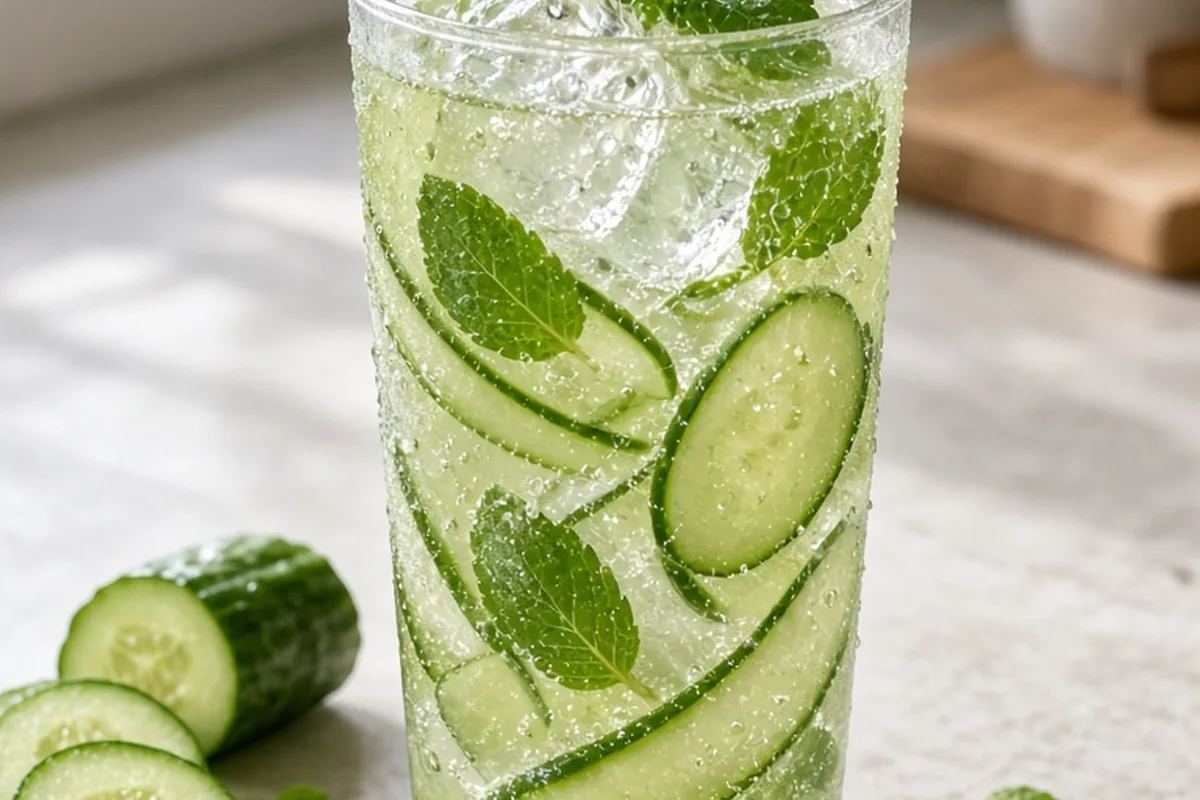
Warm weather, baby showers, and outdoor celebrations call for light, crisp beverages that keep the expectant mother refreshed and comfortably hydrated throughout long events. Cucumber and mint represent the gold standard of cooling, garden-fresh combinations, mimicking the clean botanical profile of classic gin- or vodka-based coolers.
To build this cooler, place several thick slices of seedless English cucumber and a handful of fresh spearmint or peppermint leaves into a shaker. Add freshly squeezed lime juice and a touch of light agave nectar or simple syrup. Muddle the ingredients gently to extract the cucumber juice and mint oils without pulverizing the mint stems, which can release unwanted grassy bitterness.
Add ice to the shaker, shake briskly for several seconds, and double strain through a fine-mesh sieve into a stemless wine glass or collins glass packed with fresh ice. Top with chilled club soda or sparkling elderflower water for a delicate floral nuance. Float thin cucumber ribbons along the inside of the glass and finish with a vibrant mint crown. This drink provides crisp, palate-cleansing hydration that looks gorgeous in photographs and feels festive among party guests.
Herbs, Botanicals, and Bitters to Approach with Care
While culinary herbs used in everyday cooking are broadly considered safe, concentrated herbal supplements, medicinal infusions, and certain wild botanicals require caution during pregnancy. Some herbs contain compounds that may stimulate uterine contractions, interfere with iron absorption, or stress the liver and kidneys when consumed in therapeutic concentrations.
Standard culinary amounts of common aromatic herbs like mint, basil, rosemary, thyme, and ginger are typically safe for mocktail preparations. However, pregnant individuals should avoid strong medicinal preparations or concentrated extracts of herbs such as licorice root, blue cohosh, pennyroyal, mugwort, and wormwood. Hibiscus tea, while tart and flavorful, is often recommended in moderation or avoided in early pregnancy due to potential uterine effects; expectant parents should consult their healthcare provider regarding specific herbal teas.
Bitters also warrant close attention. Traditional aromatic cocktail bitters are alcohol extracts with high proof levels. While mixologists often use only a few drops, those seeking strict avoidance of alcohol should choose commercial bitters formulated specifically with vegetable glycerin and water bases, or create alcohol-free infusions using citrus peels, dried gentian root in minimal culinary amounts, and roasted cacao nibs under clinician guidance. If managing gestational diabetes, monitor the natural sugar load from sweet fruit juices and agave by favoring seltzers and citrus wedges.
Glassware, Garnishes, and Presentation for Special Celebrations
Much of the enjoyment of a craft cocktail comes from sensory presentation: the weight of the glass, the chill against the fingertips, the aroma rising from the garnish, and the visual beauty of the pour. Pregnant individuals should not have to settle for paper cups or plain tumblers when celebrating life milestones.
Selecting appropriate glassware immediately transforms the drinking experience. Serve aromatic, effervescent drinks in tall highball or collins glasses to preserve carbonation and showcase vibrant colors. Serve richer, stirred herbal drinks in heavy-bottomed lowball glasses or coupe glasses with fine stems. Chilling the glassware in the freezer for a few minutes before pouring adds an extra layer of hospitality and keeps drinks cold without prematurely melting the ice.
Garnishes provide essential aromatics that engage the olfactory senses before the first sip. Express fresh citrus peels over the surface of the drink to deposit aromatic citrus oils across the rim, or slap fresh mint sprigs against the back of your hand before placing them near the straw. Decorative floral ice cubes made by freezing washed edible rose petals, berries, or citrus wheels in boiled, filtered water add elegance to punch bowls and individual glasses, turning simple hydration into a luxurious personal ritual.
Frequently asked questions
Are all store-bought non-alcoholic beverages completely free of alcohol?
Not necessarily. Many packaged beers, wines, and premade mocktails labeled non-alcoholic are produced through dealcoholization and can retain small trace amounts of residual alcohol. Expectant parents desiring zero alcohol should check packaging carefully for true alcohol-free sodas, botanical seltzers, or certified zero-proof formulations that were never fermented.
Can I use standard cocktail bitters in pregnancy mocktails?
Traditional cocktail bitters are concentrated alcohol extracts, often carrying a high proof, though only small dashes are used. For absolute alcohol avoidance, look for non-alcoholic bitters made with vegetable glycerin and water, or rely on tart citrus, unsweetened cranberry juice, and fresh herbs to create depth.
How can I balance sugar levels if I am monitoring carbohydrate intake during pregnancy?
To keep carbohydrates and natural sugars moderate, use sparkling mineral water or club soda as the primary volume base rather than large pours of fruit juice. Add intense flavor using fresh lime or lemon juice, muddled fresh herbs, fresh ginger slices, and unsweetened herbal teas, using small amounts of liquid sweeteners only as needed.
Your next step
Stock your kitchen with sparkling water, fresh citrus, aromatic mint, and pasteurized juices, and check with your prenatal provider if you have questions about specific botanical herbs.