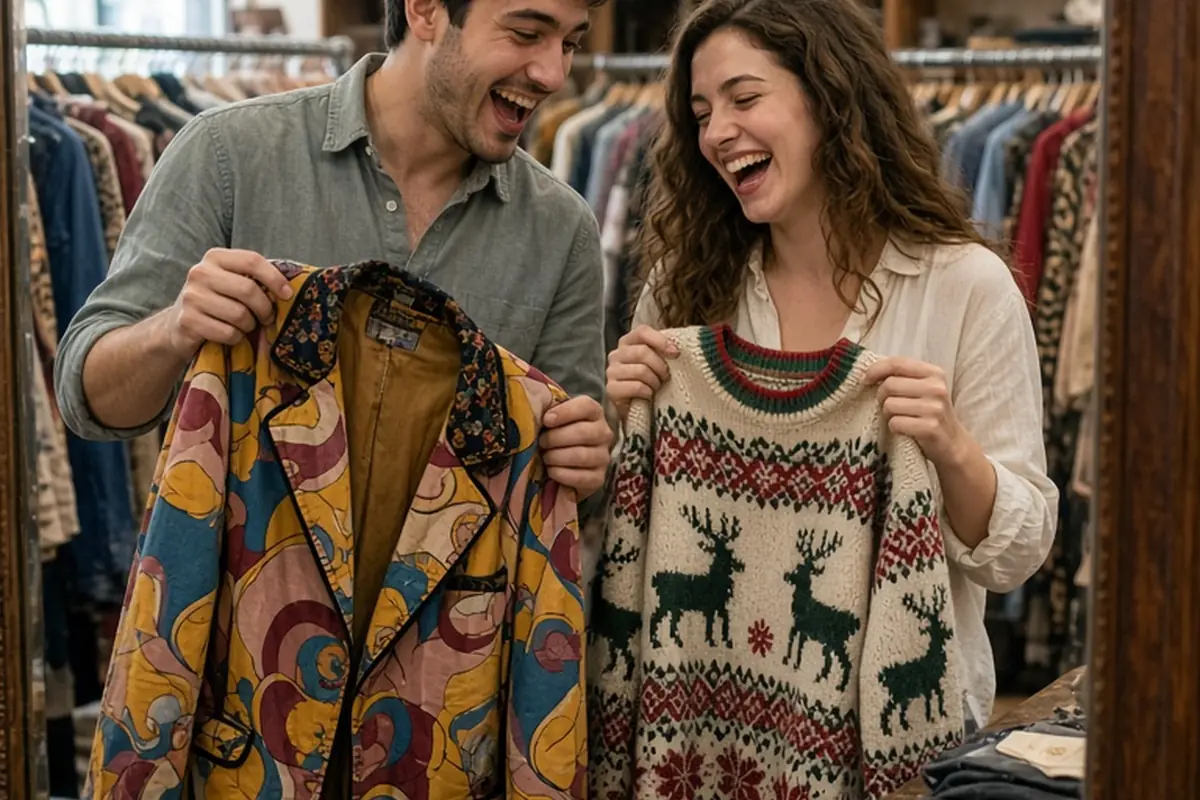
Creative, budget-friendly teen dates prioritize shared activities over costly tickets or meals. Memorable options include park picnics with homemade snacks, thrift-store scavenger hunts, baking challenges using pantry staples, community sports events, sunset photography walks, and local library game afternoons. These choices keep financial pressure low, avoid conversational awkwardness by keeping your hands busy, and give both people an easy, comfortable environment to talk, laugh, and learn about one another's interests.
Dating during high school usually means working around real practical limits, such as strict family curfews, shared household vehicles, and modest earnings from summer jobs or allowances. Spending quality time together does not require an expensive restaurant reservation or a high-priced amusement park pass when you select activities that encourage lighthearted teamwork and low-stress communication.
Low-Cost Outdoor and Park Hangouts That Keep Conversation Moving
Sitting directly across a table from someone you like can sometimes feel intense, especially if either of you feels nervous. Planning an outdoor date in a scenic public space introduces constant background activity, which relieves conversational pressure and prevents awkward silences. Taking a walk along a paved waterfront path, exploring a local botanical arboretum, or pedaling bikes along a community greenway provides built-in things to observe and talk about. You can focus on the surroundings whenever conversation pauses, allowing the dialogue to ebb and flow naturally without anyone feeling put on the spot.
To make an outdoor outing feel deliberate rather than aimless, pair the setting with a simple, inexpensive activity. You might pack a lightweight blanket and prepare sandwiches, sliced fruit, or baked goods from home instead of paying restaurant prices. Bringing along a frisbee, a beginner slackline, or an inexpensive kite adds a playful, physical element that encourages teamwork and laughter. Before heading out, confirm the park hours, check the afternoon weather forecast, and make sure both people wear comfortable footwear suited for walking.
- Scenic greenway walks: Paved trails offer changing scenery, easy conversation, and no financial barrier.
- DIY park picnics: Bringing snacks or lunch prepared at home creates a personal touch while keeping the total cost close to zero.
- Golden-hour photo challenges: Exploring neighborhood viewpoints with phone cameras turns an everyday walk into a collaborative creative project.
At-Home Cooking and Creative Projects Under Twenty Dollars
Preparing food together at home is one of the most engaging low-cost date formats because it requires active collaboration. Buying raw pizza dough, a jar of sauce, cheese, and a couple of favorite toppings from a local grocery store usually costs less than ordering a single takeout meal. Shaping the dough and customizing different halves of the pizza gives both people an immediate shared goal. It provides natural moments to talk about family food traditions, favorite snacks, and culinary quirks while keeping both pairs of hands occupied.
If dinner is not practical, a themed baking challenge using staple ingredients already in the pantry works just as well. You can try baking cookies from scratch, designing cupcakes, or testing out mug cake recipes together. When planning an at-home date, always check in with family members or guardians ahead of time to confirm the kitchen is free and visitors are welcome. Inquire casually about any food allergies or dietary preferences beforehand so your date feels safe and included from the start.
Thrift Store and Bookstore Quests for Playful Conversation
Secondhand shops and used bookstores are treasure troves of personality-revealing items that cost very little to explore. A thrift store visit can easily become an interactive game. For instance, you can set a timer for ten minutes and challenge each other to find the most eccentric retro jacket, the tackiest holiday sweater, or an outfit from a specific historical decade. Trying these items on in front of the mirrors generates spontaneous laughter, and nobody is obligated to spend a dime unless someone discovers a small, memorable souvenir they genuinely want to keep.
Used bookstores and public libraries offer a calmer setting that still fosters connection. You can give each other prompts, such as locating a favorite childhood picture book, tracking down a bizarre recipe in an old cookbook, or finding an unusual postcard in the stationery aisle. Sitting together in a comfortable corner to show each other what you found opens the door to genuine stories about your upbringing, reading habits, and senses of humor without ever feeling like an artificial interview.
Free Community, School, and Cultural Events Open to Teenagers
Many towns and schools offer lively public entertainment that teens can attend at minimal cost. Attending a high school football game, a weekend soccer tournament, or a track meet provides a lively, energetic atmosphere where you can sit together, cheer for friends, and soak in the school spirit. The admission charge for student sporting events is usually modest, and the natural excitement of the game ensures there is always something energetic happening right in front of you.
Beyond school athletics, look into local community resources that open their doors for free. Municipal art galleries, public library maker spaces, amateur acoustic open mics, and seasonal street festivals regularly host public events that do not charge entry fees. Checking a town council recreation page or local library bulletin board can uncover outdoor movie screenings, stargazing nights hosted by amateur astronomy clubs, or free weekend museum entry for students. These settings offer an authentic cultural outing without commercial pressure.
- High school athletic matches: Inexpensive tickets, lively crowds, and a casual setting make school games a low-stakes evening plan.
- Public gallery evenings: Local art associations often hold free open houses that encourage relaxed strolling and thoughtful discussion.
- Town square movie nights: Seasonal outdoor screenings organized by municipal parks offer free cinema under the stars.
Interactive Digital and Board Game Hangouts for Rainy Days
When cold or rainy weather rules out outdoor plans, interactive gaming provides an inexpensive way to connect indoors. Cooperative video games—such as two-player platformers, puzzle-solving adventures, or cooking simulators—encourage clear communication and shared celebration when you solve a tricky level together. Focusing on cooperation rather than cutthroat competition keeps the mood warm and supportive, ensuring neither person ends up frustrated over a loss.
Tabletop games offer an equally engaging, screen-free alternative. Classic card games like Uno, fast-paced tile games like Bananagrams, or strategy board games can easily turn an ordinary afternoon at a community center or kitchen table into hours of friendly entertainment. If you prefer to get out of the house, check whether your town has a local board game cafe or independent coffee shop with open game shelves, where the only cost is a couple of warm beverages to sip while you play.
How to Talk About Spending Limits and Split Expenses Fairly
Disparities in personal savings, weekly allowances, or work hours can create silent stress if expectations remain unsaid. The most effective way to eliminate financial awkwardness is to establish your budget boundaries before finalizing an invitation. Using direct, calm language such as, 'I am keeping things low-cost this month, so let us stick to free activities,' normalizes budgeting and removes any pressure for the other person to overspend just to appear polite or accommodating.
When an outing does involve small costs—like museum tickets, transit fares, or ice cream cones—the clearest default is for each person to cover their own expenses unless one party explicitly offers to treat. If one person offers to pay for a snack, the other can comfortably accept, offer to cover the tip, or suggest handling the next small purchase. Communicating transparently about money early on demonstrates personal maturity and protects the relationship from unspoken resentment.
Coordinating Transportation, Curfews, and Household Boundaries
Dating as a teenager requires coordinating personal independence with family rules. Transportation logistics should always be solved during the planning stage rather than at the last minute. Clarify early on whether the date involves public buses, walking, bicycles, or a ride from a parent or older sibling. If a parent is driving, offering gas money, communicating exact pickup times, and ensuring neither person keeps the driver waiting shows consideration and keeps household relationships peaceful.
Curfews and domestic boundaries also require clear respect. If a date takes place at someone's house, ensure both sets of parents or guardians know about the visit and approve the plan. Respect house guidelines regarding common areas, closed doors, and designated curfews without complaint. Being dependable with time and respectful of family living spaces builds trust with parents, ensuring you will be granted more freedom for future plans.
Illustrative Scenarios
Managing Budget Differences on a Weekend Outing
Maya invited Jordan to hang out over the weekend, suggesting an upscale boba shop followed by an expensive commercial escape room. Jordan had only seven dollars left from an allowance and immediately worried that declining would seem unenthusiastic. Instead of withdrawing or spending money needed for lunch, Jordan responded, 'I would love to spend time together, but that outing is outside my budget this week. Could we grab a cheap snack and do the free sculpture park trail nearby instead?' Maya agreed right away, explaining she had simply suggested the first activity that came to mind and was happy to switch to a walk.
Key point: Proposing a concrete, low-cost alternative protects your personal budget while confirming your genuine interest in the person.
Overcoming Conversation Pressure with an Interactive Project
Ethan and Sam planned a first date at a quiet neighborhood coffee shop, but sitting directly across from each other produced stiff posture, long pauses, and formal answers. Realizing the environment felt like an interview, Ethan suggested taking their cups to the used bookstore across the street to search for quirky vintage paperbacks. Browsing the crowded shelves gave both of them physical objects to react to, eliminating the pressure of continuous eye contact and naturally prompting stories about childhood memories and favorite comic books.
Key point: Shifting to an activity that keeps your hands and eyes busy relieves social tension and generates effortless conversation topics.
Frequently asked questions
How can I suggest a budget-friendly date without feeling embarrassed?
Focus on the creative concept of the activity rather than its price tag when you make the suggestion. Highlighting that you found a scenic trail, want to make personal pizzas, or want to explore a quirky secondhand shop emphasizes fun and initiative. Most teenagers manage tight budgets and welcome plans that do not carry heavy financial pressure.
What is a good indoor backup plan if bad weather ruins outdoor arrangements?
Keep one simple indoor option in mind, such as browsing a public library's graphic novel section, visiting an open-access community museum, or setting up a card game at a local cafe. Send a quick, considerate text message proposing the alternate indoor location so your date knows what to expect and can adjust their clothing accordingly.
Is it appropriate to hang out at someone's house for an early date?
An at-home date is appropriate only if both people feel completely comfortable and the hosting family has granted clear permission. If you or your date feel hesitant, prioritize neutral, well-trafficked public places like town parks, school events, or libraries until you have developed stronger familiarity and mutual comfort.
How should we handle transit costs if one person drives a car?
If one person provides the vehicle and gas, the passenger can offer a few dollars to help with fuel or purchase an inexpensive treat, like a soda or snack, to show gratitude. Acknowledging the driver's effort and expense ensures the arrangement feels fair and prevents either person from feeling taken for granted.
Your next step
Choose one specific low-cost activity that fits your schedule, confirm the transportation and curfew details with your household, and send a clear invitation proposing the day and location.