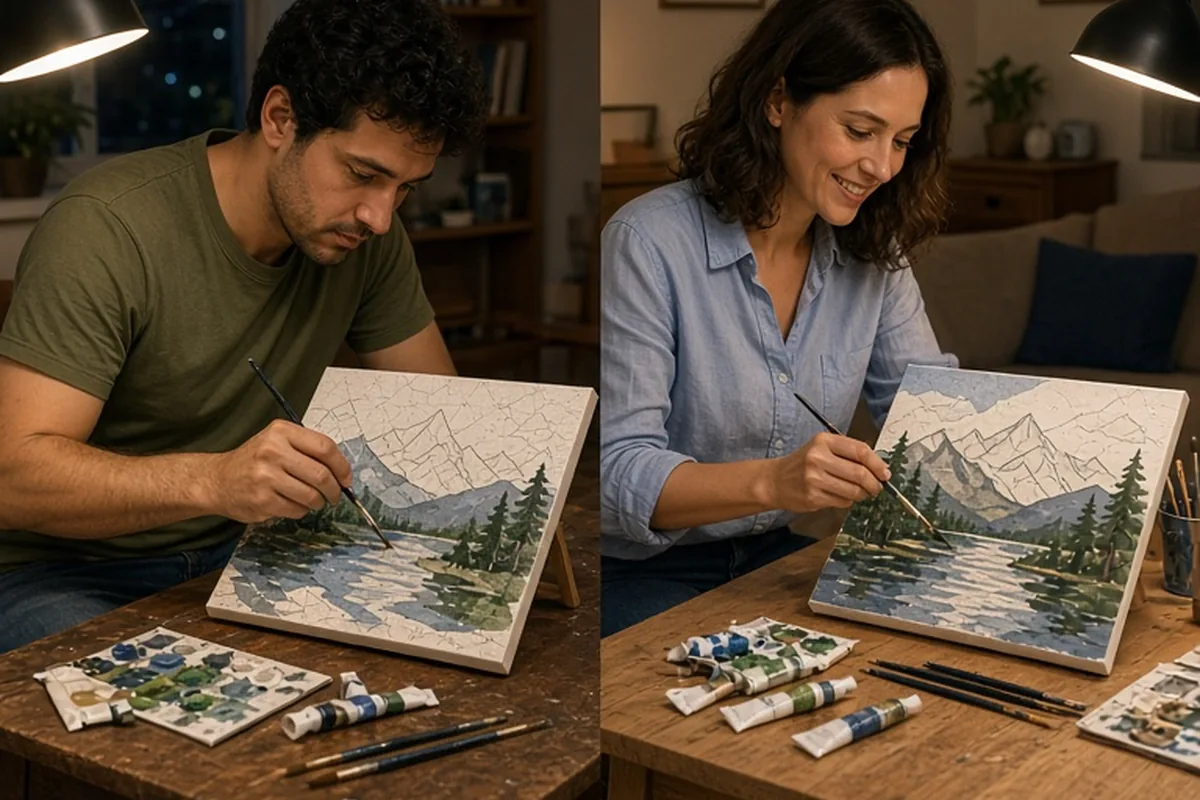
Virtual dates work best when couples move past open-ended conversation and engage in shared, parallel activities. Effective options include cooking the same recipe simultaneously, solving cooperative digital puzzle rooms, exploring interactive museum archives, hosting themed watch parties with synchronized audio, and sharing quiet evenings of parallel reading or crafting. Anchoring the call around a tangible activity removes the pressure to maintain constant eye contact, reduces screen fatigue, and recreates the casual spontaneity of sharing physical space together.
When physical distance separates two partners, routine video calls can unintentionally begin to feel like recurring work meetings. Shifting from passive catch-ups to structured, collaborative activities helps rebuild the natural rhythm, playfulness, and shared memories essential to maintaining a close romantic bond across any distance.
Cooking the Same Meal Across Different Kitchens and Time Zones
Preparing a meal together is one of the most reliable ways to make a long-distance evening feel grounded and collaborative. Instead of propping up a phone to make small talk after dinner, set your device on the kitchen counter, put on headphones, and cook the exact same dish simultaneously. Choose a recipe that both of you feel comfortable making, whether that is a straightforward skillet pasta, homemade flatbread pizzas, or a regional dish neither of you has tried before. Send each other the ingredient list a few days in advance so shopping becomes part of the shared ritual. As you chop vegetables, simmer sauces, and adjust seasonings, the sensory experience mirrors physical presence in a way that sedentary conversation cannot.
When significant time-zone differences make a synchronized evening meal impossible, adapt the concept creatively rather than abandoning it. A partner eating dinner at seven in the evening can easily pair with a partner eating weekend brunch at eleven in the morning. In these scenarios, select complementary culinary themes, such as making savory crepes on one end and sweet breakfast crepes on the other, or pairing an evening tea with a morning latte. Sit down to eat together once the food is plated, light a candle, and play a shared music playlist softly in the background to establish a shared ambiance across the miles.
Interactive Games and Cooperative Challenges for Playful Connection
Play introduces levity and shared problem-solving, both of which can easily get lost when long-distance communication revolves entirely around daily updates and future logistics. Cooperative video games, online escape rooms, and digital tabletop platforms offer structured environments where you work toward a common goal side by side. Options range from simple two-player browser games and digital crossword puzzles to full-scale cooperative puzzle titles designed specifically for pairs. The key is to select games that encourage verbal teamwork and shared laughter rather than intense, stressful competition that could trigger frustration after a demanding workday.
If video games are unfamiliar territory for one or both of you, low-tech adaptations work just as well. Use free web-based street-view tools to conduct a virtual scavenger hunt, dropping each other into unfamiliar international cities to race toward landmarks or locate quirky roadside diners. Alternatively, download identical digital trivia apps or buy a box of mystery-solving case files that can be opened and analyzed together over a video stream. Focus on the collaborative journey of piecing clues together, allowing organic banter to replace the artificial feeling of having to fill every silence.
Exploring Virtual Tours, Digital Exhibits, and Creative Workshops Together
Experiencing novel cultural events together strengthens romantic bonding, and digital platforms offer extensive access to cultural institutions worldwide. Many premier art museums, historic heritage sites, and national parks maintain high-resolution interactive tours that allow pairs to navigate galleries at their own pace. You can share your screen while walking through ancient ruins, discussing personal interpretations of modern art exhibits, or zooming in on historical artifacts. This shared exploration mirrors the pacing of an afternoon museum date, where you wander slowly, pause at whatever catches your eye, and let conversation wander naturally.
For couples who prefer hands-on creation, try setting up an at-home studio date with water-based acrylic paints, sketchbooks, or polymer clay. Follow the same beginner tutorial video online, pausing to compare techniques, laugh at unintentional mistakes, and encourage each other's progress. Another low-pressure option is collaborative playlist curation: open a shared music streaming session, pick an imaginative prompt such as songs for an imagined coastal road trip or tracks from your teenage years, and take turns adding tracks while explaining the personal memories attached to each song.
Quiet Evenings and Parallel Living for Tired Evenings
Not every virtual date needs to feature high-energy activities, elaborate planning, or non-stop dialogue. In physically cohabiting relationships, a substantial portion of intimacy stems from simply being in the same room while pursuing independent tasks. Long-distance couples often burn out because they feel pressured to entertain each other continuously whenever their cameras are on. Establishing dedicated parallel presence dates, often referred to as body doubling, provides comforting companionship without the mental exhaustion of continuous performance.
To establish a low-energy date, agree in advance to leave your video or audio connection open while you both read separate books, fold laundry, complete personal journaling, or tidy up your living rooms. You might periodically read a compelling sentence aloud, make an offhand comment about your day, or simply listen to the comforting ambient sounds of your partner turning pages or brewing tea. Normalizing comfortable silence over a video call is one of the clearest signs of long-distance relationship maturity, demonstrating that connection does not depend on uninterrupted talking.
Curated Conversation Nights That Move Beyond Routine Small Talk
When long-distance calls fall into repetitive scripts—such as rehashing workplace frustrations or asking the same basic check-in questions—intentional prompts can revive deeper curiosity. Instead of an open-ended conversation that feels like an interview, use structured card decks designed for couples, open-ended philosophical question lists, or collaborative mapping boards. Spend an evening opening satellite mapping software to build a shared pinboard of towns, restaurants, hiking trails, and roadside motels you hope to visit during future visits. Designing future trips together provides mutual anticipation, giving both partners tangible milestones to look forward to.
You can also use virtual evenings to share personal histories that may not have come up in early conversations. Spend a night sharing old digital family photo albums or childhood yearbooks, narrating the context behind awkward school photos, favorite childhood pets, and influential neighborhood spots. Walking your partner through your formative memories builds emotional intimacy and contextual understanding, helping them visualize your background and personal growth in vivid detail.
Logistics and Communication Habits for Long-Distance Couples
Even the most creative virtual date concept can fall flat if technological friction, scheduling misunderstandings, or physical exhaustion interfere. Before diving into an activity, check in about your respective energy levels and agree on a realistic time frame for the call. If one person has had an overwhelming ten-hour workday, an intricate escape room challenge might feel more stressful than restorative. Be flexible enough to swap an intensive activity for a quiet movie or an early night without taking the change of plans as a personal slight or a lack of interest.
Invest a little effort into smoothing out technological hurdles ahead of time. Use stable Wi-Fi connections, prop up phones or laptops on stable stands rather than holding them by hand, and consider using comfortable headphones to eliminate echo and background noise. When technical issues inevitably occur, such as a frozen screen, laggy video, or dropped audio, treat them with good humor rather than frustration. Agreeing to switch seamlessly to an audio-only phone call when bandwidth fails ensures that unexpected glitches do not derail your quality time together.
Illustrative Scenarios
Transitioning from Exhausting Small Talk to Shared Activity
Elena and Marcus, separated by three time zones, found their nightly video calls growing tense and flat. Both worked demanding corporate jobs, and sitting in front of their screens recapping office stress felt more like an exhausting obligation than a romantic date. Rather than letting resentment build or pulling back, Elena suggested an interactive experiment: they would both order identical paint-by-numbers kits and spend Friday evening painting with soft music playing, chatting only when they felt inspired. Marcus immediately felt the pressure lift, and both enjoyed the gentle rhythm of painting side by side. The shared focus gave them space to unwind naturally without forcing conversational topics.
Key point: Structured, parallel tasks reduce conversational pressure, letting long-distance couples relax into organic intimacy after stressful days.
Adapting Date Night to an Eight-Hour Time Difference
Jordan in Chicago and Priya in London struggled to find date times that fit their contrasting schedules. Evening dates in Chicago meant Priya had to stay awake until the early morning hours, leaving her drained for work the next day. Initially, Jordan worried that Priya's reluctance to stay up late signaled fading interest. Instead of jumping to conclusions or demanding late-night calls, they talked openly about energy cycles and designed a weekend hybrid date. Jordan made a Saturday morning breakfast of blueberry pancakes while Priya prepared a casual Saturday late-afternoon tea. They ate together over video, sharing their weekly highlights during hours when both were alert and energized.
Key point: Accommodating realistic biological schedules and time zones prevents resentment and keeps virtual connection sustainable.
Frequently asked questions
How often should long-distance couples schedule dedicated virtual dates?
There is no universal frequency that suits every relationship, as ideal cadence depends on work demands, caregiving responsibilities, and time-zone differences. Many couples find that one or two planned virtual dates each week provide meaningful connection without creating scheduling overwhelm. Prioritize the emotional quality and intentionality of the time spent together over the sheer number of calls on your calendar.
What should we do if one partner experiences severe screen fatigue from work?
Acknowledge screen exhaustion directly and switch from video calls to alternative formats, such as audio-only phone calls during an outdoor walk or sharing a synchronized podcast while resting. You can also send voice notes throughout the day or enjoy a quiet parallel call where cameras remain off. Intimacy does not require staring into a screen when your eyes and mind need rest.
How can we keep virtual movie watch parties engaging instead of passive?
Keep audio channels open through headphones so you can exchange spontaneous reactions, jokes, and commentary without echoing the film soundtrack. Coordinate treats beforehand, such as popping identical styles of popcorn or buying the same candy, and pause the film halfway through for a brief five-minute intermission to share initial impressions and refresh drinks.
What is the best way to handle awkward silences during video calls?
Normalize quiet moments by remembering that physical couples regularly share silence without analyzing it as a problem. Having a shared activity, such as a puzzle, a recipe, or a drawing pad, provides an immediate focal point so you do not feel compelled to fill every quiet second with conversation. If conversation stalls during a standard check-in, feel free to gently wrap up the call on a warm note rather than forcing dialogue.
Your next step
Pick one interactive activity from this list, confirm a shared date and time with your partner, and order any necessary ingredients or materials a few days ahead.