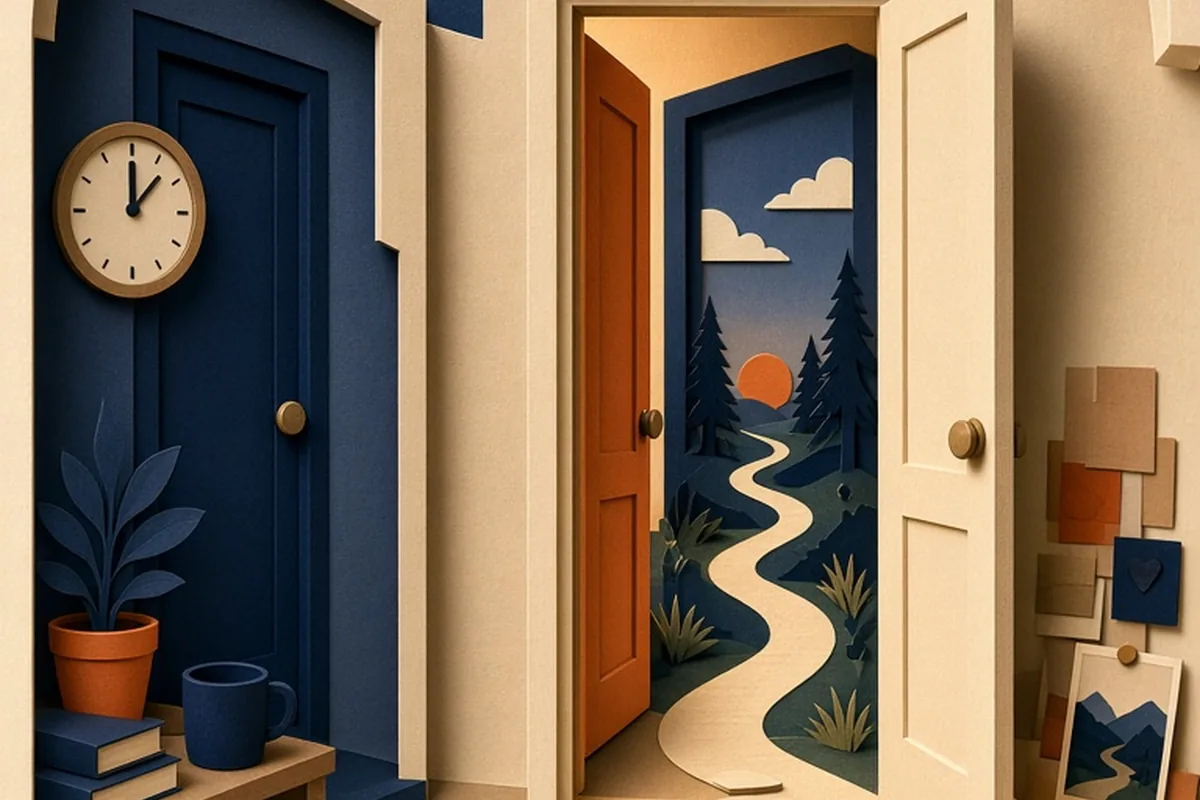
Cute anniversary ideas focus on shared nostalgia, intentional novelty, and uninterrupted presence rather than lavish spending. Effective options include recreating your first date with a modern twist, curating an interactive at-home tasting night, booking an unhurried local day trip, or taking a nostalgic tour of meaningful personal landmarks. The most memorable celebrations highlight your partner's specific interests and create space for genuine conversation.
Marking another year together offers a valuable opportunity to pause the rush of daily routines and appreciate how your partnership has evolved. You do not need an extravagant budget or theatrical gestures to make an anniversary feel memorable; you simply need shared intention and thoughtful execution.
Recreating Your First Meaningful Milestone
Returning to the roots of your relationship is a reliable way to celebrate your shared history and measure how far you have grown together. Recreating an early date does not require an exact replica of the original evening, especially if the original spot was an awkward coffee shop or a noisy venue. Instead, focus on the sensory details and key emotions of that first encounter. You might order food from the same style of restaurant, listen to an album that defined that season of your lives, or wear an outfit reminiscent of the night you met. The value lies in honoring the journey you both embarked on and acknowledging the deliberate choices that kept you together.
To make this experience work seamlessly, ground the concept in specific memories rather than vague sentimentality. For example, if your first date involved greasy diner takeout on a park bench, elevate the concept by packing high-quality diner-style sliders in an insulated basket with real glassware and a cozy blanket at scenic overlook. A potential trade-off of this approach is that nostalgia can occasionally highlight past relationship eras that felt easier or less burdened by current responsibilities. Acknowledge those changes openly with humor and gratitude, using the memory as an anchor rather than an idealized standard your present evening must compete against.
Curating an Interactive At-Home Tasting Night
Staying home avoids crowded dining rooms, rushed table turnovers, and high restaurant bills, but a successful at-home celebration requires more structure than a typical weeknight dinner. Transforming your living room into an interactive tasting experience allows you to engage all five senses while working together as a team. Choose a specific culinary theme that neither of you has mastered, such as blindfolded artisanal chocolate tasting, pairing regional cheeses with craft sodas or wines, or assembling custom personal pizzas with artisanal toppings.
Preparation is the key to preventing an at-home anniversary from feeling like ordinary chores. Set the physical environment apart from everyday life by clearing work clutter, setting a dedicated playlist, dimming harsh overhead lights, and prepping the ingredients beforehand so cooking remains relaxed. A clear limitation of staying home is the lingering distraction of household duties or unfinished work. Establish a mutual agreement to leave laundry, unwashed prep bowls, and phone notifications untouched until the next morning so your full attention stays on each other.
Planning an Unhurried Local Micro-Getaway
A change of scenery reliably shakes off relationship stagnation and invites playful conversation. You do not need an expensive flight or a full week off work to gain the psychological benefits of travel. A micro-getaway involves booking a single night at a boutique hotel, a scenic cabin, or a bed-and-breakfast within a ninety-minute drive of your home. The proximity minimizes transit fatigue, leaving you with ample energy to explore a quiet main street, walk a peaceful trail, or simply relax without domestic obligations.
Structure the day with minimal mandatory scheduling. Choose one anchoring event, such as a scenic sunset walk or a reservation at an intimate local eatery, and leave the remaining hours deliberately open for spontaneous detours. If booking an overnight stay exceeds your current budget, adapt the concept into a day-long tourist excursion in your own region. Visit a museum you have always driven past, stroll through an arboretum, and finish with dessert at a bakery across town. The trade-off is managing the logistical effort of packing and local transit, which can feel draining if you attempt to pack too many activities into a tight window.
Collaborating on a Shared Creative Project
Engaging in a hands-on activity shifts the focus from passive entertainment to active collaboration, creating shared memories through physical creation. Taking a beginner pottery class, attending a private painting session, learning woodworking basics, or assembling a complex terrarium gives you both a chance to step outside your comfort zones together. When couples learn a new skill side by side, it fosters healthy vulnerability, mutual encouragement, and shared laughter over inevitable beginner mistakes.
Select a medium where neither partner holds professional expertise so the dynamic remains balanced and lighthearted. For instance, booking a two-hour wheel-throwing pottery workshop allows both of you to get your hands dirty, laugh at uneven bowls, and end up with tangible keepsakes to display at home. Keep in mind that creative classes can occasionally trigger frustration or perfectionism if one person struggles with the technique. Counter this by emphasizing playfulness over polished results, keeping the focus squarely on the experience rather than the finished product.
Designing a Nostalgic Hometown Scavenger Hunt
If you share significant geographical history in your current area, map out a personalized tour celebrating the quiet milestones of your relationship. This idea turns your city into a living scrapbook of your shared narrative. Write down four to six short clues or coordinates leading to places that hold private meaning: the bench where you had an important breakthrough conversation, the bakery where you celebrated a job promotion, or the street corner where you first discussed moving in together.
At each stop, include a small tangible element, such as a handwritten note recalling what you felt at that exact spot, a favorite snack from that neighborhood, or a disposable camera to take a single candid photo. This experience turns simple geography into an emotional tribute. The practical limitation is navigation and timing; bad traffic, inclement weather, or closed venues can disrupt an elaborate itinerary. Keep the geographical radius compact and prepare flexible indoor backup stops so unexpected delays do not cause frustration.
Creating Dedicated Space for Reflection and Future Dreams
Amid the fun activities, the emotional core of an anniversary is mutual validation and intentional alignment for the year ahead. Set aside thirty to forty-five minutes of quiet time free from distractions to express genuine appreciation and talk openly about your personal and shared goals. Rather than relying on generic greetings, exchange written letters detailing specific moments from the past twelve months where you felt especially supported, seen, or proud of your partner.
Follow this reflection by discussing one or two shared dreams you would like to pursue in the upcoming year, such as learning a language together, saving for a major trip, or establishing a weekly walk routine. For example, you might place your written notes inside a small keepsake box alongside a list of three fun mini-goals for next year. A common pitfall is letting this conversation turn into an operational logistics review or a critique of household habits. Maintain clear emotional boundaries by reserving this time exclusively for affirmation, affection, and forward-looking excitement.
Navigating Expectations, Budgets, and Energy Levels
High expectations often create unnecessary anxiety around anniversaries, leading one or both partners to feel that anything less than perfection is a disappointment. Pressure tends to mount when plans are kept entirely secret or when one person shoulders the entire burden of planning while guessing what the other wants. The most reliable way to avoid friction is to have an honest check-in two weeks before the date to align on budget, energy levels, and preferred vibe.
Talk openly about whether you both want an active adventure, a cozy recharge, or a blend of both. If one partner has experienced an exhausting work week, forcing a packed schedule will lead to resentment. Adapting your celebration to fit real-world capacity demonstrates genuine care and maturity. Balancing high emotional warmth with low logistical stress ensures that the anniversary remains a gift of connection rather than an exhausting obligation.
Illustrative Scenarios
Illustrative Scenario: Balancing Fatigue with Celebration
Marcus and Elena had planned an elaborate five-course dinner across town for their third anniversary. By Friday evening, Elena was recovering from an intense work deadline and Marcus felt exhausted from a long commute. Marcus initially worried that canceling the reservation would signal a lack of romance or effort. Instead of forcing themselves through a rigid schedule, Marcus suggested picking up high-end Italian takeout, opening the sparkling cider they had saved, and setting up an indoor picnic with floor cushions and their favorite jazz record. Elena felt relieved, and the quiet setting allowed them to talk uninterrupted for three hours.
Key point: Flexibility and comfort often create deeper intimacy than strictly adhering to an ambitious, exhausting plan.
Illustrative Scenario: Transforming a Limited Budget into Thoughtful Effort
Jordan wanted to plan something memorable for his anniversary with Sam, but unexpected car repairs left him with almost no disposable income. He initially felt embarrassed and considered downplaying the date entirely. Instead, Jordan created a personalized living-room cinema night. He printed custom tickets referencing inside jokes, made gourmet stovetop popcorn with unique spices, and compiled a video montage of phone clips from their favorite hikes over the past year. Sam was deeply moved by the time Jordan invested, noting it felt far more personal than a standard dinner out.
Key point: Thoughtful personal investment and creative detail matter far more than how much money you spend.
Frequently asked questions
How far in advance should we plan our anniversary date?
Discussing broad preferences two to three weeks in advance allows plenty of time to secure reservations or purchase supplies without last-minute stress. Confirming the plan early also ensures both partners can protect the evening from competing work or social commitments.
What if my partner and I have completely different ideas of romance?
Romance is subjective, so avoid assuming your partner enjoys the same activities you do. A practical solution is splitting the day into two parts where each person plans one distinct segment tailored to what makes the other feel loved.
How can we celebrate if we only have a couple of hours together?
Focus on high-quality micro-moments, such as waking up early to share bakery pastries and coffee in bed, or meeting for a dedicated sunset dessert date. Uninterrupted attention and eye contact matter more than the total number of hours spent.
Should anniversary gifts be practical or sentimental?
The ideal gift aligns with your partner's specific love language and current needs. Many couples find success pairing a small practical item they know their partner wants with a deeply personal, handwritten note expressing gratitude.
Your next step
Choose one idea that matches your current energy and budget, then schedule a short conversation with your partner this week to set a date and align your expectations.