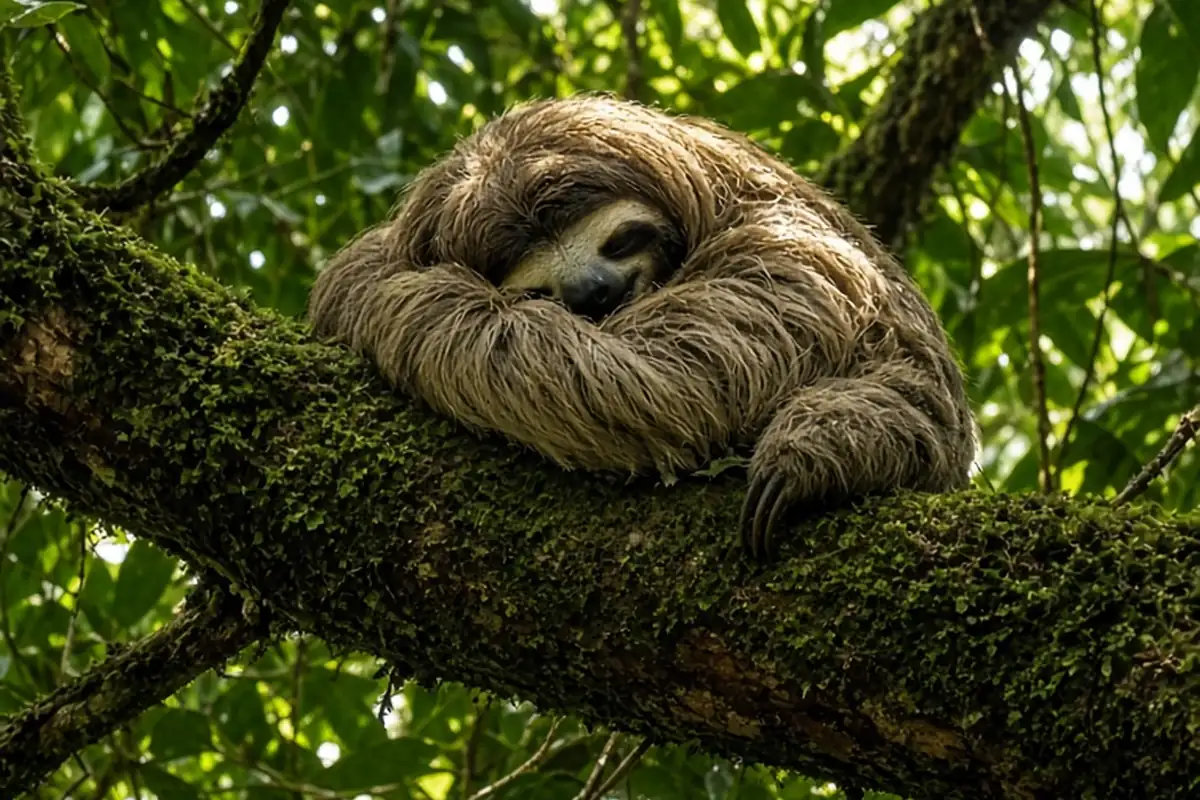
Cute sloth pictures resonate with friends because their relaxed postures, gentle faces, and famously unhurried movements communicate warmth without demanding urgent attention. Sharing a photo of a cozy three-toed sloth sleeping in a tree canopy or peering curiously around a branch offers an easy way to say you are thinking of someone. Pairing wholesome images with gentle, no-pressure captions allows friends who feel overwhelmed, tired, or busy to enjoy an affectionate moment of connection at their own natural speed.
Staying connected through daily life often feels like navigating a stream of notifications, calendar invites, and unread threads. When conversation demands energy that people do not always have, sharing a lighthearted image can bridge the distance effortlessly.
Why Cute Sloth Pictures Make the Ultimate Low-Pressure Friendship Check-In
In modern friendships, social exhaustion is a frequent barrier to keeping in touch. When people feel worn down by work obligations or personal responsibilities, even an affectionate text message like 'How have you been?' can feel like an open-ended assignment that requires a lengthy explanation. Cute sloth pictures cut through that fatigue by resetting the social tempo. The naturally calm expressions and slow, deliberate motions of sloths model a state of being that stands in direct contrast to hustle culture, offering immediate visual comfort rather than conversational pressure.
Sending a gentle animal picture sends a clear, subtext-free signal: I am thinking of you, and you do not need to perform or produce an elaborate update to deserve connection. Unlike high-energy memes that might require shared cultural context or rapid-fire banter, a photo of a sloth snuggled against a cecropia branch delivers warmth that anyone can absorb in two seconds. It invites a smile without imposing a conversational debt, giving friends permission to reply with a single emoji, send a delayed reaction, or simply enjoy the image in silence.
Four Styles of Sloth Pictures and How to Match Them to Your Friend's Mood
Not every friend needs the same emotional tone on any given day, and different types of sloth photography convey distinctly different vibes. The first style is the cozy snoozer, which captures a sloth curled tightly into a peaceful ball high in the rainforest canopy. These pictures work wonderfully for friends who have been working late hours, managing family caretaking responsibilities, or nursing an illness. The visual of total, undisturbed rest affirms that taking a pause is a completely acceptable response to fatigue.
The second style is the gentle observer, featuring a sloth staring directly into the lens with its soft, seemingly smiling eye markings and relaxed expression. These images are ideal when you want to initiate a lighthearted conversation or check in on a pal who has been unusually quiet. The third style captures the deliberate reach, showing a sloth slowly stretching a single claw toward a fresh green leaf. This serves as an encouraging visual metaphor for someone tackling a daunting project, preparing for an exam, or taking small, tentative steps toward a personal goal. Finally, there is the wide-eyed rescue sanctuary juvenile, wrapped snugly in a clean fleece blanket during recovery. These rescue images evoke instant affection, making them perfect for celebrating small wins, easing a rough day, or just saying a tender hello.
Thoughtful Captions to Pair with Sloth Photos for Different Friendship Dynamics
While a cute picture often speaks for itself, adding a brief line of text anchors your intention and removes any ambiguity about your expectations. For friends who are perpetually swamped, pairing an image with explicit permission to take their time transforms a cute photo into an act of genuine care. For example, writing, 'Zero reply needed, just saw this little guy taking a rest and thought you deserved a peaceful moment today,' removes the pressure to craft an immediate reply. It acknowledges their full schedule while ensuring they feel remembered and valued.
If your friendship thrives on mutual encouragement through gradual progress, you can lean into the sloth's legendary pacing with warm humor. A message like, 'Actual footage of me tackling my to-do list this week—slow and steady wins the race,' creates shared vulnerability and normalizes working without rushing. For someone facing a stressful week, a simple note such as, 'Channeling this exact level of unbothered chill for you ahead of your presentation tomorrow,' communicates confidence in their abilities without adding emotional weight. If you simply want to plan a relaxed get-together, pairing an image of two sloths resting in adjacent branches with, 'Low-energy hangout soon? We can literally just sit on the couch and watch movies,' sets a realistic, welcoming expectation.
Sourcing Ethical Wildlife Photography and Spotting Inappropriate Animal Encounters
When browsing online for animal photos to share, it is worth paying attention to how the images were produced. Sloths are wild animals with highly specialized adaptations for arboreal living. In the wild, their slow metabolism, unique gripping physiology, and camouflaged fur keep them safe in tree canopies. Authentic, ethical wildlife photography shows sloths in their natural habitat, clinging naturally to native trees, eating leaves, or sleeping undisturbed at a respectful distance from human observers.
Unfortunately, some viral media circulating on digital platforms comes from commercial wildlife selfie operations or unaccredited facilities that force wild animals into unnatural contact with tourists. You can distinguish ethical photos from exploitative ones by observing the animal's posture and surroundings. Be wary of images showing sloths dressed in human clothing, held directly by tourists, or posed awkwardly away from climbing supports, as handling causes severe physiological distress for wild sloths. Instead, look for photography from reputable conservation organizations, wildlife biologists, and legitimate rescue sanctuaries. Sharing images from verified rehabilitation projects not only delights your friends, but it also reinforces respect for wildlife welfare.
Reading the Digital Room When a Friend Is Quiet or Slower to Respond
One common dilemma in digital communication is wondering how to interpret a delayed reply after sending a friendly photo or meme. When days pass without an answer, people sometimes jump to unhelpful conclusions, wondering if they said the wrong thing, crossed a line, or caused annoyance. In reality, quietness is almost always a reflection of the other person's bandwidth, energy level, or personal circumstances, rather than a negative judgment about the sender.
A healthy approach to sharing casual media involves releasing expectations of a prompt transaction. If a friend leaves your sloth picture on read or responds with a delayed heart reaction three days later, take that reaction at face value. Treat their response as evidence that they received the warmth when they had the breathing room to do so. Avoid following up immediately with prompts like 'Did you see this?' or 'Are you mad at me?' which replace a low-pressure gift with an emotional demand. If you want to check in on their deeper well-being, wait a reasonable interval and send a separate, grounded message: 'Hey, no need to respond right away, just wanted to check in and see how you are holding up this week.' This gives your friend total agency to share what they wish without defensive posturing.
Turning Digital Sloth Pictures into Meaningful Offline Gestures
While direct messaging and group chats are the most common ways to share animal media, translating that shared affection into physical items can deepen bonds in tangible ways. If you and a friend share a long-running joke about moving at sloth speed or prioritizing rest over chaotic social schedules, physical stationery or small gifts offer enduring comfort. A printed postcard featuring a peaceful sloth sent through traditional mail arrives as a delightful surprise in a mailbox usually reserved for bills and advertisements.
You can also use sloth-themed gestures to support a friend during demanding life phases, such as exam periods, moving house, or career transitions. Assembling a small care basket with herbal tea, cozy socks, and a handwritten card adorned with a sloth illustration creates an intentional package centered on recovery and relaxation. The message behind the physical item mirrors the philosophy of the animal itself: you do not have to conquer everything today, rest is productive, and your friends appreciate you exactly as you are.
Illustrative Scenarios
Navigating Busy Schedules in a Long-Distance Friendship
Elena noticed that her college friend Marcus had stopped initiating conversations over several months. Her initial instinct was to worry that their friendship was fading or that Marcus was pulling away intentionally. Instead of sending an anxious confrontation or pulling back in silence, Elena texted him a photo of a sleepy three-toed sloth tucked between branches, writing: 'Thinking of you! No need to reply, just hope you are getting some peaceful moments this week.' Marcus responded two days later with a voice note explaining that he had been overwhelmed caring for an injured family member and felt immense relief that Elena reached out without expecting an immediate, energetic catch-up call.
Key point: Low-pressure sharing communicates affection without adding guilt to an already overloaded friend's plate.
Supporting a Stressed Colleague Before a Major Deadline
Jordan worked closely with Maya, who was visibly anxious about leading an upcoming quarterly review. Jordan wanted to offer encouragement but knew that sending long motivational texts often made Maya feel like she had to manage other people's expectations on top of her own work. During a short afternoon break, Jordan sent Maya a picture of a baby sloth at a Costa Rican rescue center reaching slowly for a leaf, accompanied by the note: 'One small leaf at a time. You have prepared thoroughly for this.' Maya sent back a smiling emoji, later mentioning that the gentle reminder helped break her panic cycle and grounded her focus for the rest of the day.
Key point: Humor and gentle visual metaphors can dismantle acute anxiety far more effectively than formal pressure.
Frequently asked questions
What should I do if a friend never replies to the animal pictures I send?
If a friend consistently does not respond to shared images, it is best to pause sending them for a while. Their lack of response usually indicates low digital bandwidth rather than hostility, but continuing to send unprompted media can inadvertently create conversational clutter. If you genuinely want to know how they are doing, send one clear, direct check-in asking how life is treating them and letting them know there is no rush to answer.
Is it rude to send memes or pictures without a written greeting?
Sending an image on its own is rarely rude in established friendships where visual shorthand and banter are already standard. However, if you are reconnecting after a long gap or communicating with a friend who tends to overthink social cues, adding a short sentence provides helpful context. A brief line clarifies whether the image is purely for entertainment or intended to open an active conversation.
How can I tell if an online sloth picture comes from an ethical source?
Look for images showing sloths in their natural habitat, displaying undisturbed behaviors like sleeping, climbing, or foraging in trees. Ethical pictures avoid showing human hands holding the animal, wild animals dressed in clothing, or sloths placed in sterile domestic settings for tourist photo opportunities. Verified wildlife photographers and recognized animal rehabilitation centers will typically credit the setting and discuss conservation or biology rather than novelty entertainment.
How often can I send pictures to friends without becoming overwhelming?
Pacing depends on your individual dynamic and how the recipient usually interacts with digital messaging. In active group chats or close daily friendships, an occasional picture every few days fits comfortably, whereas in less frequent relationships, sharing once every couple of weeks feels organic. Paying attention to whether your friend matches your tempo helps you find a comfortable cadence that never feels intrusive.
Your next step
Pick one friend who could use an unhurried smile today, find a peaceful photo of a sloth in nature, and text it to them alongside an explicit no-reply-needed note.