Dating a nature lover works best when you treat the outdoors as their happy place, not a test you have to pass. Show genuine curiosity, be honest about your comfort level, plan dates that mix fresh air with things you both enjoy, and let time outside build connection at a pace that suits you both.
If the person you are seeing lights up at the mention of a trailhead, a sunrise, or a weekend with no cell service, you are dating someone whose relationship with the outdoors runs deep. That is good news for you, as long as you know how to meet them there.
What Dating a Nature Lover Actually Looks Like
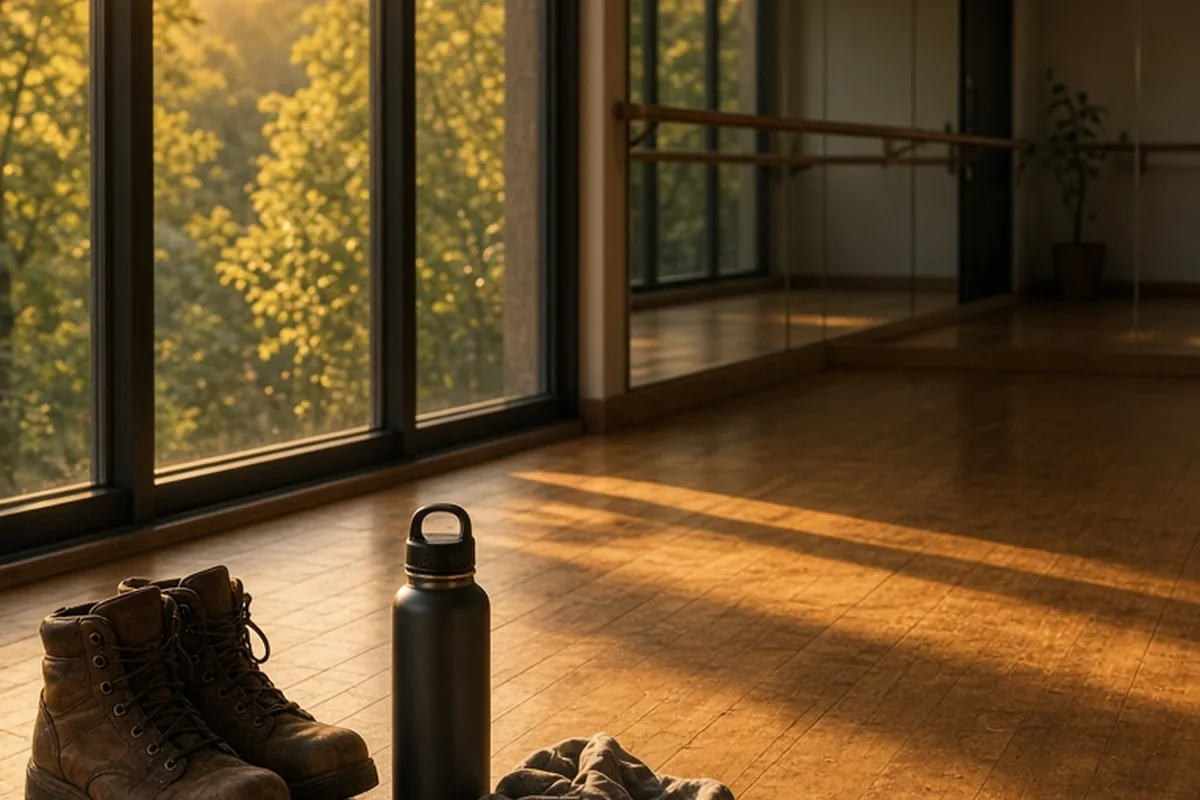
Dating a nature lover usually means your calendar bends toward daylight. Expect early Saturday starts, a car trunk that always contains boots and a water bottle, and weather apps checked more often than social media. Their ideal date might be a two-hour hike followed by tacos from a roadside stand, and their version of a big romantic gesture could be driving ninety minutes so you can watch meteor showers from a dark field. None of this is a quirk to tolerate. It is how they recharge, and it shapes how they show affection.
It also means their attention works differently outdoors. Many nature lovers are more present on a trail than across a dinner table, because walking side by side lowers the pressure of constant eye contact and small talk. If your partner seems quieter but more relaxed outside, that is often intimacy, not distance. The practical takeaway: judge the relationship by how they treat you in their element, not by whether they perform romance the way a restaurant date demands.
Why the Outdoors Matters to Them
For most nature lovers, time outside is not a hobby on a list. It is tied to how they manage stress, think through problems, and feel like themselves. Someone who hikes every Sunday is often doing the same thing another person does with journaling, the gym, or a long drive with music. When you understand that, their enthusiasm stops looking like an obsession and starts looking like a need, which changes how you respond when they suggest yet another weekend in the woods.
This matters for conflict too. A partner who processes emotions while walking may go quiet indoors and open up on a trail. If you have a hard conversation to get through, suggesting a walk in a park can work better than sitting across from each other at the kitchen table. The limit worth noting: nature is their tool, not a cure. It will not fix a fundamental mismatch, and you should not have to pretend a muddy trek is your idea of fun just to keep the peace.
Date Ideas That Go Beyond the Obvious Hike
Hiking is the default, but it is far from the only option, and variety keeps the relationship from feeling like a fitness program. The best outdoor dates combine fresh air with a shared activity, so conversation has somewhere to go. Think about experiences with a built-in focus: identifying birds, picking fruit, paddling a slow river, or cooking over a camp stove. A shared task gives you something to react to together, which is where inside jokes and real chemistry tend to form.
A few reliable options that work for most comfort levels:
The trade-off to keep in mind is effort versus payoff. A sunrise picnic sounds romantic until the 4:30 alarm. Start with low-commitment outings, like a botanical garden or a short scenic walk with coffee afterward, and scale up as you learn what you both actually enjoy rather than what sounds impressive.
- A picnic somewhere with a view, where you each bring one dish
- A farmers market or orchard visit followed by cooking together
- Stargazing from a park or quiet roadside pullout
- Kayaking or paddleboarding on calm water
- A scenic drive with planned stops instead of a destination
- Volunteering for a trail cleanup or community garden day
Handling Different Fitness and Comfort Levels
The most common friction point when dating a nature lover is the gap between what they consider an easy walk and what you consider a workout. They may genuinely believe a steep eight-mile loop is casual, because their baseline was built over years. The fix is not to suffer silently or to refuse everything. It is to ask specific questions before you agree: How long is it? How much climbing? Is there a turnaround point if I am done? A partner who cares about you will answer honestly and adjust.
Honesty early beats resentment later. If you push through a miserable hike to seem game, you teach them that misery is the price of time together, and eventually you will start declining invitations altogether. A better move is to name your limit while staying engaged: I will do the first half and wait at the lake with a book, or let us do the short loop and grab lunch after. Most nature lovers respect a clear boundary far more than a fake smile at mile six.
When You Are Not Outdoorsy Yourself
You do not need to become a hiker to date a nature lover. Plenty of strong couples pair an outdoors person with a city person, and the relationship works because each respects the other's way of recharging. What matters is showing interest in their world without faking a passion you do not have. Ask about their favorite trail, look at their photos, learn why they love a particular spot. Curiosity reads as care; pretending reads as performance, and it collapses eventually.
The healthy arrangement is usually a split: some shared outdoor time at your pace, some solo or friends' trips for their harder adventures, and some indoor dates that are entirely yours. If they disappear every weekend on solo expeditions and never join your world, that is a balance problem worth naming. If you refuse every outdoor invitation, that is the same problem in reverse. Aim for a rhythm where both of you occasionally stretch and neither of you disappears.
Planning Trips and Weekends Together
Once the relationship is established, nature lovers tend to measure commitment in shared trips. A first overnight camping trip or a long weekend in a cabin is often their version of a milestone, so treat the planning as a real conversation rather than a surprise. Talk through sleeping arrangements, bathroom realities, food, and what happens if the weather turns. The couples who struggle are usually the ones where one person imagined glamping and the other imagined a tent in the rain.
Practical planning also reveals compatibility fast. Dividing tasks like navigation, meals, and packing shows how you function as a team under mild stress, which is useful information for the relationship as a whole. One honest limit: a trip is a test of logistics, not of love. A rainy, buggy weekend that you both laugh about later can do more for closeness than a perfect sunset, so do not treat a flawed trip as a bad sign unless the flaw was how you treated each other.
Green Flags and Friction Points to Watch
Dating a nature lover comes with some genuinely good signs. People who spend real time outdoors often plan ahead, handle discomfort calmly, and value experiences over appearances, all of which translate well into relationships. Watch for the partner who packs extra water for you without being asked, checks whether you are cold, and adjusts the route when you are struggling. Those small moves are consideration in action, and they tend to show up indoors too.
The friction points are equally predictable. Beware the partner who treats the outdoors as a scoreboard, dismissing your pace or mocking your gear, because that competitiveness rarely stays on the trail. Also watch for someone whose love of nature leaves no room for yours: if every weekend, every vacation, and every conversation must orbit their hobby, the issue is not the outdoors but the imbalance. A nature lover worth keeping wants you comfortable in their world, not conquered by it.
Illustrative Scenarios
The First Hike That Went Sideways
Marcus had been seeing Elena for a month when she suggested a trail she called an easy favorite. Wanting to impress her, he said yes without asking details and wore sneakers. Three miles in, on loose rock with his feet hurting, he got quiet and irritable, and Elena read his silence as boredom with her. The drive home was stiff. The next week he tried again, this time telling her upfront he was new to hiking and asking for something short and flat. They did a two-mile lakeside loop, stopped for coffee, and talked the whole way.
Key point: Asking about difficulty and admitting your limits is not a weakness. It is how you get a date that actually works.
The Weekend She Went Without Him
Priya loved backcountry camping; her boyfriend Daniel preferred hotels and room service. For months he joined every trip and quietly hated the cold nights, until he started making excuses and she started going alone, which left them both feeling distant. Instead of forcing a fix, they split the difference: she kept one solo backpacking weekend a month, he planned one city weekend, and they picked one comfortable cabin trip together each season. Both stopped keeping score, and the trips they shared got better because neither felt trapped.
Key point: You do not have to share every adventure. A fair split of solo and shared time often beats forced togetherness.
Frequently asked questions
Do I have to love hiking to date a nature lover?
No. You need curiosity and honesty, not a matching hobby. Show interest in what they love, join the outings that suit you, and be upfront about your limits rather than pretending.
What is a good first outdoor date if I am inexperienced?
Pick something short and low-stakes, like a botanical garden, a flat scenic walk, or a picnic with a view. Add a comfortable ending, such as coffee or lunch, so the date has an easy exit and a built-in reward.
What if I hate bugs, dirt, or bad weather?
Say so early and suggest alternatives that still get you outside, like scenic drives, patios, or mild-weather outings. Most nature lovers would rather adjust the plan than drag along a miserable partner.
What gifts work well for a nature lover?
Practical and personal beats expensive: a quality water bottle, a national park pass, a guidebook for a place they want to visit, or a framed photo from a trip you took together. Gear they chose themselves usually lands better than gear you guessed at.
Your next step
Pick one low-commitment outdoor date this week, something under two hours with a comfortable ending, and suggest it with your honest experience level attached. That single move tells a nature lover more about your interest than any amount of pretending ever could.