Dating a widower requires balancing respect for his past with your need for a genuine, reciprocal present. A healthy relationship is possible when he has processed active grief, welcomes you openly into his life without secrecy or unfair comparisons, and makes room for your shared future. Your role is not to compete with a memory or heal his sorrow, but to decide whether his emotional availability meets your relationship standards.
Starting a romance with someone who lost a spouse brings a unique mix of warmth, emotional maturity, and hesitation. While a widower often understands commitment and long-term partnership, entering a life shaped by profound loss naturally introduces questions about pacing, emotional room, and household boundaries.
Assessing Emotional Readiness and Real Availability
A primary challenge when dating a widower is distinguishing between someone ready to invest in a new relationship and someone seeking relief from profound loneliness. The passage of time alone does not determine readiness; emotional processing does. A widower who is ready to date can talk about his late partner with affection and calm reflection, rather than falling into paralyzing distress or avoiding the topic entirely. He recognizes that moving forward does not mean erasing his past, but he also accepts that a new partner is not an emotional band-aid for unresolved pain.
To evaluate his availability, observe whether he shows consistent interest in your world, opinions, and personal goals. If dates regularly turn into sessions where you console him, or if conversations focus almost entirely on his past life and grief rituals, his capacity for mutual intimacy remains constrained. A helpful practice is to observe how he handles shared planning. When a man suggests future activities, introduces you to friends at an appropriate pace, and listens attentively to your experiences, he demonstrates that he is building a shared present rather than merely filling an empty space.
Addressing Physical Space, Mementos, and the Home
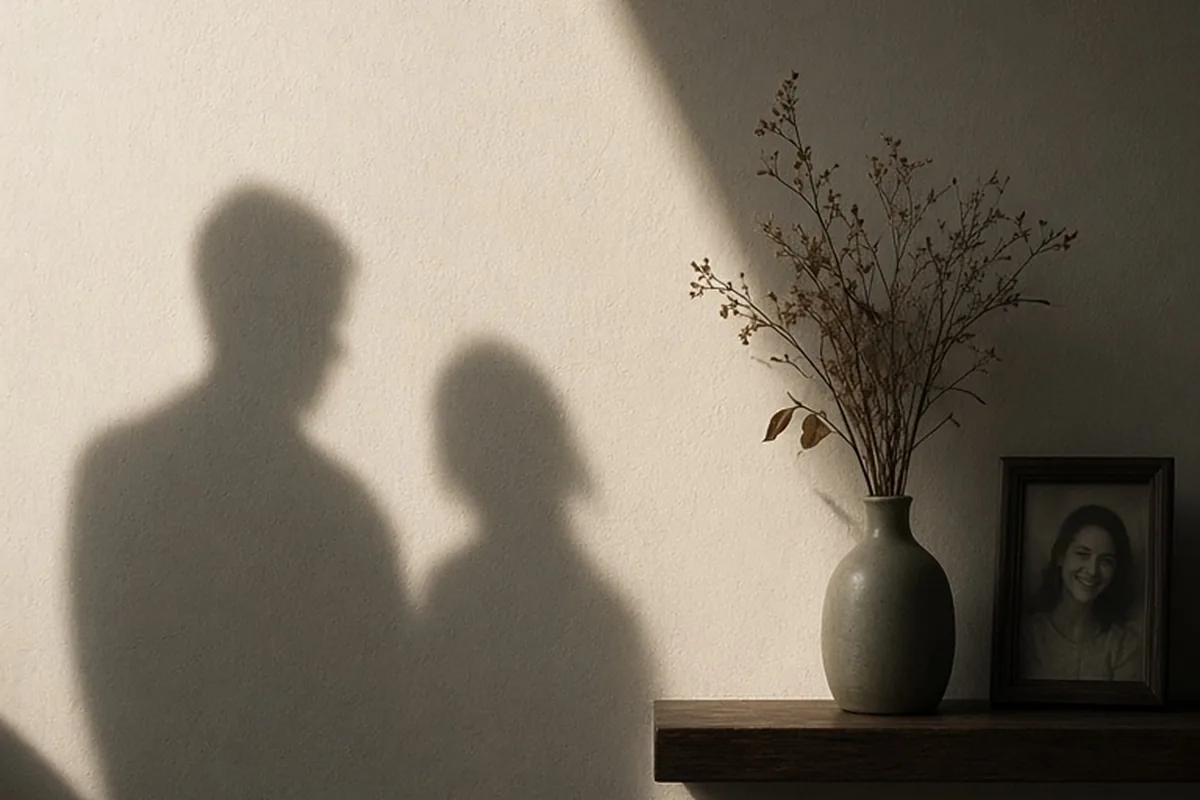
A widower's living environment offers direct insight into how much room he has made for someone new. Entering a home where every surface features portraits of a late spouse, where clothes remain untouched in the closet years later, or where wedding bands are displayed prominently on the bedside table can leave you feeling like an intruder in a museum. Preserving memories is healthy, but an unchanged home environment often signals that he is not yet prepared to welcome an adult partner into his private life.
You can address physical space directly without demanding that he eliminate his history. Instead of issuing an ultimatum to remove keepsakes, frame the conversation around what you need in order to feel welcome. For instance, you might say that while you respect his late wife's role in his life, you feel uncomfortable spending the night in a bedroom filled with wedding memorabilia. A supportive partner will hear this concern and collaborate on reasonable changes, such as moving personal portraits to a family album or home office. The limit here is balance: expecting him to discard every keepsake is unreasonable, but expecting shared dating spaces to feel neutral and welcoming is a basic standard of mutual respect.
Disarming Comparison and Competing with a Memory
Many people dating widowers encounter the silent anxiety of competing with a partner who cannot be matched. In memory, a deceased spouse is often preserved at their best, stripped of everyday irritations, conflicts, and human flaws. If you find yourself comparing your cooking, appearance, career, or humor to a predecessor, your self-esteem and relationship security can quickly erode. It is vital to remember that love is not a zero-sum contest, and your value lies in your unique individuality rather than replicating a past dynamic.
When comparisons surface, whether from him, his circle, or your own thoughts, ground the relationship in novelty. Build unique routines, discover restaurants neither of you visited before, and pursue hobbies that belong entirely to the two of you. If he makes an overt comparison, such as mentioning how his late wife handled a disagreement or organized the holidays, address it calmly in the moment. A constructive response might be: 'I know you value how she did things, but I need us to find a way that works for you and me.' Setting this boundary keeps your identity intact and prevents the relationship from becoming a reenactment.
Navigating Anniversaries, Holidays, and Grief Waves
Grief is rarely linear. Even a widower who is genuinely invested in a new romance will experience predictable spikes in sadness around wedding anniversaries, birthdays, holidays, and the date of his partner's passing. Expecting him to remain completely unaffected on these days is unrealistic, and attempting to suppress his grief can damage trust. What matters is how both of you plan for and manage these moments together.
Proactive communication eliminates unnecessary tension before significant dates arrive. Two weeks before a sensitive calendar event, ask him how he typically marks the day and what kind of support he prefers. He may want quiet solitude, a brief visit to a memorial site, or simply a relaxed evening without pressure. Your role is to offer supportive presence without taking his temporary withdrawal personally. At the same time, clear boundaries apply: he remains responsible for treating you with kindness and giving you advance notice if he needs personal space, rather than disappearing abruptly or taking out his sorrow on you.
Managing Relationships with Children and Extended Family
Dating a widower who has children or close ties to former in-laws adds another layer of social complexity. Children, regardless of their age, often experience a parent dating as a secondary loss or an act of disloyalty to their deceased mother. In-laws may struggle with seeing someone new occupy a space once held by their relative. If you sense coolness or polite distance from his circle, recognize that their reaction usually reflects their own protective instincts rather than a personal rejection of you.
Your partner must take primary responsibility for managing his family dynamics. It is his job to set expectations with his children and relatives, making it clear that while nobody can replace their mother, he deserves companionship and happiness. Do not try to force an instant maternal role or demand rapid inclusion in family traditions. Maintain a warm, patient, and respectful presence, allowing bonds to form naturally over time. If his family treats you with persistent hostility and he refuses to intervene or set firm boundaries, consider whether he has the personal independence needed to protect a partnership.
Distinguishing a True Partner from a Convenient Placeholder
One of the most painful pitfalls in dating a widower is realizing late in the relationship that you are being used to fill a functional void. Some people seek out a new partner to manage domestic tasks, look after children, or alleviate the unbearable silence of an empty home, without offering genuine romantic vulnerability in return. A real partnership requires curiosity about your inner world, mutual sacrifice, and equal commitment.
Pay careful attention to specific behavioral patterns that reveal whether you are treated as a convenient stand-in rather than an equal romantic partner:
Notice whether he integrates you into his public life or keeps you compartmentalized away from friends and community members.
Assess whether major life decisions are made collaboratively or if he expects you to mold your schedule and preferences entirely around his established routines.
Watch for resistance when you express your own vulnerabilities, bad days, or emotional needs, particularly if he dismisses them because his past loss was greater.
If you consistently feel like a supportive character in someone else's script, step back and evaluate the dynamic. You deserve a relationship where your emotions, plans, and presence are cherished for who you are, not simply because you stepped in to relieve loneliness.
- Notice whether he integrates you into his public life or keeps you compartmentalized away from friends and community members.
- Assess whether major life decisions are made collaboratively or if he expects you to mold your schedule and preferences entirely around his established routines.
- Watch for resistance when you express your own vulnerabilities, bad days, or emotional needs, particularly if he dismisses them because his past loss was greater.
Illustrative Scenarios
Establishing Personal Space in an Unchanged Home
Julianna had been dating Marcus, a widower of four years, for six months. When she began staying over on weekends, she realized his master bedroom remained exactly as his late wife had designed it, complete with framed wedding portraits on the nightstand and personal toiletries on the vanity. Julianna felt deeply uncomfortable and contemplated breaking things off, fearing Marcus was still living in the past. Instead of pulling away, she expressed her discomfort with warmth and clarity, explaining that while she honored his history, she needed their shared overnight space to reflect their current connection. Marcus was surprised because he had grown accustomed to the room, but he acknowledged her perspective immediately. Within two weeks, he relocated the portraits to his study and cleared space for Julianna's belongings.
Key point: Respecting a partner's past does not require you to ignore your own comfort; a partner ready for love will make room for you when you communicate clearly.
Navigating Holiday Grief and Miscommunication
Arthur, whose wife passed away three years earlier, began dating David. Ahead of their first major holiday season together, Arthur suddenly became distant, canceled a weekend dinner with a brief text, and did not call for three days. David initially interpreted the silence as an abrupt breakup or a sign of fading attraction. Rather than sending an angry message or pursuing Arthur relentlessly, David waited until the weekend passed, then requested an in-person conversation. When they met, Arthur apologized, explaining that Thanksgiving had triggered acute memories of his late wife, causing him to shut down emotionally. David listened with empathy but established a direct boundary, letting Arthur know that while grief waves are understandable, disappearing without communication creates mistrust. Arthur agreed, and they created a plan to check in briefly during future sensitive dates.
Key point: Grief explains emotional fluctuations, but a sustainable relationship still requires basic accountability, honesty, and reliable communication.
Frequently asked questions
How long should a widower wait before dating again?
There is no universal timeline for when a widower should start dating, as grief moves at different speeds for everyone. The critical factor is not how many months or years have passed, but whether he can offer steady emotional availability and build a life focused on the present.
Is it normal to feel jealous of a partner's deceased spouse?
Yes, feeling occasional jealousy or inadequacy is common when dating a widower, especially if his past relationship is idealized. Acknowledging this feeling without guilt allows you to focus on developing unique experiences and seeking reassurance when needed.
What should I do if his family or friends compare me to his late wife?
Remain polite, avoid defending yourself, and allow your partner to establish boundaries with his social circle. If someone makes an overt comparison in conversation, you can gracefully redirect the topic by noting that every person and relationship is distinct.
Should I accompany him to the cemetery or memorial services?
Only attend if he invites you and you genuinely feel comfortable being there. If the visit feels too intimate for your current relationship stage, it is entirely healthy to offer support before and after while giving him private time to reflect.
Your next step
Take an honest look at your relationship this week to ensure your emotional needs are being met, and schedule one calm, candid conversation about any boundary or physical space that currently feels unresolved.