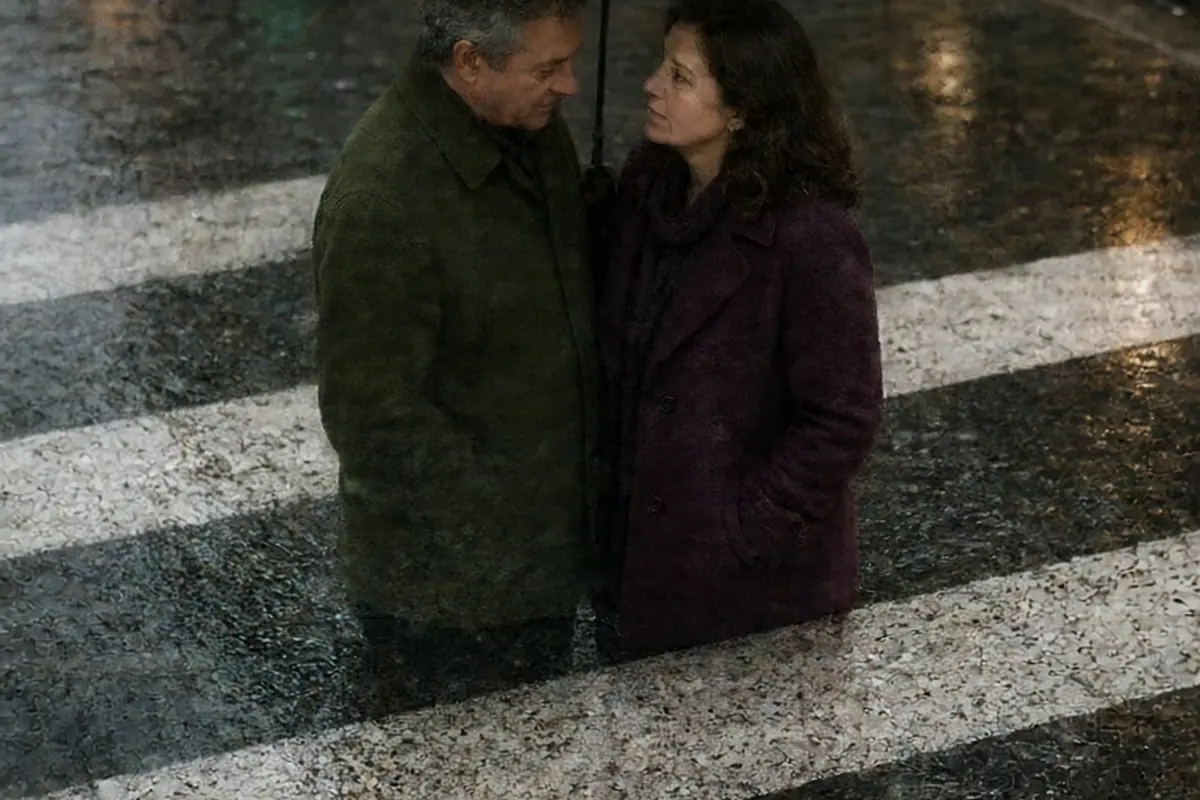
Dating after widowhood involves acknowledging that grief and new affection can coexist, defining your emotional readiness, and setting a deliberate pace. Success comes from honest self-assessment, clear personal boundaries, and open communication with new partners about your past without turning dates into memorial tributes. Moving forward is not about replacing a late spouse, but about opening space for an entirely new chapter of companionship.
Reentering the dating landscape after the loss of a spouse is a profound transition that combines vulnerability, hope, and lingering grief. For many widowed adults, the desire for romantic companionship comes with unexpected questions about loyalty, readiness, and personal identity. Approaching this journey with patience and practical self-awareness allows you to honor your past while genuinely investing in your future.
Recognizing Emotional Readiness and Overcoming Guilt
A primary hurdle in dating after the loss of a partner is determining whether you are seeking genuine connection or attempting to fill an acute void of loneliness. Loneliness is an understandable reaction to loss, but pursuing dating solely to escape solitude can lead to rushed decisions and mismatched expectations. Readiness does not mean you have completely stopped grieving; rather, it means you possess the emotional capacity to care about a new person's life, feelings, and individuality without viewing them through the lens of what you lost.
Guilt often surfaces when widowed individuals begin to experience romantic attraction again. You might feel as though enjoying a date or feeling physical attraction is an act of disloyalty to your late spouse. Recognizing that love is not a finite resource helps reframe this experience. Loving someone new does not diminish the bond or history shared with your late partner. When guilt arises, pausing to acknowledge it rather than retreating entirely enables you to distinguish between honoring a memory and denying yourself companionship.
A practical approach to testing your readiness is engaging in social activities that foster casual connection before creating online dating profiles. Joining hobby groups, attending community gatherings, or expanding your network allows you to practice conversational engagement in low-stakes settings. If participating in lighthearted social interactions consistently triggers overwhelming sorrow or withdrawal, taking additional time to focus on individual healing is a constructive choice.
Establishing Pacing and Personal Boundaries
Setting a deliberate pace protects both you and the people you date from emotional whiplash. Because a previous marriage often provided decades of established comfort, shorthand communication, and deep intimacy, there is a natural temptation to fast-forward through early dating stages. However, developing genuine compatibility takes time. Rushing the process can create false intimacy based on familiarity rather than authentic shared values with this specific new partner.
Establishing personal boundaries early on helps keep dating grounded. These boundaries apply to physical progression, time commitments, and how quickly you integrate a new person into your daily routine. For example, deciding ahead of time that you will maintain your existing schedule of hobbies, friendships, and solitary downtime prevents a new relationship from consuming your identity before a solid foundation is built.
Boundaries also extend to physical symbols of your previous marriage, such as wedding rings or personal mementos in shared spaces. Deciding when to transition a wedding ring to a different finger, store it safely, or keep it on is a deeply personal decision. While there is no universal timeline, wearing a traditional wedding band on dates can send mixed signals to potential partners about your availability. Choosing an approach that feels respectful to your past while signaling open doors to the future establishes clarity.
Navigating Conversations About Your Late Partner
Talking about your late spouse requires a balance between honesty and conversational awareness. Being widowed is an essential part of your life story, and concealing it creates unnecessary tension. At the same time, dates should not feel like counseling sessions or historical lectures. In early interactions, a concise and composed acknowledgment of your widowed status communicates transparency while keeping the spotlight on discovering mutual compatibility.
When sharing details, focus on how your past shaped your values rather than recounting every chapter of your previous life. For instance, explaining that you value shared humor or direct communication because of your life experience is informative without being overwhelming. If a date asks respectful follow-up questions, answering candidly while gracefully redirecting the conversation back to shared interests keeps the dialogue mutual and balanced.
A common trade-off involves assessing your date's comfort level. Some individuals feel intimidated or insecure when dating a widowed person, fearing they are competing with an idealized memory. By actively demonstrating curiosity about your date's background, passions, and ideas, you reassure them that you are seeking an actual partner rather than an audience for your memories.
Managing Family Reactions and Social Circles
Introducing the concept of dating to family members, particularly adult children or in-laws, can evoke complicated reactions. Loved ones often experience their own protective grief and may view your decision to date as sudden or disloyal, regardless of how much time has passed. Clear, calm communication helps set realistic expectations without asking for permission to live your life.
When discussing your decision with family, frame it around companionship, health, and personal growth. Acknowledge their feelings without allowing their discomfort to dictate your personal autonomy. Letting family members know that dating does not replace the family's shared history offers reassurance while maintaining your right to seek adult companionship.
Introducing a new partner to family should occur only after a relationship has demonstrated genuine stability and mutual commitment. Rushing introductions can place unfair pressure on a new partner and trigger unnecessary resistance from relatives. Giving your personal relationship space to mature privately allows you to build confidence in the partnership before navigating external family dynamics.
Selecting Modern Dating Channels and Protecting Privacy
The modern dating landscape may look drastically different from when you were last single. Online dating apps, specialized matchmaking services, and community-based singles groups each offer distinct environments. When creating an online profile, choose photographs that reflect your current lifestyle and write a bio that highlights your current interests, humor, and relationship goals.
Deciding how to disclose your widowed status on dating profiles is a matter of personal preference. Some prefer stating it simply in their profile bio to filter out incompatible matches early, while others prefer discussing it during a first phone call or coffee date. Either choice is acceptable as long as you remain upfront before emotional or physical commitments develop.
Digital safety and privacy are paramount when interacting with new people. Keep personal contact details, home addresses, financial information, and specific details about your family private until trust is established over multiple in-person meetings. Always meet in public locations for initial dates, arrange your own transportation, and inform a trusted friend of your plans.
- Use recent, accurate photos that represent your everyday life and current style.
- Meet in public venues like coffee shops or casual restaurants for early encounters.
- Maintain control of your own transportation to and from dates.
- Avoid disclosing sensitive financial, residential, or private family details early on.
Addressing Comparison Traps and Embracing Uniqueness
A frequent misstep when dating after widowhood is measuring every new person against the qualities of a deceased spouse. A long-term marriage benefits from years of shared milestones, private jokes, and weathered hardships. Comparing a new acquaintance on date three to a thirty-year marriage creates an unrealistic standard that no one can meet.
To avoid the comparison trap, evaluate new dates on their distinct merits. Pay attention to how you feel in their presence, whether communication feels effortless, and whether your core values align. A new partner will possess different strengths, conversational styles, and quirks than your late spouse, and those differences can bring refreshing, unexpected dimensions to your life.
Accepting that a new connection will feel fundamentally different from your past relationship is liberating. It frees your date from living in someone else's shadow and frees you to experience the excitement of getting to know someone entirely on their own terms.
Illustrative Scenarios
Navigating Home Environments and Memory Displays
David, a 54-year-old widower, invited a woman he had been dating for two months over for dinner. His home remained filled with hundreds of framed photos and personal items from his 25-year marriage. During dinner, his date became visibly quiet and withdrawn, later admitting that being surrounded by so many reminders made her feel like an intruder in a private memorial. David initially felt defensive, interpreting her reaction as a lack of empathy for his past. After reflecting, he recognized that while his memories were important, creating space for a new romantic partner meant adjusting shared living areas so a visitor could feel welcomed rather than alienated.
Key point: Creating physical and emotional room for a new partner signals that you are genuinely ready to share your present life.
Managing Sudden Emotional Triggers on a Date
Sarah, widowed for three years, went on a third date to a seaside restaurant. The venue unexpectedly played a song that had deep sentimental meaning from her marriage, causing her to freeze up and fight back tears. Her instinct was to make an excuse, leave abruptly, and assume she was not ready to date. Instead, Sarah took a steadying breath and told her date calmly, 'That song caught me off guard with a memory, give me just a minute to reset.' Her date appreciated the clear communication, offered a brief moment of quiet support, and the evening continued smoothly.
Key point: Experiencing an emotional trigger does not mean dating is impossible; handling it with straightforward communication preserves connection without drama.
Frequently asked questions
How long should I wait after losing a spouse before I start dating?
There is no standard timeline for when to resume dating, as emotional recovery varies widely for each individual. Readiness depends on whether you have processed acute grief and can offer genuine curiosity and care toward a new person without relying on them to heal your pain.
Should I mention that I am widowed on my dating profile?
You can mention it briefly in your profile if you prefer clarity from the start, or you can share it naturally during your first conversation. The key is being honest before developing deeper emotional or physical intimacy.
What should I do if my adult children object to me dating again?
Acknowledge their protective feelings and reassure them that your late spouse remains irreplaceable in the family history. However, maintain calm and firm boundaries regarding your personal right as an adult to seek companionship and happiness.
How do I stop comparing new dates to my late spouse?
Remind yourself that a new acquaintance cannot be fairly measured against years of established marital history. Focus consciously on assessing their unique personality traits, shared values, and how comfortable you feel in their company today.
Your next step
Take one concrete step this week by writing down your personal dating boundaries and identifying two casual, low-pressure activities where you feel comfortable meeting new people at your own pace.