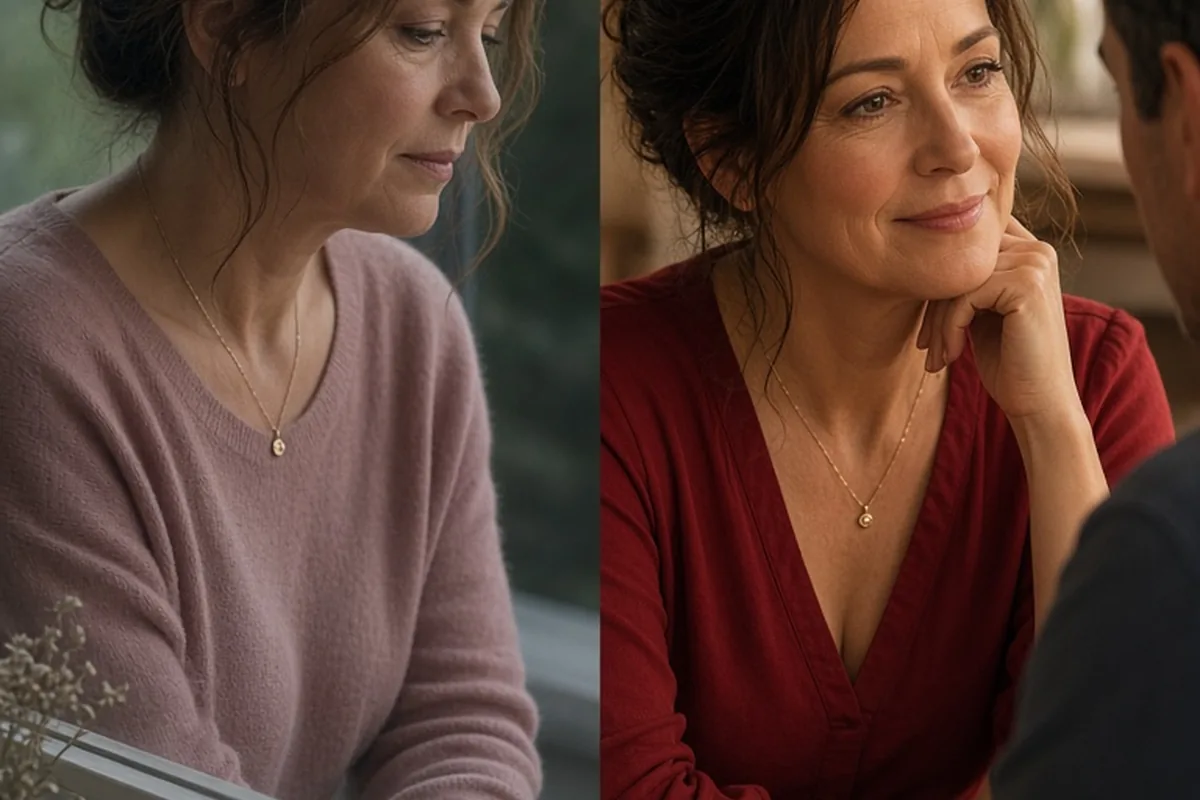
Dating as a widow requires balancing honoring your past with remaining emotionally available to someone new. Readiness is not about eliminating grief entirely, but about being able to offer curiosity, time, and emotional presence to a partner without constantly measuring them against your late spouse. Setting clear pacing, communicating your background candidly, and establishing healthy boundaries allow romance to flourish alongside cherished memories.
Re-entering the dating world after losing a spouse or life partner can feel disorienting, exciting, and deeply vulnerable all at once. Whether you have been on your own for one year or ten, stepping into modern dating asks you to balance personal history with the desire for companionship, intimacy, and shared joy.
Recognizing Signs of True Readiness to Date
A common misconception about dating after bereavement is that you must reach a state of complete emotional resolution before meeting anyone new. In reality, grief rarely disappears entirely; instead, it changes shape and integrates into your ongoing life. Readiness is less about the absence of sadness and more about the presence of genuine curiosity toward another human being. If your primary motivation to date is avoiding an empty house or finding an immediate substitute to fulfill an old routine, you risk entering encounters with expectations that no new person can satisfy.
Healthy readiness often reveals itself in small, observable shifts. You might notice an interest in learning about someone else's opinions, background, and quirks without immediately filtering everything through your late partner's preferences. You also possess the emotional bandwidth to handle the routine awkwardness of dating, such as an unreturned text or an incompatible match, without feeling shattered. When you can experience personal happiness or romantic attraction without being overwhelmed by immediate remorse, you have created sufficient internal space to welcome someone new.
Communicating Your Widowed Status with Clarity and Confidence
Deciding when and how to disclose that you are widowed is a frequent dilemma. In modern dating apps, some people prefer stating it briefly in their profile bio to set expectations upfront, while others prefer sharing it in person during a first or second conversation. Neither approach is wrong, but clarity prevents misunderstandings. Framing your history with steady self-respect signals that your past was meaningful, but your present focus is on building a genuine connection.
A helpful conversational approach is concise and grounded. You might say something like, I was married for twelve years and lost my partner four years ago. It was a meaningful chapter of my life, and now I am genuinely excited to meet someone new and see where things lead. This framing provides necessary context without placing the burden of emotional caretaking on your date. It invites respect, clarifies your relationship status, and steers the dialogue naturally back to mutual interests and shared experiences.
Breaking the Reflex of Constant Comparison
It is entirely natural for the human brain to use familiar reference points when evaluating new experiences. However, comparing a new acquaintance to a deceased spouse creates an impossible standard. Over time, memories of a lost partner often become idealized, preserving their finest qualities while softening the memory of daily conflicts or compromises. When a new date displays ordinary human flaws, nervous habits, or differing tastes, measuring them against a polished memory guarantees disappointment.
To break this reflex, practice observing each person as an individual with an entirely distinct personality and history. If a date chooses a restaurant you dislike, tells a joke that lands flat, or handles logistics differently than your former partner did, treat those moments as personal traits to assess on their own merits rather than shortcomings. Ask yourself whether you enjoy how you feel in this person's company right now, rather than whether they mirror the dynamic of your previous relationship.
Navigating Physical Intimacy and Emotional Vulnerability
Reintroducing physical touch and sexual intimacy can stir unexpected waves of emotion. For many widowed individuals, being close to someone new can trigger sudden feelings of disloyalty, sadness, or vulnerability, even when the desire for closeness is mutual and strong. These emotional responses do not mean you made a mistake; they simply reflect the deep association your mind and body have with your past connection.
Clear communication and measured pacing are vital tools for managing these moments. You do not need to deliver an exhaustive emotional disclosure to set a healthy boundary. You can simply state that you prefer to take physical steps slowly. If an emotional wave arises during intimacy, taking a brief pause, breathing steadily, and staying anchored in the physical reality of the present moment can help you regain equilibrium. A considerate partner will respect your comfort level without applying pressure or taking your pacing personally.
Handling Reactions from Family, Friends, and In-Laws
Dating again often provokes opinions from adult children, extended family, and former in-laws. Loved ones frequently process their own ongoing grief through protective instincts, which can manifest as unsolicited advice, hesitation, or subtle judgment about your timing. While their feelings often stem from care or unresolved pain, your romantic life is an autonomous adult choice that belongs entirely to you.
Establish boundaries that are firm yet empathetic. Acknowledge their perspective without granting them veto power over your decisions. For instance, explaining that you value their feelings while gently reaffirming your need for personal companionship keeps communication respectful without compromising your independence. When it comes to introducing a new partner to family members, wait until the relationship has demonstrated consistent stability and mutual commitment over time.
Identifying Constructive Qualities in New Partners
Not every potential partner has the emotional maturity to date a widowed individual. Building a sustainable relationship requires finding someone who is secure in themselves and comfortable with the fact that your past played a significant role in shaping who you are today. Recognizing healthy relational markers early on protects your time and emotional energy.
Look for clear signs of security and mutual respect during early conversations and dates, while remaining alert to behaviors that indicate insecurity or hidden agendas.
- Green Flag: Demonstrates quiet security by listening to your background without showing jealousy or trying to compete with a memory.
- Green Flag: Respects your stated boundaries around pacing, personal space, and family introductions without resentment.
- Red Flag: Demands that you remove all traces, photos, or mentions of your late partner immediately to prove your commitment.
- Red Flag: Adopts a savior complex, assuming you need emotional rescuing rather than treating you as an equal partner.
Creating New Traditions Without Erasing the Past
A healthy second chapter does not require wiping away evidence of your previous life. It is entirely possible to maintain meaningful keepsakes, celebrate significant memorial dates, and hold private affection for your late spouse while building an authentic, vibrant romantic life with someone new. The key lies in maintaining distinct emotional containers for both experiences.
Focus on creating novel rituals with your new partner rather than merely inserting them into the exact routines you shared in your past marriage. Explore new neighborhoods, travel to unfamiliar destinations, and develop shared jokes and traditions that belong solely to this connection. This intentional separation allows the new relationship to grow on its own foundation of shared experiences rather than living in the shadow of the past.
Illustrative Scenarios
Navigating Sudden Grief on a Dinner Date
Mark, a 46-year-old widower of three years, was enjoying a pleasant third date at a neighborhood bistro. When the waiter brought a specific pasta dish his late wife used to cook, Mark felt a sudden surge of sorrow and became quiet and withdrawn. Sensing the sudden chill, his date appeared uncomfortable and assumed Mark had lost interest in her. Recognizing the misunderstanding, Mark took a breath, acknowledged that a fleeting memory had caught him off guard, and deliberately asked his date to finish her story about her weekend hiking trip. The warmth immediately returned to the table.
Key point: Briefly acknowledging an emotional spike without getting derailed keeps communication open and reassures your date that you remain engaged in the present moment.
Establishing Boundaries Around Timelines
Sarah, widowed for four years, began seeing someone who frequently questioned why she still had family photos displayed in her home hallway. Her date hinted that keeping them showed she was not truly serious about moving forward. Sarah initially felt pressured to take them down to prove her interest, but she realized this demand disregarded her pace and her children's comfort. Instead of complying or escalating the argument, Sarah calmly explained that her family history was a permanent part of her home, and she realized his insecurity was incompatible with the balanced partnership she wanted.
Key point: A partner who demands immediate erasure of your past is revealing their own insecurity rather than supporting a healthy, mutual connection.
Frequently asked questions
How long should I wait before dating after my spouse passes away?
There is no universal timeline or prescribed waiting period for dating after loss. Readiness depends on your emotional capacity, your ability to engage with a new person without constant comparison, and your personal desire for companionship.
Is it normal to feel guilty when enjoying a romantic date?
Yes, experiencing temporary guilt or ambivalence is a very common reaction when re-entering the dating world. Experiencing attraction or happiness with someone new does not diminish the sincerity or depth of the love you had for your late partner.
How should I handle photos and personal keepsakes in my home?
Keep shared spaces balanced and comfortable for everyone. While it is completely reasonable to preserve meaningful keepsakes and family photos, keeping a private space or album for specific intimate items helps create room for a new partner to feel welcomed rather than like an outsider.
Should I only date other widowed individuals?
While dating another widowed person offers shared understanding around grief, emotional compatibility depends primarily on mutual values, communication, and emotional maturity. Many non-widowed partners possess the empathy and security required for a thriving relationship.
Your next step
Take one low-pressure step this week, such as writing down what you want in a companion or meeting an acquaintance for casual coffee, and focus entirely on being present in that single interaction.