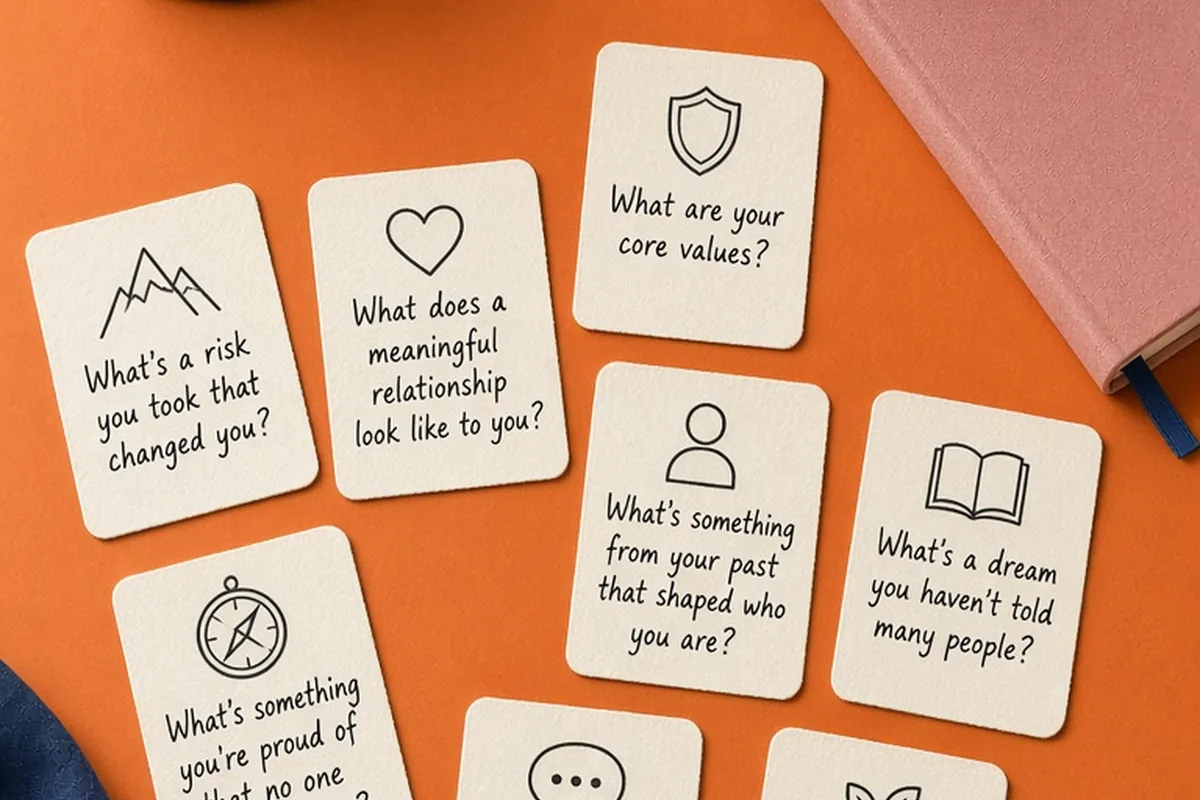
Deep questions to ask a guy focus on core values, formative experiences, personal growth, and long-term priorities rather than surface-level routines. To foster genuine closeness, choose open-ended prompts during calm, unhurried moments, share your own answers candidly, and listen actively without turning the interaction into an interrogation or expecting immediate emotional disclosure.
Moving beyond routine small talk can feel delicate, especially when you want to understand someone on a more thoughtful, authentic level. Asking meaningful questions allows you to explore how a person thinks, what drives his choices, and how he navigates vulnerability, making it easier to determine mutual compatibility and build emotional safety.
Exploring Core Values and Life Decisions
Core values determine how an individual navigates ethical dilemmas, chooses relationships, and spends his time and energy. When you ask a man about the principles that guide his daily decisions, you gain insight into his integrity, his sense of personal responsibility, and what he prioritizes when circumstances become challenging. Questions centered on values move past preferences like favorite movies or hobbies and instead uncover what truly grounds his character.
To introduce these topics naturally, frame your inquiries around real-world applications rather than abstract philosophical theories. For instance, asking him how he decides what is worth standing up for, or what core belief he held in his twenties that has since changed, opens a window into his personal evolution. Listen closely to how he describes tough choices; his response typically reveals whether he values empathy, autonomy, fairness, or loyalty when resolving internal conflicts.
A practical limitation to keep in mind is that discussing values can sometimes feel like an evaluation if introduced too abruptly. If you notice him hesitating, share a personal principle or recent dilemma of your own first to demonstrate that the conversation is a collaborative exploration rather than a test.
- What is a non-negotiable personal principle that you refuse to compromise on?
- How has your definition of a successful, fulfilling life shifted over the past few years?
- What belief or assumption did you grow up with that you eventually chose to abandon?
- When you face a difficult ethical choice, whose perspective or advice do you trust most?
Questions on Ambition, Purpose, and Work-Life Priorities
A man's relationship with ambition, professional achievement, and personal purpose often shapes a significant part of his identity and daily stress levels. Asking targeted questions about his goals allows you to understand what energizes him, how he defines achievement, and whether his professional drive complements his desire for personal well-being and meaningful relationships.
Instead of asking basic questions about his job title or daily tasks, focus on his internal motivations and how he handles setbacks. Prompts about what gives him a sense of accomplishment outside of his career or how he manages prolonged burnout can illustrate his emotional resilience and self-awareness. For example, asking what project or cause he would pursue if financial constraints were entirely removed reveals his innate passions rather than his obligations.
The trade-off with ambition-focused questions is that some individuals tie their self-worth closely to their professional standing. If he is currently facing professional instability or burnout, maintain a supportive, non-judgmental tone so he does not feel measured solely by his occupational output.
- What is a goal you are quietly working toward that few people know about?
- How do you typically recharge when you feel completely overwhelmed by responsibilities?
- If you could master any skill or pursue any creative project without worrying about income, what would it be?
- What does a healthy balance between your career and personal life look like in practice?
Understanding Formative Memories and Personal History
The environments, challenges, and relationships of the past inevitably shape how an adult approaches trust, independence, and emotional intimacy. Learning about a man's formative years provides essential context for his current habits, communication tendencies, and coping strategies. These questions are not meant to uncover unhealed trauma prematurely, but rather to honor the experiences that built his perspective.
Inquire about specific turning points, mentor figures, or childhood moments that left a lasting imprint. Asking about the person who had the strongest positive influence on his character or the hardest lesson he learned during early adulthood invites thoughtful storytelling. Pay attention to the gratitude or self-reflection in his answers, as this indicates a capacity to process life events constructively.
Vulnerability requires pacing and mutual trust. If a question touches upon a difficult family dynamic or painful memory, allow him to share as much or as little as he feels comfortable with, acknowledging his boundaries without probing excessively.
- Who was the most influential role model in your life growing up, and what did they teach you?
- What is a childhood memory that still brings you a strong sense of comfort or pride?
- What was the most significant turning point in your life that changed the direction you were heading?
- What is an experience you went through that was painful at the time but made you stronger long-term?
Navigating Emotional Processing, Conflict, and Boundaries
Every person possesses a distinct emotional landscape, including unique ways of handling frustration, sadness, and interpersonal conflict. Understanding how a man regulates his emotions and establishes personal boundaries is essential for fostering a stable, secure connection. These questions reveal how he approaches accountability, communication under pressure, and emotional recovery.
Ask direct yet respectful questions about how he prefers to communicate during disagreements and what support he finds most helpful when dealing with stress. For instance, asking whether he tends to need immediate dialogue or quiet time to process his thoughts prevents misunderstandings during future conflicts. Similarly, discussing what actions make him feel most respected and emotionally secure helps build mutual empathy.
Remember that emotional awareness varies widely based on individual background and personal growth. Focus on his willingness to communicate openly and resolve issues collaboratively rather than expecting an idealized or textbook response.
- When you are upset or overwhelmed, do you prefer personal space to process, or do you prefer talking through it right away?
- What is the most effective way someone can support you when you are going through a difficult week?
- How do you know when a personal boundary has been crossed, and how do you usually address it?
- What does healthy, productive conflict look like to you in a close relationship?
Perspectives on Romance, Partnership, and Commitment
Conversations about partnership allow both people to clarify what commitment, romance, and shared life building mean to them. Discussing these topics helps ensure that both individuals hold compatible views on trust, mutual effort, and daily companionship, preventing misaligned expectations later in the relationship.
Frame these questions to explore his philosophy on long-term partnership rather than extracting immediate relationship definitions. Asking what he considers the foundation of enduring trust, or how he demonstrates affection when life gets busy, reveals his practical understanding of romance. His answers can highlight whether he views partnership as a collaborative team effort requiring consistent care and emotional honesty.
Keep in mind that talking about partnership should be a mutual exploration of values rather than a covert attempt to pressure a specific commitment timeline. Keep the dialogue light, curious, and grounded in mutual respect.
- What does genuine emotional safety in a romantic partnership look like to you?
- How do you prefer to give and receive affection during regular, everyday moments?
- What qualities do you think are most important for keeping a relationship strong over many years?
- What is a misconception people often have about romance that you personally disagree with?
Creating the Right Environment for Meaningful Conversation
The environment and timing of a conversation often determine how comfortably a person opens up. Attempting to initiate deep, philosophical dialogues during stressful moments, in crowded environments, or right before a major deadline can lead to defensive or abbreviated answers. True vulnerability emerges when both individuals feel unhurried, comfortable, and free from distraction.
Choose settings that naturally foster ease and focus, such as a long walk, a quiet evening drive, or a relaxed dinner at home. Pair your questions with active listening, which means giving him space to finish his thoughts without interrupting, reframing, or jumping in to offer unsolicited solutions. When he shares something personal, validate his perspective and contribute your own genuine experiences to maintain equal emotional investment.
Be mindful not to turn the conversation into a one-sided interview. A healthy deep dialogue involves balanced back-and-forth sharing where curiosity flows in both directions, allowing both participants to feel equally seen and valued.
Illustrative Scenarios
Transitioning from Surface Banter to Emotional Depth
Elena noticed that her conversations with Marcus often stayed focused on work schedules, current events, and social media commentary. During a relaxed weekend drive, rather than asking a broad question about his feelings, she asked what childhood lesson had proven most useful in his adult life. Marcus paused, reflected, and shared a story about his grandfather's discipline and the pressure he felt as the oldest sibling. Elena listened attentively without interrupting, sharing a brief memory of her own in return. The exchange initiated a much deeper, recurring pattern of mutual vulnerability between them.
Key point: Specific, reflective questions asked during low-pressure settings encourage natural self-disclosure more effectively than abstract or demanding emotional prompts.
Navigating Boundary Differences During Conflict
During an unresolved disagreement, Maya wanted to talk through the details immediately, while Jordan grew quiet and visibly withdrawn. Instead of pushing for an instant resolution, Maya later asked Jordan how he prefers to process difficult emotions when feeling overwhelmed. Jordan explained that he needed thirty minutes of quiet reflection to organize his thoughts so he would not speak out of frustration. Understanding this allowed Maya to give him space without feeling rejected, and Jordan committed to returning to the conversation once he had collected his thoughts.
Key point: Discussing emotional processing styles outside the heat of an argument builds mutual understanding and prevents minor misalignments from escalating into chronic conflict.
Frequently asked questions
When is the best time to ask deep questions to a guy?
The most effective time is during quiet, low-stress environments where neither person is rushed or distracted, such as a casual walk, a long drive, or a relaxed evening. Avoid bringing up emotionally heavy topics during active conflicts, busy workdays, or in crowded group settings.
What should I do if he gives brief or closed-off answers?
Acknowledge his response warmly without pressing for immediate elaboration, as pressure often increases emotional withdrawal. Share your own perspective or answer to the question naturally to model openness, and give him the time and space to contribute when he feels ready.
How can I prevent the conversation from feeling like an interrogation?
Ensure the interaction is a balanced dialogue rather than a series of rapid-fire questions. Follow up on his answers with genuine observations, share your own experiences and vulnerabilities, and allow comfortable pauses between topics.
Are these questions appropriate for early dating stages?
Yes, provided you choose questions suited to the current level of acquaintance, such as inquiries about interests, aspirations, and values. Save highly sensitive topics regarding personal trauma or past relationship heartbreaks until mutual trust and rapport have been firmly established.
Your next step
To build a stronger emotional bond, choose one thoughtful, open-ended question that resonates with you and introduce it during your next relaxed, one-on-one conversation, offering your own candid answer in return.