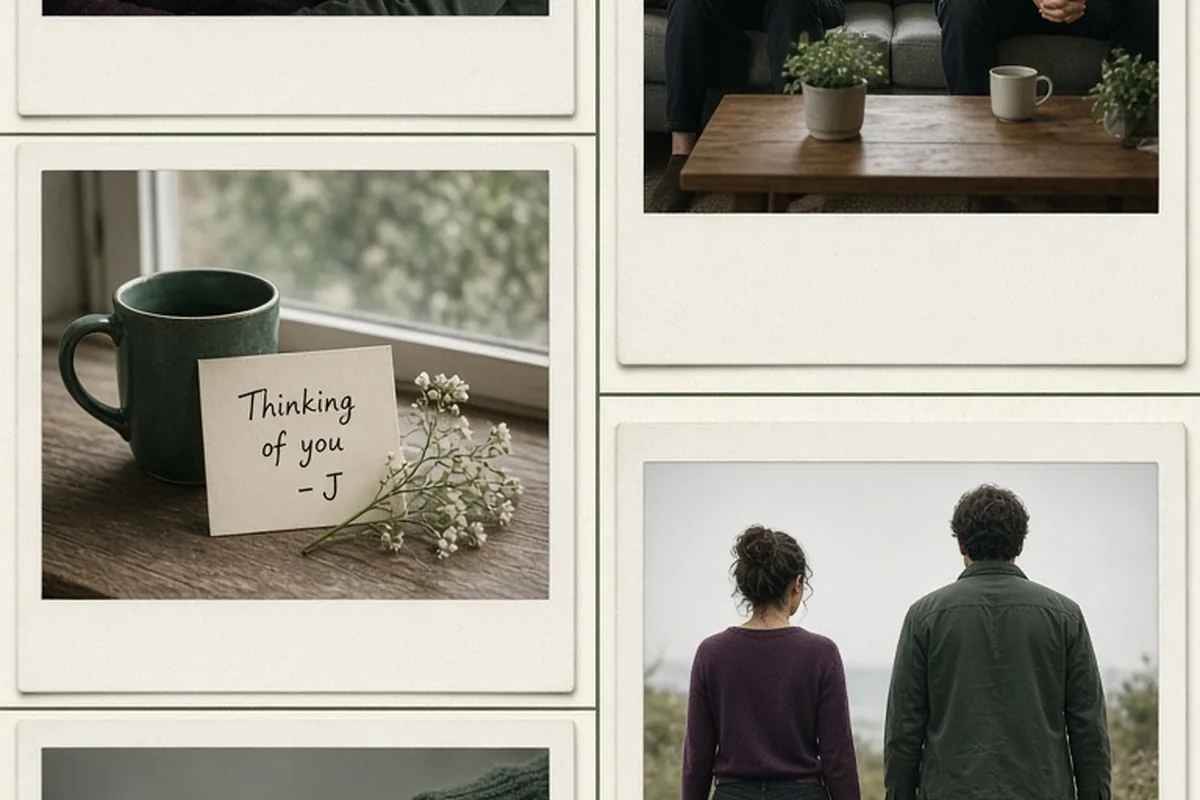
Different affection styles are the distinct ways individuals give and receive emotional warmth, care, and closeness. While one person might value physical touch and spoken affirmations, another expresses love through practical help, quality time, or thoughtful tokens. Relationship tension often happens not from an absence of love, but from failing to recognize and translate your partner's natural expression into your own emotional language.
Most relationship friction over affection is not caused by a lack of genuine caring, but by a basic communication gap where both people are trying hard while speaking entirely different emotional dialects.
The Common Ways People Give and Receive Affection
Affection is rarely one-size-fits-all. People typically lean toward a few dominant modes of expression: physical warmth such as hugs, holding hands, and gentle touch; verbal encouragement and compliments; dedicated, undistracted time spent together; supportive acts like taking over a chore or handling a stressful task; and small, meaningful gifts or tokens of appreciation. Each style represents an intentional way of signaling safety, devotion, and romantic interest.
The challenge arises when people assume their own default style is universal. A partner who expresses devotion through acts of service might spend an hour repairing a squeaky door or packing a thoughtful lunch, viewing that effort as a deep statement of care. If their partner primarily feels valued through verbal praise or spontaneous physical embraces, that home repair might register merely as routine maintenance rather than an emotional offering. Recognizing that care manifests in diverse behaviors is the first step toward avoiding needless misunderstandings.
Why Style Mismatches Create Frustration and Resentment
When affection styles do not naturally align, partners often misinterpret stylistic differences as personal rejection or apathy. A person who craves frequent physical proximity or spoken reassurance might view a quieter, less tactile partner as distant, cold, or emotionally checked out. Conversely, the more reserved partner may feel scrutinized, judged, or pressured to perform emotional displays that feel unnatural, leading to defensiveness and withdrawal.
This dynamic frequently fuels a painful cycle of scorekeeping and resentment. One person feels starved for their preferred form of connection, while the other feels unappreciated for the genuine effort they are already making. Over time, both partners may stop trying altogether, convinced that their partner simply does not care. In reality, the breakdown is rarely about a lack of commitment; it is an issue of unacknowledged translation.
How to Identify Your Natural Patterns and Your Partner's Cues
Uncovering your affection style requires looking past what you think you should want and observing what actually makes you feel secure and valued. Consider what hurts most when it is missing during a stressful week. If silence feels agonizing, verbal validation is likely central for you. If a messy house or neglected errand creates a feeling of abandonment, practical support is likely your primary gauge of connection. Paying attention to what you spontaneously do for others also reveals your baseline emotional language.
To understand your partner, look at how they naturally attempt to comfort you or show enthusiasm. Do they reach for your hand when you are stressed, or do they offer to make you a cup of coffee and manage your schedule? Do they plan focused outings, or do they write thoughtful notes? Observing their unprompted behavior over several weeks provides a far clearer map of their inner world than expecting them to guess what you need or demanding an immediate transformation.
Translating Intentions Without Demanding Personality Changes
Bridging an affection gap does not require either partner to overhaul their core personality. Instead, it involves developing deliberate translation skills. Translation means learning to see the affection behind an unfamiliar gesture. When your partner washes your car before a long drive, you actively choose to interpret that practical action as an expression of love, rather than dismissing it because it did not come with an emotional speech.
At the same time, healthy relationships involve a willingness to stretch slightly outside personal comfort zones. Stretching does not mean adopting an exhaustive routine that feels completely foreign or exhausting. It means offering small, intentional micro-gestures tailored to what your partner actually values. A five-second genuine hug before leaving for work or a brief text acknowledging their hard day requires minimal energy but delivers significant emotional reassurance to someone whose style leans toward physical or verbal affirmation.
Expressing Your Emotional Needs Clearly and Constructively
Asking for affection often feels vulnerable, which leads many people to resort to passive-aggressive remarks or broad criticisms like 'You are never romantic' or 'You never touch me.' These sweeping accusations usually trigger defensiveness rather than warmth. A far more effective approach is to make positive, actionable requests that give your partner a clear path to succeed without feeling attacked.
Frame your requests around specific desires and the positive feelings they generate. For example, saying, 'I really love it when we sit on the couch together for ten minutes after work without our phones; it helps me feel connected to you,' provides clear guidance and positive reinforcement. Clear requests remove the guesswork and prevent your partner from feeling overwhelmed by ambiguous expectations.
Differentiating Stylistic Differences from Emotional Withdrawal
While differing affection styles are common and manageable, it is essential to distinguish between an authentic difference in expression and genuine emotional detachment. A partner with a different style will still show consistent engagement, respect boundaries, and demonstrate willingness to find common ground, even if their natural gestures differ from your own. The warmth and investment remain present, even if the delivery is unfamiliar.
In contrast, true emotional withdrawal, chronic indifference, or stonewalling involves a persistent lack of interest in the relationship's health and a refusal to acknowledge the other person's emotional reality. If someone consistently dismisses your vulnerability, uses their preferred style as an excuse to ignore your well-being, or withdraws affection as a form of control or punishment, the issue goes beyond communication styles and reflects deeper relational health concerns.
Illustrative Scenarios
Navigating Daily Reconnection After Work
Marcus felt increasingly disconnected from his partner, Elena, when arriving home from work. He valued quiet decompression followed by physical closeness, whereas Elena immediately shared detailed stories about her workday and asked Marcus to tackle household tasks. Marcus initially interpreted her direct task requests as demanding and unloving, while Elena felt ignored when Marcus withdrew to the other room. After a calm conversation, Marcus realized Elena's sharing and organizing were her ways of inviting him into her daily world. They agreed on a simple fifteen-minute buffer when arriving home, followed by a shared hug and brief check-in before tackling chores.
Key point: Small structural adjustments and recognizing a partner's domestic planning as an invitation to connect can resolve daily friction without either person feeling neglected.
Reframing Meaningful Gestures During Stress
David noticed his partner, Sarah, rarely initiated verbal compliments or sent sweet messages throughout the day, which left him questioning her attraction. He initially assumed she was losing interest. However, when observing her actions during a demanding week, he noticed she routinely filled his gas tank, prepared his favorite snacks, and quietly handled shared errands so he could rest. Instead of demanding sudden romantic declarations, David openly thanked her for her practical care and asked for one brief morning touch before leaving. Sarah gladly agreed, and David felt reassured by recognizing the quiet support she had offered all along.
Key point: Acknowledging a partner's practical contributions builds mutual goodwill and makes simple, targeted requests for verbal or physical affection much easier to fulfill.
Frequently asked questions
Can two people with completely opposite affection styles have a successful relationship?
Yes, contrasting affection styles can work well if both individuals are willing to communicate openly, recognize each other's native expressions of care, and make moderate adjustments. Success depends on mutual respect and emotional generosity rather than having identical natural tendencies.
How do I ask my partner for more physical touch without making them feel pressured?
Frame your request around positive appreciation rather than criticism. Describe specific, low-pressure forms of connection, such as holding hands during a walk or sharing a brief hug before parting, and emphasize how secure and happy those moments make you feel.
What should I do if my partner ignores my preferred affection style after I have explained it?
Have a focused, compassionate conversation to check if they felt overwhelmed by the request or unclear on what to do. If they understand your needs but repeatedly refuse to make any effort or dismiss your feelings entirely, evaluate whether this reflects a broader pattern of emotional neglect.
Can an individual's affection style change over time?
Yes, affection preferences can shift depending on life stages, stress levels, parenting demands, or personal growth. Regularly discussing how you both best feel supported ensures you stay attuned to each other's evolving emotional needs.
Your next step
Take ten minutes this week to observe your partner's natural expressions of care without judging them, and share one small, specific gesture that helps you feel deeply valued.