DIY 20th anniversary gifts for him succeed when they balance meaningful personal history with craftsmanship that matches his everyday tastes. Traditional twentieth-anniversary presents center on china or porcelain, while modern guidelines spotlight platinum. You can honor these milestones by crafting a customized ceramic catchall, assembling a restored vintage item using platinum-toned hardware, or compiling an archival twenty-year memory box that documents your shared milestones with handwritten notes and private photographs.
Reaching two decades of marriage represents enduring resilience, shared growth, and deep familiarity. Crafting a handmade gift offers a personal touch that store-bought luxury items often lack, transforming everyday materials into tangible reminders of your twenty-year history together.
Adapting the Traditional China Theme Through Ceramic Crafts
The traditional twentieth-anniversary gift is china, a material chosen historically to symbolize both the delicate care required to preserve a marriage and the enduring strength of a relationship that has weathered twenty years. For a do-it-yourself project, you do not need access to a commercial pottery studio or an industrial kiln to produce a refined ceramic piece. You can purchase pre-fired ceramic blanks, such as plain white porcelain catchall trays, coffee mugs, or shaving bowls, and customize them using specialized porcelain paint pens or food-safe ceramic glazes cured in a standard home oven.
A practical approach involves crafting a dedicated valet tray for his nightstand or desk. Begin by degreasing an unglazed or glazed porcelain dish with isopropyl alcohol. Using an oil-based ceramic paint marker, sketch an outline of a map featuring the coordinates where you first met or married, or write out meaningful phrases, coordinates, and dates. Bake the item according to the paint manufacturer's specific instructions, typically around 300 degrees Fahrenheit, to set the pigment permanently. While porcelain markers are durable, they can scratch under abrasive cleaning, so treat the finished project as decorative or hand-wash only.
Another compelling ceramic method is modern kintsugi, the traditional Japanese art of repairing broken pottery with lacquer dusted with powdered gold, silver, or platinum. If you have an older, chipped plate from your early years together or find a vintage stoneware dish at an estate sale, you can intentionally divide it along existing fractures and reassemble it using high-bond two-part epoxy blended with fine metallic mica powder. This technique highlights the beauty of repaired imperfections, serving as an explicit visual metaphor for two decades of overcoming obstacles together.
Working with Platinum and Metallic Accents for a Modern Aesthetic
Modern anniversary tables recognize platinum as the standard theme for twenty years, reflecting its rarity, resistance to tarnish, and structural integrity. Working with actual solid platinum requires professional metallurgical tools and intense heat, but you can incorporate platinum-toned metals, such as stainless steel, nickel, aluminum, and silver leaf, into polished home goods that carry the same symbolic weight without commercial machinery.
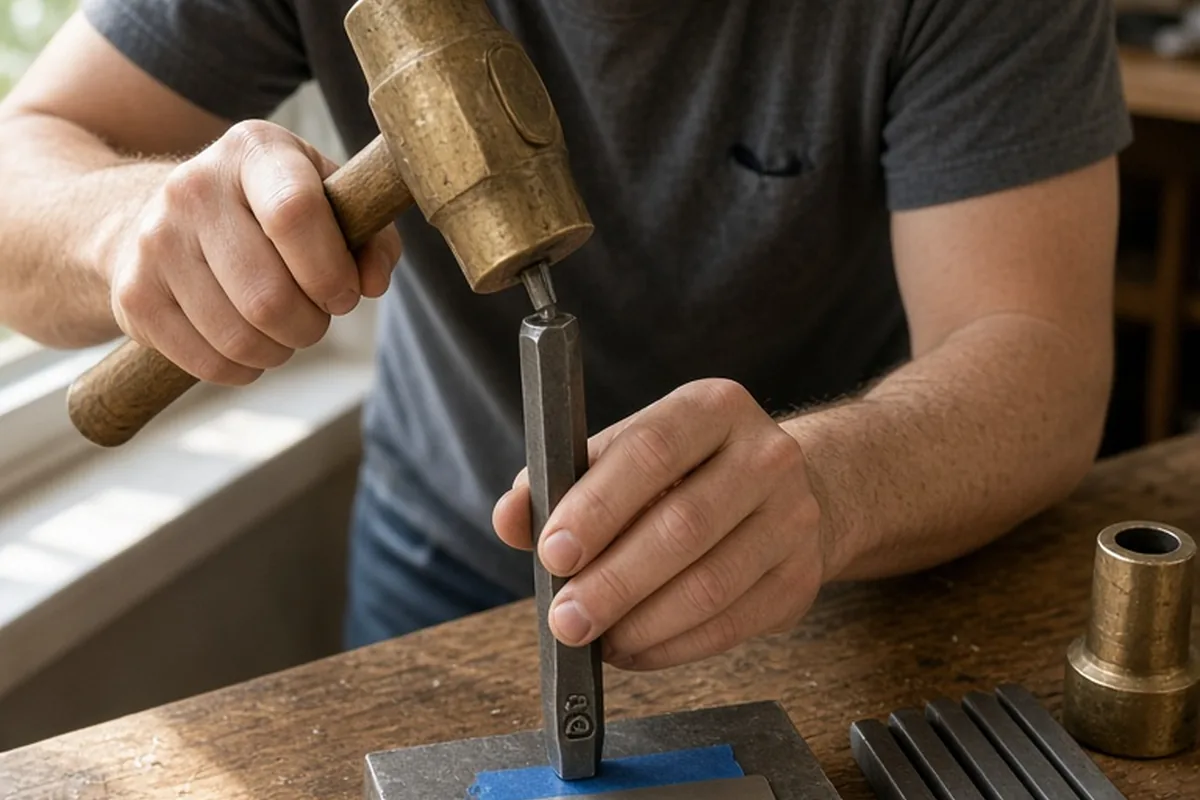
Consider stamping custom metal keychains or luggage tags using hardened steel letter punches and a heavy brass mallet. Secure a thick nickel-silver or stainless steel blank to a steel bench block using painter's tape to prevent slipping. Hammer each letter into the surface, spacing the characters evenly to spell out an inside reference, significant dates, or the latitude and longitude of your home. After stamping, run a black enamel acrylic marker into the indentations and wipe the excess away with a microfiber cloth to make the typography stand out sharply against the polished metal.
If he prefers items for an office or workshop, you can upgrade a handmade wooden frame or desk organizer with genuine platinum-toned leaf. Apply a thin coat of water-based adhesive size to the bevels of a solid oak or walnut box, wait until it turns tacky, and carefully position sheets of imitation platinum or silver leaf with a soft dry brush. Seal the leaf with a non-yellowing acrylic clear coat to prevent oxidation. While metalworking requires steady patience and protective eyewear, the resulting contrast between organic wood grain and crisp metallic shine produces an elegant, professional finish.
Assembling an Archival Twenty-Year Memory and Milestone Box
Over twenty years, couples accumulate dozens of fragile paper artifacts, such as ticket stubs, handwritten notes, boarding passes, and program brochures, that often end up buried in shoeboxes or digital folders. A dedicated archival memory box consolidates these fragments into an intentional, narrative keepsake that honors your joint history in chronological sequence.
Start with an unfinished wooden cigar box or document chest made from cedar, pine, or birch. Sand the exterior smooth using progressively finer sandpaper grits, then apply an oil-based stain and clear protective wax. Inside the lid, mount a favorite photograph from your first year alongside an image from your twentieth year. Organize the interior using twenty distinct, acid-free envelopes or cardstock dividers, each representing a single calendar year of your marriage. Inside each divider, place one or two preserved artifacts alongside a short note detailing a specific private memory, a funny mishap, or a major challenge you navigated together during those twelve months.
The key limitation of this project is time and emotional bandwidth; sorting through twenty years of memorabilia can easily lead to decision fatigue. To keep the project manageable and focused, limit yourself strictly to one or two items per year rather than attempting to catalog every trip or holiday. This restraint ensures the box remains a curated narrative rather than an overwhelming pile of paperwork, allowing him to revisit individual years without feeling inundated by clutter.
Crafting Functional Leather Goods Built to Age Gracefully
Leather projects are ideal for husbands who appreciate durable, functional everyday goods that develop character through daily wear. Hand-stitched full-grain leather complements the milestone theme of longevity, as vegetable-tanned hides often last for decades when maintained with basic conditioners. If you have never worked with leather, beginner-friendly projects like a passport wallet, a custom watch strap, or an EDC (everyday carry) pocket slip require minimal specialized equipment.
To build a structured leather valet tray, cut an eight-inch square from five-to-six-ounce vegetable-tanned leather. Dampen the leather slightly with clean water to make it pliable, then bevel the outer edges using an edge beveler. Punch matching holes in each of the four corners and secure them with solid brass, nickel, or silver rivets to form a shallow dish that holds keys, pocketknives, and loose change. You can use an alphabet stamp set to impress your wedding date or initials into the center grain while the hide is damp, allowing the markings to dry permanently into the leather.
While leather crafting is forgiving with regard to structural longevity, precision cutting is essential. A misaligned ruler or a dull utility blade will leave jagged edges that cannot easily be smoothed down. Invest in a fresh rotary cutter, an acrylic quilting ruler, and a wooden burnishing stick paired with gum tragacanth or beeswax to achieve clean, glassy edges that give your handmade piece an artisanal appearance.
Designing an Experiential Retrospective of Twenty Future Dates
A milestone anniversary gift does not have to be an object that sits on a shelf; it can focus on shared time and continuing companionship. An experiential gift book or activity collection addresses the common reality of busy long-term marriages, where daily routines, career obligations, and family responsibilities can crowd out intentional shared downtime.
Construct a personalized wooden box or bound leather binder containing twenty sealed envelopes, each housing a complete plan for a distinct date or excursion. Categorize the cards to suit varied schedules and budgets, including small weeknight rituals, local weekend day trips, and higher-effort adventures you have deferred over the past few years. For example, design one card around a customized tasting night where you source craft beers or coffees representing four specific cities you visited together during your marriage, accompanied by a custom playlist from that era.
The potential pitfall with date collections is open-ended ambiguity; cards that merely say 'dinner at a nice restaurant' frequently go unused. Ensure every date card includes specific actionable elements, such as a prepaid gift card, clear logistical parameters, or confirmed reservations that you have already organized. Pair the vouchers with a commitment to manage the planning, which relieves him of decision-making and makes each activity effortless to carry out.
Managing Production Timelines, Materials, and Workspace Setup
The difference between a polished homemade gift and an unfinished or messy project frequently comes down to workflow management rather than raw artistic talent. Many DIY methods, such as curing resin, waiting for wood glue to cure, or baking enamel paints, require mandatory downtime between construction steps that cannot be rushed without ruining structural integrity.
Establish a realistic working calendar at least three to four weeks before your anniversary date. If you are learning a new technique, such as leather stitching or glass etching, purchase spare material blanks so you can complete one or two test runs before working on the final piece. Practicing on scraps allows you to calibrate hammer pressure, test adhesive tackiness, and identify errors early without ruining your main materials.
Maintain a dedicated, well-ventilated workspace out of sight to preserve the surprise. Store items requiring extended dry times, like stained wood or clear-coated ceramics, in dust-free plastic storage containers so airborne particles do not settle into wet finishes. Taking these practical precautions ensures that the final result looks crisp, deliberate, and worthy of marking twenty years of partnership.
Frequently asked questions
What if I do not have advanced craft tools or workshop space?
Focus on paper, leather assembly kits, or surface decoration rather than heavy fabrication. Projects like an archival milestone binder, custom stamped metal tags, or hand-painted porcelain mugs require only a clean table, basic hand tools, and standard household supplies.
How can I combine both the traditional china and modern platinum themes into one project?
You can merge the themes seamlessly through modern kintsugi or metallic detailing on ceramics. For instance, paint or leaf a white porcelain dish with silver- or platinum-toned enamel accents, honoring both milestones in a single cohesive keepsake.
How long does a typical DIY anniversary project take from start to finish?
Most projects take between three and ten hours of active work spread across several days to accommodate drying, curing, and polishing. Planning three to four weeks ahead provides ample buffer for test runs, ordering specialty supplies, and troubleshooting any mistakes.
Your next step
Choose one project format that aligns with his daily routines, order your raw materials this week, and set aside two uninterrupted evenings to complete test runs before assembling the final piece.