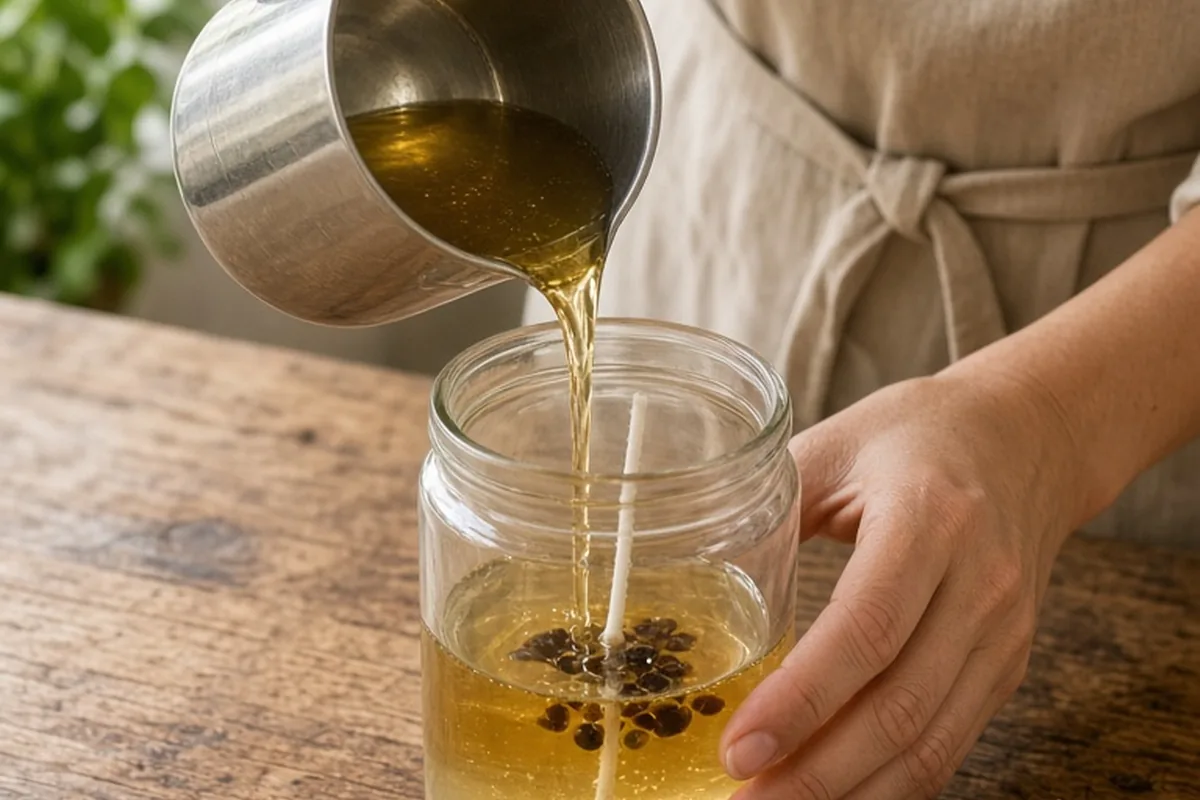
DIY birthday gifts are handmade presents crafted using personal skills, common materials, and intentional design to celebrate someone's special day. Effective homemade gifts focus on utility, sentiment, or shared experiences, ranging from infused culinary goods and hand-poured candles to customized photo keepsakes and knitwear. Success comes from matching the project complexity to your available timeline, budget, and skill level while tailoring the finished item to the recipient's daily habits.
Choosing to make a birthday gift rather than purchasing a mass-produced item allows you to offer something tailored directly to a recipient's preferences. A well-executed handmade project demonstrates deliberate care, transforming simple raw materials into a functional or sentimental keepsake that fits seamlessly into their daily life.
Aligning Gift Concepts with Your Crafting Skill and Timeline
The most critical step in planning a homemade gift is an honest assessment of your available time, budget, and technical ability. Many craft projects stall because creators underestimate drying times, learning curves, or material costs. A beginner attempting an intricate woodworking piece or an advanced tailoring project under a tight deadline often experiences unnecessary stress, which can lead to rushed assembly and structural flaws. By selecting a medium where you already have foundational knowledge, you increase the likelihood of producing a polished, durable finished product.
To manage your schedule effectively, divide the project into distinct phases: sourcing supplies, initial assembly, curing or finishing, and final packaging. For instance, cold-process soap requires four to six weeks of curing before it is safe to use, whereas a custom blended spice rub or a decorated photo mat can be completed in a single afternoon. If you have less than forty-eight hours before the celebration, prioritize dry crafts or straightforward culinary gifts that do not rely on extended setting periods or specialized equipment.
Consider also the recipient's personal lifestyle and storage capacity. A thoughtful gift fits effortlessly into their home without creating clutter or demanding complex maintenance. Tailoring the physical scale of your gift to their living space ensures that your effort is appreciated over the long term, rather than becoming an obligation they feel guilty storing away.
Handmade Culinary Treats and Gourmet Pantry Staples
Culinary gifts provide immediate practical value, making them an excellent choice for friends, coworkers, and family members who appreciate good food. Unlike decorative objects that require specific aesthetic matching, gourmet consumables are enjoyed directly and leave behind no permanent footprint. Creating high-end pantry staples allows you to experiment with flavors while packaging the results in reusable glass jars, bottles, or tins that look sophisticated on a kitchen counter.
Consider making small-batch infused finishing salts, compound butters, or custom spice blends. For an elevated grilling blend, you might combine coarse smoked sea salt, cracked black peppercorns, dried garlic, smoked paprika, and dried rosemary. Package the mixture in an airtight spice jar and attach a handwritten card suggesting pairings, such as roasted root vegetables or grilled meats. Alternatively, fruit preserves, homemade vanilla extract made with whole beans and neutral spirits, or layered dry baking mixes provide a visual appeal through their distinct colors and textures.
When preparing edible gifts, food safety and allergen awareness are paramount. Ensure all glassware and utensils are thoroughly sterilized before filling, and clearly list all ingredients on the label to protect recipients with dietary restrictions. Be mindful of moisture content; oil-based infusions containing fresh garlic or herbs carry botulism risks if not prepared and refrigerated according to established food safety guidelines, so stick to dried aromatics or shelf-stable vinegar infusions for unrefrigerated gifting.
Sentimental Keepsakes and Visual Memory Projects
Memory-focused creations celebrate shared history, milestones, and personal bonds in ways commercial gifts cannot replicate. These projects derive their value from emotional relevance rather than material cost, making them deeply meaningful for close friends, romantic partners, and family members. The key to a successful keepsake is curation; focusing on a handful of significant moments is far more impactful than assembling an overwhelming volume of unorganized photos.
One accessible project is a curated recipe journal. Gather cherished family recipes or favorite meals you have shared with the recipient, transcribe them onto heavy cardstock, and bind them within a sturdy cloth binder or wooden cover. Leave blank pages at the back so the recipient can continue expanding the collection. Another compelling option is a framed map collage highlighting locations of shared milestones, such as hometowns, travel destinations, or the neighborhood where you first met.
A common pitfall with sentimental projects is durability. Standard printer paper and non-archival glues yellow and degrade over time. Use acid-free adhesives, archival-quality photo paper, and UV-filtering glass frames when building physical displays. If you choose to make a memory jar filled with handwritten notes, select thick parchment slips and a sturdy jar with a tight-fitting cork or metal lid so the notes remain pristine for years.
Functional Home Accents and Self-Care Goods
Handmade lifestyle and home decor items bridge the gap between creative craftsmanship and everyday utility. When you create goods designed for personal relaxation or home organization, you offer a tangible comfort that the recipient can incorporate into their routine. Focusing on neutral color palettes and subtle, natural scents helps ensure your creation complements their existing home environment.
Hand-poured soy wax candles are a versatile project that suits crafters of varying experience levels. Using a clean glass vessel or ceramic tumbler, secure a cotton wick to the base, melt natural soy wax flakes to the manufacturer's recommended pouring temperature, and stir in essential oils such as lavender, cedarwood, or sweet orange before pouring. Similarly, nourishing body scrubs made from granulated sugar, sweet almond oil, and ground colloidal oatmeal can be prepared in minutes and stored in airtight glass containers for bath-side use.
Safety and skin sensitivity are the primary considerations when formulating self-care items. Always maintain essential oil concentrations below recommended usage rates (typically one to two percent of the total recipe volume) to prevent skin irritation. Include a simple ingredient tag on the container, and use leak-proof lids to prevent oil seepage during transit or storage.
Textile, Fiber, and Wearable Craft Projects
Textile crafts allow you to create warm, tactile items that serve functional purposes across different seasons. From hand-stitched linen accessories to knitted winter wear, fiber projects carry a tangible sense of effort and comfort. Because fiber arts can be time-intensive, matching the scale of the pattern to your timeline is essential.
For beginners or those with limited time, a set of hemmed linen dinner napkins or a customized heavy-canvas tote bag offers high utility with straightforward construction. You can embellish plain canvas with block printing using fabric-safe ink, or add minimalist hand-embroidered initials near the hem. Crafters with knitting or crochet skills might opt for quick-working items like chunky wool beanies, cup cozies, or textured washcloths knit from organic cotton yarn.
The primary challenge in wearable fiber crafts is sizing and personal style. If you are unsure of exact garment measurements, avoid fitted items like sweaters or structured gloves in favor of adaptable accessories such as oversized scarves, cowls, or household textiles. Always include yarn care instructions with the finished piece so the recipient knows whether the item requires hand-washing or is machine-washable.
Curating Cohesive Thematic Gift Kits
A thematic gift kit combines several smaller handmade elements, sometimes supplemented by a few thoughtfully chosen utility goods, to create a comprehensive experience. Rather than relying on a single large centerpiece, a themed bundle invites the recipient to enjoy an activity, such as a cozy reading night, a weekend baking session, or a home spa afternoon.
To build a balanced kit, select a single overarching theme and include three to five complementary items. For a morning coffee kit, you might combine a hand-decorated ceramic mug, a jar of homemade cinnamon-vanilla coffee syrup, and a small bag of locally roasted beans. For a gardener's kit, pair a customized wooden plant marker set with homemade botanical hand salve and heirloom seed packets arranged inside an upcycled wooden crate or canvas garden tote.
The trade-off with multi-item kits is managing costs and visual coherence. It is easy to overspend on miscellaneous items that dilute the focus of the gift. Establish a strict budget, use a unifying color scheme for ribbons, labels, and packaging materials, and arrange the items securely inside the container so they do not shift or break during transit.
Finishing Touches: Structural Wrapping and Presentation
The presentation of a handmade gift sets the initial tone and highlights the craftsmanship inside. Thoughtful packaging does not require expensive commercial wrapping paper; sustainable, structural materials often enhance the artisan aesthetic of a homemade item while minimizing single-use waste.
Furoshiki, the traditional Japanese practice of wrapping objects in reusable fabric, works exceptionally well for oddly shaped crafts like jars, wooden boards, or bottles. Using a square of linen, cotton bandana, or hemmed fabric remnant, you can wrap and knot the textile securely around the gift, creating a package where the wrapping itself is an additional usable item. For standard boxes, plain kraft paper accented with natural jute twine, dried botanical sprigs, or a stamped wax seal creates an elegant, organic appearance.
Always prioritize structural protection when packaging delicate creations. Line rigid boxes with shredded crinkle paper or unbleached tissue to cushion fragile glass or ceramic pieces. Complete the presentation with a legible, hand-written card that includes any necessary usage directions, ingredient lists, or maintenance tips to help the recipient enjoy your work safely.
Frequently asked questions
What are the most budget-friendly DIY birthday gifts to make?
Culinary gifts like custom spice rubs, infused vinegars, and dry baking mixes in reusable jars are among the most economical options. Paper-based keepsakes, such as framed custom maps or hand-bound memory journals, also require minimal financial investment while providing significant personal value.
How far in advance should I start a DIY birthday gift?
Start planning two to four weeks ahead for projects requiring material curing or specialized supply orders, such as cold-process soaps or complex textile projects. Simple crafts like candles, body scrubs, or personalized tote bags can be completed one to three days in advance.
How do I ensure a handmade gift looks polished rather than messy?
Focus on clean lines, neutral color schemes, and proper finishing techniques such as trimming loose threads, sanding rough edges, and using high-quality labeling. Choosing a simpler project and executing it cleanly yields a much more refined result than attempting an intricate design beyond your current skill level.
Your next step
Choose one project that matches your current skill level and timeline, gather your materials, and assemble the gift with durable, clean finishing touches.