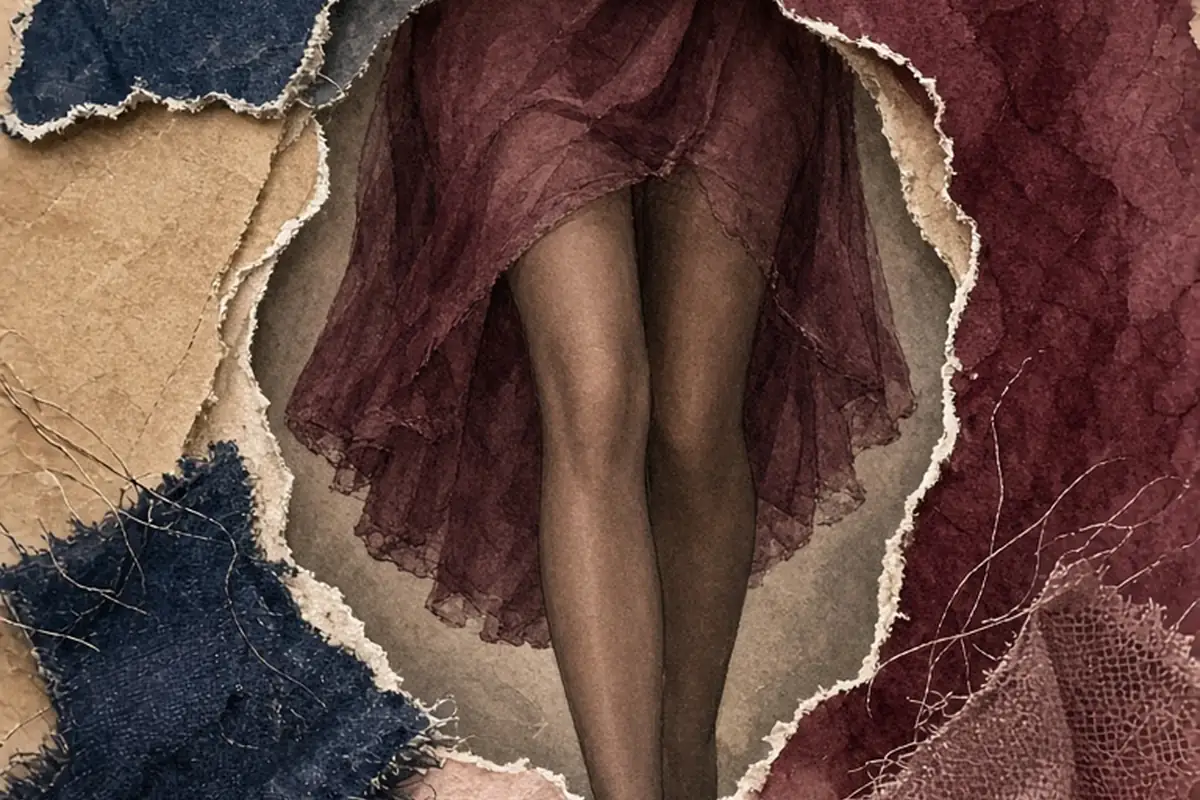
Yes, women still wear pantyhose with dresses, but it is no longer an everyday requirement. Today, sheer hosiery is largely a matter of personal preference, climate, and setting. While bare legs are standard in casual and creative environments, sheer or opaque hosiery remains common in conservative corporate settings, high-protocol formal occasions, and colder weather to provide polish, warmth, and even skin tone.
For decades, leaving the house in a dress without nylon stockings was considered unfinished or inappropriate across professional and formal spaces. Over the past twenty years, evolving workplace cultures, better body-care products, and shifting fashion trends relaxed those expectations significantly. Understanding where hosiery fits into contemporary style helps anyone navigate formal events, professional dress codes, and personal wardrobes without second-guessing their choices.
How Everyday Etiquette Shifted Away From Mandatory Hosiery
The expectation that women must wear nylon hosiery with dresses began dissolving rapidly in the early two thousands. Historically, pantyhose served as both a modesty barrier and an expectation of professional decorum, often codified directly into corporate employee handbooks. As business-casual attire replaced strict suiting across major industries, dress codes adapted to mirror broader lifestyle changes prioritizing personal comfort and practicality.
Technological and cultural shifts accelerated this change. Advancements in personal skincare, self-tanning formulations, and body moisturizers gave people the confidence to display natural skin without relying on nylon netting to create a smooth visual finish. Meanwhile, the rise of startup hubs and creative fields normalized casual footwear and bare legs, ultimately reframing pantyhose from an absolute social requirement into an optional aesthetic tool. Today, stepping out with bare legs is universally accepted in casual, social, and modern office settings.
However, abandoning mandatory hosiery created a different kind of uncertainty for many dressers. When strict rules disappear, deciding what to wear requires evaluating the specific setting, the climate, and the silhouette of the dress itself rather than relying on a single uniform standard. Choosing whether to wear hosiery now centers on personal comfort, room temperature, and contextual polish rather than obsolete social pressure.
Conservative Settings Where Sheer Hosiery Remains Relevant
While bare legs dominate mainstream fashion, traditional professional sectors still value the understated appearance of sheer hosiery. High-level corporate law, investment banking, federal courthouses, diplomatic functions, and certain conservative religious services often maintain formal decorum where bare skin can feel out of place. In these settings, hosiery is not viewed as antique, but as a deliberate signal of formality and institutional respect.
In these environments, execution matters far more than simply putting on a pair of stockings. The contemporary standard for conservative formal hosiery demands an ultra-sheer, completely matte finish, typically between eight and fifteen denier. The goal in a professional context is invisibility; the fabric should match natural skin tones without adding an artificial sheen, heavy orange tint, or dark reinforcement lines visible below the hemline.
The trade-off of maintaining this polished look is practical fragility. Ultra-sheer stockings snag easily on desk chairs, jewelry, and briefcases, requiring wearers to keep a backup pair in their bag or desk drawer. For individuals who prefer not to manage delicate garments, modern tailored pantsuits have largely provided an elegant alternative that bypasses the need for hosiery entirely.
Weather, Seasonality, and Physical Comfort as Deciding Factors
Beyond social rules, physical comfort remains one of the primary reasons women choose to wear hosiery with dresses today. Transitioning between seasons presents practical clothing challenges. During crisp autumn mornings or early spring afternoons, bare legs can leave a person uncomfortably cold, while a heavy winter coat paired with bare skin often feels mismatched and disjointed.
Hosiery also solves common physical discomforts that arise during extended walking or warm-weather commuting. Many people choose lightweight shaping shorts or sheer tights to prevent thigh chafing under skirts, or to create a protective barrier between their heels and stiff dress shoes. In freezing winter months, opaque knit tights or fleece-lined hosiery provide significant thermal insulation, allowing dresses and skirts to remain wearable year-round without compromising personal warmth.
The key is distinguishing between sheer pantyhose and cold-weather tights. Sheer hosiery offers visual uniformity and minimal wind protection, making it ideal for mild indoor draftiness, such as heavily air-conditioned offices during the summer. For genuine cold protection, heavier opaque tights ranging from forty to one hundred denier provide both physical barrier insulation and visual weight that balances heavier seasonal fabrics like wool, tweed, and velvet.
Modern Footwear and Styling Rules for Hosiery
The decision to wear hosiery often comes down to the shoes selected for an outfit. Footwear designs have evolved alongside dress codes, and certain shoe styles are inherently incompatible with traditional pantyhose. Strappy open-toed sandals, peep-toe pumps, and slides are designed specifically for bare feet; wearing reinforced-toe stockings with open shoes creates an awkward visual seam that disrupts the clean lines of the shoe.
Conversely, closed-toe footwear pairs naturally with hosiery. Pointed-toe pumps, classic flats, ankle boots, and loafers look balanced and deliberate when combined with tights or sheer stockings. When wearing open-toed footwear in formal settings where leg coverage is preferred, modern alternatives include toeless pantyhose, which hook around the toe base while leaving the toes exposed, or simply skipping hosiery in favor of a hydrating skin balm.
Styling also dictates the level of opacity. A lightweight summer sundress almost always looks best with bare legs, as hosiery can make the outfit look heavy and disconnected from the season. In contrast, a structured shift dress, an evening cocktail dress, or an A-line winter skirt frequently benefits from the cohesive, streamlined silhouette created by quality tights.
How to Choose Between Sheer Hose, Opaque Tights, and Bare Legs
Choosing the right leg look involves balancing the dress fabric, the venue formality, and the climate. When deciding among bare legs, sheer pantyhose, or opaque tights, examining a few clear criteria helps eliminate guesswork and keeps the focus on feeling composed and comfortable.
Use this straightforward breakdown to evaluate your options for any upcoming dress outfit:
Sheer Nude Pantyhose: Best for ultra-conservative offices, diplomatic ceremonies, somber formal services, or vintage-inspired styling where shoes are closed-toe.
Opaque Black Tights: Ideal for late autumn and winter dresses, casual work environments, heavy fabrics like corduroy or knitwear, and ankle or knee-high boots.
Patterned or Textured Hosiery: Works well as a deliberate fashion statement with simple, minimalist dresses, adding visual interest through swiss dots, herringbone, or subtle ribs.
Bare Legs: The modern default for spring and summer events, casual weekend outings, beach or garden weddings, and any outfit paired with open-toed sandals or sneakers.
Whichever path you choose, intentionality is what creates personal style. An outfit feels cohesive when the leg choice supports the weight of the dress and the nature of the day rather than appearing like an accidental afterthought.
- Sheer Nude Pantyhose: Best for ultra-conservative offices, diplomatic ceremonies, somber formal services, or vintage-inspired styling where shoes are closed-toe.
- Opaque Black Tights: Ideal for late autumn and winter dresses, casual work environments, heavy fabrics like corduroy or knitwear, and ankle or knee-high boots.
- Patterned or Textured Hosiery: Works well as a deliberate fashion statement with simple, minimalist dresses, adding visual interest through swiss dots, herringbone, or subtle ribs.
- Bare Legs: The modern default for spring and summer events, casual weekend outings, beach or garden weddings, and any outfit paired with open-toed sandals or sneakers.
How to Buy and Care for Hosiery Today
Purchasing hosiery in the modern market is radically different from grabbing an emergency egg of nylons at a grocery checkout. Contemporary hosiery brands have re-engineered stockings using high-stretch elastane blends, wide comfort waistbands that do not roll or dig into the midsection, and tear-resistant weave patterns designed to withstand multiple wears.
To ensure a natural look when purchasing sheer pantyhose, select a shade that matches the undertone of your arms or neck rather than relying on generic descriptions like suntan or nude, which frequently lean too orange or pale. Opt for matte weaves over high-shine fabrics, as glossy fibers catch camera flashes and harsh office fluorescent lights in an unflattering manner.
Caring for hosiery properly extends its lifespan significantly. Always wash stockings inside a mesh garment bag on a delicate cold cycle, or hand-wash them in cold water with mild detergent, and hang them to dry away from direct heat. When putting them on, gather the fabric gently along the leg rather than pulling from the waistband, and remove rings or sharp bracelets to avoid accidental snags before leaving the house.
Illustrative Scenarios
Navigating a Traditional Corporate Interview
Jordan prepared for a second-round interview at an established corporate law firm in early spring. Her outfit was a tailored navy wool sheath dress and closed pumps. Initially, Jordan worried that wearing bare legs might seem overly casual to senior partners, but she also feared that traditional pantyhose would look outdated and stiff. Instead of guessing, she opted for ten-denier ultra-sheer matte stockings that closely matched her natural skin tone. The hosiery provided a clean, unified appearance under office fluorescent lighting while keeping her comfortable in heavily air-conditioned conference rooms.
Key point: In high-formality or conservative sectors, high-quality sheer hosiery provides a subtle, polished baseline that lets your credentials take center stage without distraction.
Adapting to an Unpredictable Autumn Wedding
Elena was attending an October evening wedding held partially outdoors on a historic estate. Her dilemma centered on keeping warm in a sleeveless jewel-toned cocktail dress without feeling frumpy or overdressed in traditional nude stockings. Rather than freezing with bare legs or defaulting to daytime hosiery, she styled her dress with sheer black thirty-denier tights and suede pointed heels. The dark sheer fabric added an intentional, elegant evening tone while protecting against the evening chill.
Key point: Treating hosiery as a deliberate seasonal accessory rather than an obligation allows you to stay warm while enhancing the overall aesthetic of your outfit.
Frequently asked questions
Can you wear pantyhose with open-toed shoes or sandals?
Generally, traditional pantyhose should not be worn with open-toed footwear because the reinforced toe seam disrupts the shoe line. If coverage is needed for warmth or friction control, choose specially designed toeless hosiery or opt for bare feet with a quality moisturizer.
What is the primary difference between pantyhose and tights?
The main distinction lies in fabric weight and opacity, measured in denier. Pantyhose are sheer and lightweight, usually below thirty denier, while tights are thicker, more durable garments ranging from forty to over one hundred denier designed for opacity and warmth.
Are black tights considered more fashionable today than sheer nude pantyhose?
In modern casual and evening fashion, black tights are widely viewed as a stylish, intentional accessory that pairs easily with cold-weather textures. Sheer nude pantyhose are still worn, but they are typically reserved for formal ceremonies, traditional workplaces, or specific skin-toning preferences.
How do you stop sheer pantyhose from getting runs?
Ensure you buy the correct size, as tight stockings stretch fabric fibers to their breaking point. Remove hand jewelry before pulling them on, moisturize your hands and feet to prevent rough edges from catching, and apply a dab of clear nail polish to immediately halt small snags.
Your next step
Assess your specific venue and weather before getting dressed: if you are heading into a conservative corporate environment or a chilly outdoor evening, select a high-grade matte sheer or opaque tight, but otherwise feel completely confident wearing bare legs.