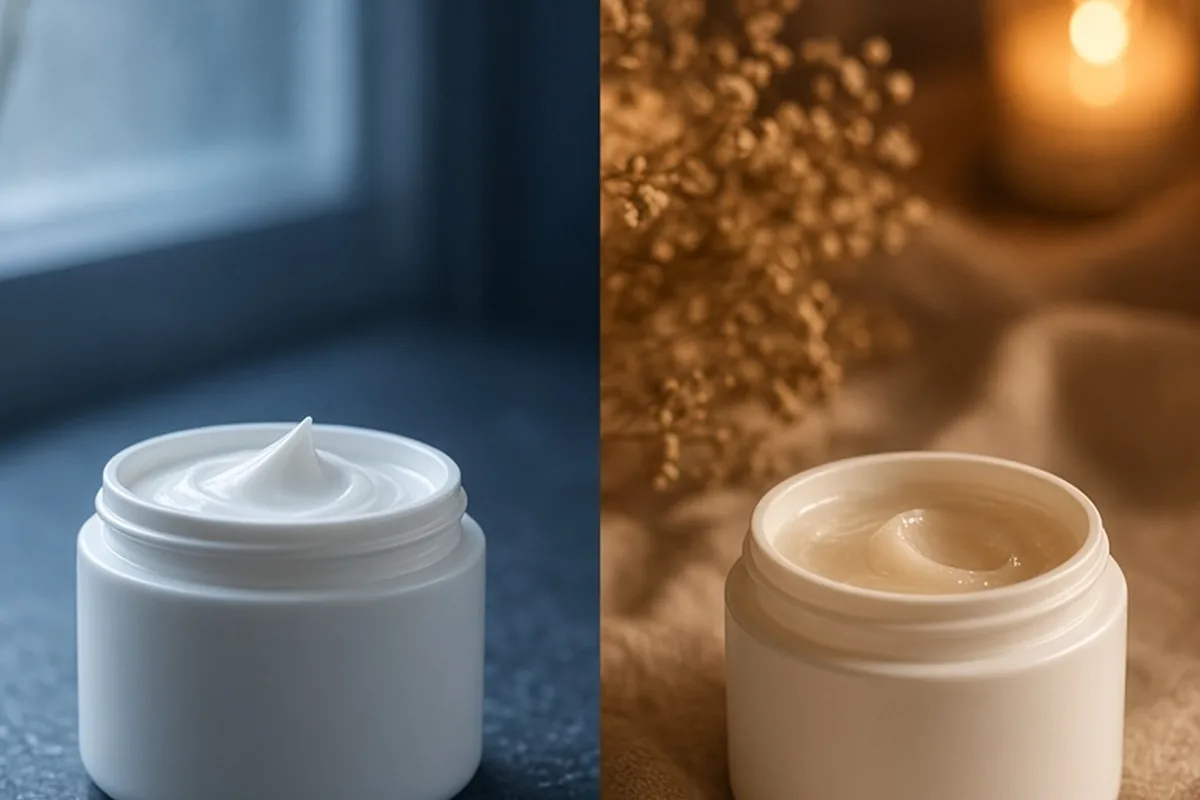
Yes, you should always apply moisturizer before primer. Moisturizer belongs to your skincare routine, delivering essential hydration and softening the skin barrier. Primer is a cosmetic bridge designed to smooth texture and grip foundation. Applying moisturizer first ensures that skin is balanced and nourished, which prevents primer and makeup from clinging to dry patches or absorbing unevenly.
Navigating the transition between morning skincare and cosmetic application often brings confusion about product sequence. Understanding how hydrators and cosmetic bases interact helps you build a routine that keeps your complexion comfortable while extending the longevity of your makeup.
The Functional Differences Between Moisturizers and Primers
To understand why moisturizer precedes primer, it helps to look at the distinct biological and cosmetic roles each product performs. Moisturizers are formulated with humectants, emollients, and occlusives that penetrate the upper layers of the epidermis to replenish lost water and reinforce your natural lipid barrier. Their primary goal is skin health, suppleness, and protection against transepidermal water loss. When your skin barrier is thoroughly hydrated, your surface texture becomes plumper and more uniform, which naturally creates a more cooperative canvas for anything applied on top.
Primers, by contrast, are topical cosmetic preparations engineered to sit primarily on top of the skin rather than sink deeply into it. They utilize film-forming polymers, silicones, or plant-based smoothing agents to blur visible pores, diffuse fine lines, control surface sebum, and create adhesive traction for foundation pigments. If you were to apply primer before moisturizer, the primer's barrier-forming film would block the hydrating ingredients in your moisturizer from penetrating effectively. At the same time, the moisturizer would break down the primer's delicate film, causing your foundation to slide, streak, or separate within hours.
Think of moisturizer as conditioning raw wood before painting, while primer serves as the specialized undercoat that ensures the decorative paint adheres flawlessly. Skipping moisturizer leaves the skin parched, which frequently forces your skin to pull moisture out of your liquid foundation, leading to a cracked, patchy finish. Conversely, skipping primer simply means your foundation rests directly on your skincare, which is acceptable for natural wear but may offer less longevity or pore-blurring capability.
The Crucial Role of Absorption Time Between Steps
Applying your products in the correct order is only half the battle; pacing your application is equally vital. Slapping primer directly onto wet, freshly applied moisturizer is one of the most common causes of makeup pilling, which happens when skincare and cosmetic polymers ball up into small rubbery flakes on the face. Moisturizers need adequate time to settle into the skin so their emollient phase can absorb and stabilize before another layer is introduced.
In practical terms, you should allow your moisturizer at least two to five minutes to absorb fully before reaching for your primer. If your skin still feels slick, damp, or heavy to the touch, give it an extra moment or gently press the residue into your skin with clean fingertips. Once your skin feels soft, supple, and slightly dry to the touch with no floating surface slip, your canvas is ready for primer.
For individuals using richer creams or facial oils, that resting window may need to stretch toward five to seven minutes. If you are rushed in the morning, a practical compromise is to apply your daily moisturizer right after cleansing, brush your teeth or get dressed to let the product absorb, and then return to the mirror to apply your primer and complexion products.
Matching Formula Bases to Prevent Separation and Pilling
Compatibility between the ingredients in your moisturizer and primer dictates how smoothly your makeup wears across the entire day. Skincare and cosmetic formulas are generally built around one of two major bases: water-based emulsions or silicone/oil-based emulsions. Mixing conflicting bases without adequate dry time often results in separation, where your makeup breaks apart into blotchy patches around your nose, forehead, and chin.
As a general guideline, pairing a water-based gel or lotion moisturizer with a water-based or lightweight gripping primer produces a seamless, breathable bond. This combination works exceptionally well for oily, combination, or breakout-prone skin because it avoids heavy occlusives that might clash with cosmetic polymers. If you prefer a silicone-heavy primer for intensive pore blurring, pairing it with a lightweight, fully absorbed water-based moisturizer is usually successful, provided you wait long enough for the water phase to evaporate.
Where people run into difficulty is layering a dense, oil-rich moisturizer beneath a water-based primer without sufficient absorption. Because oil and water naturally repel each other, the water-based primer cannot adhere to the oily film, resulting in slipping, streaking, and rapid breakdown. Checking the first four or five ingredients on your product packaging can help you identify whether water (aqua), silicones (such as dimethicone or cyclopentasiloxane), or plant oils dominate the blend.
Adjusting the Layering Order for Your Specific Skin Type
While the sequence of moisturizer first and primer second remains constant, the textures and techniques you choose should reflect your specific skin type. Those with dry or dehydrated skin benefit from richer, ceramide-infused moisturizers applied to slightly damp skin, followed by a hydrating or illuminating primer that deposits glycerin or hyaluronic acid onto the surface to sustain a dewy appearance.
For oily or combination skin, heavy moisturizers can overwhelm the pores and accelerate midday shine. In this scenario, switching to an oil-free gel moisturizer allows the skin to receive essential hydration without leaving an emollient residue. Following this with a mattifying or pore-refining primer concentrated primarily on the T-zone creates targeted oil control while letting the perimeter of the face retain natural movement.
Individuals with sensitive or reactive skin should prioritize minimalist formulations with soothing ingredients like centella asiatica, allantoin, or colloidal oat in their moisturizer. When selecting a primer, sensitive complexions often fare best with fragrance-free, silicone-based formulas that create a physical buffer between the skin and color cosmetics, reducing potential irritation from foundation pigments.
Where Sunscreen Fits in the Application Sequence
Daily sun protection is an indispensable step in any daytime routine, but many people are unsure whether sunscreen goes before or after primer. Sunscreen is classified as the final step of your skincare regimen, meaning it should be applied after your moisturizer has absorbed and before you lay down any cosmetic primer.
The correct chronological progression is: gentle cleanser, optional hydrating serum, daily moisturizer, broad-spectrum sunscreen, cosmetic primer, and finally foundation or concealer. Applying sunscreen over primer disrupts the primer's smoothing film and dilutes its ability to hold makeup. Conversely, applying sunscreen under moisturizer can dilute the UV filters and compromise their protective layer.
Allow your sunscreen to set for three to five minutes so its protective film forms properly before gently pressing your primer over top. Using gentle smoothing motions rather than vigorous rubbing prevents the primer from disturbing the newly formed sunscreen barrier, ensuring both reliable sun protection and flawless makeup performance.
When You Can Safely Skip One of the Steps
While applying both products is standard practice for a full-glam or high-longevity look, you do not always need both for everyday wear. Understanding when to streamline your routine can save time and prevent unnecessary product buildup, particularly during humid weather or when aiming for a sheer, casual finish.
If you use a deeply hydrating, emollient sunscreen, it may provide sufficient moisture on its own for oily or balanced skin types, allowing you to skip a dedicated morning moisturizer entirely and move straight to sunscreen, primer, and makeup. Alternatively, many modern primers contain significant concentrations of skin-conditioning humectants and niacinamide, allowing them to provide mild hydration for normal complexions without requiring a heavy moisturizing step underneath.
Similarly, if your priority is simply a natural skin tint for running errands, your standard moisturizer and sunscreen provide enough slip and hydration on their own, making a dedicated primer optional. The main trade-off of skipping primer is a slight reduction in wear time and less intensive texture blurring, which is often an acceptable compromise for relaxed, low-maintenance days.
Troubleshooting Application Issues and Product Clashing
If you consistently experience makeup pilling, separating, or disappearing regardless of your product order, minor application adjustments can usually resolve the issue. One frequent culprit is over-application; using more than a nickel-sized amount of moisturizer or a pea-sized amount of primer floods the skin with more product than it can absorb or hold, creating an unstable foundation.
Another common mistake is rubbing products aggressively into the skin rather than pressing and smoothing them in. Vigorous rubbing creates friction that disrupts partially dried product layers, lifting them off the skin in small rolls. Instead, distribute your moisturizer evenly with upward strokes, allow it to settle, and then lightly press your primer into areas of visible texture or excess oil.
Finally, examine whether you are layering too many competing active treatments under your makeup. Morning routines loaded with thick serums, exfoliating acids, and rich balms create a crowded surface where primers struggle to set. Simplifying your daytime routine to lightweight hydration, reliable sun protection, and a compatible primer will produce significantly cleaner, more resilient makeup results.
Frequently asked questions
Can I mix my moisturizer and primer together to save time?
Mixing moisturizer and primer directly together in your palm is generally not recommended because it dilutes the primer's film-forming polymers and weakens its makeup-gripping ability. It can also disrupt the emulsion balance of both formulas, leading to patchiness. It is far more effective to apply your moisturizer first, let it absorb for a couple of minutes, and then apply a thin layer of primer.
How long should I wait after moisturizing before applying primer?
You should ideally wait two to five minutes after applying moisturizer before applying primer. This short pause allows the hydrating ingredients and emollients to settle fully into the skin barrier so the surface is not overly slick. When your skin feels soft and nourished rather than wet or greasy, your primer will adhere smoothly without pilling.
Do I still need primer if my moisturizer makes my skin smooth?
A good moisturizer hydrates and softens the skin, but it does not contain the specialized polymers that control excess sebum, fill uneven texture, or grip foundation pigments. If you only wear light makeup and do not need all-day wear, moisturizer alone may be sufficient. However, if you want your makeup to resist fading, creasing, or sliding throughout a long day, adding a primer remains beneficial.
What happens if I accidentally put primer on before moisturizer?
Applying primer first forms a light barrier over your pores that prevents your moisturizer's hydrating ingredients from penetrating the skin. The moisture sitting on top of the primer will also dissolve the primer's smoothing film, causing foundation applied afterward to streak or separate quickly. If you make this mistake, you will get the best results by washing your face and starting fresh.
Your next step
For your next makeup application, cleanse your skin, smooth on your regular moisturizer, give it three full minutes to settle completely into your skin, and then gently press a pea-sized amount of primer across your face before applying foundation.