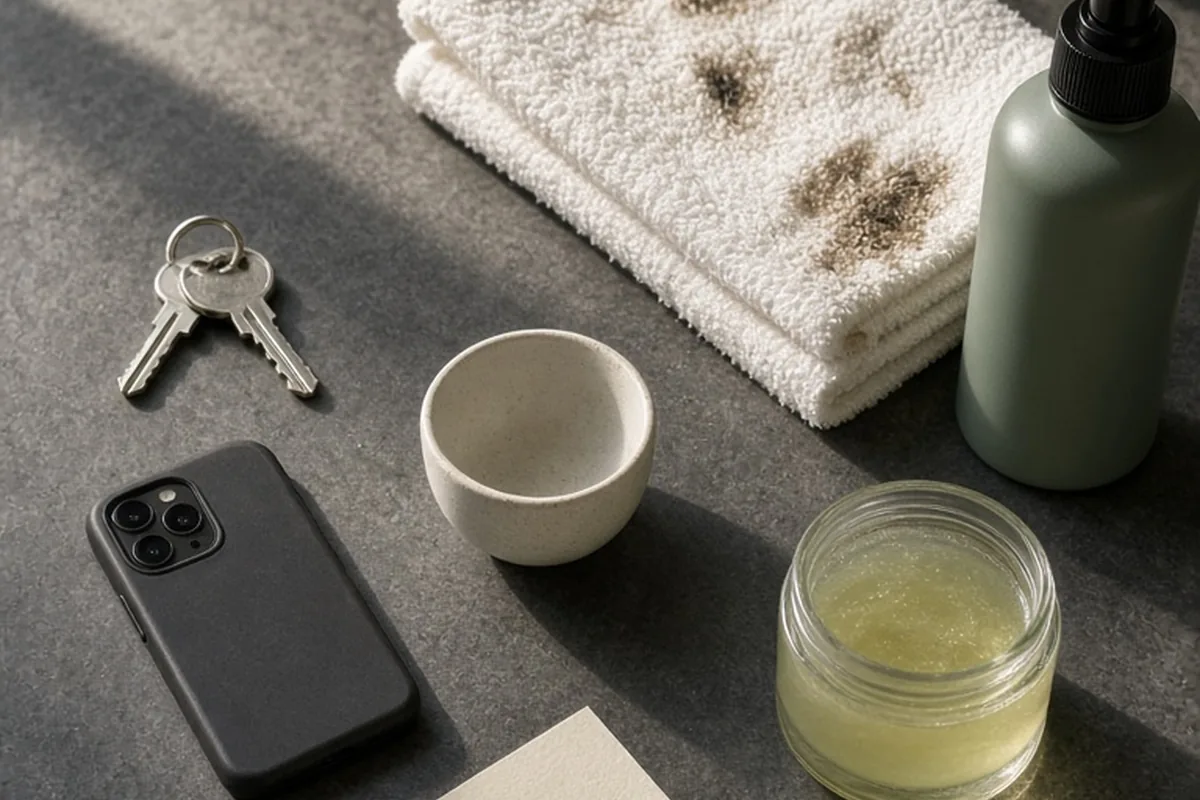
Cleansers can remove light, water-soluble makeup, but most standard facial washes struggle to break down long-wear foundation, waterproof mascara, and silicone-based sunscreens on their own. Water-based formulas often glide over oily pigments instead of dissolving them completely. For a thorough clean that prevents clogged pores and irritation, pairing an oil-based makeup remover with a gentle water-based cleanser is generally the most effective approach.
Washing your face at the end of the day should leave your skin feeling refreshed and balanced, yet a quick glance at your towel or pillowcase often reveals lingering foundation smudges and mascara residue. Understanding how different cleansing formulas interact with cosmetic ingredients helps you choose the right technique for your daily cosmetics without stripping your skin barrier.
How Standard Facial Cleansers Interact with Makeup
Traditional facial cleansers are engineered primarily to lift away sweat, surface dust, dead skin cells, and excess sebum. Most foaming, gel, and cream washes rely on water-soluble surfactants that bond with light surface impurities and rinse away easily with water. However, modern cosmetics are specifically formulated to resist water, sweat, and natural skin oils to stay intact throughout the day. When standard water-based cleansers encounter film-forming polymers, waxes, and silicone bases, they often slide across the surface rather than breaking the chemical bonds holding the makeup to your skin.
Attempting to remove full-coverage makeup with a basic gel wash often results in smearing pigments across the face rather than lifting them cleanly. You might notice that your face appears clean under bathroom lighting, but a residue layer remains trapped inside pores and along fine lines. Over time, leaving these synthetic binders and pigments on the skin can contribute to texture irregularity, congestion, and dullness. While a strong surfactant cleanser might eventually break down stubborn products, the aggressive scrubbing and stripping action required to do so can compromise your delicate moisture barrier, leading to dryness, redness, and sensitivity.
The Chemistry of Dedicated Makeup Removers Versus Daily Washes
The primary difference between a dedicated makeup remover and a daily facial cleanser lies in their chemical formulation and intended function. Makeup removers—such as cleansing oils, cleansing balms, bi-phase liquids, and micellar solutions—are designed with lipid-rich solvents or specialized surfactant clusters. Because cosmetic formulas are largely oil- and wax-based, they adhere to the fundamental chemistry rule of like dissolves like. Lipophilic ingredients easily break down waterproof pigments, waxes, and silicones without requiring mechanical friction or harsh surfactants.
In contrast, daily water-based cleansers focus on purifying the skin itself once the external cosmetic barrier has been dissolved. A water-based cleanser contains humectants and mild surfactants that wash away water-soluble debris and any leftover oily solvent residue. Relying on a single step to accomplish both tasks often forces a compromise: either the product is too gentle to dissolve heavy makeup, or it is formulated with harsh detergents strong enough to strip cosmetics at the expense of your skin's natural protective lipids. Separating product dissolution from skin cleansing creates a more balanced, irritation-free routine.
Evaluating Makeup Formulas to Determine Your Cleansing Needs
Not every makeup look requires an intensive multi-step removal process. The necessity of a dedicated makeup remover depends largely on the formulation, opacity, and staying power of the cosmetics you wear on any given day. Light, sheer products interact with cleansers very differently than dense, transfer-resistant formulations.
Consider the following categories when deciding whether your standard cleanser is sufficient or if an initial makeup remover is necessary:
For days with bare skin or sheer coverage, a single gentle cleanser is usually sufficient. However, whenever you wear transfer-proof bases or eye cosmetics, introducing an initial oil or solvent step prevents the need for excessive physical rubbing, which protects delicate facial skin.
- Sheer tints and mineral powders: Tinted moisturizers, light mineral powders, and non-waterproof blush typically contain minimal synthetic film-formers and can often be washed away effectively with a single foaming or gel wash.
- Waterproof and long-wear formulas: Transfer-resistant foundations, liquid lipsticks, and waterproof mascaras contain heavy waxes, volatile silicones, and polymers that strictly require oil-based dissolution.
- Water-resistant sunscreens: Many daily sunscreens use water-repellent bases that mimic long-wear makeup, meaning they benefit from the same lipid-based removal methods to prevent pore congestion.
The Mechanics and Proper Technique of Double Cleansing
Double cleansing is a practical two-step method that ensures complete cosmetic removal while maintaining skin hydration. The first step involves applying an oil-based cleanser, balm, or micellar solution to dry skin. As you gently massage the product over your face in circular motions for thirty to sixty seconds, the oils bond with makeup pigments, sunscreen filters, and hardened sebum, melting them into a fluid mixture. For eye makeup, pressing a soaked pad against the lids for a few seconds allows the solvent to dissolve mascara bonds before wiping gently downward.
The second step begins after rinsing the first product with lukewarm water. While the skin is still damp, you apply a water-based gel, lotion, or gentle foam cleanser. This secondary wash targets the skin's surface, sweeping away any emulsified oil residues, sweat, and ambient pollutants. This deliberate sequence ensures that your active skincare ingredients—such as serums and moisturizers—can penetrate clean, unblocked skin without fighting through an invisible layer of residual cosmetic polymers.
Signs Your Cleanser Is Leaving Cosmetic Residue Behind
It is not always obvious when a cleanser fails to remove all makeup, as skin can feel deceptively clean right after towel-drying. One of the most reliable ways to evaluate your current routine is the cotton pad test. After completing your evening wash, saturate a cotton round with a basic hydrating toner or micellar water and glide it across your forehead, jawline, and neck. If the pad shows a beige, orange, or grey tint, your cleanser is leaving cosmetic particles behind.
Physical skin changes can also indicate persistent makeup residue. If you notice tiny closed comedones along your hairline and jaw, cloudy pores around your nose, or persistent morning eye irritation from trapped mascara flakes, incomplete cleansing may be the underlying cause. Conversely, if your skin feels tight, squeaky, or irritated because you washed your face multiple times with a strong cleanser to get it clean, you are likely over-cleansing and depleting your skin barrier instead of properly dissolving the makeup.
Tailoring Your Cleansing Strategy to Your Specific Skin Type
Selecting the right combination of makeup-removing products depends on your skin's unique moisture balance and sensitivity levels. People with oily or acne-prone skin often hesitate to use oil-based removers out of fear that oils will trigger breakouts. However, lightweight cleansing oils formulated with emulsifiers bind to excess sebum and rinse away cleanly with water, offering a deeper clean than harsh foaming cleansers that can trigger rebound oiliness.
For dry and sensitive complexions, avoiding moisture loss during makeup removal is essential. Rich cleansing balms infused with emollient plant oils or squalane provide cushion, preventing friction against dry patches. Following a balm with a non-foaming, hydrating cream wash keeps the lipid barrier intact. If you have reactive skin or conditions like rosacea, fragrance-free micellar waters with soft reusable cloths minimize physical friction while effectively lifting daily face makeup.
Common Makeup Removal Pitfalls to Avoid
A common misstep in makeup removal is relying solely on disposable cleansing wipes. While convenient for travel or late nights, wipes often smear makeup, dirt, and concentrated surfactants across the skin rather than lifting them away. The mechanical friction required to scrub off waterproof products with a thin cloth can cause micro-tears and eyelid irritation, and the surfactant residue left to dry on the skin can provoke sensitivity over time.
Another frequent pitfall is using water that is too hot under the assumption that it melts cosmetics more effectively. Hot water strips natural lipids, leading to capillary flushing and compromised barrier function. Lukewarm water is ideal for emulsifying cleansing oils without irritating the skin. Additionally, rushing the rinsing step leaves surfactant residues behind, which can lead to dullness and clogged pores. Taking an extra twenty seconds to thoroughly rinse along the hairline, chin, and neck ensures a clean canvas.
Frequently asked questions
Can micellar water replace both my makeup remover and daily cleanser?
Micellar water is an effective makeup remover for light to moderate cosmetics, but it is best used as a first step rather than a total replacement for washing your face. While some formulas claim no rinsing is required, leaving surfactant micelles on the skin can cause mild irritation for sensitive skin types. Rinsing with water or following with a gentle cleanser ensures complete removal of both dissolved makeup and surfactant residue.
Will using a cleansing oil to remove makeup clog my pores or cause breakouts?
Properly formulated cleansing oils contain emulsifying agents that allow the oil to mix with water and rinse completely off the skin without leaving a greasy film. When followed by a gentle water-based cleanser, cleansing oils actually help clear pore congestion by dissolving hardened sebum and silicone-based cosmetics that water-based cleansers cannot lift. To avoid potential sensitivity, look for non-comedogenic formulas free from heavy artificial fragrances.
How can I safely remove waterproof mascara without pulling out eyelashes?
To remove waterproof mascara without damaging your lashes, saturate a cotton pad with a dedicated bi-phase eye makeup remover or cleansing oil and hold it gently against your closed eyelid for fifteen to twenty seconds. This gives the lipid solvents time to break down the water-resistant polymers before you wipe gently in a downward direction. Avoid aggressive back-and-forth rubbing, which weakens lash roots and irritates delicate eyelid skin.
What should I do if my skin feels tight and dry after washing off my makeup?
A tight, squeaky feeling indicates that your cleanser is too harsh or that you are over-scrubbing your face to remove cosmetics. Switch to a two-step routine using a nourishing cleansing balm or micellar water first, followed by a low-foaming, hydrating cream or lotion cleanser. Follow immediately with a barrier-supporting moisturizer while your skin is still slightly damp to restore hydration.
Your next step
Tonight, test the thoroughness of your current routine by running a toner-dampened cotton pad over your jawline after washing. If you see makeup residue, introduce a gentle cleansing oil, balm, or micellar water as a first step before your normal cleanser to achieve clean, calm skin without over-stripping.