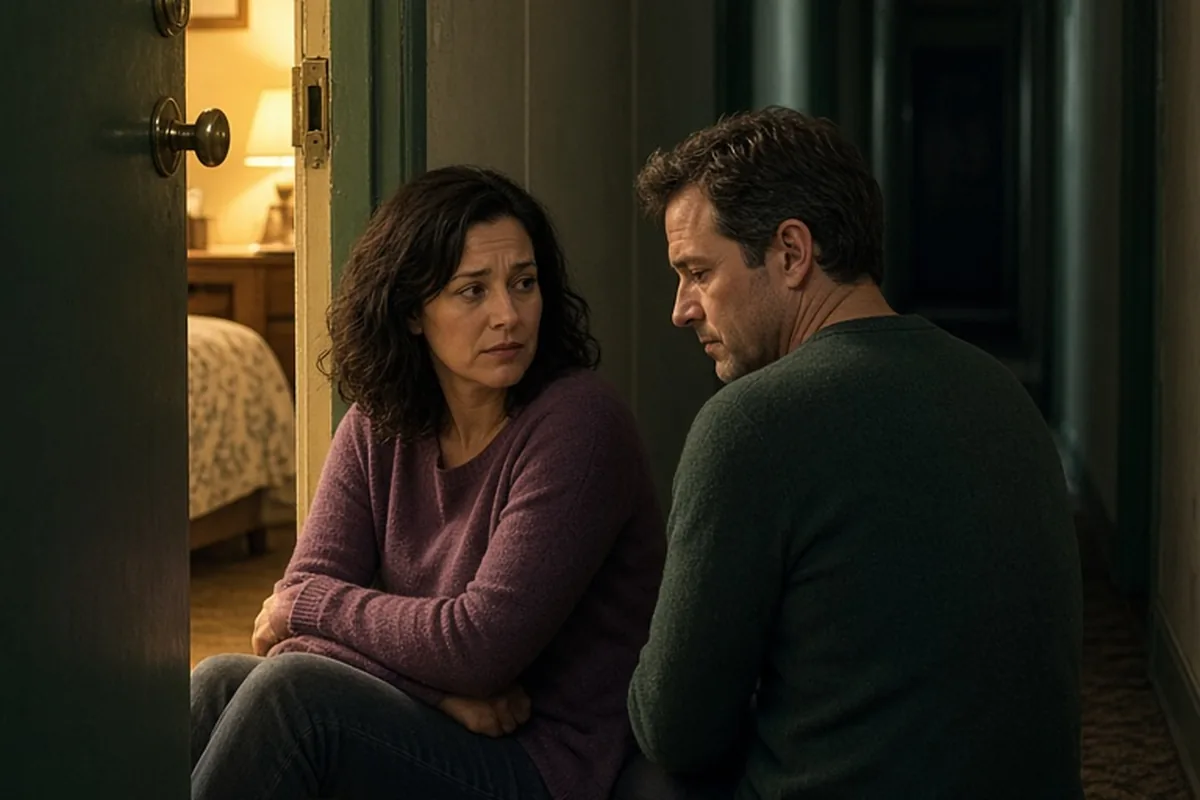
Marriage counseling works when both partners are willing to examine their own habits, engage honestly, and apply new communication patterns outside the therapist's office. It does not work as a tool to change a spouse against their will or magically rescue a marriage where one partner has already completely detached. Success depends on timing, shared commitment, and realistic expectations rather than passive attendance.
Deciding to sit across from a professional with your partner often brings an uncomfortable mixture of hope and quiet dread. Many couples worry that therapy will devolve into an expensive referee session where grievances are rehashed without solving the underlying emotional distance or chronic friction.
How Marriage Counseling Actually Operates in Daily Practice
A common misconception about couples therapy is that a clinician sits with a clipboard, listens to complaints, and declares which partner is objectively right. In reality, effective counseling focuses on the relational system rather than adjudicating individual arguments. When couples fight at home, emotional intensity quickly hijacks rational thought. Defensiveness spikes, past grievances surface, and the original disagreement disappears under a cloud of mutual frustration. A skilled therapist acts as an objective observer who slows down these reactive exchanges in real time, helping each person see the exact conversational turning point where productive dialogue collapsed into conflict.
To achieve this, counseling dismantles the repetitive cycles that trap partners in gridlock. For example, a dispute about unwashed kitchenware rarely centers on dishes; it almost always reflects deeper themes of feeling unappreciated, dismissed, or overburdened. In session, the therapist guides both individuals to translate sharp criticisms into clear, vulnerable expressions of need. Instead of allowing one partner to demand compliance or the other to shut down in cold withdrawal, the clinician helps the couple map their interactive pattern. The primary trade-off is emotional comfort: therapy requires confronting unpleasant truths about your own defensive tendencies rather than focusing exclusively on your partner's flaws.
The Core Factors That Determine Whether Therapy Succeeds
The effectiveness of marriage counseling depends heavily on the mindset each person brings into the room. Therapy thrives when both individuals arrive with genuine self-reflection and personal accountability. If both partners can pause their mutual accusations long enough to ask how their own reactions contribute to the impasse, meaningful progress becomes possible. Success does not require perfect agreement on every issue; it requires an active willingness to learn how to disagree without degrading mutual respect, emotional safety, or basic goodwill.
Another decisive factor is the consistent application of therapeutic tools between appointments. An hour spent in a clinical office provides a framework, but real transformation occurs during ordinary domestic interactions. Couples who succeed practice deliberate de-escalation tactics at home, such as calling a structured timeout when physiological stress rises or using softened conversational startups during tense talks about finances or parenting. However, therapy has distinct limits: it cannot generate motivation where none exists. If one partner has completely checked out emotionally and refuses to participate in homework or behavioral changes, counseling cannot force engagement.
Common Reasons Marriage Counseling Stalls or Fails
The single most frequent barrier to successful counseling is waiting far too long to seek assistance. Many couples endure years of corrosive resentment, quiet emotional disengagement, and chronic friction before booking their first intake appointment. By the time they arrive on the couch, the foundational reservoir of fondness and shared admiration has often been severely depleted. When one partner has already made the internal decision to leave months prior, counseling frequently functions as an exit ramp rather than a restorative process, leaving the other partner confused about why the intervention failed to produce a turnaround.
Therapy also stalls when unaddressed destructive dynamics or hidden agendas undermine the clinical environment. Active, unmanaged substance abuse, ongoing extramarital affairs, or coercive control make productive joint therapy impossible. In these scenarios, traditional couples counseling can inadvertently create a false sense of shared responsibility for behaviors that are fundamentally non-negotiable or unsafe. Furthermore, if a spouse attends solely to placate family members or check a box before filing for legal separation, the absence of authentic vulnerability renders the entire exercise performative.
Navigating the Vulnerability and Hesitation of Early Sessions
It is entirely natural to feel apprehensive about bringing intimate personal difficulties to an unfamiliar professional. Many adults, particularly those accustomed to handling challenges through private problem-solving or emotional self-reliance, fear being unfairly blamed, pathologized, or ganged up on in the room. A competent counselor maintains balance by making the relationship itself the primary client, ensuring that neither partner feels targeted as the sole problem. Acknowledging that counseling is designed to challenge habits rather than invalidate your character helps reduce early resistance.
Expect the first four to six sessions to feel temporarily destabilizing. When deeply buried disagreements and neglected emotional hurts are brought into the open, daily interactions at home can sometimes feel more sensitive before they stabilize. Partners often wonder if bringing these issues into the light is actually worsening their relationship. This phase is a normal adjustment period: confronting long-standing avoidance patterns inevitably creates friction before healthier habits are established. Committing to a defined trial period of several months allows you to evaluate genuine developmental progress rather than reacting to short-term emotional discomfort.
Discernment Counseling as an Alternative for Ambivalent Couples
Standard marriage counseling operates on the working premise that both individuals want to repair the union and are ready to invest sustained energy into fixing it. However, many relationships feature a mixed-agenda dynamic, where one partner is leaning out and contemplating divorce while the other is leaning in, desperate to preserve the commitment. When applied to this scenario, traditional couples counseling often backfires, as the leaning-out partner feels pressured into false promises and the leaning-in partner interprets every minor concession as a complete reconciliation.
Discernment counseling offers a targeted, short-term framework specifically created for this crossroad. Over a limited number of structured sessions, the clinician works with the couple both together and individually to accomplish a single goal: gaining total clarity on the future of the marriage. The work explores three distinct paths: keeping the relationship exactly as it is, moving deliberately toward separation, or committing to six months of focused, all-in couples therapy with divorce completely off the table. By removing the immediate demand to solve every historical grievance, discernment counseling lowers emotional pressure and enables honest, grounded decision-making.
Tangible Signs That Your Marriage Counseling Is Gaining Traction
Real progress in couples therapy is rarely marked by the total absence of conflict. Instead, the clearest early indicator of success is a dramatic reduction in recovery time following an argument. In distressed dynamics, a single disagreement can trigger days of hostile silence, emotional withdrawal, or retaliatory passive aggression. In an improving relationship, partners notice tension earlier, interrupt the escalating cycle, and execute meaningful repair attempts within hours rather than days. The focus shifts from proving who is at fault to addressing the issue collaboratively.
Another concrete sign of traction is the gradual return of emotional safety and spontaneous warmth. As partners gain confidence that a minor misstep will not spiral into a relationship-threatening crisis, daily conversations lose their underlying edge of hyper-vigilance. Couples find themselves sharing unforced humor, discussing logistical plans without defensive tension, and expressing affection with less hesitation. When both people feel reliably heard and secure in the knowledge that their boundaries will be respected, mutual generosity and genuine intimacy naturally begin to re-emerge.
Illustrative Scenarios
Breaking the Pursue-Withdraw Impasse
Mark felt chronically criticized by his wife, Claire, regarding domestic responsibilities and personal priorities. In response, he withdrew emotionally, spent extra hours at work, and avoided evening conversations. Claire interpreted Mark's silence as total indifference, prompting her to speak louder and press harder for answers. In counseling, Mark initially viewed Claire's complaints as impossible demands, while Claire viewed Mark's detachment as evidence that he no longer cared. With clinical guidance, Mark learned that his retreat directly triggered Claire's fear of abandonment, while Claire realized that her aggressive confrontations drove Mark into self-protective silence. Mark agreed to initiate brief check-ins before disengaging, while Claire agreed to step back when Mark requested a calm pause.
Key point: De-escalating relationship conflict requires identifying how your defensive instinct inadvertently provokes your partner's most destructive reaction.
Shifting Focus From Partner Reformation to Personal Ownership
Rachel attended therapy with an explicit objective: convince the therapist to reform her husband, David, into a more emotionally expressive and proactive partner. David attended reluctantly, convinced that every session would turn into a catalog of his shortfalls. Early on, the clinician redirected Rachel every time she spoke for David or itemized his flaws, asking her instead to identify her own role in their disconnection. Rachel recognized that her habit of micromanaging David's attempts at planning had trained him to stop trying altogether. Once David realized Rachel's behavior stemmed from anxious exhaustion rather than disdain, he felt safe enough to take active initiative without fear of harsh critique.
Key point: Lasting marital progress occurs only when both partners abandon the demand to fix their spouse and instead take responsibility for their own relational habits.
Frequently asked questions
How long does marriage counseling typically take to produce results?
Most couples begin noticing practical improvements in communication and de-escalation within eight to twelve consistent sessions. However, healing deep-seated resentments and cementing new habits generally takes six months to a year of steady, active effort outside the clinical office.
Can marriage counseling be helpful if only one partner attends?
Individual therapy can provide immense clarity and help one partner change their personal contributions to a toxic dynamic, which often positively alters the broader relationship. Nevertheless, fully repairing a marriage requires both partners to eventually participate and reform their shared interactive patterns.
What should you do if your marriage counselor feels like the wrong fit?
Give the process three or four sessions to establish a rhythm, but pay close attention if a counselor consistently takes sides, lacks clear structure, or fails to create emotional safety. If the dynamic feels unproductive after open feedback, it is entirely reasonable to seek another licensed professional with specialized couples therapy training.
Does needing couples therapy mean our relationship is on the verge of divorce?
Entering therapy indicates that your current problem-solving methods have reached their limits, not that the relationship is inherently doomed. Many couples utilize counseling proactively during difficult life transitions to prevent misunderstandings from deteriorating into entrenched emotional distance.
Your next step
Sit down with your partner this week for a calm, distraction-free conversation to decide whether you are both willing to schedule an initial consultation with a licensed marriage and family therapist.