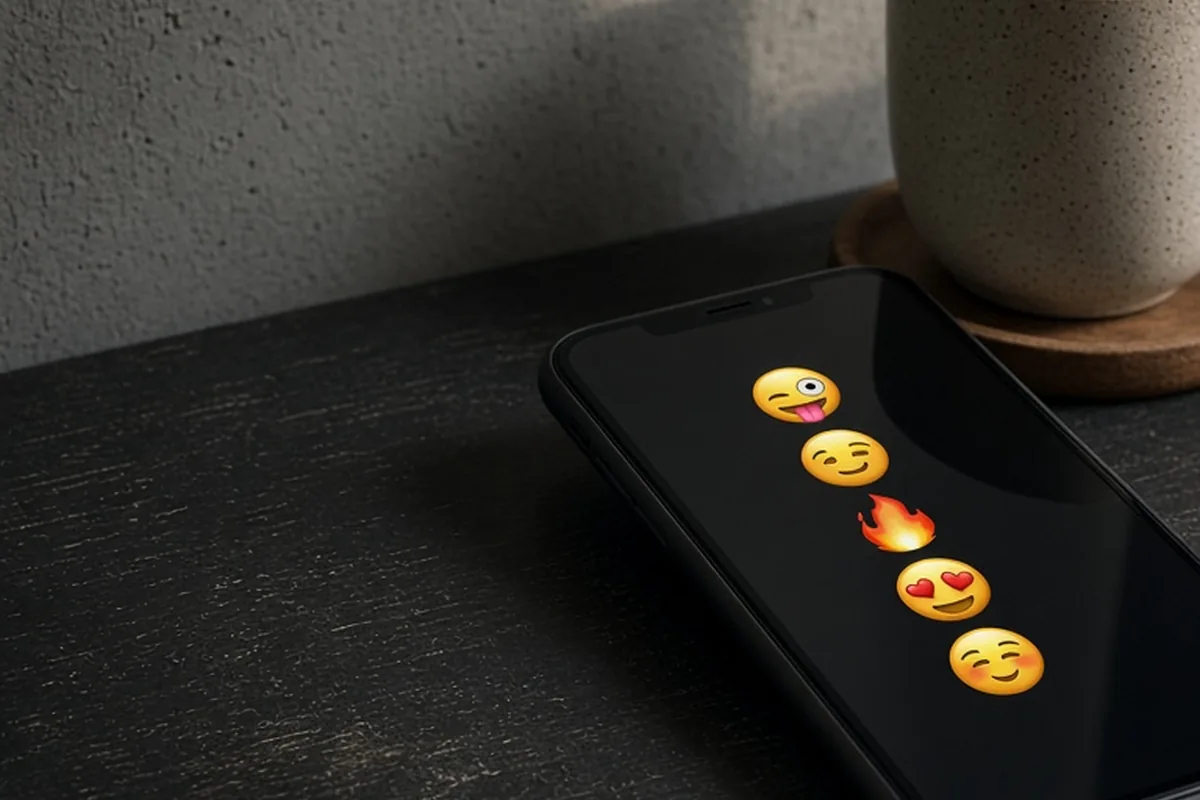
Guys commonly use playful, suggestive, or affectionate emojis—such as the winking face, smirking face, fire emoji, heart eyes, or blush smile—to signal romantic interest, soften bold statements, or test chemistry over text. Because digital habits vary widely, the most reliable way to gauge true intent is looking at emoji patterns combined with message context, conversational effort, and whether he initiates plans to spend time together in person.
Text messaging strips away vocal tone, posture, and facial expressions, leaving small digital symbols to carry significant emotional weight. Understanding how someone communicates attraction through emojis helps remove confusion, letting you evaluate his interest realistically while keeping your own texting authentic and grounded.
Playful Teasing and the Subtle Wink
The classic winking face and smirking face are among the most frequent tools men use to introduce light romantic tension into a conversation. When a man adds a wink to an otherwise ordinary sentence, he is usually softening a bold statement, signaling sarcasm, or inviting you into an inside joke. This technique allows him to test the waters of banter without taking a massive emotional risk, creating a shared sense of fun that feels distinct from purely platonic conversation.
For example, a message like 'I guess you have good taste after all' paired with a smirking emoji transforms a basic comment into playful teasing. The primary limitation of relying solely on these icons is that some people use winks reflexively or purely sarcastically with friends. To evaluate whether it represents genuine flirting, observe whether his teasing focuses on building personal rapport with you or if he simply uses playful icons indiscriminately across casual group chats.
- Winking Face 😉: Used to indicate playful sarcasm, subtle romantic interest, or shared inside jokes.
- Smirking Face 😏: Suggests mischievous humor, playful confidence, or flirtatious innuendo.
- Sticking Tongue Out Face 😜: Lightens teasing, ensuring banter feels friendly rather than critical.
High Compliments and Bold Attraction
When attraction becomes more direct, men often reach for expressive, visually striking emojis such as the fire icon, heart-eyes face, or flushed face. These symbols express enthusiasm, physical appreciation, or genuine excitement about something you shared. A fire emoji reacting to a picture of your weekend outfit or a new accomplishment signals direct admiration without requiring a lengthy paragraph.
While bold emojis communicate clear appreciation, they can also indicate different levels of intent. A man who exclusively sends fire emojis in response to photos but shows little interest in holding a regular conversation may be focused primarily on surface attraction. In contrast, someone who pairs an appreciative emoji with genuine questions about your day is using visual compliments to reinforce a deeper conversational investment.
- Fire Emoji 🔥: Expresses strong visual attraction, approval, or excitement about your updates.
- Heart Eyes 😍: Signals enthusiastic admiration for your appearance, a shared interest, or your vibe.
- Flushed Face 😳: Indicates he is pleasantly flustered, surprised, or caught off guard by your charm.
Warmth, Sweetness, and Growing Affection
Not all flirting is bold or suggestive; subtle emotional flirting often relies on softer, sweeter icons. The blushing smile, the face surrounded by hearts, and the hugging face communicate gentleness, comfort, and emotional vulnerability. When a man uses these icons, he is frequently attempting to make the conversation feel safe, warm, and distinctly personal rather than hurried or transactional.
Consider the difference between a text that reads 'Thanks for hanging out tonight' and one that reads 'Thanks for hanging out tonight, I had a great time 😊.' The subtle smile adds emotional color, demonstrating that your presence had a positive impact on his mood. However, because warm emojis are also common in polite platonic messaging, it is important to check whether this warmth is accompanied by consistent follow-through and a desire to get to know you better.
- Blushing Smile 😊: Communicates genuine warmth, comfort, and sincere happiness after interacting with you.
- Smiling Face with Hearts 🥰: Represents tender affection, emotional sweetness, and feeling cared for.
- Hugging Face 🤗: Offers digital comfort, friendliness, and an approachable, welcoming presence.
Context and Message Timing Matter More Than Icons
An emoji rarely exists in a vacuum, meaning its true intent is heavily shaped by the context of your overall dialogue, the time of day, and the cadence of his replies. A playful wink sent at two in the afternoon during a discussion about work projects carries a very different implication than the same icon sent late at night when discussing weekend plans. Evaluating the context prevents misinterpreting casual humor as deep passion or dismissing real romantic overtures.
Individual communication baselines are equally important. Some men are naturally expressive texters who decorate every sentence with multiple emojis, while others communicate almost entirely in flat text regardless of how much they like someone. Establishing his personal baseline—how he communicates on average versus when he is deliberately trying to engage you—provides a much clearer picture of his romantic intent than isolating single messages.
Clear and Confident Ways to Respond
Navigating flirtatious emojis works best when you respond in a way that matches your genuine level of interest and comfort. If you appreciate his playful tone and want to encourage him, you can mirror his energy by returning lighthearted emojis, offering your own playful teasing, or building on the joke. Matching energy signals that you are receptive to his banter without requiring you to overextend yourself emotionally.
If his messages feel overly forward, ambiguous, or misaligned with your pace, you have full agency to steer the conversation. Responding with straightforward, grounded language without adding flirtatious icons quietly recalibrates the tone. If someone continues using suggestive symbols that make you uncomfortable, expressing your preference plainly or stepping back entirely maintains your boundaries and protects your peace.
Moving Past the Screen to Real Interaction
A common pitfall in modern dating is spending excessive time and mental energy decoding digital symbols instead of focusing on real-world actions. Prolonged texting rapport filled with flirtatious emojis can create an illusion of intimacy that has not yet been built through face-to-face connection. While text banter is entertaining, it is ultimately a preliminary tool for establishing initial chemistry.
The clearest way to resolve ambiguity is to see how digital enthusiasm translates into shared real-world experiences. If a man sends frequent flirtatious emojis but consistently hesitates to make concrete plans, speak on the phone, or meet in person, his digital flirting may simply be a low-effort habit. Prioritizing consistency, punctuality, and attentive listening in real life will always reveal more about his true character than any sequence of symbols.
Illustrative Scenarios
Decoding Late-Night Banter After a Good Date
Maya received several texts from Alex after their second date featuring smirking faces and fire emojis when discussing her favorite hobby. At first, she worried he was only interested in casual physical hookups because of the suggestive tone. Instead of spiraling or matching his banter with defensive detachment, Maya responded warmly while keeping the conversation focused on planning their next weekend walk. Alex quickly adapted, maintaining steady conversation and confirming date logistics without hesitation.
Key point: A guy's bold or playful emojis often reflect excitement rather than shallow intentions, and setting a grounded, welcoming pace helps reveal his genuine character.
Clarifying Mixed Signals from an Inconsistent Texter
Elena noticed that David regularly replied to her social media stories with heart eyes and wink emojis, yet his direct messages were sparse and he rarely asked questions about her day. Confused by the contrast between his romantic-looking emojis and his low conversational effort, Elena decided to stop overanalyzing his reactions. Rather than waiting for emoji clues, she initiated a direct invitation to grab lunch. When he gave vague noncommittal answers, Elena stepped back, realizing his digital flirting lacked real-world commitment.
Key point: Emojis require zero effort to send, so evaluating someone's willingness to make concrete plans provides far more clarity than reading into surface-level reactions.
Frequently asked questions
Does it mean a guy likes me if he never uses emojis when texting?
Not necessarily. Many people naturally have a direct, minimal texting style and rarely use icons, regardless of how much they like someone. Pay attention to his response consistency, depth of conversation, and eagerness to meet in person rather than his emoji count.
What is the difference between a friendly emoji and a flirting emoji?
Context and conversational focus determine the difference. Friendly emojis usually accompany general jokes, group chats, or supportive remarks, while flirting emojis often highlight personal compliments, teasing banter, or subtle physical and romantic undertones.
How should I respond if a guy sends an overly suggestive emoji too early?
You can simply ignore the suggestive element and reply with straightforward, neutral text to reset the tone. If he continues pushing boundaries that make you uncomfortable, communicating your preference directly or stepping away preserves your peace.
Can emojis indicate that a guy is losing interest?
A sudden drop in emojis can sometimes indicate changing energy, but it often just reflects stress, busy schedules, or growing comfort where texting becomes more utilitarian. Look at his overall engagement, conversation quality, and real-life presence before jumping to conclusions.
Your next step
Review your recent message exchanges to see whether his emoji use aligns with consistent conversational effort and real-life plans, then respond authentically at your own natural pace.