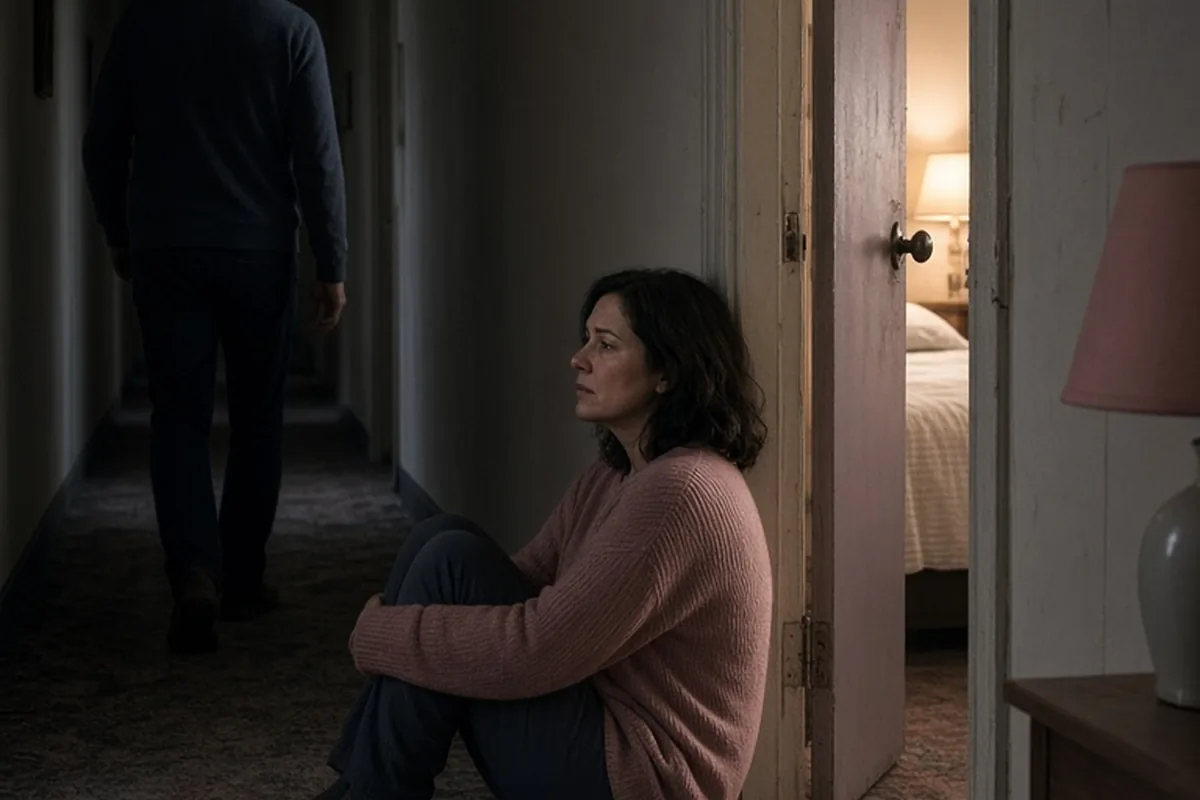
An emotionally distant spouse consistently pulls away from emotional intimacy, offering brief responses, avoiding vulnerable conversations, and remaining detached during daily interactions. Addressing this requires pausing pressure tactics, identifying possible stressors or protective attachment patterns without assigning blame, communicating personal feelings neutrally through clear observations, and creating low-pressure opportunities for shared comfort and mutual engagement.
Living alongside a partner who feels emotionally unreachable can create profound loneliness within a marriage. When meaningful sharing is replaced by surface-level logistics or silence, it is common to feel confused about how to bridge the growing divide without causing further withdrawal.
Recognizing the Common Signs of Emotional Distance
Emotional detachment in a marriage rarely occurs overnight; instead, it often develops gradually through subtle behavioral shifts. An emotionally distant partner may participate fully in household tasks, childcare, and financial responsibilities while remaining completely unavailable for personal connection. Conversations frequently remain confined to factual updates, schedules, and administrative duties. When asked about their thoughts, fears, or aspirations, a detached spouse might offer curt answers, change the topic, or claim that everything is fine despite a palpable chill in the room.
Other noticeable indicators include avoiding sustained eye contact, showing indifference to relational milestones, and retreating into solitary activities such as excessive screen time, solitary hobbies, or overworking. For instance, a partner who previously shared work frustrations might now retreat directly to a phone or computer immediately upon arriving home, deflecting all inquiries. Distinguishing between temporary exhaustion and systemic emotional withdrawal depends on duration: temporary burnout usually resolves once an acute stressor lifts, whereas chronic emotional distance persists regardless of external circumstances.
Understanding What Causes a Partner to Pull Away
Emotional withdrawal is typically a defensive coping mechanism rather than a deliberate attempt to cause harm. Many people pull back when they feel overwhelmed, inadequate, or incapable of meeting relational expectations. If a spouse grew up in an environment where emotional vulnerability was met with criticism or neglect, they may have learned to suppress feelings and rely exclusively on self-reliance during moments of interpersonal tension. In adulthood, intimacy can subconsciously feel like a loss of autonomy or an invitation for inevitable conflict.
External pressures and unresolved marital friction also play significant roles in emotional shutdown. High-stress jobs, untreated mood difficulties, grief, financial burdens, or lingering resentment from past arguments can deplete an individual's emotional bandwidth. For example, if previous attempts to express vulnerability resulted in lengthy arguments, a spouse might decide that silence is the safest way to prevent escalation. Understanding that detachment often stems from self-protection or emotional depletion allows you to approach the issue with perspective rather than purely through the lens of rejection.
Breaking the Pursuer-Distancer Dynamic
One of the most common patterns in struggling marriages is the pursuer-distancer cycle. In this dynamic, one partner senses emotional distance and reacts with increased anxiety, asking frequent questions, demanding emotional check-ins, or expressing frustration about the lack of intimacy. In response, the distant partner feels overwhelmed, criticized, or pressured, which triggers an even deeper retreat into silence or isolation. This retreat prompts the pursuing partner to push harder, locking both individuals in an exhausting loop.
Interrupting this cycle requires the pursuing partner to intentionally step back and reduce relational pressure. Stepping back does not mean giving the silent treatment or emotionally abandoning the relationship; rather, it involves pausing continuous demands for emotional disclosure. When you stop chasing, you create the necessary emotional space for your spouse to experience the relationship without feeling cornered. For instance, instead of asking five probing questions when your spouse walks through the door, offering a warm, brief greeting and returning to your own task allows them to decompress without feeling interrogated.
Shifting Communication from Critique to Open Invitation
When attempting to engage an emotionally reserved spouse, the phrasing and timing of your words matter significantly. Accusatory statements such as 'You never open up to me' or 'You do not care about this family' naturally trigger defensive barriers and shut down productive dialogue. A more constructive approach involves framing observations neutrally using 'I' statements that focus on your personal feelings and specific experiences rather than diagnosing your partner's shortcomings.
Consider replacing high-pressure demands with low-stakes invitations. For example, instead of saying, 'We never talk anymore and you are always closed off,' you might say, 'I have noticed things have felt a bit quiet between us lately, and I miss hearing about your day. I am here whenever you feel like chatting, with no agenda.' This approach removes the immediate performance demand while clearly signaling that you remain available and receptive. It is also beneficial to share your own lighthearted or vulnerable experiences without immediately expecting an equivalent emotional disclosure in return.
Rebuilding Closeness Through Low-Pressure Micro-Moments
Attempting to solve emotional distance through marathon relationship summits often backfires by generating intense performance anxiety. Instead, rebuilding emotional closeness is usually most effective when achieved through consistent, low-pressure micro-moments. These are small, everyday interactions that foster shared comfort without demanding deep emotional vulnerability. Parallel activities—such as taking a walk together, working on a home project side by side, or cooking a meal—can facilitate organic conversation because they do not require continuous face-to-face intensity.
Physical proximity paired with non-demanding warmth can gradually restore a sense of safety within the bond. Offering a genuine compliment, making a cup of coffee without being asked, or sharing a brief moment of humor over a shared interest can soften defensive barriers over time. For instance, watching a lighthearted show together on the sofa without steering the conversation toward marital problems allows both partners to experience shared comfort without the fear of an impending emotional confrontation.
Maintaining Personal Balance and Healthy Boundaries
Focusing entirely on a spouse's emotional temperature can lead to codependency, chronic anxiety, and resentment. When your daily mood is dictated entirely by whether your partner smiles or withdraws, you surrender your own emotional stability. Cultivating self-care, maintaining close friendships, engaging in independent hobbies, and nurturing personal goals are essential strategies for staying grounded while navigating marital distance. A fulfilling personal life provides resilience and prevents you from placing the entire burden of your emotional needs on a partner who is currently unable to meet them.
At the same time, maintaining personal balance requires setting constructive boundaries around acceptable behavior. Emotional distance should not be conflated with verbal cruelty, stonewalling during critical practical decisions, or complete neglect of marital obligations. You can communicate your boundaries with calm clarity: 'I understand you need quiet time right now, but we still need to coordinate our family schedule calmly.' Setting limits prevents you from harboring deep resentment while keeping practical aspects of daily life functional.
Knowing When to Seek Professional Support
While individual adjustments can significantly improve the relational climate, persistent emotional detachment often benefits from professional guidance. If your attempts to communicate are consistently met with prolonged stonewalling, or if the lack of connection has eroded basic trust and mutual respect, suggesting couples therapy can provide a structured, neutral setting. A trained counselor can help uncover deep-rooted communication patterns, past injuries, or individual mental health challenges that fuel the withdrawal.
If a spouse is unwilling to attend therapy, seeking individual counseling can still be immensely valuable. An individual therapist can help you process feelings of isolation, establish healthy boundaries, and evaluate what you need from a long-term partnership. It is essential to recognize the difference between a partner working through internal struggles and one who has definitively checked out of the marriage. Clear, professional support can offer clarity on whether the relationship holds the mutual willingness required to rebuild authentic emotional intimacy.
Frequently asked questions
Can an emotionally distant spouse change over time?
Yes, an emotionally distant partner can change if they recognize the behavior and possess the desire to cultivate closer connection. Lasting change typically requires identifying the underlying fears or stressors driving the withdrawal and actively practicing new communication habits over time.
How do I know if my partner is emotionally distant or falling out of love?
Emotional distance often stems from stress, conflict avoidance, or personal burnout, where the person still values the commitment but lacks emotional capacity. In contrast, falling out of love typically involves active indifference, a lack of interest in the future of the marriage, and an unwillingness to engage even when pressure is removed.
What should I do if my spouse gives me the silent treatment?
Acknowledge the silence calmly without reacting with anger or desperate pleading. Let them know you are ready to talk when they are prepared to have a respectful conversation, and then focus on your own daily routine to avoid reinforcing the behavior through reactive panic.
Is emotional distance considered a form of neglect?
Severe, chronic emotional withdrawal that involves deliberate stonewalling and total refusal to acknowledge a partner's basic emotional presence can become emotionally harmful over time. However, many instances of emotional distance reflect temporary defensiveness or overwhelmed coping mechanisms rather than intentional neglect.
Your next step
Choose one low-pressure interaction to practice today, such as offering a warm, non-demanding greeting or sharing a pleasant parallel activity, while deliberately stepping back from relationship interrogations.