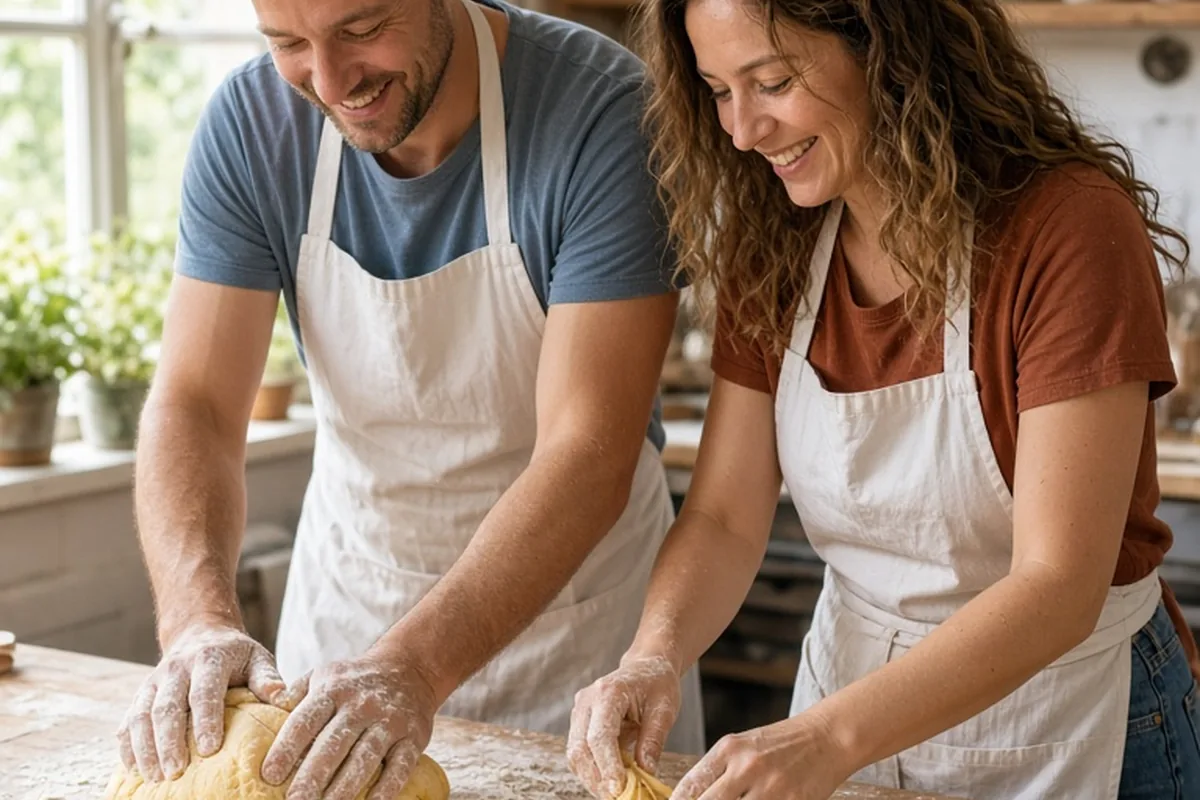
Experience gifts for couples focus on shared time rather than physical objects, offering partners space to connect through cooking classes, outdoor recreation, restorative wellness days, or cultural outings. The most successful gifts account for both individuals' schedules, physical comfort, and energy levels without imposing logistical stress. Choosing flexible booking options and low-pressure activities ensures the experience remains enjoyable, restorative, and genuinely memorable for both partners.
Physical possessions often end up tucked away in closets or forgotten on shelves, but shared moments tend to linger in conversation long after they conclude. Giving an activity allows two people to step away from daily routines and focus entirely on enjoying each other's company.
Assessing Mutual Comfort Zones and Schedules
Selecting an experience begins with an honest evaluation of what both partners genuinely enjoy, rather than what looks impressive on an itinerary. A frequent misstep is picking an activity that thrills one person while leaving the other feeling anxious, out of place, or exhausted. For example, booking an intense whitewater rafting trip for a couple where one partner fears fast currents turns a gift into an ordeal. The best options establish an accessible baseline where neither person feels pressured to perform or step far outside their physical comfort zone.
Practical availability is just as vital as personal interest. Many well-intentioned vouchers expire unredeemed because they require complicated travel, inflexible weekend dates, or strict cancellation windows. When selecting an outing, consider typical work hours, childcare commitments, and recovery downtime. For busy couples juggling demanding careers or young families, an elaborate weekend trip can feel like an extra burden. In those cases, local day excursions or open-dated reservations offer the flexibility needed to unwind without fighting a calendar.
Hands-On Culinary Classes and Tasting Tours
Food and beverage experiences remain classic choices because dining is inherently collaborative and social. Interactive classes, such as handmade pasta workshops, regional sourdough baking, or artisanal pastry decorating, invite teamwork in a low-stakes environment. In a typical pasta-making workshop, partners divide tasks, knead dough together, and sit down to enjoy the meal they prepared. This cooperative dynamic provides immediate shared accomplishment and often equips couples with cooking techniques they can recreate at home.
However, culinary outings require careful attention to dietary restrictions and lifestyle preferences. Booking a cellar wine tour for someone who avoids alcohol, or scheduling a seafood tasting without checking for shellfish allergies, creates immediate discomfort. Always verify that a venue accommodates dietary alternatives seamlessly. Additionally, group cooking classes can sometimes feel loud and crowded; couples who prefer quiet, personal dialogue may enjoy a private tasting session or an organized self-guided food walk through a historic neighborhood far more than an industrial kitchen setting.
Creative Workshops and Tactile Arts
Creative workshops offer an inviting balance between learning something novel and taking home a physical keepsake. Activities like pottery wheel throwing, woodworking, printmaking, or stained-glass assembly encourage focus on tactile materials rather than digital screens. Immersing oneself in an artistic craft promotes a lighthearted, playful mindset where imperfections are part of the process. When two people learn to shape clay together, the shared novelty places them on equal footing as beginners, encouraging laughter and mutual support.
A clear benefit of artistic sessions is the resulting object, such as a hand-thrown ceramic bowl or carved wooden cutting board, which serves as a long-term reminder of the outing. The main trade-off is that technical crafts can occasionally frustrate perfectionist personalities if expectations are set too high. To keep the atmosphere light, seek out studios that emphasize creative exploration and beginner fundamentals rather than rigorous technique. Single-session introductory workshops are generally preferable to multi-week classes, which demand prolonged scheduling commitments.
Nature Escapes and Low-Impact Outdoor Recreation
Spending structured time outdoors provides rapid decompression from urban commotion and screen fatigue. Outdoor experiences can span from guided kayak paddles along calm estuaries and dark-sky stargazing sessions to comfortable glamping stays in state parks. For example, renting a tandem canoe on a tranquil lake followed by a packed picnic allows partners to explore at their own pace in peaceful surroundings. Being immersed in nature naturally slows conversational tempo and removes everyday domestic distractions.
The primary drawback of outdoor gifts is their reliance on favorable weather and varying physical capabilities. A scenic mountain hike sounds delightful until unpredicted rain, rocky terrain, or inadequate gear dampens spirits. When planning an outdoor gift, match the physical demands directly to the recipients' known habits and fitness comfort. Select guided services that supply all necessary safety equipment, dry bags, and gear, and ensure the booking carries a straightforward weather-rescheduling policy to prevent unnecessary frustration.
Restorative Wellness and Relaxation Retreats
For couples managing sustained professional strain or domestic fatigue, wellness experiences provide dedicated physical rest. Amenities such as thermal bath circuits, private cedar soaking tubs, salt caves, or side-by-side massages provide deep relaxation without requiring active problem-solving. Unlike high-energy outings, wellness facilities allow partners to sit quietly together in a soothing setting, alternating between warm soaking pools and quiet lounges to let tension dissipate naturally.
Sensory preferences and personal boundaries are central when choosing wellness gifts. Some people feel self-conscious in communal bathhouses or dislike the physical contact involved in deep-tissue bodywork. Fragrant aromatherapy oils, intense dry heat in saunas, or strict quiet rules may also not suit everyone. To ensure comfort, prioritize day spas that offer private treatment rooms, neutral scent options, and customizable services. This allows each partner to tailor their personal treatment while still enjoying the overall outing together.
Cultural Outings and Live Evening Entertainment
Cultural events offer intellectual stimulation and provide an occasion to dress up and celebrate. Securing tickets to a touring musical, a regional symphony performance, an intimate jazz club, or an after-hours museum exhibition gives couples an event on the calendar to anticipate. An evening spent listening to live music in a courtyard setting, followed by coffee and dessert at a nearby cafe, encourages thoughtful conversation about the performance that stretches well beyond daily household chatter.
The practical limitation of evening entertainment is energy conservation, especially at the end of an exhausting workweek. Attending a three-hour production or navigating congested downtown parking after a long day can sometimes feel more tiring than refreshing. To maintain high enjoyment, look for weekend matinee performances or venues with accessible parking and uncomplicated entry. Choosing lively, accessible performances—such as stand-up comedy showcases or outdoor orchestra sets—often proves less demanding than lengthy, intense dramas.
Managing Logistics, Expirations, and Tangible Presentation
The final success of an experience gift often comes down to administrative ease. A major pitfall with third-party activity vouchers is restrictive fine print, including rigid expiration periods, blackout dates, or cumbersome redemption websites. Whenever possible, buy gift certificates directly from the primary provider or choose open-dated reservations that allow the couple to pick their own calendar slot. If an outing requires travel or overnight lodging, consider how those supplemental expenses will be covered so the gift does not create unexpected financial obligations.
Presentation also shapes the recipients' initial reception of an activity. Handing over a folded digital printout can feel transactional and anticlimactic. To make the moment engaging, pair the ticket or reservation details with a small, relevant item that foreshadows the upcoming event. Presenting a jar of regional pasta sauce alongside a cooking class voucher, or giving wool trail socks with a park cabin reservation, delivers immediate physical warmth while setting up anticipation for the shared adventure.
Frequently asked questions
How do I choose an experience gift if the couple has completely different hobbies?
Focus on neutral activities centered on relaxation, novelty, or comfort rather than specialized skills. Options like casual food tours, beginner pottery classes, or scenic boat charters place both partners on equal ground without requiring prior expertise.
Should I lock in a specific date when buying an experience gift?
It is generally safer to purchase open-ended vouchers or flexible gift certificates that allow recipients to choose their own timing. Only confirm specific calendar dates if you have directly verified the couple's schedule and confirmed that reservations can be rescheduled without penalty.
Are experience gifts practical for couples with young children?
Yes, provided the time commitment is manageable and does not create childcare hurdles. Consider selecting daytime activities that align with school hours, or pair the gift with an offer to babysit so the couple can enjoy their time without logistical friction.
Your next step
Assess the couple's current energy levels and routine, select a flexible, low-stress activity that respects both partners' comfort zones, and present the confirmation with a small related item to make the reveal tangible.