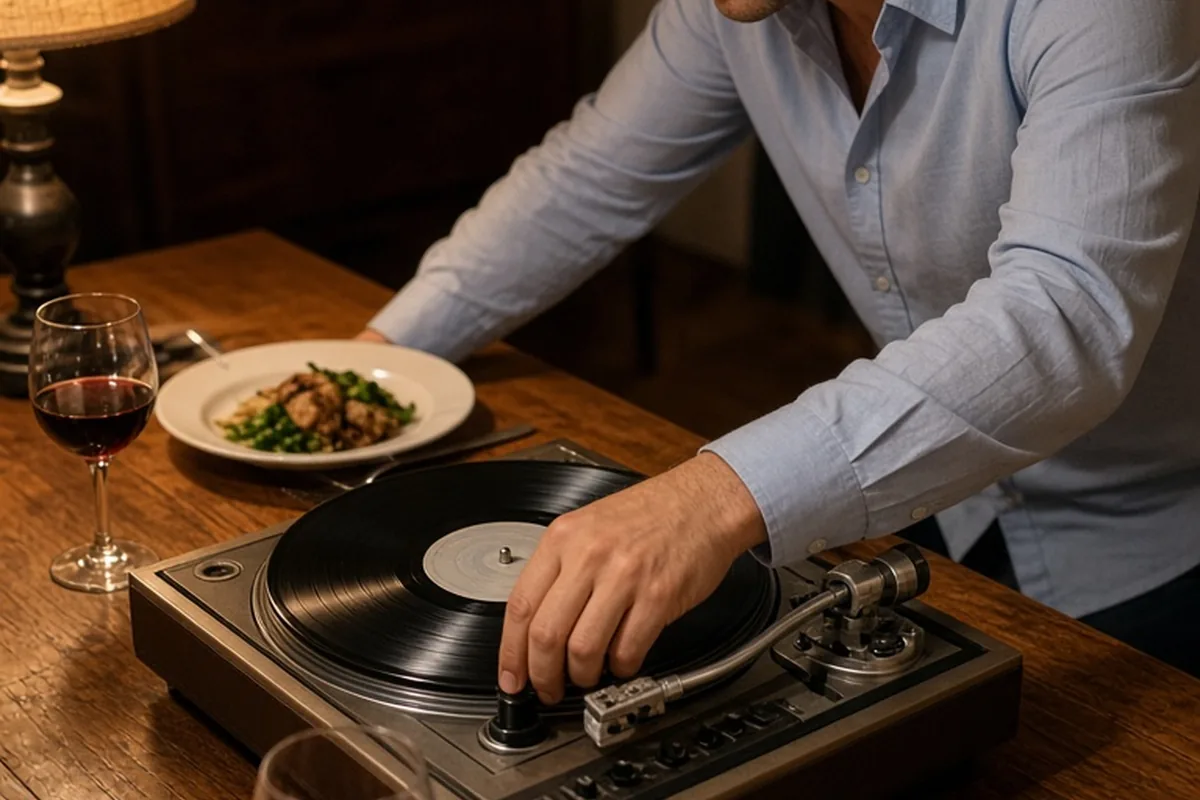
Famous French love songs set a romantic mood through expressive melodies, poetic lyricism, and rich acoustic arrangements. Essential classics include Édith Piaf's 'La Vie en rose' and 'Hymne à l'amour', Jacques Brel's fervent 'Quand on n'a que l'amour', Serge Gainsbourg and Jane Birkin's whispered 'Je t'aime... moi non plus', Charles Aznavour's nostalgic 'La Bohème', and Carla Bruni's intimate contemporary ballad 'Quelqu'un m'a dit'.
French romance has long held a distinct place in popular music, blending sophisticated instrumentation with poetic storytelling that feels personal and expressive. Whether planning an intimate dinner at home, unwinding during a shared evening, or simply exploring legendary European recordings, choosing the right track can instantly shape the atmosphere.
Mid-Century Giants of Classic French Chanson
The golden age of French chanson in the mid-twentieth century established a dramatic, deeply emotive style of love song that remains unmatched for sweeping romance. Édith Piaf stands as the foundational figure of this movement. Her 1947 masterpiece 'La Vie en rose' captures the radiant optimism of seeing life through the lens of newfound affection, driven by warm strings and her unmistakably resonant vibrato. For occasions calling for unabashed passion and devotion, Piaf's 'Hymne à l'amour' delivers unmatched emotional intensity, celebrating a bond capable of withstanding any worldly hardship.
Equally influential is Jacques Brel, whose theatrical delivery and lyrical vulnerability brought rare depth to French romantic music. While his iconic 'Ne me quitte pas' captures the desperate heartbreak of loss, his gentler composition 'Quand on n'a que l'amour' serves as a soaring tribute to romantic optimism, arguing that love alone is enough to overcome societal struggle. Charles Aznavour contributed a refined, narrative approach to romance with classics like 'La Bohème' and 'Hier encore', evoking romantic memory and bohemian nostalgia with lush orchestration and a smooth, conversational vocal cadence.
When integrating these mid-century recordings into a contemporary evening, audio mastering differences should be considered. Vintage tracks from the 1940s and 1950s feature acoustic arrangements, brass accents, and analog warmth that pair exceptionally well with seated dinners, conversation over wine, or relaxed cooking sessions where the music supports rather than dominates the environment.
Sensual Whispers and Yé-Yé Elegance from the 1960s
The late 1960s introduced a shift toward understated intimacy, breathy vocals, and innovative pop arrangements in French music. Serge Gainsbourg redefined the sonic landscape of romance with compositions that favored whispered phrasing over operatic power. His 1969 duet with Jane Birkin, 'Je t'aime... moi non plus', remains one of the most famous intimate recordings in pop history, characterized by its hypnotic bassline, sweeping string swells, and delicate vocal exchanges. For a more understated mood, Gainsbourg's 'La Javanaise' offers a graceful waltz tempo paired with clever wordplay and gentle acoustic backing.
During the same decade, the French yé-yé pop wave introduced Françoise Hardy, whose melancholic elegance provided a cooler, introspective take on romantic longing. Her breakthrough track 'Tous les garçons et les filles' captures the quiet desire for connection against simple, rhythmic strumming. Similarly, 'Le temps de l'amour' and 'Mon amie la rose' combine 1960s retro charm with airy, wistful melodies that evoke a stylish and relaxed romantic backdrop.
These tracks work particularly well during relaxed evening gatherings or casual dates where the goal is a chic, vintage atmosphere. Their lighter instrumentation and lower dynamic range make it easy to maintain natural conversation without sudden jumps in volume or tempo.
Modern French Acoustic Ballads and Contemporary Romance
French romantic songwriting continued to evolve through the late twentieth century and into contemporary music, leaning toward intimate acoustic arrangements, folk influences, and modern production. Francis Cabrel's 1979 release 'Je l'aime à mourir' is widely regarded as one of the most romantic acoustic guitar ballads ever recorded in the French language. Built upon fingerpicked guitar and sincere vocal delivery, the song offers an unhurried, heartfelt devotion that fits quiet, distraction-free settings.
In the early 2000s, Carla Bruni revitalized interest in intimate French acoustic chanson with her album 'Quelqu'un m'a dit'. The title track features gentle nylon-string guitar, soft percussion, and Bruni's signature raspy whisper, creating a close-mic sensation that feels like a private performance in your living room. Her interpretation of Charles Trenet's 'Douce France' and original tracks like 'Raphaël' provide a consistently warm, soothing tone ideal for quiet evenings together.
More recent French artists continue this legacy with varied textures. Modern singer-songwriters such as Benjamin Biolay, Pomme, and Zaho de Sagazan blend classical songwriting traditions with subtle synth textures and modern indie folk. Incorporating contemporary French acoustic tracks helps keep a playlist fresh while preserving the timeless charm associated with French romantic songwriting.
Selecting Famous French Love Songs for Specific Romantic Settings
Not every famous French love song fits every stage of an evening. Selecting tracks that complement the natural flow of your gathering ensures the music supports the atmosphere rather than feeling disjointed. For an intimate dinner where conversation is the primary focus, medium-tempo tracks with steady instrumentation create an inviting backdrop without demanding constant attention.
Classic tracks such as Henri Salvador's 'Petite fleur', Yves Montand's 'Les feuilles mortes', or Georges Brassens' gentle ballads provide warm acoustic rhythm and nostalgic character that fill conversational pauses naturally. These selections work well because their volume dynamics remain stable, avoiding sudden brass crescendos or jarring tempo shifts that can disrupt dinner conversation.
For later in the evening, when the environment shifts toward relaxation, dim lighting, and closeness, down-tempo tracks with minimalist production are more effective. Songs like Carla Bruni's 'Quelqu'un m'a dit', Jane Birkin's 'Baby Alone in Babylone', or Francis Cabrel's acoustic catalog encourage a quiet, unhurried mood where subtle instrumentation complements the peaceful setting.
Navigating Lyrical Tone When You Do Not Speak French
A common trap when curating French romantic music is assuming every melodious or slow French song is a joyful celebration of love. The French chanson tradition has a deep affinity for dramatic irony, bittersweet longing, and profound heartbreak. A track can sound exquisitely romantic and sensual while its lyrics depict devastating separation, unrequited devotion, or tragic loss.
For example, Jacques Brel's 'Ne me quitte pas' sounds deeply passionate and stirring, but its narrative represents a desperate plea from someone unraveling after a painful abandonment. Similarly, Charles Aznavour's 'Hier encore' reflects on lost youth and missed opportunities rather than thriving romantic connection. While these songs remain musical masterpieces and can evoke deep emotional resonance, understanding their emotional tone ensures your playlist matches your intended energy.
If your goal is an uplifting, affectionate atmosphere, focus on tracks known for warm lyrical themes such as Édith Piaf's 'La Vie en rose', Francis Cabrel's 'Je l'aime à mourir', or Charles Trenet's upbeat 'La Mer'. If your preferred setting is moody, contemplative, and cinematic, including bittersweet ballads like 'Les feuilles mortes' or Barbara's 'Dis, quand reviendras-tu?' can add meaningful emotional depth.
Building and Pacing a Balanced French Romantic Playlist
Creating an effective French romantic playlist requires thoughtful pacing and volume management. A common mistake is grouping exclusively heavy mid-century orchestral tracks together, which can become fatiguing over an hour or two. A balanced playlist alternates eras, arrangements, and vocal textures to keep the listening experience engaging and natural.
Begin your playlist with warm, mid-tempo tracks that establish a welcoming environment as the evening starts. Blend 1960s pop elegance from Françoise Hardy with mid-century swing from Charles Trenet. As the evening progresses into dinner or relaxed conversation, transition into acoustic guitar and softer piano pieces by Francis Cabrel, Carla Bruni, and Benjamin Biolay.
Audio normalization is also a practical consideration. Streaming platforms feature recordings remastered across different decades, meaning a track from 1950 may play significantly quieter or harsher than a track recorded in 2020. Enabling the 'normalize volume' setting in your streaming application prevents disruptive jumps in loudness and preserves a seamless ambiance throughout your evening.
Illustrative Scenarios
Balancing Vocal Intensity with Intimate Conversation
Julian planned an anniversary dinner at home and created a playlist filled with intense, high-drama vintage French chanson. During the main course, sudden orchestral swells and theatrical crescendos repeatedly overwhelmed their conversation, requiring frequent volume adjustments. Recognizing that the dramatic volume shifts interrupted their easy flow of talking, Julian switched to an acoustic French selection featuring Carla Bruni, Henri Salvador, and Françoise Hardy. The gentler tempos, steady dynamics, and understated guitar accompaniment let the couple focus on sharing stories rather than managing the audio.
Key point: Selecting acoustic tracks with consistent dynamic levels supports natural conversation and shared connection much better than dramatic, full-orchestra vocal arrangements.
Aligning Musical Tone with the Stage of Dating
Elena hosted a relaxed casual dinner for someone she had recently started dating, queuing a playlist of classic French love songs. However, several selections were deeply somber breakup ballads with heavy operatic pacing, creating a surprisingly heavy atmosphere for an early-stage date. Sensing the shift in room energy, Elena adjusted the queue by mixing in upbeat 1960s yé-yé pop tracks and light bossa-nova-influenced French melodies. The lighter rhythm helped ease first-date nerves, encouraging playful conversation while keeping the mood warm, friendly, and unpressured.
Key point: Checking the tempo and emotional tone of songs ensures the background music matches the relaxed, low-pressure atmosphere appropriate for early dating.
Frequently asked questions
What is considered the most iconic French love song for a romantic dinner?
Édith Piaf's 1947 classic "La Vie en rose" remains the most recognized French love song worldwide. Its poetic lyrics celebrate viewing the world through the lens of love, making it an effortless centerpiece for any romantic evening. Pairing it with softer mid-century ballads helps maintain a relaxed, elegant ambiance.
Can French romantic music work if neither person understands the lyrics?
Yes, expressive melodies and acoustic instrumentation communicate romance and warmth across language barriers. Foreign-language songs can actually prevent listeners from getting distracted by lyrical details, allowing them to stay engaged in direct conversation. Focusing on mellow acoustic guitars or smooth vocals ensures the mood remains warm and inviting.
How should a French love song playlist be structured for a date night?
A well-balanced playlist typically includes 30 to 45 songs lasting about two to three hours. Start with gentle acoustic tracks while cooking or greeting each other, move to warm mid-tempo chansons during the meal, and transition to softer ballads as the evening winds down. This gradual pacing avoids jarring volume changes and keeps the atmosphere smooth throughout the night.
Which modern French artists fit well alongside vintage chanson classics?
Modern artists like Carla Bruni, Thomas Dutronc, and Keren Ann blend seamlessly with golden-era icons like Charles Aznavour and Françoise Hardy. Their understated production and intimate vocal delivery complement classic recordings without creating abrupt stylistic clashes. Mixing vintage and contemporary tracks keeps the listening experience fresh across a long evening.
Your next step
Assemble a starter playlist of 10 to 15 tracks mixing Édith Piaf, Carla Bruni, Françoise Hardy, and Francis Cabrel, enable volume normalization in your audio settings, and test the sound level in your room before your evening begins.