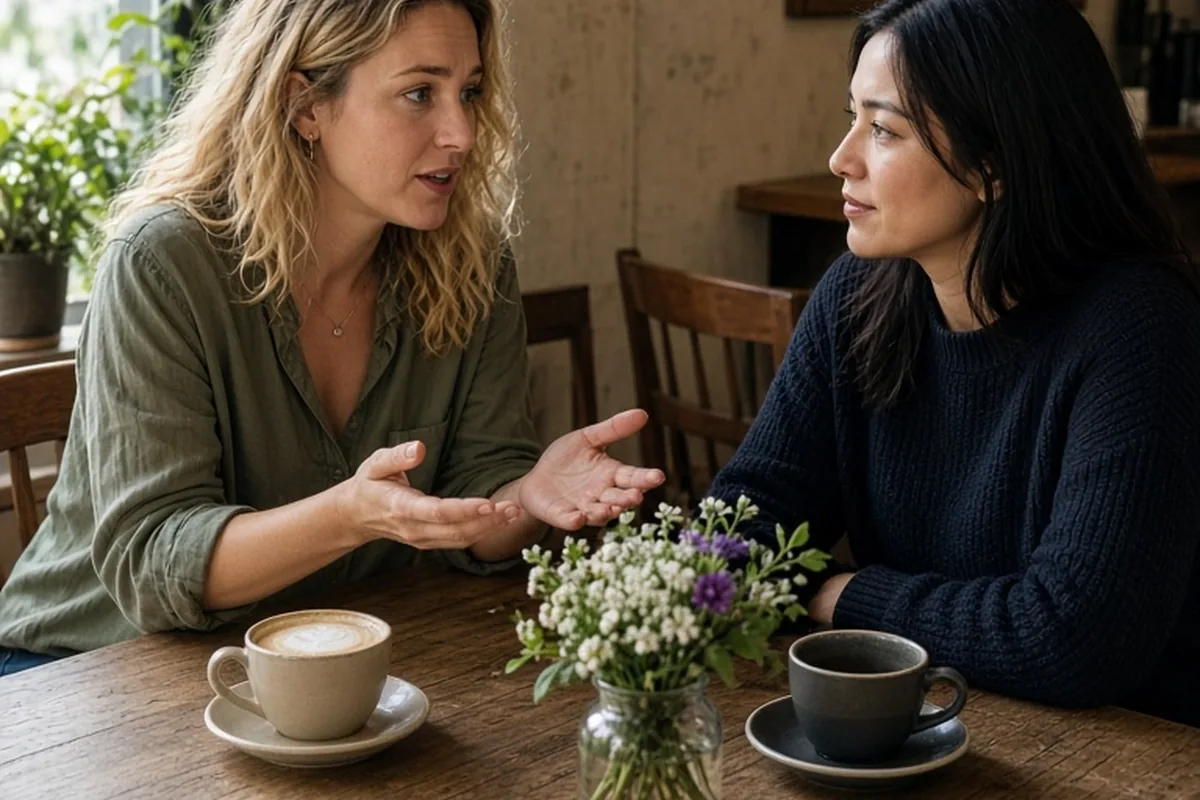
Famous siblings from the silver screen and beyond range from visionary filmmaking duos like the Coen brothers and the Wachowskis to multi-talented performers like the Gyllenhaals, Fondas, Wayanses, and Jacksons. Across cinema, television, and music, these partnerships show how shared roots fuel creative shorthand while requiring intentional boundaries. Their trajectories prove that lasting relationships depend on honoring individual artistic autonomy, resisting media-driven comparisons, and separating personal family loyalty from professional and commercial pressures.
Stepping into the public eye alongside a brother or sister creates an intense blend of shared creative power, emotional support, and unavoidable professional comparison.
Visionary Filmmaking Duos and Cinematic Storytelling Teams
In the history of cinema, some of the most cohesive artistic visions have come from sibling partnerships behind the camera. Joel and Ethan Coen established a distinct cinematic voice across decades of acclaimed films, relying on a shared storytelling sensibility that allowed them to write, direct, and edit with unified precision. Similarly, Lana and Lilly Wachowski reshaped science fiction and modern action choreography through collaborative world-building, while contemporary directors like the Safdie brothers have channeled frantic sibling energy into grounded, hyper-realistic character dramas. Working with a sibling behind the lens often provides an instinctive creative shorthand that outside collaborators spend years trying to build.
That shared background can also heighten creative tensions when artistic priorities shift. Long-term cinematic partners frequently navigate periods where one sister or brother wants to explore solo material, test different genres, or step away from demanding production schedules. Acknowledging that creative synchronicity is not static allows filmmaking siblings to pursue separate projects without fracturing their underlying bond. Taking planned professional breathers often preserves both the originality of their joint work and the durability of their lifelong personal relationship.
Television and Comedy Families Building Lasting Creative Ensembles
The small screen has frequently served as a launching pad for sibling groups who combine their talents to build expansive comedy franchises. The Wayans family exemplifies how multiple brothers and sisters can create influential sketch shows, sitcoms, and parodies by combining distinct comedic voices into a recognizable creative collective. On television, siblings often serve as each other's most reliable allies, offering trusted feedback and mutual protection in an industry notorious for treating creative performers as replaceable commodities. Their collective work demonstrates that shared cultural roots can build generational entertainment legacies.
Other television siblings, including the Lawrence brothers and the Culkin siblings, highlight the layered dynamics of entering entertainment as children. Macaulay, Kieran, and Rory Culkin each navigated the pressures of early fame, yet Kieran and Rory steadily carved out acclaimed, adult acting profiles on their own terms. When families enter television acting early, the presence of brothers and sisters can provide grounding normalcy, provided that parents and managers avoid pitting siblings against one another for the same roles or contracts.
Crossing Over to the Music Stage: Vocal Powerhouses and Producers
Moving beyond the cinema screen into live performance and recording studios reveals another dimension of sibling collaboration. Musical dynasties like the Jackson family demonstrated how early collective training can produce global icons, even as solo breakout stardom reshapes the family dynamic. In modern music, partnerships like Billie Eilish and Finneas O'Connell showcase how complementary skill sets—one sibling fronting the vocals and the other shaping the production—can craft chart-topping records from the intimate setting of a home studio without the friction of competing for the same microphone.
Similarly, Beyoncé and Solange Knowles developed distinct, critically celebrated musical paths that celebrate sisterhood while honoring radically different artistic lanes. While one built stadium-filling cultural spectacles, the other forged experimental, boundary-pushing soul and visual art. When siblings in music establish different creative lanes early, they protect themselves from direct comparisons, allowing each artist to develop a genuine following without existing in the other's shadow.
Navigating Asymmetrical Fame and Persistent Industry Comparisons
One of the hardest hurdles for famous siblings is asymmetrical recognition, where one individual achieves runaway stardom while the other works in quieter, supporting, or independent spaces. Media outlets and casual audiences instinctively rank siblings based on awards, box office numbers, or physical appearance, creating external narratives of rivalry where none may naturally exist. Performers like Luke and Owen Wilson or the Hemsworth brothers face constant public evaluations of their respective filmographies, which can foster unspoken friction if not actively managed with maturity.
Overcoming unequal visibility requires deliberate communication and mutual generosity. The more prominent sibling must avoid condescension or overbearing career coaching, while the sibling with the quieter profile benefits from defining professional success outside of mainstream metrics. When families actively celebrate each other's personal milestones—independent of awards shows or commercial box office rankings—they prevent public perceptions from eroding their private sense of equity and mutual respect.
Balancing Sibling Allegiance With Strict Professional Boundaries
Mixing personal affection with business contracts introduces significant vulnerabilities, as financial disputes and creative disagreements can quickly poison holiday dinners. Famous siblings who sustain multi-decade careers often rely on external professional buffers, such as independent talent managers, separate legal representation, and transparent written agreements. These structures ensure that hard business decisions do not masquerade as personal betrayals, giving both parties permission to negotiate terms objectively without risking the family connection.
Establishing explicit boundaries also means knowing when not to work together. While casting a sibling in a film or hiring a brother to produce a tour might seem natural, it can create awkward hierarchies if one person becomes the employer of the other. Healthy sibling partnerships acknowledge power differentials openly and decline joint ventures if the dynamic threatens their personal peace. Protecting the bond as siblings must consistently take precedence over securing a temporary commercial opportunity.
Carving Out Distinct Identities After Starting as a Sibling Brand
Performers who begin their public careers as a packaged unit face a specific transition when adulthood demands individual self-expression. Mary-Kate and Ashley Olsen built a childhood multimedia empire before deliberately stepping away from acting to co-found a respected luxury fashion house, presenting a united front while transitioning entirely out of Hollywood's spotlight. Conversely, other sibling performers intentionally separate their creative work, choosing independent directors and disparate genres to prove their capability as standalone artists.
Differentiating oneself from a famous sibling requires patience, as public perception often lags years behind an artist's personal evolution. It demands that an actor or musician resist accepting projects that merely trade on family nostalgia, opting instead for roles that highlight their unique strengths. When siblings support each other through these identity shifts, they show that outgrowing a shared brand does not mean outgrowing the relationship itself.
Everyday Lessons From Famous Siblings for Family Relationships
The experiences of entertainment dynasties offer valuable insights for ordinary families navigating joint business ventures, shared caretaking responsibilities, or creative side projects. Like celebrity siblings, brothers and sisters in regular life often struggle when childhood family roles are carried into adult collaborations. If one sibling was historically cast as the responsible organizer and another as the free-spirited dreamer, those old patterns can trigger friction when managing a family company or resolving an estate.
Adopting the healthy habits of successful creative siblings means communicating with structured clarity rather than emotional shorthand. Families thrive when they replace assumptions with explicit conversations about workload, recognition, and financial expectations. Recognizing that every sibling brings distinct strengths allows family members to collaborate effectively without demanding identical contributions, turning shared history into a genuine cooperative asset rather than a source of continuous competition.
Illustrative Scenarios
Resolving Credit Friction in an Independent Film Project
Brothers Marcus and David launched a boutique documentary company. Marcus handled on-camera interviews while David oversaw picture editing and sound design. Following their first festival screening, media coverage focused almost entirely on Marcus, leaving David feeling like an invisible assistant despite contributing equal hours. David initially withdrew into passive silence, while Marcus assumed everything was fine. Recognizing the growing tension, they scheduled a dedicated business meeting outside their studio. Marcus immediately acknowledged the imbalance in public credit, and they restructured their company contract to list both as co-directors with equal billing across all press releases. The structured agreement resolved David's resentment and clarified their equal standing.
Key point: Proactive operational agreements and transparent shared credit prevent public visibility differences from damaging underlying brotherly trust.
Navigating Unequal Career Opportunities in the Arts
Sisters Elena and Clara both pursued professional musical theater in New York City. When Elena was cast in a prominent touring production while Clara faced a string of audition rejections, the disparity created an awkward barrier. Elena muted her excitement out of guilt, while Clara avoided asking about rehearsals to shield herself from feeling envious. Sensing the distance, Clara invited Elena for coffee and openly acknowledged her mixed emotions: she felt real grief over her own setbacks, but genuine pride in Elena's accomplishment. Elena thanked her for speaking up, admitting she had felt anxious about sharing her good news. By naming the discomfort without defensiveness, the sisters restored their mutual support.
Key point: Naming complex feelings directly allows siblings to celebrate one person's success without denying the other's real disappointment.
Frequently asked questions
How can siblings collaborate professionally without ruining their personal bond?
Siblings should establish formal written agreements and engage independent legal or managerial representation to handle financial decisions. Keeping business negotiations distinct from family gatherings ensures that professional friction does not bleed into personal relationships.
What is the best way to handle feeling overshadowed by a more successful sibling?
Focus on defining your own artistic or professional goals away from external family comparisons. Expressing your feelings directly and acknowledging mixed emotions prevents resentment from quietly taking root.
Why do many famous sibling directing or acting teams eventually pursue solo projects?
Solo projects allow individual artists to explore personal tastes, prevent creative burnout, and avoid becoming permanently tied to a single shared brand. Stepping apart professionally often renews appreciation for future joint collaborations.
How can parents encourage siblings entering the same competitive creative field?
Parents should avoid ranking achievements, comparing career paces, or framing industry opportunities as a zero-sum contest between their children. Celebrating distinct strengths and encouraging separate artistic identities helps siblings view one another as lifelong partners rather than rivals.
Your next step
Schedule an open, non-work conversation with your sibling or creative partner this week to clarify how credit and responsibilities are shared, ensuring that mutual appreciation guides your joint endeavors.