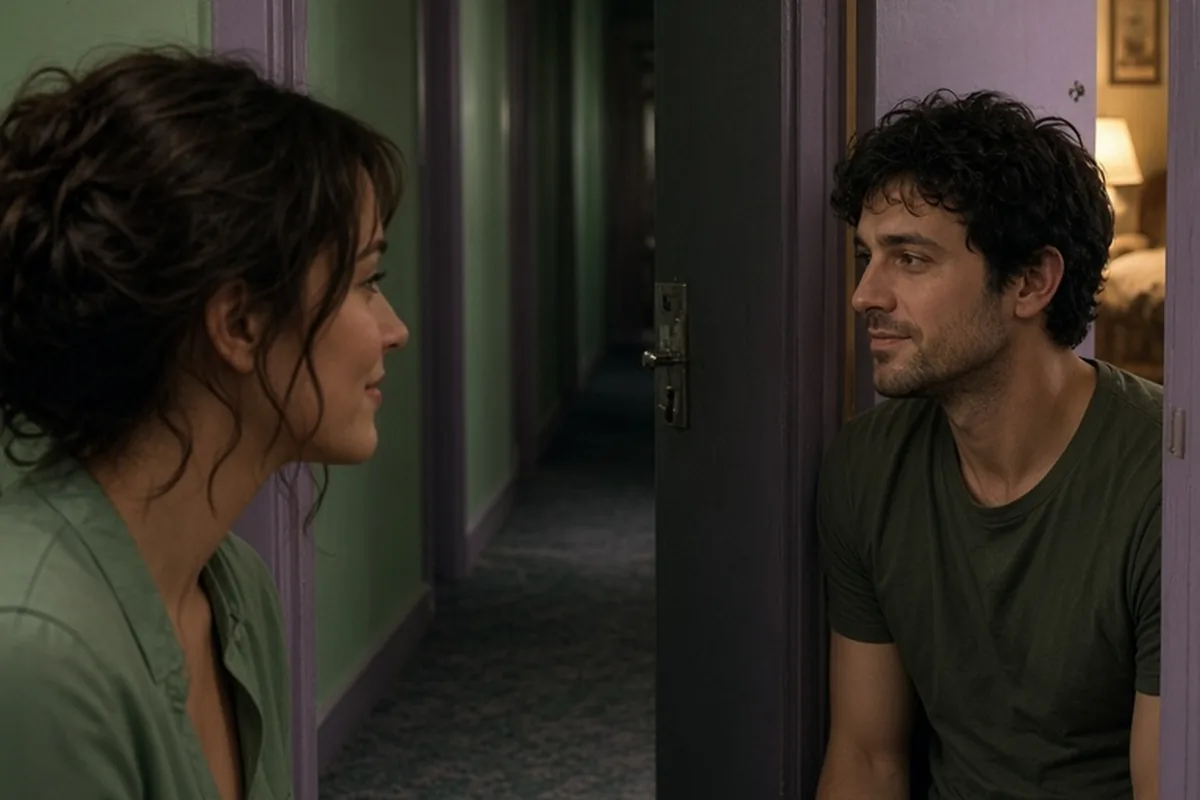
Effective first date conversation focuses on shared curiosity, lightweight personal stories, and low-stakes passions rather than rigid interview questions. Begin with observational prompts about your immediate surroundings, transition into casual interests like travel or favorite local spots, and balance sharing your own perspective with active listening. This approach creates mutual comfort while assessing organic chemistry and basic compatibility.
Meeting someone new often brings a mix of anticipation and nervous energy, especially when deciding what to talk about. Shifting your focus from performing perfectly to simply discovering who the other person is transforms the dialogue from a stressful test into an enjoyable, authentic interaction.
Starting with Low-Stakes Observational Openers
The opening minutes of a date set the emotional tone for the entire encounter. When people feel pressured to be instantly fascinating or profoundly witty, anxiety often leads to stiff greetings or rehearsed speeches. A more reliable way to begin is by anchoring the dialogue in your immediate environment. Remarking on the atmosphere of the venue, the menu, or an amusing detail from your commute gives both people an effortless entry point. This requires zero preparation, reduces performance pressure, and establishes a relaxed cadence right away.
For example, instead of asking an abrupt biographical question as soon as you sit down, you might say, 'I have heard great things about this neighborhood, but I have never tried this place before. How did your week go getting over here?' This bridges the gap between arriving and settling into a natural exchange. The limit of observational openers is that they are temporary stepping stones. Lingering on the weather or venue acoustics for twenty minutes can make the conversation feel stalled, so use them simply to settle your nerves before exploring broader topics.
Exploring Passions and Daily Joys Beyond Work
Asking someone what they do for a living is standard, but it often leads to routine, resume-style responses that feel like a job interview. People frequently spend forty hours a week working; on a date, they usually want to feel seen as individuals with hobbies, quirks, and personal aspirations. A more engaging approach is to ask about how they spend their free time or what projects currently excite them outside of their daily obligations.
You can transition by asking, 'When you get a completely free weekend with no plans, what is your favorite way to spend it?' or 'What is something you have been learning or getting into lately just for fun?' If they do mention their career, focus on their enthusiasm rather than the technical job description by asking what part of the work they find most rewarding. The key balance here is avoiding intense interrogation. If your date mentions an interest you know nothing about, let curiosity lead by asking them to explain the appeal rather than pretending to be an expert.
Sharing Anecdotes Through the Conversational Volley
A great conversation functions like a friendly game of catch, not a deposition. When one person asks a question, listens to the answer, and immediately fires off an unrelated question, the dynamic quickly becomes exhausting. The most engaging dates rely on conversational volleys, where each person shares a brief story or opinion related to the topic before tossing the conversational lead back to their partner.
For instance, if your date mentions they love hiking, you might validate their interest and add a quick personal connection: 'That sounds amazing. I tried a trail near the coast last spring, although I definitely underestimated the elevation on the way back. Do you prefer mountain trails or something closer to the water?' This structure shares a small piece of your personality, shows that you heard what they said, and provides a clear hook for them to respond without feeling put on the spot. The trade-off is ensuring your anecdotes remain concise; sharing a ten-minute monologue about a past vacation can accidentally shut down the other person's input.
Navigating Sensitive Topics and Past Experiences Gracefully
Dating involves people with full histories, including past relationships, career changes, single parenthood, or challenging life transitions. While total secrecy can feel distant, treating a first date as an emotional debrief can overwhelm a new acquaintance. The goal is to acknowledge your life circumstances with self-respect and clarity without getting bogged down in unresolved grievances or heavy emotional processing.
If past dating experiences or major personal topics arise organically, keep your framing centered on what you learned or where you are today. For example, a single parent might say, 'My schedule revolves around my daughter during the week, which has really taught me to be intentional with my free time.' This communicates important context honestly while maintaining a positive, forward-looking tone. If a topic feels too intimate or raw, you have every right to set a polite boundary by saying, 'That is a longer story for down the road, but right now I am really enjoying learning about your upcoming trip.' Respectful dates will appreciate the clarity and follow your lead.
Conversational Approaches for Introverts and Managing Pauses
Introverted daters or people who experience social anxiety often fear that a natural pause in conversation signifies immediate failure. In reality, a momentary silence is normal when two people are processing what was said or deciding what to order. Rushing to fill every quiet second with nervous chatter can make the date feel frantic, whereas comfortable composure actually projects quiet confidence.
To manage lulls comfortably, take a sip of your drink, offer a warm smile, and use the pause to ask a thoughtful follow-up on an earlier subject. You might say, 'Earlier you mentioned you grew up on the East Coast. What was the biggest adjustment when you moved out here?' This demonstrates that you were genuinely paying attention earlier in the evening. If you know you take time to warm up socially, choosing an activity-based date—such as visiting an art gallery, mini-golf, or a farmers market—provides built-in conversation prompts that take the pressure off non-stop face-to-face dialogue.
Reading Conversational Cues and Adjusting the Flow
Conversational chemistry requires paying attention to how your date responds, both verbally and through their engagement level. If someone gives short answers, frequently looks around the room, or seems reserved when a particular topic comes up, pressing harder on that subject usually increases their discomfort. Being adaptable and considerate allows you to steer the conversation back toward neutral, comfortable ground.
When you notice energy dipping or a topic falling flat, smoothly pivot without pointing out the awkwardness. You can introduce a lighter subject by saying, 'Switching gears completely, have you seen any movies or shows lately that actually lived up to the hype?' This gives the other person a fresh slate without making them feel judged for a quiet moment. Remember that conversation is a mutual responsibility; if you are asking thoughtful questions and offering relatable stories, yet the other person makes zero effort to participate, it simply means you may not be a natural match, which is useful information in itself.
Illustrative Scenarios
Breaking Out of the Resume Review
Marcus met a date at a downtown bistro and immediately felt the dialogue drifting into a rigid exchange of job titles, commute times, and office routines. Sensing the energy flatlining, he worried the date was a wash. Instead of doubling down on professional questions, Marcus paused, smiled, and asked about her favorite comfort food spot in the city. The shift in tone prompted an enthusiastic story about a hidden bakery, which allowed Marcus to share his own disastrous attempt at baking bread. The conversation quickly became animated and personal.
Key point: Shifting from functional facts to sensory preferences and humorous personal stories breaks the interview dynamic and invites genuine warmth.
Reframing a Quiet Moment
Elena was having dinner with someone whose soft-spoken nature left occasional silences between courses. Initially, Elena assumed the quiet meant her date was bored, which made her want to over-explain herself. Instead of panicking, she took a steady breath, appreciated the restaurant music, and referenced something he had mentioned earlier about his pet rescue dog. Her date smiled, visibly relaxed, and shared a funny memory about training the dog. The remainder of the evening felt unhurried and mutually comfortable.
Key point: Natural pauses do not equal disinterest; staying calm and referencing an earlier detail often restores an easy conversational rhythm.
Frequently asked questions
How do you handle an awkward silence on a first date?
Accept the pause without rushing to fill it with nervous chatter. Take a sip of your drink, stay present, and smoothly reconnect to a topic mentioned earlier or comment pleasantly on your surroundings.
Is it appropriate to bring up past relationships on a first date?
It is best kept brief and neutral unless the topic arises naturally. If it does come up, focus on personal growth rather than venting about an ex-partner or asking deeply personal questions about their dating history.
What should you do if your date only gives one-word answers?
Try switching to an open-ended question about an easy, engaging topic like travel, food, or upcoming weekend plans. If they continue offering minimal participation despite your best efforts, recognize that conversational chemistry may simply be lacking and finish the date politely.
How can you show genuine interest without sounding like an interviewer?
Pair your questions with short personal observations or brief related anecdotes before handing the conversation back. This creates a back-and-forth rhythm that feels like an organic dialogue rather than an interrogation.
Your next step
Choose two or three open-ended topics that reflect your genuine curiosity before your next date, and focus on listening to their perspective rather than scripting every exchange.