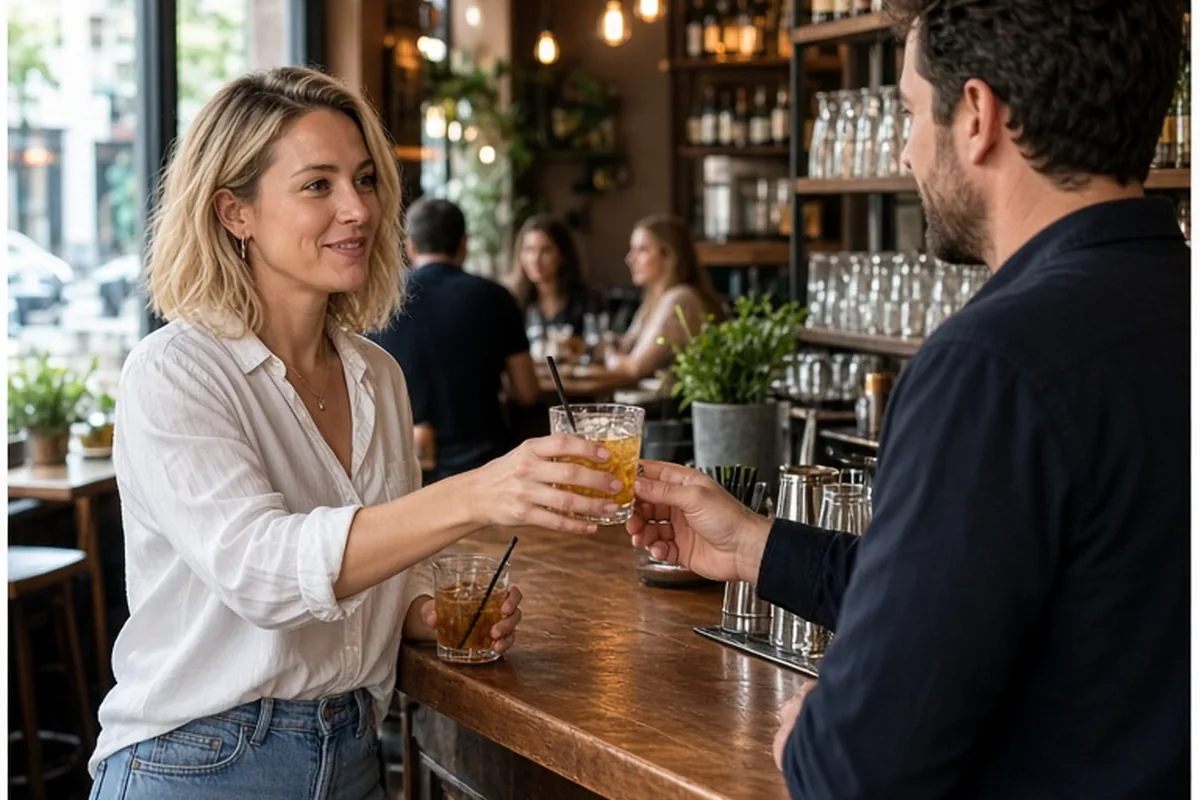
A first date safety plan is a proactive set of personal precautions designed to protect your physical well-being, privacy, and peace of mind when meeting someone new. It includes selecting public venues, arranging independent transportation, informing a trusted contact of your itinerary, safeguarding personal boundaries, and establishing a clear, discreet exit strategy in case an encounter feels uncomfortable or unsafe.
Meeting a new dating prospect in person brings excitement, curiosity, and natural uncertainty. Taking basic safety measures does not mean you are cynical or paranoid; rather, having a clear system in place removes baseline anxiety so you can focus entirely on mutual chemistry, fun conversation, and building genuine connection.
Selecting Public Venues and Defining Clear Timeframes
The environment you choose for a first date sets the physical and emotional tone for the entire interaction. Selecting a public, well-lit space with regular foot traffic ensures that other people and staff members are nearby, which provides a natural layer of comfort. Venues such as bustling neighborhood cafes, casual downtown bistros, vibrant museum galleries, or open public gardens allow for easy conversation without putting either person in an isolated or vulnerable position. In contrast, secluded parks after dark, private residences, or unfamiliar remote locations remove the natural accountability that public spaces provide.
Establishing a defined timeframe before the date begins is equally valuable for managing expectations. When you agree to meet for an hour-long afternoon coffee or a single evening drink, you create a built-in conclusion that either participant can end comfortably without awkwardness. If you suggest a public venue and your date pushes aggressively for a secluded spot or invites you directly to their home, communicate your boundary calmly. A message such as stating that you prefer keeping first meetups to casual neighborhood spots gives the other person a clear choice. If they respond with frustration, mockery, or manipulation, that reaction gives you crucial information about their respect for your preferences before you ever meet.
Maintaining Independent Transportation and Mobility
Retaining total control over how you arrive at and depart from a date is essential for personal autonomy. When you drive your own vehicle, take public transit, or use a rideshare service, you never depend on your date for transportation. Accepting a ride to a first date gives an unfamiliar person your home address and leaves you reliant on their schedule, driving habits, and willingness to take you home when you are ready to conclude the evening.
Practical transit management also involves basic situational awareness around your departure points. If you drive yourself, choose a well-lit parking lot or busy street where returning to your car late at night feels safe and visible. If you use a rideshare application, always cross-reference the driver name, vehicle make, and license plate number before getting inside. For added privacy when meeting someone for the very first time, you can set your pickup or drop-off location a block away or at a nearby commercial intersection rather than directly in front of your residence.
Establishing a Reliable Check-In System with a Trusted Contact
An effective safety plan relies on an external anchor who knows your itinerary before you step out the door. Choose a dependable friend, sibling, or family member and send them the essential details of your date. This summary should include the name of the person you are meeting, a screenshot of their dating profile or phone number, the specific name and address of the venue, and the approximate time you expect the meetup to start and finish. Many people also activate temporary live-location sharing on their smartphone with their designated contact for the duration of the date.
In addition to sharing details upfront, establish a simple check-in schedule to keep communication seamless. You might agree to send a brief text forty-five minutes into the date confirming that things are going smoothly. Establish a discreet code phrase with your friend in advance, such as asking if they found a missing pair of keys, which indicates you would like them to call you with a polite, urgent reason to step away. Having this support system in place gives you an effortless backup plan if a situation ever turns tense, uncomfortable, or overly persistent.
Managing Beverage Safety and Pacing Personal Consumption
Maintaining awareness around drinks and food is a standard safety habit that protects both your physical well-being and your mental clarity. When ordering drinks at a bar or restaurant, order directly from the bartender or waitstaff and keep your beverage in sight. If you need to use the restroom or step outside for a phone call, it is best practice to finish your drink beforehand or simply order a fresh one upon returning. If a drink ever tastes unusual, looks discolored, or appears excessively fizzy, set it aside immediately and notify venue staff.
Pacing your alcohol consumption also ensures your judgment, intuition, and reflexes remain fully intact throughout the meeting. Drinking water between alcoholic beverages or choosing non-alcoholic alternatives allows you to stay sharp and accurately evaluate how the date is progressing. Pay close attention to how your date handles your choices around consumption. A respectful companion accepts your decision without comment, while someone who repeatedly pushes you to drink more, orders unwanted drinks for you, or makes teasing remarks is actively testing your personal boundaries.
Executing Clear, Confident, and Low-Drama Exit Strategies
Many people stay in awkward, uncomfortable, or unsettling dates far longer than necessary because social conditioning makes them worry about being perceived as impolite. Preparing specific exit language in advance removes hesitation and prevents a freeze response. You do not need an extreme crisis or an elaborate excuse to end a date; realizing that you do not feel comfortable or that mutual chemistry is lacking is completely sufficient reason to conclude the interaction.
When you decide it is time to go, use straightforward, neutral language that leaves no room for debate. You can say that you enjoyed meeting them but need to head out, or that you have an early morning and must get going. If your date becomes argumentative, hostile, or intimidating, avoid engaging in extended debate. Excuse yourself to the restroom, settle your portion of the tab with the staff, and explain the situation to an employee or manager. Most hospitality workers are trained to assist patrons with secure exits, including calling a cab or walking you safely to your transportation.
Protecting Personal Data and Managing Post-Date Follow-Up
A comprehensive safety plan extends beyond the physical date to include your ongoing digital and personal privacy. During early conversations, be mindful about sharing specific identifiable information, such as your full legal surname, your home address, your daily fitness route, or the exact floor and department where you work. Keeping these details private until genuine trust and mutual respect have been established over multiple dates protects you from unwanted contact or stalking behavior.
After parting ways, handle post-date communication with clarity and consistency. If you had a positive experience and want to see the person again, send a straightforward follow-up text thanking them for their time. If you do not wish to continue dating, a brief, polite message stating that you enjoyed meeting them but did not feel a romantic connection closes the loop cleanly. If the person responds to your polite closure with hostility, guilt trips, or relentless messages, block their number across all platforms and document any threatening statements rather than entering an argument.
Illustrative Scenarios
Establishing a Controlled First Meetup
Marcus connected with an online match who proposed meeting for late-night cocktails at a secluded lounge on the edge of town. While Marcus was enthusiastic about meeting her, he felt uncomfortable with the distant venue and late hour for a first encounter. Instead of ignoring his instincts, he suggested meeting at a lively downtown coffee shop on Saturday afternoon. His match agreed immediately, and the well-lit, busy environment allowed both of them to relax, converse naturally, and evaluate their mutual connection without logistical stress.
Key point: Suggesting a convenient, public alternative protects your comfort while preserving positive dating momentum.
Using a Pre-Planned Exit Strategy
Elena met a date at a neighborhood restaurant for dinner. Within thirty minutes, her date made several dismissive comments about her personal values and repeatedly pressed her to order alcoholic drinks despite her refusal. Recognizing the boundary violations from her pre-date planning, Elena did not wait for the situation to escalate. She politely excused herself, paid for her meal at the host stand, returned to inform her date that she was leaving for the night, and safely caught her rideshare home.
Key point: You do not need to endure discomfort to satisfy social politeness; an early exit is a healthy personal boundary.
Frequently asked questions
How can I tell a date I want to meet in public without sounding suspicious?
Frame your preference as standard personal practice rather than an accusation against them. A simple statement such as mentioning that you always prefer casual neighborhood cafes for initial meetups keeps the tone warm, clear, and unassailable.
What information should I send my safety check-in friend before the date?
Send your friend your date's name, profile screenshot, phone number, the exact venue address, and your planned start and end times. Agree on a specific check-in time during the date so your friend knows exactly when to expect an update from you.
What is the best way to handle a date who insists on picking me up?
Politely decline the offer by explaining that you prefer driving yourself or using a rideshare so you can manage your own schedule independently. A mature, respectful dating partner will easily understand and accept this boundary without argument.
How can venue staff help if a date makes me feel unsafe?
You can discreetly notify a bartender, server, or manager that you need assistance exiting an uncomfortable situation. Hospitality staff frequently manage these requests and can help arrange transportation, provide a safe waiting area, or walk you to your car.
Your next step
Choose a public venue, secure your independent transportation, and notify a trusted check-in contact before your next date so you can focus on building genuine connection with total peace of mind.