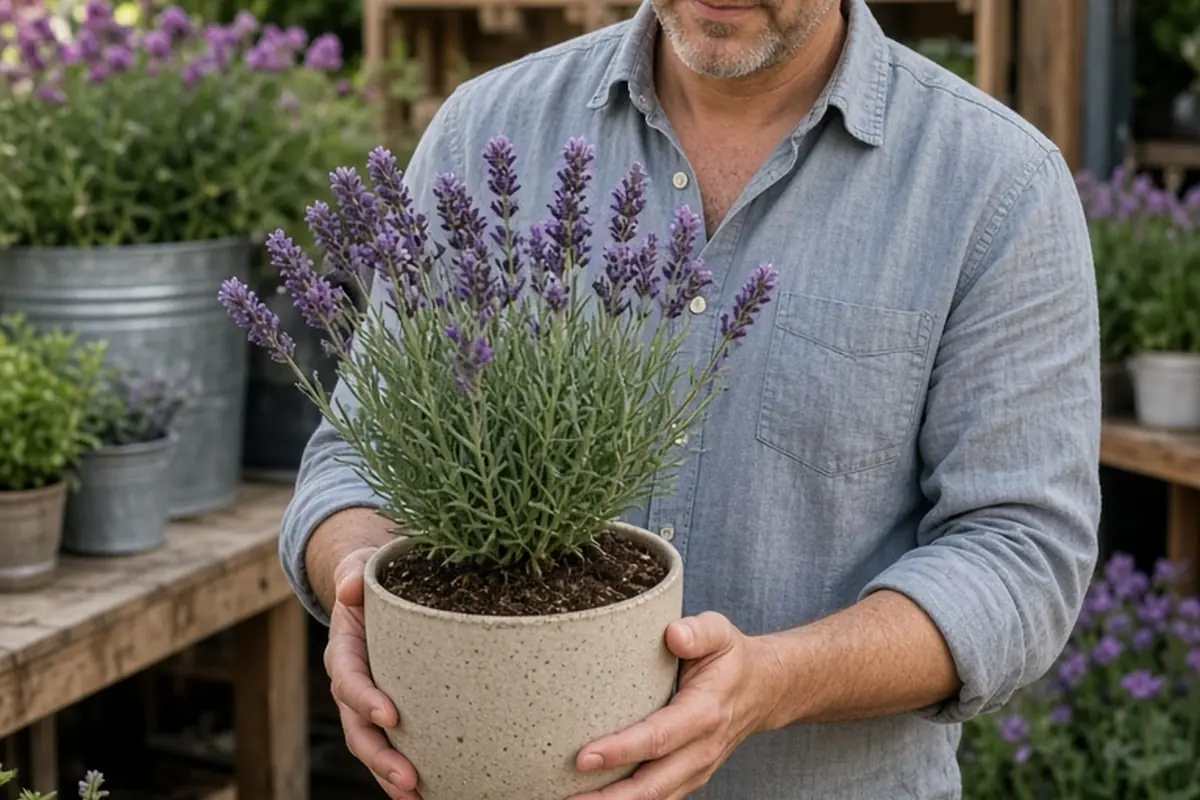
Flower quotes about love and life capture how relationships and personal growth mirror the natural world, from weathering harsh winters to opening up in patient sunshine. These sayings serve as meaningful additions to handwritten cards, anniversary gifts, or quiet notes of encouragement. The most effective floral sentiment balances honesty with affection, matching the actual depth of your bond rather than leaning on exaggerated poetry or dramatic promises.
A single bloom carries centuries of human association, yet finding the right words to accompany a stem or bouquet often feels surprisingly tricky. Whether you want to acknowledge a slow, steady partnership or encourage a friend navigating a painful transition, botanical metaphors provide grounded, timeless language that speaks directly to the heart.
Romantic Flower Sayings for Long-Term Partners and Growing Bonds
Romantic affection rarely mirrors an instant, perpetual greenhouse bloom. Real devotion looks much more like perennial roots surviving cold soil, putting out fresh greenery each spring after months of quiet endurance. When choosing flower quotes about love for a long-term partner, look for lines that celebrate ordinary daily commitment, shared resilience, and the comfort of steady presence rather than theatrical intensity.
For couples in the early months of dating, lighter imagery often works best. You want words that honor curiosity and emerging affection without creating unnecessary pressure about eternal tomorrows. Offering a short, thoughtful line alongside a casual bouquet shows attentiveness while keeping the emotional stakes comfortable and honest for both people.
Here are original, heartfelt floral lines written for romantic cards, anniversaries, and spontaneous gifts:
- "Real love is not an artificial bloom kept behind glass; it is a wild stem that learns to drink from ordinary days and bend with every passing breeze."
- "Like perennials finding their way back through late frost, the best parts of our life together keep returning with deeper roots."
- "You do not have to be in full blossom every day for this garden to be worth tending; I love you in your quiet soil just as much as in your summer sun."
- "Our connection feels like morning clover: quiet, resilient, and spreading warmth across every corner of our shared routine."
- "I admire the way you grow toward light, even when the season around you feels slow, heavy, and uncertain."
Flower Sayings on Life, Resilience, and Quiet Healing
Gardens teach us that growth happens below the surface long before petals break through the soil. When life brings setbacks, grief, or exhaustion, human beings often need reminders that resting is not the same as giving up. A thoughtful botanical reflection reminds the recipient that dormant stages are essential to survival, not evidence of personal failure.
When writing to someone walking through a difficult medical diagnosis, a career transition, or personal burnout, steer clear of toxic positivity. Avoid telling them that everything happens for a reason or that they will bounce back immediately. Instead, use floral metaphors that validate the necessity of shade, patience, and unhurried recovery.
Consider these grounded reflections on life, inner strength, and personal renewal:
- "A seed does not debate whether the dirt is fair; it simply rests in the dark until its inner clock says it is time to unfurl."
- "Do not mistake your dormant season for an empty one; roots do their heaviest, most necessary building where nobody else can see."
- "Wildflowers do not rush to outgrow their neighbors; they simply take the moisture given today and open when the sun allows."
- "Healing is rarely a tidy arrangement; sometimes it looks like scattered petals that slowly teach the soil how to soften."
- "You do not owe the world a perpetual harvest; give yourself permission to drop worn leaves and gather your strength in peace."
Botanical Messages for True Friends and Milestone Celebrations
Friendship is one of life's most reliable grounding forces, yet people rarely send flowers to close companions outside of major hospital visits or milestone birthdays. A surprise bundle of blooms paired with a warm, sincere message can validate years of shared laughter, quiet mutual support, and effortless companionship.
For milestones like graduations, new jobs, or housewarmings, floral imagery provides an uplifting symbol of intentional cultivation. The right message honors the recipient's personal effort rather than attributing their achievement to pure luck, highlighting how care and diligence yield rich, lasting fruit over time.
Use these original messages when honoring genuine friends and celebrating personal accomplishments:
- "True friendship is like sweet alyssum: low-maintenance, fragrant in every season, and thriving best when left to grow freely."
- "Thank you for being the kind of friend whose presence feels like cool rain after an exhausting, dust-dry week."
- "Watching your hard work come into full bloom has been one of the greatest joys of my year; you earned every petal of this success."
- "Some people bring bouquets into a room, but your loyalty and humor turn the whole house into a garden."
- "May your new home take root quickly, fill with easy laughter, and blossom into a sanctuary for everyone who steps inside."
Pairing Floral Sentiments with Specific Blooms, Colors, and Stems
While historical flower meanings vary across cultures and eras, contemporary floral gifting still benefits from intentional pairing. When your written message aligns with the physical characteristics of the stem you hand someone, the gesture feels cohesive and deeply considered rather than an afterthought grabbed at the register.
Sunflowers naturally suggest cheerful perseverance, optimism, and warmth, making them ideal companions for quotes addressing life challenges, personal grit, or joyful celebrations. A bold, upright sunflower bouquet feels slightly out of place with delicate, melancholy prose, but pairs wonderfully with words that celebrate joy, tenacity, and forward movement.
Delicate garden roses and peonies carry a classic visual language of intimacy, gentleness, and gradual unfolding. When writing an enclosure card for these softer blossoms, emphasize steady affection, tenderness, and appreciation for the recipient's gentle nature. Meanwhile, hardy field stems, lavender, and eucalyptus offer herbal, earthy notes that beautifully complement themes of self-care, peaceful rest, and long-lasting friendship.
Crafting Thoughtful Accompanying Notes Without Pressure or Cliché
A common pitfall when using quotes in greeting cards is letting the quoted line do all the emotional heavy lifting. An aphorism by itself can feel impersonal or generic, like a pre-printed sentiment bought in bulk. To make the message resonate, frame the chosen quote with two or three sentences of your own direct, specific observations.
Start by naming what you appreciate about the recipient or the specific milestone they are experiencing. Follow that observation with the quote, and close with a low-pressure wish that does not demand an elaborate emotional reaction or an immediate reciprocal gesture. If you are sending flowers to someone you have recently started dating, keep the tone warm and grounded rather than intense, allowing the relationship to unfold at its natural pace.
Similarly, in professional or acquaintance settings—such as expressing sympathy to a colleague or congratulating a neighbor—stick to universal themes of comfort, respect, and peaceful seasons. Avoiding overly intimate declarations protects both your boundaries and the recipient's comfort.
Adapting Flower Sayings for Daily Notes, Texts, and Keepsakes
Flower quotes are not restricted to traditional florist cards taped to plastic holders. Many people find value in weaving these concise images into everyday communication, such as a brief morning text to a partner facing an intimidating meeting, an inscription in a gifted journal, or a sticky note left beside a coffee mug.
In digital messaging, brevity is key. A single sentence comparing a stressful morning to a brief storm passing over a garden sends a quick pulse of affection without demanding a lengthy back-and-forth conversation. When the recipient is overwhelmed, a brief line requiring no reply is often far more supportive than a paragraph asking for updates.
For lasting keepsakes, such as an engraved bookmark, a framed print, or a scrapbook entry, choose language with staying power. Focus on enduring truths about personal worth, the beauty of patient time, or the steadfast nature of your bond. These timeless messages continue offering encouragement long after the physical cut flowers have finished their natural cycle.
Illustrative Scenarios
Choosing Encouragement Over Platitudes During Career Burnout
Marcus wanted to support his partner, Elena, who had just stepped down from a high-stress corporate role to recover from chronic exhaustion. His first instinct was to order an elaborate bouquet with a note saying that everything happens for a reason and that she would conquer her next challenge in no time. Realizing that language sounded like another demanding assignment, he shifted his approach. He selected potted lavender and composed a card focused on rest: "Do not mistake your dormant season for an empty one; roots do their heaviest building where nobody else can see." Elena felt genuinely seen and relieved of the expectation to perform.
Key point: Supportive words should meet people where they currently stand rather than pressuring them to jump ahead into recovery.
Balancing Warmth and Boundaries in an Emerging Romance
After four promising dates, Maya wanted to send flowers to Jordan's apartment to celebrate his recent art gallery opening. She initially drafted a sweeping quote comparing their meeting to a rare, destiny-driven blossom. Pausing, she realized an intense romantic declaration might feel overwhelming and presumptive so early in dating. Instead, she chose vibrant sunflowers and wrote: "Watching your hard work come into full bloom has been wonderful to witness; congratulations on an incredible night." Jordan appreciated the genuine celebration of his creative milestone without feeling pressured into premature commitments.
Key point: Match the emotional weight of your message to your actual shared history to keep connections comfortable and authentic.
Frequently asked questions
Can I use flower quotes for sympathy and grief messages?
Yes, provided the sentiment emphasizes quiet presence, dignity, and natural cycles rather than brisk optimism. Lines that honor deep roots, gentle resting, and the lasting fragrance of a remembered life offer comfort without dismissing the weight of loss.
How long should an enclosure card message be?
Two to four sentences are usually ideal. A concise quote paired with one personal sentence of sincere affection or encouragement fits standard card dimensions comfortably and makes an immediate, uncluttered emotional impact.
What is the best way to sign a card when the relationship status is undefined?
Warm, respectful closings such as "With warmth," "Thinking of you," or "Cheering you on" convey care without forcing premature labels. These choices let the gesture stand on its own kindness without creating unnecessary ambiguity.
Is it appropriate to give cut flowers or floral quotes to male friends and partners?
Absolutely. Appreciation, encouragement, and thoughtful acknowledgement are universal human needs. Choosing sturdy stems like sunflowers, proteas, or potted greenery paired with grounded reflections on strength and camaraderie makes a welcome, memorable gift.
Your next step
Pick one person who has supported you recently, choose a single grounded sentence that reflects their quiet impact on your life, and write it in a short note or message today without waiting for a formal holiday.