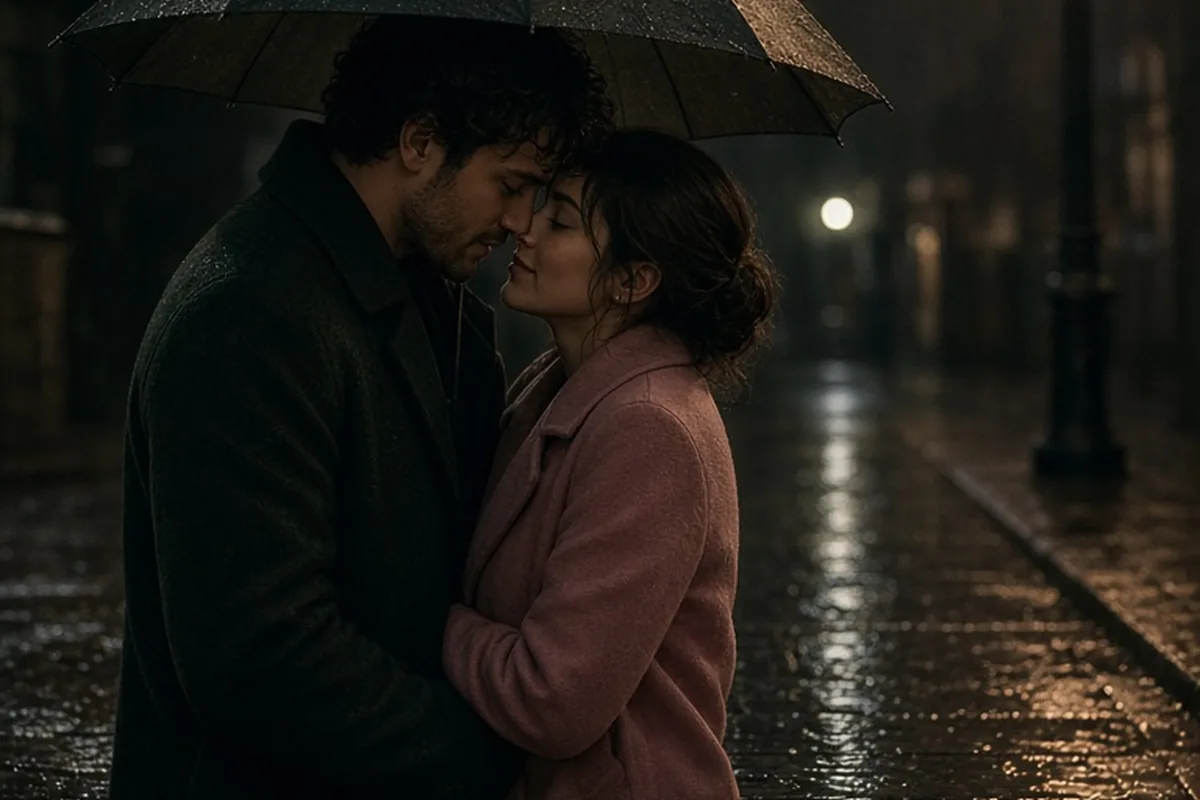
Taking unique couple pictures and selfies requires moving beyond stiff, repetitive poses and focusing on genuine interaction. To capture distinctive images, use soft directional lighting, experiment with unexpected camera angles, incorporate everyday shared activities, and focus on candid movement rather than frozen smiles. Prioritizing authentic connection over polished perfection ensures your photos reflect real intimacy, warmth, and individuality without feeling performative or forced.
Taking memorable photos together offers a creative way to document relationship milestones, shared adventures, and quiet everyday moments.
Finding Natural Lighting That Flatters Both Partners
Light shapes the mood and clarity of every photograph, making it the most critical technical element when taking couple portraits or handheld selfies. Direct, harsh midday sunlight often produces unflattering shadows under the eyes and causes squinting, which can make photos look tense rather than affectionate. In contrast, soft and diffused natural light illuminates facial features evenly, softens skin textures, and brings out warm, expressive eye contact. Scheduling outdoor photos during the golden hour—just after sunrise or right before sunset—provides a warm, directional glow that naturally enhances the romantic atmosphere of an image without requiring heavy post-processing.
When taking photos indoors, position yourselves near a large window where indirect daylight enters the room, placing the camera between yourselves and the light source rather than directly in front of the window. If one partner has a significantly different skin tone or height, turn slightly toward each other at forty-five-degree angles to balance the light exposure across both faces. A potential limitation of relying entirely on natural light is its unpredictability during overcast days or in dimly lit indoor spaces. In these situations, using a warm, diffused portable LED panel or bouncing light off a neutral white wall helps maintain clarity without introducing the harsh glare of a direct camera flash.
Posing With Purpose Through Interaction Rather Than Stiff Stances
Standard couple poses often feel rigid because both individuals are trying to hold a static position while looking straight into the lens. Unique pictures emerge when the focus shifts from performing for the camera to engaging with each other. Instead of standing side by side with fixed smiles, create gentle physical interaction that reflects your personal comfort level. Simple actions like walking hand in hand toward the camera, sharing an inside joke, leaning back-to-back while sitting on a park bench, or gently resting a chin on a partner's shoulder create dynamic lines and authentic expressions that look organic rather than staged.
To make handheld selfies feel less repetitive, avoid the standard high-angle extended-arm framing where both faces fill the entire frame symmetrically. Try resting your phone on a stable surface at chest height using a self-timer, allowing both of you to use your hands naturally, such as wrapping an arm around a waist or tucking a stray hair behind an ear. A useful boundary to consider is that not every partner feels comfortable with dramatic or public displays of affection. Tailor your interactions to what feels natural in the moment, as forcing an overly dramatic embrace or an exaggerated expression can make the resulting picture feel contrived and uncomfortable for both people.
Using Creative Angles and Framing for Dynamic Compositions
Composition plays a vital role in transforming an ordinary snapshot into a distinctive photograph. Rather than centering your faces in the middle of every frame, apply classic composition techniques like the rule of thirds or leading lines. Placing yourselves slightly off-center allows the viewer to appreciate the environment, whether it is an architectural archway, a winding trail, or a cozy café booth. Low-angle perspectives, where the camera is positioned slightly below eye level looking up, can make an outdoor landscape look vast and dramatic, while higher-angle flat-lay shots taken from above while relaxing on a picnic blanket offer an intimate, artistic point of view.
Experimenting with foreground elements also adds depth and visual intrigue to couple photos. Shooting through natural frames, such as leafy branches, a window pane with subtle reflections, or a doorway, draws the viewer's eye directly to your shared connection while creating a layered, dimensional image. However, keep in mind that overly complex framing can sometimes distract from the emotional focus of the portrait. Ensure that decorative background elements enhance the scene rather than cluttering it, keeping the primary visual emphasis on your interaction.
Incorporating Everyday Shared Activities and Meaningful Context
Some of the most distinctive couple pictures are grounded in genuine daily routines rather than formal portrait settings. Documenting shared activities—such as cooking a meal together, browsing records at a local shop, setting up a tent on a camping trip, or playing a board game—naturally shifts your attention away from the camera lens. This approach captures your partnership in its natural element, highlighting shared hobbies, laughter, and collaborative energy that generic posed shots cannot replicate.
When planning activity-based photos, set up your camera or phone on a small tripod with an intervalometer or continuous shooting mode so you do not have to pause every few seconds to reset the shutter. For instance, if you are making homemade pizza, let the camera capture the process of rolling dough, laughing over accidental flour spills, and tasting the finished dish. A practical trade-off of activity-centered photography is that environmental factors like kitchen clutter or uneven background lighting may be present. Embracing a moderate amount of authentic context gives the photograph personality, but tidying up distracting background objects before starting keeps the visual narrative clean.
Capturing Unposed Candids and In-Between Moments
Unposed candid images frequently hold greater emotional value over time than perfectly arranged portraits because they preserve genuine reactions and fleeting expressions. The moments right before and after a planned pose—when you burst into laughter after losing balance, exchange a knowing look, or adjust a partner's jacket—are often where true connection shines. Capturing these spontaneous seconds requires patience and a willingness to keep the camera recording or snapping bursts rather than taking single, highly controlled frames.
Using live photo modes, burst shooting, or taking high-resolution stills from a short video clip allows you to review a sequence of natural movements and select the frame that captured the most relaxed, genuine expression. For example, setting your camera to record a brief video while walking along a scenic path allows you to extract an authentic candid frame where your strides and laughter look effortless. A trade-off with candid photography is that not every captured frame will be flattering or in sharp focus. Filtering through multiple continuous shots to find the single frame with crisp focus and natural expression takes extra time, but the resulting image is often far more meaningful.
Setting Boundaries Around Social Media and Private Memories
Taking unique pictures together should be an enjoyable, bonding experience rather than a source of relationship tension or performance pressure. Partners often have different comfort levels regarding how frequently photos are taken and where those images are shared. One partner may love documenting outings for social media, while the other might prefer privacy and living in the present moment without a screen intervening. Open communication about boundaries ensures that photography remains a fun shared hobby rather than an obligation that detracts from the quality of your time together.
Establish clear agreements about photo sharing before posting images publicly. Always check with your partner before sharing an intimate or vulnerable selfie, respecting their preference if they feel an image is unflattering or too personal for public viewing. Additionally, dedicate portions of your dates or travels to completely camera-free time so that you can remain fully present with each other. Balancing creative documentation with private, unrecorded connection preserves the genuine intimacy that makes your relationship strong in the first place.
Frequently asked questions
How can we take great couple selfies without using a selfie stick?
You can prop your smartphone on a sturdy, level surface using a portable phone stand, a water bottle, or a small pocket tripod. Setting a three-to-ten-second timer or using voice-activated shutter commands lets you step back, pose naturally, and use both hands freely without awkward arm stretching.
What should we wear to make couple photos look cohesive without matching completely?
Choose complementary color palettes, such as neutral earth tones, muted pastels, or contrasting warm and cool shades, rather than wearing identical matching outfits. Selecting coordinating textures like denim, linen, or knitwear creates a visually harmonious look that allows each person's individual style to show through.
How do we look natural in photos if one of us feels camera-shy?
Shift the focus entirely away from looking directly at the camera lens by engaging in conversation, sharing a lighthearted joke, or focusing on a shared physical activity. Taking continuous burst shots or capturing stills from a short video clip also reduces performance anxiety and yields authentic expressions.
What is the best time of day for outdoor couple photography?
The golden hour, which occurs during the first hour after sunrise and the last hour before sunset, provides soft, warm, directional lighting that flatters facial features and reduces harsh shadows. Overcast days also work well because clouds act as a natural diffuser, creating balanced, even illumination throughout the day.
Your next step
Choose one dynamic idea—such as using indirect window light or capturing an authentic shared activity—and try a low-pressure photo session on your next outing together.