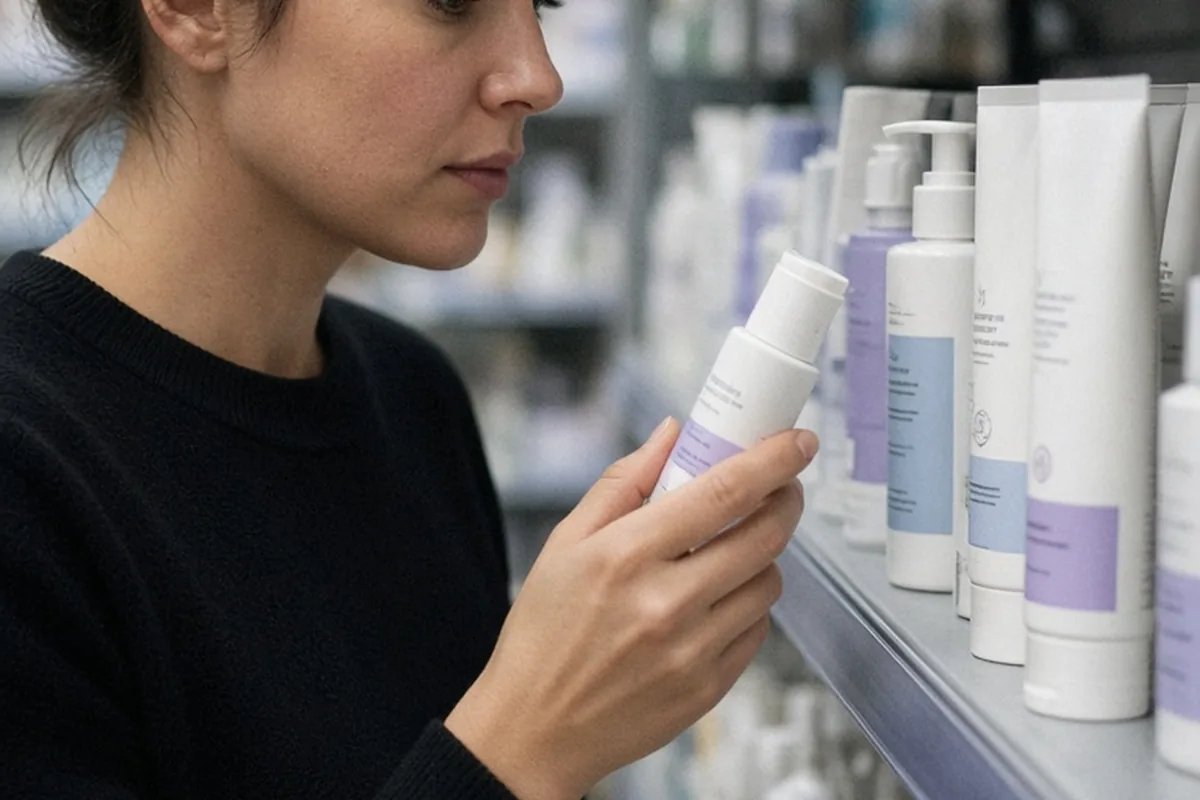
A dependable fragrance-free skincare routine relies on lines committed to eliminating synthetic perfumes and natural essential oils. Top accessible drugstore options include Vanicream, CeraVe, and Cetaphil, while mid-tier and clinical favorites feature Paula's Choice, First Aid Beauty, La Roche-Posay, and Tower 28. Choosing true fragrance-free formulas prevents sensitization, supports an impaired moisture barrier, and reduces flare-ups associated with reactive or allergy-prone skin.
Navigating cosmetic aisles with reactive or allergy-prone skin can feel overwhelming when product packaging uses confusing terms like unscented and naturally scented interchangeably. Identifying brands that consistently eliminate aromatic compounds across their catalog, or within dedicated tolerance-tested collections, helps simplify your daily routine while keeping redness and discomfort to a minimum.
Accessible Drugstore Staples for Everyday Barrier Support
Budget-friendly drugstore brands form the foundation of fragrance-free skincare because their primary goal is broad dermatological tolerance. Vanicream stands as the benchmark for strict formulation standards, omitting common chemical irritants such as masking fragrances, botanical extracts, dyes, parabens, and formaldehyde releasers. The Vanicream Gentle Facial Cleanser and Daily Facial Moisturizer offer straightforward hydration through ceramides and hyaluronic acid without unnecessary sensory additives. Because the brand prioritizes inert, non-reactive bases, the textures can feel utilitarian and lack the plush finish of luxury creams, but they rarely trigger stinging on compromised skin.
CeraVe and Cetaphil provide widespread accessibility and focused barrier replenishment. CeraVe centers its entire line around three essential ceramides and fatty acids, utilizing a controlled-release delivery system that keeps skin hydrated throughout the day. The brand's Moisturizing Cream and Hydrating Cleanser are widely recommended for dry and eczema-prone skin types. Cetaphil similarly reformulated much of its classic lineup to be entirely fragrance-free, integrating soothing ingredients like niacinamide, panthenol, and glycerin into their Gentle Skin Cleanser. The main trade-off with mass-market lines is formulation feel; some users find classic barrier creams somewhat heavy or slow to absorb under daily makeup.
- Vanicream: Free of masking fragrances, essential oils, lanolin, and parabens, making it suitable for acute dermatitis flares.
- CeraVe: Enriched with ceramides, hyaluronic acid, and cholesterol to rebuild compromised lipid bilayers.
- Cetaphil: Gentle surfactant systems and lightweight hydration suitable for dry to normal, reactive profiles.
- Aveeno Calm + Restore Line: Uses colloidal oatmeal and feverfew specifically formulated without added scents to reduce surface flushing.
Dermatological and Pharmacy Brands for Reactive Skin
European pharmacy brands have long led the market in addressing chronic reactivity, rosacea, and hypersensitivity. La Roche-Posay offers the Toleriane range, a dedicated line formulated under strict safety charters that exclude fragrance, drying alcohol, and potential preservatives. Products like the Toleriane Double Repair Face Moisturizer combine prebiotic thermal spring water with ceramide-3 and niacinamide to restore the skin microbiome. The brand frequently uses airtight, hermetic pump bottles that prevent external contamination and air exposure, allowing them to minimize synthetic stabilizers.
Avene and Bioderma provide comparable targeted care for skin that reacts poorly to environmental shifts or cosmetic procedures. Avene's Tolerance Control series utilizes sterile packaging technology to eliminate the need for standard preservatives entirely, delivering squalane and postbiotic extracts to calm immediate neurosensory stinging. Bioderma's Sensibio collection, particularly its cult-favorite Sensibio H2O Micellar Water and Sensibio Defensive cream, focuses on strengthening the skin's physiological tolerance threshold. While these brands excel at immediate soothing, their pricing is higher per ounce than standard drugstore options, and their richer balms may feel occlusive on oily, acne-prone complexions.
Active-Driven Lines for Targeted Treatments Without Irritation
Finding effective treatments for acne, hyperpigmentation, or fine lines can be challenging when attempting to avoid fragrance, as many exfoliating acids and retinoids are paired with masking aromas to hide raw ingredient scents. Paula's Choice is widely recognized for maintaining a strict one hundred percent fragrance-free policy across its extensive catalog. The brand provides transparent ingredient percentages and formulates potent actives, such as their 2% BHA Liquid Exfoliant and 10% Azelaic Acid Booster, alongside skin-replenishing antioxidants and soothing plant fractions that buffer potential dryness.
The Ordinary and The Inkey List also offer modular, fragrance-free solutions focused on single active ingredients. By stripping away sensory elements, these brands allow individuals to target specific skin concerns, such as congested pores with salicylic acid or post-blemish marks with niacinamide, at low cost. The limitation of pure single-ingredient formulations is that they require users to self-regulate ingredient compatibility and layering. Layering too many raw active serums without adequate hydrating buffers can compromise your lipid barrier, even when every individual bottle is completely fragrance-free.
Modern Barrier-Focused and Sensitive Skin Specialists
A newer generation of skincare companies designs entire product philosophies around barrier health, combining cosmetic elegance with sensitive-skin compliance. Tower 28 is notable for adhering entirely to National Eczema Association guidelines, omitting fragrances, essential oils, and known sensitizers from both their skincare and color cosmetics. Their SOS Daily Rescue Facial Spray, which utilizes hypochlorous acid to calm surface inflammation and bacteria, provides lightweight relief for redness-prone skin that cannot tolerate rich emulsions.
KraveBeauty and Dieux focus on intentional, minimalist routines that prevent accidental over-treatment. KraveBeauty's Great Barrier Relief employs tamanu oil, ceramides, and rosehip seed oil to nurture over-exfoliated skin, retaining an earthy natural aroma derived strictly from unrefined cold-pressed oils without added aromatic isolates. Dieux concentrates on clinically validated barrier repair with products like Instant Angel, balancing fatty acids and ceramides for deep moisture without fragrance or heavy lingering residue. These independent lines offer refined textures and modern packaging, though they generally carry a higher price point and smaller product selections.
Deciphering Fragrance-Free Versus Unscented on Product Labels
Understanding the legal and chemical distinctions between product labels is essential for protecting sensitive skin. Fragrance-free indicates that no fragrance ingredients, essential oils, or aromatic masking compounds were added to create a pleasant aroma or mask an unpleasant base smell. In contrast, unscented products may contain neutralizing chemicals or masking agents specifically intended to cancel out the natural scent of the raw ingredients, leaving the final formula with no detectable odor while still exposing the skin to common irritants.
Cosmetic ingredient decks must also be reviewed for hidden aromatic botanicals. Natural compounds such as lavender oil, citrus peel extracts, peppermint, rosemary, and eucalyptus are frequently marketed as therapeutic or clean alternatives to synthetic perfume, yet they contain volatile compounds like linalool and limonene that are known triggers for contact allergies. When examining an ingredient list, watch for terms like 'parfum', 'aroma', or 'fragrance', and confirm that aromatic flower waters or volatile botanical oils are not listed in the upper or middle tiers of the formulation.
- Fragrance-Free: Contains no added scent compounds, essential oils, or masking agents of any kind.
- Unscented: May contain chemical masking agents to neutralize raw ingredient odors.
- Natural Fragrance: Employs essential oils and botanical distillates that carry the same allergic sensitization risks as synthetic compounds.
- Essential Oil Blends: Often added to organic products for sensory appeal, serving as potent potential contact allergens.
How to Safely Transition to a Fragrance-Free Routine
Transitioning to a fragrance-free routine requires a measured approach, particularly if your skin is already displaying signs of redness, stinging, or rough patches. Rather than replacing every product in your cabinet overnight, begin by switching leave-on products first. Moisturizers, facial sunscreens, and overnight balms maintain extended contact with the skin surface, making them the most critical items to convert to non-scented, gentle formulations. Rinse-off cleansers, while still capable of causing dryness if formulated with harsh surfactants, present a slightly lower risk due to their brief contact time.
Introduce new products one at a time, spaced approximately two to three weeks apart. This deliberate pacing ensures that if a mild reaction or clogged pore occurs, you can readily pinpoint the responsible formula. Patch testing remains a vital practice: apply a small pea-sized amount of the new product behind your ear or along the inner jawline for three consecutive nights before applying it across your entire face. This simple check allows you to observe localized tolerance before committing your full barrier to the formula.
Common Shopping Pitfalls and Packaging Nuances
A common mistake when shopping for non-irritating skincare is assuming that certifications like 'clean', 'hypoallergenic', or 'organic' automatically guarantee the absence of fragrance. Regulatory bodies do not have a uniform, legally enforceable definition for terms like 'clean' or 'dermatologist tested', meaning a brand can highlight these claims while still formulating with botanical extracts or essential oils. Always rely on the complete ingredient disclosure printed on the external box or bottle rather than marketing claims displayed prominently on the front panel.
Packaging format also plays a significant role in formula safety and stability for reactive complexions. True fragrance-free creams often use lower preservative loads, making traditional wide-mouth open jars vulnerable to bacterial introduction and air oxidation from daily finger dipping. Opting for airtight pumps, airless tubes, or opaque packaging helps ensure that the formula remains clean and chemically stable throughout its shelf life, minimizing the need for complex stabilizer systems that can occasionally irritate delicate skin.
Frequently asked questions
Can fragrance-free products still have a noticeable smell?
Yes, fragrance-free products can have a faint or distinct scent caused by their raw functional ingredients, such as oils, fatty acids, sulfur, or ceramides. Because the brand chooses not to add masking chemicals or perfume to disguise these natural odors, the raw aroma remains detectable upon application.
Are natural essential oils safer for sensitive skin than synthetic perfumes?
No, natural essential oils often present a higher sensitization risk for sensitive skin than many laboratory-synthesized compounds. Essential oils contain dozens of volatile chemical constituents, such as limonene and geraniol, which frequently trigger allergic contact dermatitis and barrier disruption.
How long does it take for a damaged skin barrier to heal after stopping fragranced products?
Most mild to moderate barrier irritation begins to settle within two to four weeks of eliminating all aromatic irritants and using basic lipid-replenishing moisturizers. More chronic conditions or severe allergic contact dermatitis may require additional recovery time and personalized guidance from a medical dermatologist.
Your next step
Inspect your current leave-on moisturizer and cleanser labels tonight, identify any products listing parfum or essential oils, and replace just the leave-on moisturizer first with a dedicated fragrance-free alternative.