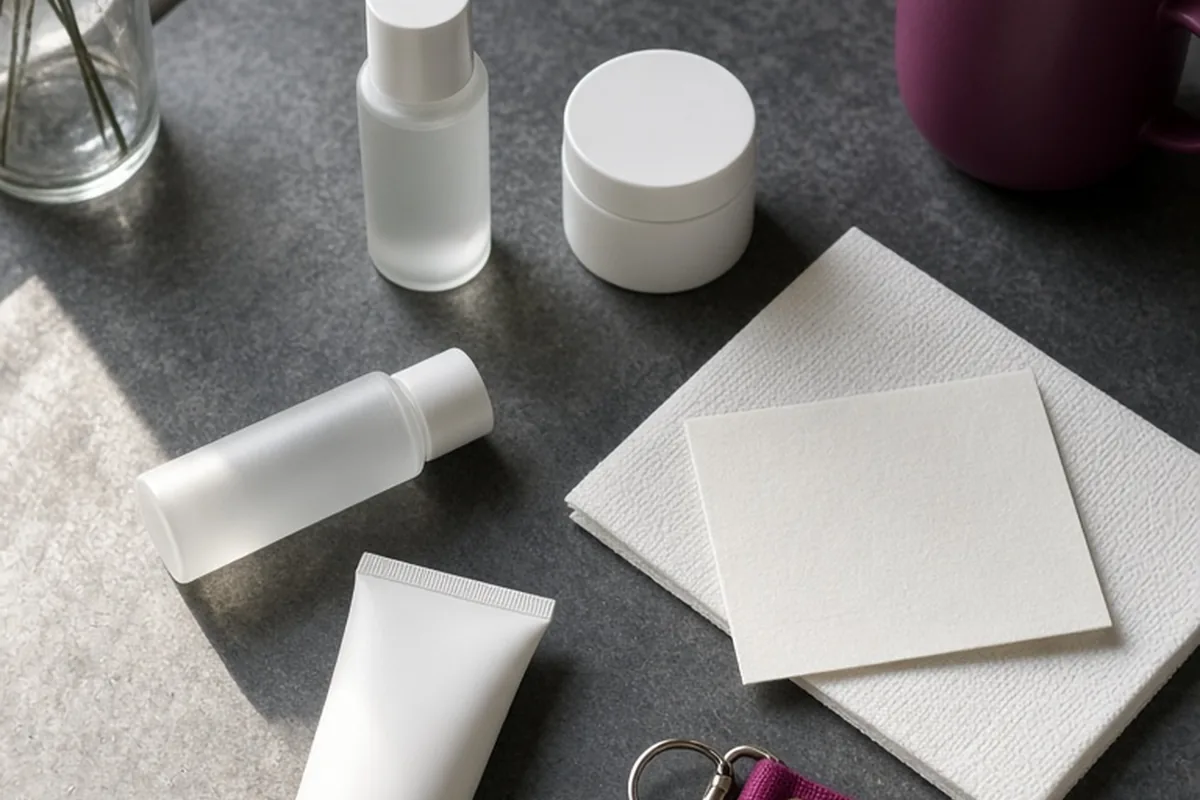
A fragrance free skincare list prioritizes formulas created without synthetic perfumes, natural masking scents, or fragrant essential oils to minimize irritation. A functional routine includes a non-stripping cleanser, a calming hydration serum, a lipid-replenishing moisturizer, and a broad-spectrum daily sunscreen. Selecting products with transparent ingredient labels ensures sensitive skin remains comfortable while supporting barrier recovery.
Navigating skincare aisles with reactive, allergy-prone, or barrier-compromised skin can feel challenging when numerous formulas contain hidden aromatic compounds. Building an intentional routine around truly unfragranced formulas removes unnecessary variables, allowing functional humectants, emollients, and soothing actives to perform their essential restorative work uninterrupted.
Gentle Cleansers That Protect the Moisture Barrier
Cleansing represents the most critical first step in a sensitive skin regimen because harsh surfactant systems and added aromatic compounds can immediately compromise the stratum corneum. Fragrance in rinse-off products is often dismissed because contact time is brief, yet volatile aromatic chemicals can penetrate micro-fissures in compromised skin, triggering redness, tightness, and stinging before the rest of your routine even begins.
When choosing a fragrance-free cleanser, prioritize formulas that rely on gentle, non-ionic surfactants or emollient bases rather than heavy foaming agents. Look for soothing additions like colloidal oatmeal, vegetable glycerin, and allantoin, which provide slip and reduce friction during cleansing. If you wear water-resistant sunscreen or makeup, consider a pure unscented plant-derived oil or a dedicated fragrance-free micellar water before your water-based wash to avoid aggressive rubbing.
A practical trade-off with fragrance-free cleansers is the absence of a rich, sensory lather or perfumed fresh scent, which some associate with cleanliness. However, a slight natural scent from raw ingredients like fatty alcohols or oat extracts is normal and indicates the product has not been altered with masking chemicals to create artificial neutrality.
- Hydrating cream-to-lotion cleansers that rinse clean without leaving a tight film
- Gentle jelly washes formulated with glycerin and panthenol for oily or combination skin
- Fragrance-free micellar cleansing waters applied with soft, reusable cotton pads
Hydrating Toners and Mists for Instant Calming
Toners and watery essences serve to rehydrate the skin immediately after cleansing, dampening the surface so subsequent moisturizers can seal in water more effectively. In conventional skincare, toners are frequently loaded with floral waters, citrus extracts, and volatile botanical distillates that offer an invigorating smell but pose significant irritation risks for compromised skin types.
An effective fragrance-free toner focuses strictly on humectant delivery and anti-inflammatory support. Ingredients such as beta-glucan, snow mushroom extract, centella asiatica, and sodium hyaluronate draw ambient moisture into the epidermis without causing vascular reactivity. Applying these toners by patting with clean palms rather than dragging a cotton pad reduces mechanical irritation.
Keep in mind that watery layers evaporate quickly in dry environments. If you apply a fragrance-free mist or toner, follow immediately with a serum or cream while your skin is still damp to prevent trans-epidermal water loss, which can leave reactive skin feeling tighter than before.
- Panthenol-based balancing toners that calm surface redness
- Pure hyaluronic acid mists formulated without citrus or rose distillates
- Centella asiatica soothing essences that prep skin for active treatments
Targeted Serums to Repair and Strengthen
Targeted serums deliver concentrated functional ingredients to address concerns like dehydration, oxidative stress, and persistent redness. When formulated without fragrance, serums allow your skin to benefit from proven actives without the competing burden of sensitizing aromatic molecules that can trigger allergic contact dermatitis.
For daily barrier reinforcement, seek serums centered on niacinamide at modest concentrations between two and five percent, which supports natural ceramide synthesis without overwhelming reactive skin. Copper peptides, madecassoside, and ectoin are additional unfragranced options that support tissue comfort and environmental resilience. When layering serums, apply the thinnest water-based formula first, allowing thirty to sixty seconds for absorption before applying richer layers.
A common consideration when using unfragranced serums is that high concentrations of raw actives can possess distinct chemical or earthy smells. For example, pure sulfur, zinc, or certain fermented extracts carry natural aromas that dissipate quickly upon drying. Recognizing that a natural scent is not added perfume helps you evaluate product safety accurately.
- Low-percentage niacinamide serums paired with zinc PCA or hyaluronic acid
- Centella and peptide complexes designed to soothe visible irritation
- Pure squalane oil serums for lightweight, non-comedogenic lipid supplementation
Daily Barrier Moisturizers for Every Skin Type
Moisturizers perform the critical role of sealing in hydration and supplying the physiological lipids necessary for long-term barrier integrity. A reliable fragrance-free moisturizer avoids synthetic fragrance, essential oils, and aromatic plant butters, focusing instead on biocompatible lipids that mimic the natural cellular matrix.
When selecting a moisturizer, tailor the texture to your skin's sebum production and climate. Oily or acne-prone skin types thrive with lightweight, oil-free gel creams containing dimethicone, glycerin, and polyglutamic acid. Drier or compromised skin requires richer creams formulated with a balanced blend of ceramides, cholesterol, and free fatty acids to physically mend micro-tears in the stratum corneum.
For severely dry or sensitized conditions, an occlusive ointment containing plain white petrolatum or medical-grade lanolin can be layered over dry patches at night. While these dense textures feel heavy, they create a protective shield that minimizes water evaporation and shields recovering skin from ambient friction during sleep.
- Oil-free water gels for lightweight daily hydration on combination skin
- Triple-lipid barrier creams enriched with ceramides, cholesterol, and fatty acids
- Soothing occlusive balms for targeted repair of chapped or flaky patches
Broad-Spectrum Sunscreens for Sensitive Skin
Daily sun protection is non-negotiable for maintaining healthy skin, yet sunscreens are among the most common culprits behind facial stinging, burning, and allergic reactions. Fragrance is often added to conventional sunscreens to mask the industrial scent of UV filters, compounding the potential for heat-induced contact irritation during sun exposure.
A dependable fragrance-free sunscreen relies on gentle physical mineral filters like zinc oxide and titanium dioxide, or modern sensitive-skin chemical filters formulated without fragrance or masking agents. Non-nano zinc oxide is particularly advantageous for reactive skin because it provides broad-spectrum defense while exerting a mild, natural soothing effect on inflamed tissue.
One practical trade-off with pure mineral, fragrance-free sunscreens is the potential for a temporary white cast on deeper skin tones or a slightly heavier application feel. To mitigate this, look for micronized or sheer mineral options, or opt for fragrance-free fluid chemical sunscreens formulated specifically for sensitive eyes and post-procedure skin.
- Non-nano zinc oxide mineral lotions with a natural, sheer finish
- Fragrance-free daily fluid sunscreens suitable for application around the delicate eye area
- Soothing tinted mineral formulas that balance minor redness while blocking UV rays
How to Decode Labels and Identify Hidden Fragrance
Selecting products for a fragrance-free routine requires understanding cosmetic labeling standards, as the terms 'unscented' and 'fragrance-free' are not interchangeable. 'Fragrance-free' indicates that no aromatic compounds or essential oils were added to create or alter the product's smell. In contrast, 'unscented' formulas may contain synthetic masking fragrances designed to neutralize the unpleasant odors of base raw ingredients.
Carefully inspect the International Nomenclature of Cosmetic Ingredients (INCI) list on packaging rather than relying on front-panel marketing claims. Watch out for botanical extracts that function as disguised fragrances, including citrus peel oils, lavender extract, eucalyptus, peppermint, and rose distillate. Additionally, be vigilant for declared individual fragrance components that must be listed under international regulations.
While natural plant oils like jojoba, sunflower, and argan oil are generally safe emollients without high volatile aromatic content, essential oils and aromatic extracts carry high sensitization potential. Familiarizing yourself with key botanical names empowers you to make confident choices regardless of brand marketing.
- Fragrance, Parfum, Aroma, or Masking Fragrance
- Essential oils such as Citrus Aurantium Dulcis, Lavandula Angustifolia, and Rosmarinus Officinalis
- Aromatic allergen compounds like Linalool, Limonene, Geraniol, Eugenol, and Citronellol
Building a Cohesive, Low-Irritation Routine
Transitioning to a fragrance-free routine works best when executed deliberately rather than replacing every product in a single day. Introducing multiple new formulations at once makes it nearly impossible to identify which product is responsible if your skin experiences an unexpected breakout, purging phase, or sensitivity flare.
Begin by establishing a baseline core routine consisting of just three fragrance-free essentials: a gentle cleanser, a dependable moisturizer, and a daily sunscreen. Maintain this simplified regimen for at least ten to fourteen days to allow your skin barrier to stabilize and establish a calm, predictable baseline before introducing targeted serums, exfoliating acids, or treatment toners.
Always perform a patch test before applying any new formula to your full face. Apply a small amount of product to the inner forearm or behind the ear twice daily for three days, watching for signs of delayed redness, itching, or swelling. This simple precautionary step protects sensitive facial skin from uncomfortable flare-ups.
Frequently asked questions
What is the main difference between unscented and fragrance-free products?
Fragrance-free products contain no added aromatic chemicals, essential oils, or perfumes whatsoever. Unscented products may still include masking fragrances that neutralize the natural odor of raw ingredients to make the formula seem odorless.
Why do some fragrance-free products have a distinct or unusual smell?
Fragrance-free products retain the natural scent of their raw active ingredients, fatty acids, and humectants. Because no masking agents or perfumes are added to disguise these ingredients, you may notice a temporary earthy, clinical, or nutty aroma that dissipates quickly.
Are natural essential oils acceptable in a sensitive skin routine?
Essential oils contain complex mixtures of volatile organic compounds that can cause allergic contact dermatitis and skin sensitization. Even though they are plant-derived, essential oils act as potent fragrances and should generally be avoided by those seeking a fragrance-free routine.
How long does it take for skin to calm down after switching to fragrance-free skincare?
Most people notice a reduction in surface stinging and redness within one to two weeks of eliminating fragranced formulas. Full skin barrier recovery typically takes four to six weeks as the outer layer of skin cells naturally regenerates.
Your next step
Review your current skincare products by checking the ingredient decks for hidden perfumes or essential oils, set aside any fragranced formulas, and replace them one by one with verified fragrance-free staples.