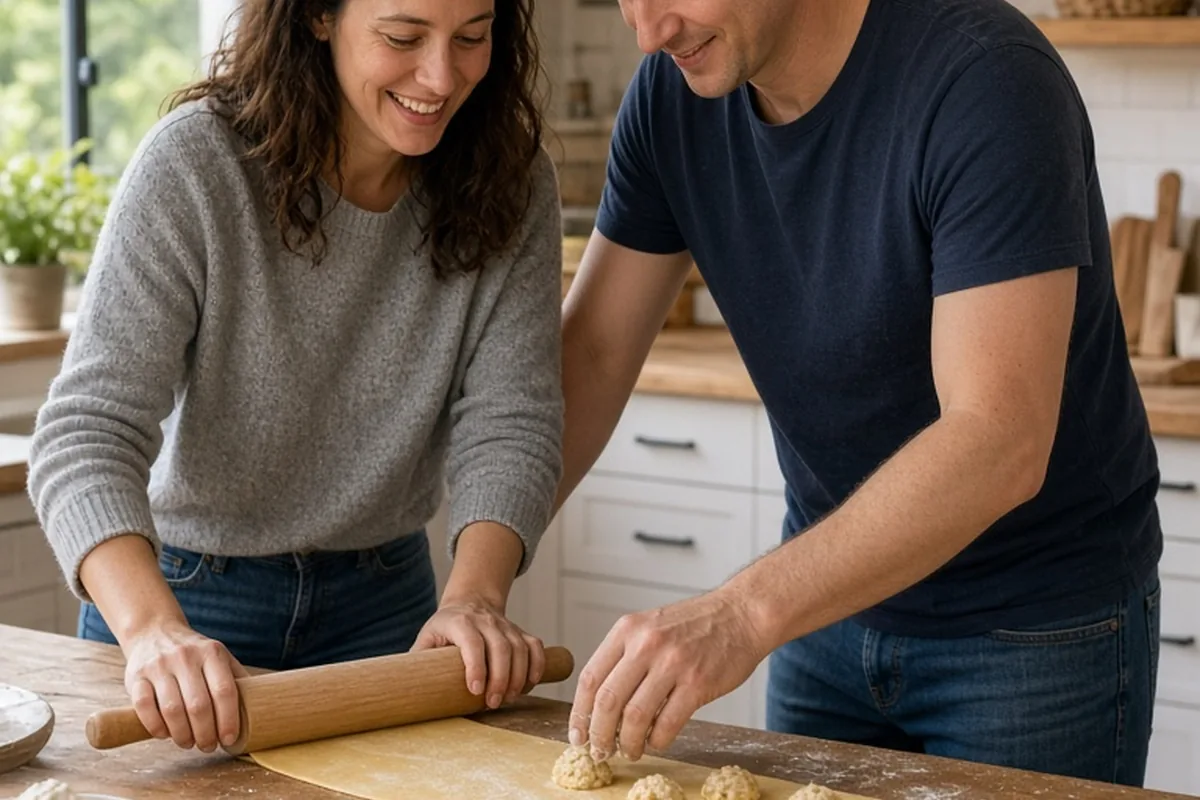
The most fun and romantic Valentine's Day activities balance shared novelty with low logistical stress. Popular choices include interactive at-home dates like themed cooking challenges or indoor picnics, daytime outings like botanical garden walks or scenic drives, hands-on workshops such as pottery or mixology classes, and low-pressure adventures like dessert-hopping or bookstore scavenger hunts. Choosing an activity that matches your current energy and relationship stage creates genuine connection without the pressure of forced formality.
Valentine's Day often comes with unnecessary pressure to secure expensive reservations, coordinate rigid itineraries, or perform grand romantic gestures. In reality, the most memorable celebrations happen when partners step away from generic expectations and choose an experience that lets them laugh, collaborate, and focus on each other without exhausting logistical friction.
Transforming Your Home Into an Immersive Date Night Space
Staying home on Valentine's Day does not mean defaulting to an ordinary evening of scrolling through streaming menus in silence. With deliberate staging and an engaging central activity, your living room or kitchen can feel entirely distinct from your everyday routine. One practical approach is hosting a friendly culinary challenge, such as making fresh pasta from scratch, building artisanal flatbreads, or competing to plate an appetizer using a surprise basket of pantry ingredients. Cooking together shifts the focus from passively waiting for service to actively cooperating, which naturally sparks conversation, playful banter, and shared problem-solving.
Another rewarding option is creating a living-room lounge experience centered around sensory details. Clear the floor of clutter, lay down heavy blankets and oversized floor pillows, light low-scent candles or dim ambient lamps, and assemble an elaborate tasting board with a variety of cheeses, fruits, specialty chocolates, and warm beverages. Pair this setting with an intentional activity, such as doing a blind taste test of different sparkling ciders or teas, listening to a complete vinyl record from start to finish without looking at phones, or sketching portraits of each other with cheap pastels. The novelty comes from altering how you physically interact with your familiar living space.
To make an at-home date feel like a true celebration rather than a standard Tuesday night, set explicit boundaries around domestic chores and digital distractions before you begin. Agree in advance to leave work laptops in another room, silence social media alerts, and handle cleanup the following morning so neither partner feels burdened by household maintenance during your time together. Treating your home environment with the same dedication and focus as a reserved venue gives the evening an authentic sense of occasion.
Daytime and Outdoor Dates That Avoid Evening Restaurant Crowds
The standard Valentine's Day format heavily favors evening restaurant dinners, which frequently come with crowded dining rooms, fixed-price menus with steep markups, and rushed table turnarounds. Choosing daytime or outdoor activities allows you to bypass these stressors while taking advantage of natural light, quieter venues, and a relaxed, unhurried pace. A brisk morning hike along a scenic local trail, a walk through a winter botanical conservatory, or a sunrise drive to a coastal or mountain overlook offers dramatic scenery and uninterrupted space to talk.
Daytime excursions also lend themselves to casual, high-flavor food stops that feel adventurous rather than formal. After exploring an outdoor sculpture park or wandering through a historic downtown neighborhood, you can warm up at an independent bakery, visit a cozy coffee roaster for specialty drinks, or share street food from local market stalls. Because daytime venues rarely require high-stakes reservations, you retain the flexibility to linger when you are having fun or pivot to a new spot if the weather turns cold or rainy.
When planning an outdoor date in mid-February, practical preparation is essential for comfort. Check the weather forecast 24 hours prior, dress in adaptable layers with sturdy footwear, and bring a thermos filled with spiced cider, hot chocolate, or tea along with a windproof blanket. Simple comforts prevent minor physical inconveniences from cutting the date short, ensuring that your time outside remains relaxing and refreshing.
Creative and Hands-On Workshops for Playful Connection
Participating in a guided creative workshop is an exceptional way for couples to break out of conversation ruts and bond over a shared learning curve. Activities like beginner wheel-throwing pottery, introductory glass fusing, terrarium building, paint-and-sip classes, or couples mixology lessons provide a structured environment where neither person has to carry the entertainment burden. Working with your hands takes the pressure off maintaining non-stop eye contact, allowing easy banter to emerge organically as you navigate mistakes and celebrate small successes.
These interactive sessions also provide tangible mementos that anchor the memory of the day. A slightly lopsided ceramic bowl or a custom blended fragrance becomes a lasting reminder of your time together. When choosing a class, opt for subjects where neither partner is an expert; starting from an equal skill level fosters mutual encouragement, shared laughter over unexpected blunders, and a healthy dose of vulnerability that brings people closer.
Before booking a workshop, verify the studio's cancellation policy, supply fees, and pickup timeline for finished items, as ceramics and glasswork often require several days of firing or cooling before they can be taken home. If local studio schedules are fully booked, you can easily replicate the experience at home by picking up air-dry clay kits, linocut printmaking sets, or a beginner watercolor kit alongside an online tutorial.
Thoughtful, Low-Cost Valentine's Outings Focused on Shared Curiosity
A memorable romantic outing does not require a large budget; meaningful connection stems from shared curiosity and thoughtful attention to your partner's interests. A progressive neighborhood food crawl is an entertaining alternative to a traditional three-course dinner. Instead of sitting in one restaurant, visit three or four casual spots in a walkable district, grabbing an appetizer at a dumpling shop, sharing a side at a taco stand, and finishing with dessert at a specialty bakery. This moving itinerary keeps the energy lively and costs significantly less than a formal sit-down meal.
Another engaging, low-cost activity is a used bookstore or record store scavenger hunt. Set a modest budget, such as ten dollars each, and spend an hour hunting for a book, record, or graphic novel that reminds you of the other person, represents a shared inside joke, or introduces a topic you think they would love. Once you finish browsing, head to a quiet park bench or cozy café to reveal your selections and explain why you chose them. The exercise reveals how well you observe each other's tastes while creating an intimate, unhurried conversation.
You can also explore your own town through the lens of a tourist by visiting free local art galleries, historic library reading rooms, or architectural landmarks you routinely drive past without entering. Approaching everyday surroundings with deliberate curiosity encourages fresh perspectives, helping you discover new shared favorites without financial strain.
Matching Your Valentine's Day Plans to Your Relationship Stage
Selecting the right activity depends heavily on how long you have been together. For couples who have only been dating for a few weeks or months, high-intensity plans like expensive dinners, weekend getaways, or elaborate gifts can generate unwanted pressure and awkward expectations. A low-stakes, interactive activity with a built-in end point—such as an arcade bar night, mini-golf, or attending a local comedy club showcase—provides plenty of natural entertainment while keeping the mood light and fun.
For couples in established, intermediate relationships, Valentine's Day serves as a great opportunity to introduce novelty and break established patterns. If your usual weekend consists of routine takeout and television, booking an adventurous activity like indoor rock climbing, a themed escape room, or exploring an unfamiliar cuisine pushes you out of your comfort zone together. Experiencing new stimuli releases dopamine, reinforcing feelings of partnership and teamwork.
For long-term partners, spouses, or parents with busy households, the greatest luxury is often uninterrupted presence and relief from everyday logistics. An ideal date for an established couple might prioritize quiet, undivided attention, such as booking an overnight stay at a local boutique inn, arranging an in-home massage, or simply hiring reliable childcare so you can enjoy a leisurely afternoon wandering an art museum without checking a watch. Tailoring the plan to address what your relationship currently lacks produces the deepest appreciation.
Handling Busy Venues, Weather Changes, and Backup Planning
Even carefully constructed plans can run into logistical hiccups on Valentine's Day, including winter storms, unexpected reservation delays, sold-out parking, or work-related fatigue. Having a flexible attitude and a clear secondary plan ensures that an unforeseen disruption does not derail the spirit of the holiday. If a venue is hopelessly delayed or a restaurant loses your table, treating the setback as an impromptu adventure rather than a catastrophe sets a collaborative, resilient tone.
One practical strategy is celebrating on an alternative date altogether. Celebrating the weekend before or after February 14th often yields cheaper hotel rates, easier restaurant reservations, better service from rested staff, and a calmer overall atmosphere. If you choose to celebrate on the exact day, keep an emergency backup plan ready at home, such as a frozen gourmet meal, favorite snack supplies, and a curated list of films so you can gracefully pivot if someone arrives home completely exhausted from a demanding workday.
Clear communication beforehand regarding attire, budget limits, and general expectations prevents unspoken misunderstandings. A brief check-in a few days prior to confirm whether you are dressing up or keeping things casual ensures both partners feel comfortable and aligned, eliminating unnecessary anxiety before the date even begins.
Illustrative Scenarios
Navigating High Expectations and Restaurant Fatigue
Elena and Marcus spent years booking crowded, expensive Valentine's Day dinners that routinely felt rushed and left them feeling drained on a weeknight. Faced with another year of steep fixed-price menus and difficult reservation times, they decided to rethink their approach. They agreed to celebrate on the following Saturday morning instead, booking a hands-on dim sum cooking workshop followed by a quiet afternoon browsing a vintage market. Marcus enjoyed not having to rush straight from work into a formal setting, while Elena appreciated having hours of genuine, relaxed conversation.
Key point: Shifting celebrations away from peak holiday hours eliminates logistical friction and restores genuine relaxation to the experience.
Balancing New Relationship Dynamics on Valentine's Day
Jordan and Priya had been dating for just six weeks when Valentine's Day arrived. Jordan worried that ignoring the day would look uncaring, but feared that booking an upscale restaurant would feel overly intense for a new relationship. Instead of guessing, Jordan suggested an afternoon visit to a nearby greenhouse conservatory followed by hot cider at a casual cafe. Priya was relieved by the low-pressure environment, which gave them ample time to chat and laugh naturally without the awkwardness of an overly formal evening.
Key point: Choosing low-stakes, public daytime activities allows newer couples to acknowledge the holiday without introducing unnecessary emotional pressure.
Frequently asked questions
What if my partner and I have completely different energy levels on Valentine's Day?
If one partner is exhausted from work while the other wants to celebrate, prioritize simplicity and comfort over a rigid itinerary. You can order takeout from a favorite restaurant, set up a comfortable lounge space on the living room floor, and save more active adventures for the upcoming weekend.
Is it considered rude or unromantic to celebrate Valentine's Day on an alternate date?
Not at all, as long as both partners agree to the plan in advance. Celebrating on a nearby weekend frequently allows for better restaurant availability, less crowd stress, and more unhurried quality time together than trying to force a major outing on a busy weekday evening.
How can we make an at-home Valentine's date feel special rather than ordinary?
Make intentional changes to your physical environment and routine. Clear away everyday clutter, introduce warm ambient lighting or candles, put away phones, put on a dedicated music playlist, and engage in an active shared project like homemade pasta or an interactive board game.
What are the best types of Valentine's Day dates for couples on a tight budget?
Focus on shared experiences rather than costly venues. Progressive dessert crawls, thrift-store outfit challenges, scenic nature walks with thermoses of hot chocolate, and used bookstore scavenger hunts all offer high engagement and rich conversation without significant expense.
Your next step
Check in with your partner today to agree on a comfort and budget level, then pick one engaging activity that lets you both relax and connect without logistical pressure.