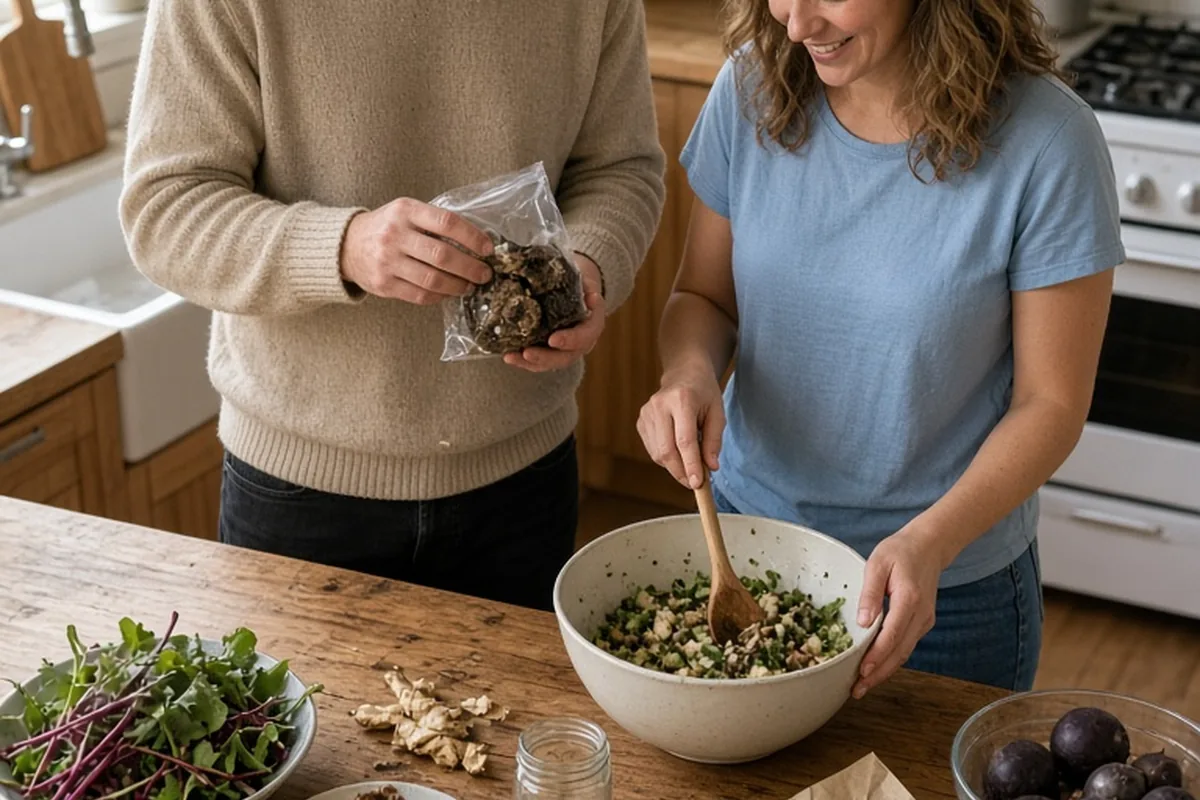
Fun activities strengthen a relationship when they introduce shared novelty, encourage playful collaboration, and remove the pressure of routine chores or performative romance. Focus on low-stakes shared experiences—such as trying a new culinary challenge, exploring an unfamiliar neighborhood without a set itinerary, or tackling a cooperative board game—where you both act as equal partners navigating something unfamiliar. Prioritize presence and mutual amusement over perfection or expensive outings.
When daily responsibilities, work stress, and domestic routines take over, couples often fall into passive habits like parallel scrolling or watching television on auto-pilot. While relaxing side by side has its place, intentional shared activities create fresh conversational ground, reintroduce playful banter, and remind you why you enjoy each other's company outside the demands of everyday logistics.
Embracing Low-Stakes Novelty Through Beginner Classes and New Skills
Stepping into a learning environment where neither partner is an expert levels the playing field and disrupts entrenched relational dynamics. When one partner is always the organizer, driver, or decision-maker at home, attempting a brand-new skill together—such as introductory wheel-thrown pottery, basic bouldering, introductory partner dance, or a beginner woodworking workshop—forces both people to be vulnerable. Shared clumsiness and the natural mistakes that happen when learning something from scratch invite spontaneous laughter, which reduces interpersonal tension and releases the expectation of performance.
To make this work well, choose an activity neither person has mastered so that one partner does not inadvertently slip into an instructor role. If one person has significant experience in a craft, the dynamic can unintentionally shift into subtle critiques or unequal footing. Select standalone, one-time community center workshops, local library programs, or single-evening studio sessions before committing to a multi-week course. The goal is not technical mastery; it is observing how you both support, encourage, and laugh with each other when things do not turn out perfectly on the first try.
Interactive Kitchen Challenges and Blind Taste Tests at Home
Cooking dinner often feels like a chore when it is tied to weekly meal prep, tight schedules, and post-work exhaustion. You can transform the kitchen into a space for connection by changing the structure of the meal into a playful challenge. One accessible option is a themed mystery-ingredient night: each partner shops for three inexpensive, unusual ingredients with a strict budget limit, and together you collaborate to invent a dish incorporating all items. Alternatively, organize a structured blind taste test featuring different brands of hot chocolate, local cheeses, sparkling waters, or store-bought salsas, scoring each entry on playful homemade scorecards.
These food-based activities encourage gentle debate, sensory engagement, and cooperative problem-solving without the financial strain of dining out at upscale restaurants. The key to keeping the experience positive is establishing realistic parameters beforehand: keep the cleanup simple, avoid overly complicated multi-step recipes that create stress, and agree that the outcome does not need to look like a professional meal. If a culinary experiment fails completely, treating the resulting kitchen flop with humor and ordering a simple backup pizza becomes part of the shared memory.
Micro-Adventures and Unscripted Exploration in Your Local Area
Strengthening your connection does not require booking an expensive vacation; local micro-adventures offer similar psychological benefits by disrupting your standard geographic routines. Pick a nearby neighborhood, historic downtown street, regional park, or coastal trail you rarely visit. Instead of planning a rigid, hour-by-hour itinerary, establish a loose framework—for instance, choosing a central landmark to start from, visiting an independent bookstore, finding one scenic walking path, and picking up a beverage from a local bakery you have never tried.
Unscripted wandering encourages spontaneous conversations because your surroundings are unfamiliar. You are both forced to look up from your phones, observe your environment together, and make joint micro-decisions along the way, such as deciding which side street to walk down or which shop looks intriguing. If weather or mobility constraints limit outdoor walking, you can adapt this approach indoors by wandering through an expansive flea market, an architectural salvage depot, or a public greenhouse with a casual scavenger list of quirky items to spot.
Cooperative Board Games and Structured Screen-Free Evenings
While competitive board games can occasionally spark friction if one partner is intensely competitive, cooperative tabletop games place both players on the same team against the game mechanics. Titles built around shared objectives—such as solving escape-room puzzle kits, managing resources together in cooperative adventure games, or deducing clues in collaborative mystery decks—require active communication, strategic negotiation, and mutual trust. Navigating a challenging puzzle together allows you to appreciate your partner's specific analytical strengths and creativity in a lighthearted setting.
If board games are not appealing, you can design a screen-free evening around structured conversational card decks or creative collaborative exercises. Set aside your phones in a separate room for two hours and try activities like co-drawing a funny comic strip, building a miniature model kit, or assembling a challenging jigsaw puzzle while listening to a full music album without background television. Removing digital notifications eliminates the subtle micro-distractions that prevent true conversational depth and shared presence.
Outdoor Physical Play, Tandem Fitness, and Nature Immersion
Physical movement in natural settings combines the stress-reducing benefits of outdoor air with the bonding power of shared physical effort. Engaging in casual, non-competitive outdoor pursuits—such as renting a two-person tandem kayak, playing a round of disc golf, trying a beginner-friendly nature hike, or setting up a badminton net in a public park—shifts your attention to your physical bodies and shared coordination. The natural release of endorphins from moderate exertion tends to improve mood and openness, making post-activity conversations feel warmer and more relaxed.
Keep the focus strictly on mutual enjoyment rather than athletic performance or calorie burning. If one partner has higher endurance or athletic experience, choose an activity where pacing differences do not isolate either person, such as scenic flat-trail cycling, paddleboarding on a calm lake, or gentle trail walking. Check weather conditions and trail difficulty ahead of time so the outing does not devolve into exhaustion or logistical frustration, and always pack comfortable footwear, sufficient water, and favorite snacks.
Joint Creative Projects and Vision Mapping for the Future
Working together toward a tangible, creative outcome builds a sense of shared purpose and partnership. This does not mean launching an intense home renovation that causes practical stress; instead, focus on low-pressure creative projects that can be completed over one or two weekends. Examples include planting a container herb garden on a balcony, curating and printing a physical photo album of your past year, building a piece of flat-pack furniture as an intentional team exercise, or repainting an accent wall in a shared living space.
Another collaborative option is mapping out future low-pressure aspirations, such as building a shared travel list, sketching an ideal seasonal itinerary for the upcoming autumn or spring, or compiling a shared playlist of songs that carry personal meaning from different stages of your relationship. These sessions reinforce the idea that your partnership is an evolving, forward-looking journey where both individuals have equal voice and creative input in shaping the shared environment and future experiences.
Community Volunteering and Supporting Local Causes as a Team
Shifting attention outward toward the broader community can strengthen a couple's bond by highlighting shared core values and generating perspective. Volunteering together—whether helping at a local community garden, sorting donations at a regional food bank, walking rescue dogs at an animal shelter, or participating in a neighborhood cleanup day—takes the focus entirely off personal relationship dynamics and directs positive collective energy toward helping others.
Experiencing gratitude and shared contribution side by side often deepens mutual respect. Seeing your partner show patience with a shelter animal, work hard loading donation boxes, or chat warmly with community members reveals qualities that may be obscured during mundane household routines. Choose a cause or organization that both partners genuinely care about, commit to a manageable single morning or afternoon shift without overcommitting, and treat yourselves to a relaxed lunch afterward to talk through what the experience felt like.
Illustrative Scenarios
Breaking the Weeknight Screen Rut
Jordan and Taylor found themselves spending every evening on the couch, exhausted from work and scrolling through social media while streaming background shows. Jordan initially worried that their lack of conversation meant they were drifting apart emotionally. Instead of having a heavy relationship confrontation, Taylor suggested a Tuesday 'Cheap Recipe Throwdown' where each had thirty minutes and five staple pantry ingredients to create an unusual appetizer. The kitchen ended up slightly messy, but the session generated lively banter and led to forty minutes of genuine laughter over their strange culinary creations.
Key point: Introducing a brief, structured, playful activity into regular weeknights breaks passive routines more effectively than demanding spontaneous deep conversation after a tiring workday.
Navigating Disparate Hobbies on the Weekend
Elena loved intense outdoor fitness, while Marcus preferred relaxed indoor creative hobbies, leading to frequent weekend impasses where both felt they had to compromise unhappily. Marcus originally assumed Elena found his interests boring, while Elena felt Marcus was unwilling to step outside his comfort zone. They agreed to alternate choosing an entry-level activity that required zero prior skill from either person. Their first trial was an introductory botanical sketch walk in a public garden, which blended Elena's preference for being outside with Marcus's interest in artistic observation, giving them common ground.
Key point: When personal interests differ, choosing hybrid activities that blend elements of both preferences creates shared enjoyment without forcing either partner into an uncomfortable role.
Frequently asked questions
What if my partner is reluctant to try new activities?
Start with very small, low-commitment options that last under an hour and require minimal preparation, such as an at-home blind beverage tasting or a short scenic drive. Frame the invitation as a light experiment rather than a mandatory relationship exercise, and invite their honest input on what sounds genuinely relaxing to them.
How often should couples schedule dedicated bonding activities?
Consistency matters far more than frequency or scale. Committing to one intentional, focused activity every one to two weeks is often much more sustainable for busy schedules than attempting elaborate weekly outings that become an administrative burden.
Can these activities help if we are currently experiencing relationship tension?
Low-stakes fun can help re-establish positive warmth and break emotional gridlock, provided the activity is purely collaborative and free of competitive pressure. However, shared activities are a complement to, not a replacement for, direct and respectful communication about unresolved core conflicts.
What are affordable options if we have a strict budget?
Many of the most effective bonding activities cost almost nothing, including local park walks, library puzzle exchanges, stargazing, home game nights, or cooking creative meals using pantry staples. Meaningful connection relies on undistracted mutual presence rather than spending money.
Your next step
Pick one low-stakes activity from this guide that fits your schedule this week, agree on a dedicated one-hour time window, and place both phones in another room before you begin.