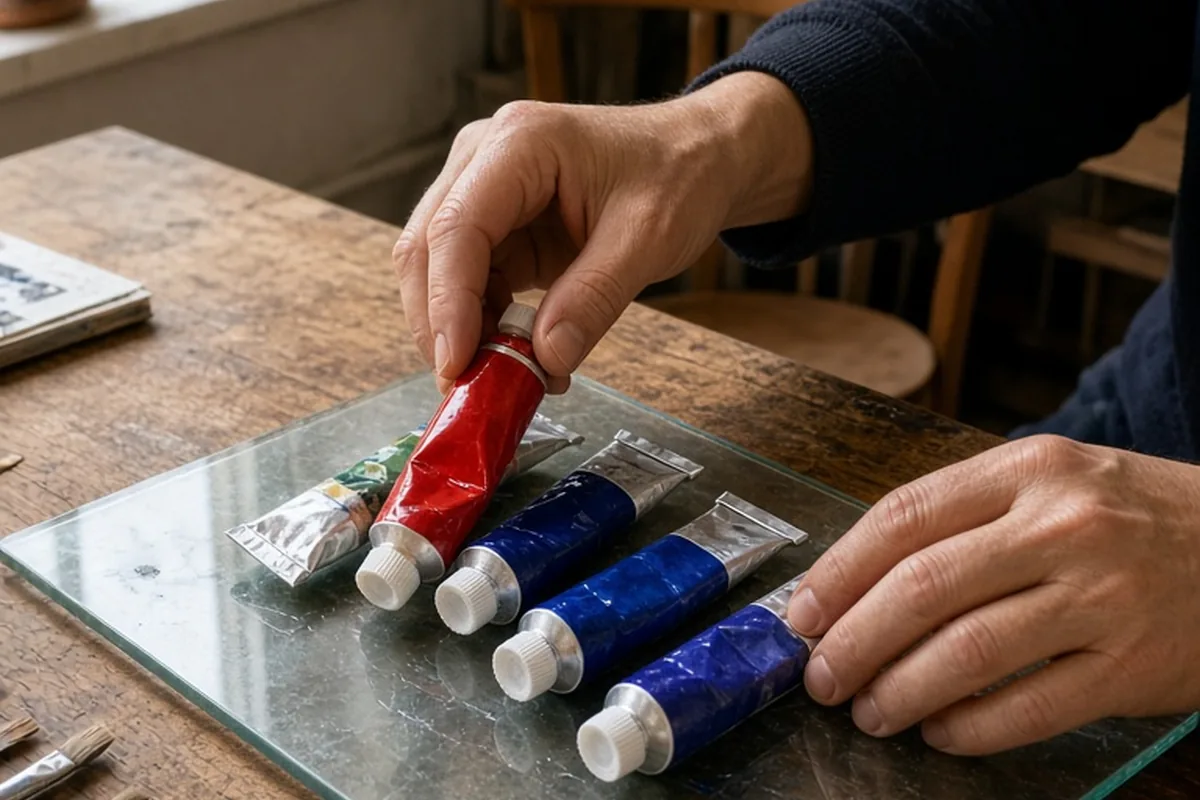
The best gifts for an artist boyfriend show that you understand his specific creative medium and daily workflow. Consider upgrade-level studio consumables like high-grade cotton paper or archival paints, ergonomic studio furniture, portable field gear, or gallery memberships. If his technical tools are highly specialized, experiential gifts, framing vouchers, or custom presentation cases allow you to support his work without guessing complicated product specifications.
Shopping for someone dedicated to visual art can feel intimidating if you do not share the craft yourself. Navigating specialized brands, technical grades, and personal studio quirks does not require mastering his medium; it simply requires observing how he works and identifying where practical support meets creative encouragement.
Observing His Medium and Daily Workflow
Before selecting a gift, take time to quietly assess how your boyfriend actually spends his studio hours. An oil painter, a digital concept artist, a ceramicist, and a printmaker interact with completely different tools, chemicals, and physical environments. Giving an oil painter a generic acrylic kit signals a lack of awareness, whereas noticing that he is constantly scraping the bottom of his favorite titanium white tube shows genuine attention. Look at the surfaces he uses, whether he works standing or seated, and how he manages mess or digital clutter in his workspace.
Take note of recurring bottlenecks or frustrations he mentions in casual conversation. If he frequently complains about poor evening lighting, drying space, brush degradation, or eye fatigue during digital rendering, those friction points provide your clearest gift blueprint. You do not need to decipher every technical nuance on your own; simply identifying the exact brand names on his most worn-out tools gives you a reliable reference point for a meaningful, practical gift.
Upgrading Studio Consumables and Archival Materials
Many artists hesitate to purchase top-tier materials for daily practice because professional-grade surfaces and pigments are expensive. Gifting premium versions of the items he already burns through creates a luxurious creative experience without imposing unfamiliar tools on him. For traditional painters, consider heavy linen canvases, hand-poured watercolor pans, or heavy-body pigments from heritage makers. For illustrators, high-density cotton rag paper pads or archival ink pens allow him to work without worrying about material cost.
When purchasing consumables, the primary trade-off is specificity. While an entry-level starter set may seem generous because it contains dozens of colors, professional artists usually prefer two or three exceptional single tubes of pure pigment over an entire box of student-grade paint with low pigment loads. If you are uncertain about exact shades, look at his palette to see which colors he replaces most often, or opt for universal studio upgrades like natural brush cleaners, odorless solvent containers, or tempered glass palettes.
Equipping Him for Mobile Sketching and Field Work
If your boyfriend enjoys sketching on location, working in public parks, or capturing architectural studies during travels, mobile gear provides an ideal blend of utility and sentiment. Portable setups require durable, compact components that can withstand travel while keeping supplies organized. Hardcover sketchbooks with lay-flat binding, rugged waxed canvas tool rolls, and compact travel brush sets make leaving the studio effortless and inspiring.
Consider how his outdoor equipment balances weight against stability. A compact field easel or lightweight pochade box is fantastic for an outdoor painter, but only if it fits into his current transit routine. If he walks or bikes to his sketching spots, prioritize compact dimensions and weather-resistant materials over bulky, heavy wood constructions. Adding a comfortable, packable stool or a secure watercolor water flask can transform an otherwise awkward outdoor session into a seamless afternoon.
Prioritizing Studio Ergonomics and Physical Comfort
Artistic production places heavy physical demands on the body, frequently resulting in neck strain, lower back stiffness, wrist tension, and eye fatigue. Enhancing his workspace with ergonomic support demonstrates care for his long-term health and creative longevity. A daylight-balanced studio lamp with a high color rendering index (CRI 95+) ensures accurate color judgment regardless of the time of day, significantly reducing visual strain during late-night sessions.
For artists working primarily in physical mediums, anti-fatigue standing floor mats, fully adjustable drafting stools, and heavy-duty apron aprons with reinforced pockets offer immediate relief. If he is a digital artist spending long hours at a tablet or screen, look into specialized drawing gloves, adjustable tablet stands that correct hunching postures, or programmable shortcut remotes that minimize repetitive wrist movements. These functional investments pay dividends across every hour he spends creating.
Giving Cultural Inspiration, Books, and Experiences
Gifts do not always need to take the form of physical equipment. Immersive experiences and visual references replenish an artist's creative reserves when studio work feels repetitive or draining. An annual membership to a local contemporary art museum or regional gallery network provides him with free, unlimited admission, exhibition previews, and quiet spaces to study masterworks up close whenever he needs a break from his own easel.
High-quality monographs and curated art books from independent publishers also serve as enduring sources of inspiration. Choose volumes that focus on his specific influences, historical art movements, or technical retrospectives featuring full-bleed, color-accurate plates. Pair a book or museum pass with an afternoon together where you give him ample, unhurried time to explore exhibits at his own pace without feeling rushed.
Professional Presentation, Storage, and Archival Framing
One of the largest hidden expenses for emerging and active artists is preparing completed pieces for exhibition, client delivery, or safe archival storage. Once a piece is finished, it requires proper protection. Professional presentation supplies, such as archival print sleeves, acid-free portfolio cases, and moisture-resistant flat-file storage boxes, help him safeguard his body of work with pride and professional rigor.
Custom framing certificates are equally valuable. Custom framing is notoriously expensive, leading many artists to leave finished paintings or drawings unframed in their studios. By purchasing a framing voucher at a reputable local framer, you give him the freedom to select the exact moulding, matting, and UV-filtering glass that best complements his piece, turning an unfinished studio asset into a ready-to-hang gallery showcase.
Illustrative Scenarios
Supporting Specific Pigment Preferences
Marcus wanted to buy his boyfriend Julian, an oil painter, a significant birthday gift. Marcus initially planned to purchase a large, experimental oil varnish set he saw promoted online. However, Marcus realized Julian worked in a small, ventilated apartment studio and had strict preferences regarding drying times and medium toxicity. Instead of guessing unfamiliar chemicals, Marcus photographed Julian's near-empty paint tubes, visited an independent art store, and bought replacement tubes of Julian's favorite professional-grade cadmium red, ultramarine, and cobalt pigments, along with a heavy, easy-to-clean tempered glass palette. Julian was thrilled to have his most expensive staple paints replenished without any guesswork.
Key point: Replacing essential, top-tier consumables shows deeper attention to an artist's daily reality than introducing speculative tools that may not fit his studio setup.
Upgrading Digital Studio Ergonomics
Elena noticed her boyfriend Liam, a freelance digital concept artist, frequently suffered from shoulder tension and eye strain after twelve-hour rendering sessions. She initially considered buying him a new drawing display, but worried about driver compatibility, screen resolution, and his personal stylus preferences. Instead of risking a costly hardware error, Elena bought an articulating monitor arm, a high-CRI screen-mounted light bar to reduce contrast glare, and a collection of curated concept art reference books. The desk adjustments eased Liam's posture immediately while leaving his specialized tablet setup intact.
Key point: When technical software or hardware choices carry compatibility risks, focus on ergonomics and environmental upgrades that improve comfort around the core equipment.
Frequently asked questions
How do I choose paint or paper if I do not understand his medium?
Check the exact brand names, weights, and product series on the supplies he currently uses in his studio. Purchasing higher grades within his preferred brand, or buying single tubes of pure pigments he already uses, ensures compatibility without guesswork.
Is it impersonal to give an artist boyfriend a gift card?
Not when it is targeted to a specialty art supply store or professional custom framer. Artists often have hyper-specific technical requirements, so a focused gift card paired with a thoughtful note or small physical sketchbook is both considerate and intensely practical.
What are low-cost gift options that still feel meaningful?
Budget-friendly options include archival sketchbooks, high-quality brush cleaning soaps, museum day passes, or helping him professionally photograph his physical portfolio under controlled lighting.
Your next step
Take a quiet inventory of his studio space this week to identify his favorite worn-out supplies, lighting gaps, or framing needs, and choose a gift that directly reinforces his daily creative rhythm.