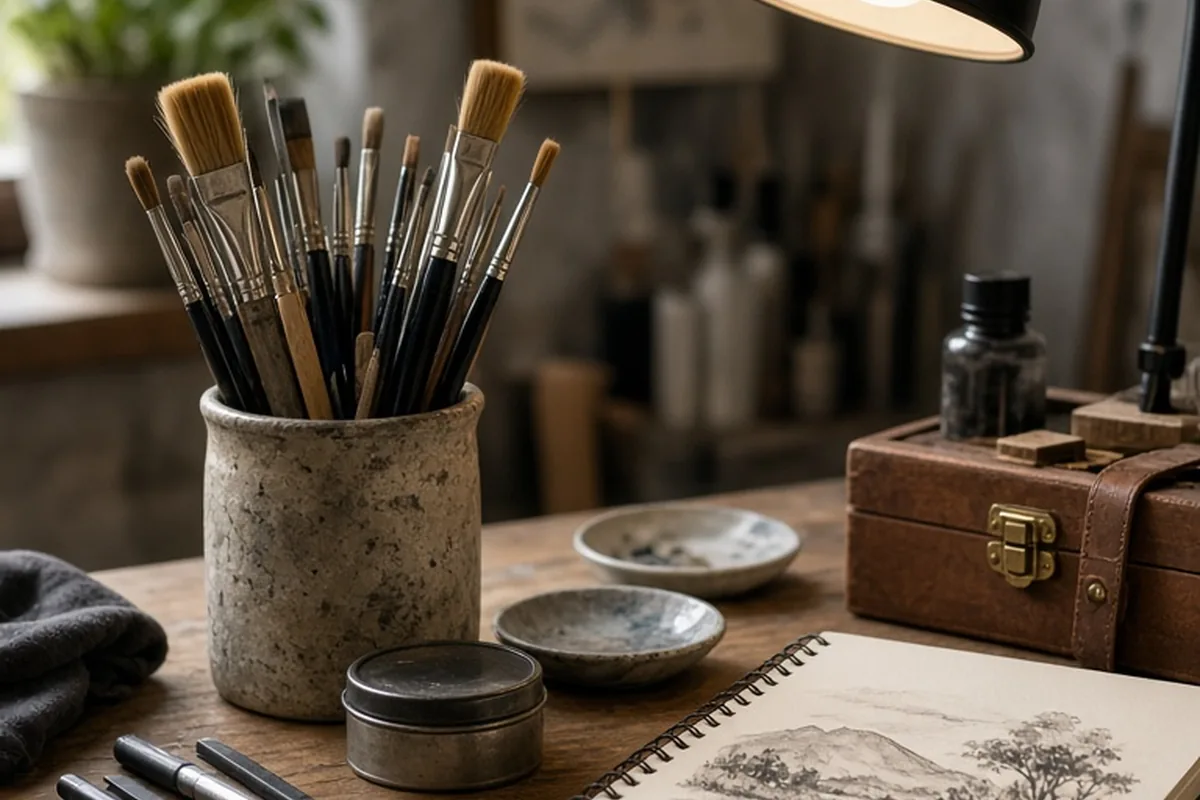
The best gifts for a male artist depend on his primary medium and current studio setup. Focus on versatile studio upgrades, archival-grade supplies, or workflow accessories he might hesitate to buy for himself. High-CRI daylight lamps, professional brush organizers, textured digital screen protectors, portable plein air kits, and museum memberships provide practical value while respecting his personal creative process and technical preferences.
Buying a present for an artist can feel intimidating, especially when you are unfamiliar with his preferred techniques, tools, or brand loyalties. Understanding the practical realities of making art helps you select items that integrate seamlessly into his daily workflow.
Upgrading Studio Lighting and Workspace Ergonomics
Natural, consistent illumination is essential for accurate color rendering and reducing eye strain during long working sessions. Many artists work in spaces with subpar ambient lighting, which distorts pigments and creates frustrating glare across paper, canvas, or screens. A dedicated high-CRI (Color Rendering Index) lamp that replicates balanced daylight allows him to paint, draw, or sculpt at any hour without worrying about skewed undertones.
Ergonomic upgrades also provide long-term physical relief. Extended hours hunched over a drawing table, throwing clay, or carving wood frequently lead to back and wrist tension. Consider gifting an adjustable drafting stool with lumbar support, an anti-fatigue floor mat for standing easel work, or an articulated desk arm for reference monitors. A limitation to keep in mind is physical studio footprint; before selecting large furniture, ensure his workspace has adequate clearance so the gift adds comfort rather than clutter.
For a smaller but impactful lighting addition, consider a dimmable clip-on spotlight that attaches directly to an easel or drafting board. These compact fixtures allow him to isolate his working area without needing complex electrical reconfigurations.
Archival Materials and Professional Grade Consumables
Artists run through everyday supplies rapidly, but they often hesitate to invest in premium, archival-grade consumables due to cost. Gifting professional versions of his essential mediums elevates his final output by improving lightfastness, texture, and blendability. If he works in dry media, heavyweight cotton rag paper (such as 300 gsm hot-press or cold-press sheets) or handmade charcoal sticks offer a tactile difference he will appreciate immediately.
When purchasing wet media like oils, watercolors, or acrylics, look for professional-tier single-pigment tubes rather than pre-packaged student sets. High-grade paints contain fewer fillers and higher pigment concentrations, allowing for richer color mixing. However, a key trade-off with consumables is brand loyalty; artists often build specific working techniques around particular binders or drying times. If you are unsure of his exact brand, archival sketchbooks bound with heavy mixed-media paper are universally adaptable and avoid interfering with his specific paint chemistry.
To make consumable gifts feel substantial, package a few high-quality individual items together, such as three tubes of cadmium-free primary colors alongside a natural-hair detail brush and a roll of acid-free artist tape.
Digital Art Peripherals and Workflow Hardware
For the artist working primarily on a tablet, computer, or digital display, tactile feedback and workflow speed are vital. Digital creators often face repetitive strain and a slick, unnatural drawing surface. Matte, textured screen protectors that simulate the resistance of real paper can dramatically improve drawing precision while reducing harsh screen reflections.
Another practical gift is a dedicated programmable shortcut remote or mini keypad. These compact devices let him map frequently used commands—such as brush resizing, layer toggles, undo operations, and canvas rotation—to physical dials and buttons, keeping his non-dominant hand active and eliminating cumbersome keyboard reaches. The trade-off with digital accessories involves operating system and software compatibility; ensure any device or stylus accessory matches his specific tablet generation, stylus model, and illustration software suite before purchasing.
- Textured matte screen overlays for natural drawing resistance
- Programmable shortcut keypads with tactile rotary dials
- Weighted ergonomic stylus grips for reduced hand fatigue
- Color calibration display tools for accurate monitor profiling
Portable Field Gear for Plein Air and Urban Sketching
If he enjoys sketching on location, working outdoors, or attending live figure-drawing sessions, compact and durable field gear makes traveling with art supplies effortless. Standard studio gear is rarely designed for mobility, leading to spilled inks, crushed pastels, or damaged paper corners during transit. A weather-resistant waxed canvas tool roll or a compact Pochade box transforms his outdoor routine by keeping supplies organized and protected.
Portable water brushes with built-in reservoirs, collapsible water cups, and pocket-sized metal watercolor palettes allow for quick color studies on park benches or transit without mess. When choosing portable gear, balance weight against durability. A heavy wooden travel box might look handsome, but a lightweight aluminum easel or compact zippered folio is far more likely to see regular use on long walking trips.
Studio Organization, Storage, and Preservation Solutions
A cluttered studio hampers focus and risks accidental damage to finished works. Specialized art storage solutions help him preserve completed pieces while freeing up active work surfaces. Flat file storage boxes or heavy-duty portfolio binders protect works on paper from dust, bending, and light exposure without requiring immediate framing.
For painters, consider vertical canvas drying racks, sturdy brush washers with spiral drying suspensions, or airtight palette boxes that keep mixed oils and acrylics usable across multiple days. While practical storage items are rarely glamorous, they resolve the ongoing physical headache of supply management. Ensure you measure standard dimensions: if he tends to work large (such as 24x36 inches or larger), smaller storage units will not accommodate his portfolio.
Anatomical Models and Visual Reference Resources
Working from reliable reference is a foundational skill across figurative art, concept design, and sculpture. While digital reference libraries are widely available, physical models provide dynamic lighting control and real-world spatial understanding. High-detail planar head busts or articulated magnetic wooden mannequins give him immediate access to planes of the face, proportion checks, and dynamic posing without relying entirely on a flat screen.
Specialized art books focusing on anatomy for artists, color theory, or comprehensive retrospectives of master draftsmen also serve as permanent studio companions. When selecting reference books, prioritize titles that emphasize practical construction and underlying form over brief coffee-table overviews. The limit of reference materials is stylistic preference; choose resources that align with his current goals, whether he is working toward realistic portraiture, sequential art, or stylized abstraction.
Experiential Gifts and Creative Memberships
Physical gear is not the only way to support an artist; providing access to spaces, education, and inspiration can be just as meaningful. An annual membership to a local art museum or botanical garden gives him free admission to quiet spaces where he can gather visual references, study historical masterworks, or sketch without time limits.
Alternatively, consider funding studio access or practical education, such as a punch-card pass for local untutored life-drawing sessions, a ceramic open-studio membership, or enrollment in a specialized masterclass. Experiential gifts avoid adding physical clutter to his workspace and provide dedicated time for personal creative growth. The trade-off is scheduling flexibility; opt for open-ended passes or gift certificates rather than fixed-date workshops so he can attend when his schedule permits.
Frequently asked questions
What if I do not know what kind of art medium he uses?
Universal studio items make the safest choices when you are unsure of his exact medium. Focus on high-CRI task lighting, heavy-duty archival sketchbooks, adjustable easel clamps, or museum memberships, which provide value across all visual disciplines.
Is it safe to buy paint or brush sets as gifts?
Pre-packaged beginner sets are best avoided for experienced artists because they often contain low-grade binders and filler pigments. If you choose to buy brushes or paint, select one or two open-stock, professional-grade items from reputable art supply manufacturers rather than large variety packs.
Are digital art gifts useful for traditional painters?
Many traditional painters use digital tablets to plan compositions, test color palettes, and create preliminary thumbnail sketches. However, if he strictly prefers analog methods, practical physical tools like drying racks, fine papers, and studio lighting remain better choices.
Your next step
Take a discrete look at his current workspace to note his primary medium, then choose a durable studio upgrade or professional-grade consumable that removes a daily friction point from his creative routine.