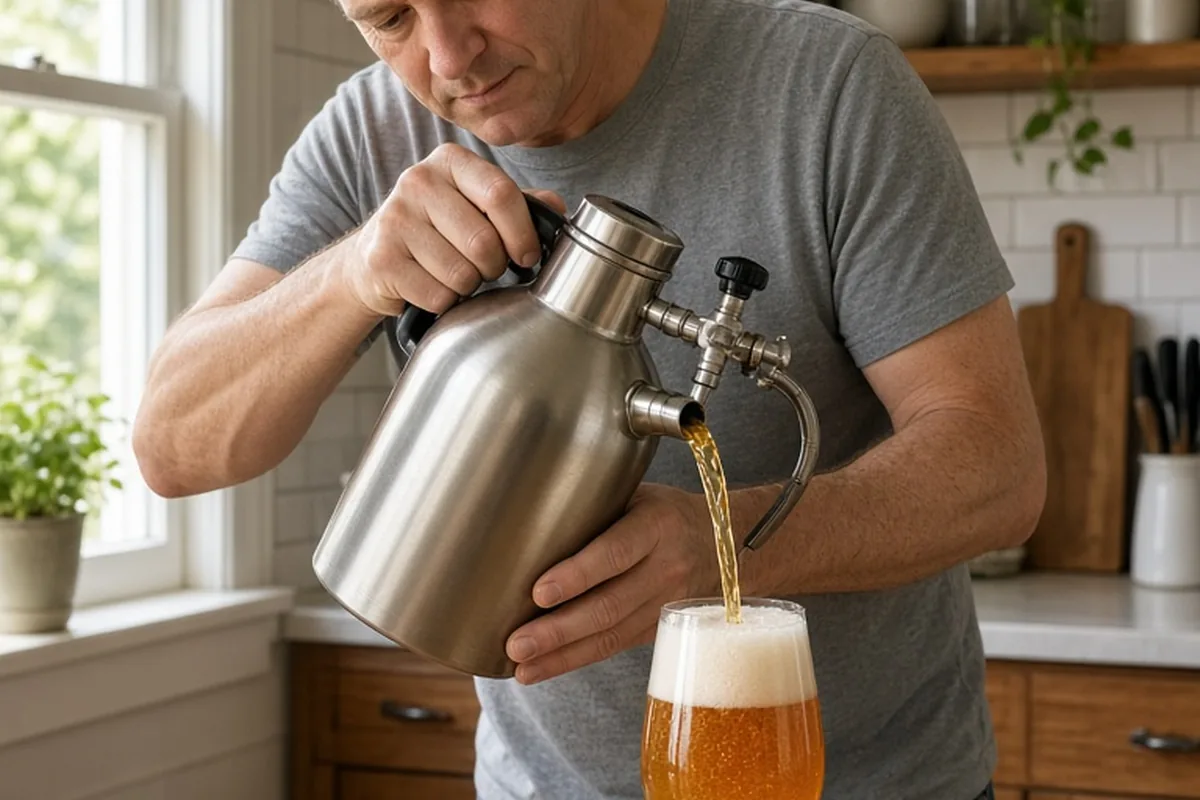
The best beer gifts for a husband match his specific tasting habits rather than generic novelty themes. Focus on specialized glassware suited to his favorite style, pressurized growlers for brewery-fresh drafts at home, temperature-regulating coolers, or a monthly craft subscription highlighting microbreweries he cannot source locally. Prioritizing everyday utility and flavor enhancement guarantees a thoughtful gift he will regularly enjoy.
Shopping for an avid beer enthusiast often feels tricky when bottle-shop shelves are crowded with dizzying varieties and gadget aisles push gimmicky novelties. Bypassing disposable plastic items lets you choose functional equipment or rare tastings that honor his palate, routine, and relaxation.
Assess His Personal Taste Profile Before Buying
Before selecting a specific piece of barware or ordering a specialty pack, observe what your husband actually drinks on an ordinary weekend. Craft beer is not a single category; an imperial stout lover who savors roasted malts, coffee notes, and viscous textures will have completely different preferences than someone who enjoys crisp, low-bitterness Czech pilsners or hop-heavy, juicy New England IPAs. Checking the recycling bin or taking a quick photo of the cans currently sitting in his crisper drawer provides immediate clarity on his preferred styles, alcohol percentages, and favorite local producers without ruining any element of surprise.
Translating this simple inventory into a meaningful gift avoids the common trap of buying variety packs where half the cans remain untouched. For example, if you notice he leans consistently toward dry-hopped sours or Belgian abbey ales, a specialized bottle from an independent craft blender or a cellar-worthy seasonal release will mean substantially more than a generic retail gift basket. The trade-off of this customized approach is that it requires patience and a little quiet research rather than an impulse buy, but taking three minutes to understand his baseline habits guarantees your investment does not end up pushed to the back of the pantry.
Style-Specific Glassware That Enhances Flavor
Most casual home bars rely on heavy shaker pint glasses, yet these thick, straight-sided tumblers were historically designed for durability in commercial dishwashers rather than optimal sensory appreciation. A flat rim and wide opening allow delicate aromatic hop compounds to dissipate rapidly into the room, while heat from a drinker's hand transfers directly into the beer through the glass wall. Upgrading your husband's drinkware changes his daily ritual by focusing aromatic volatile compounds toward his nose and preserving proper serving temperatures through designated stems or ergonomic shapes.
Consider a matched pair of lead-free crystal Teku glasses, which feature a distinct angular bowl and narrow chimney designed to concentrate aromatics across virtually any craft style. Alternatively, laser-etched nucleated glasses maintain a steady, gentle stream of bubbles from the bottom of the base, refreshing the foamy head and releasing complex aromas until his last sip. A practical trade-off to keep in mind is care requirements: high-end thin-walled crystal glassware requires gentle hand-washing and careful shelf storage, so if your husband prefers low-maintenance items that survive everyday dishwasher cycles, opt for thick-stemmed Belgian chalices or sturdy English nonic pint glasses instead.
Draft Preservation and Pressurized Growler Systems
If your husband enjoys visiting local microbreweries, he has likely experienced the frustration of bringing home standard 64-ounce glass jugs. Traditional growlers begin losing carbonation the moment they are cracked open, leaving draft beer flat, stale, and oxidized within twenty-four to thirty-six hours. Gifting a pressurized stainless-steel growler solves this shelf-life problem by combining vacuum insulation with a miniature carbon dioxide regulator and draft faucet.
A unit like an insulated tap growler lets him fill up his favorite limited-release IPA or amber ale at a local taproom and pour crisp, freshly carbonated drafts at home for up to two weeks. The double-walled steel construction also protects the liquid from ultraviolet light degradation, commonly known as skunking, while keeping beverages cold on camping trips or backyard cookouts without an ice chest. The operational trade-off is maintenance: these systems require small food-grade CO2 cartridges, food-safe silicone seal care, and thorough line cleaning after each use, making them ideal for husbands who enjoy gear maintenance rather than those looking for instant, zero-effort disposal.
Targeted Subscriptions and Hard-to-Find Regional Beers
While mass-market beer-of-the-month clubs have existed for decades, many historically relied on excess stock from national commercial distributors that offered little excitement for seasoned drinkers. Modern craft delivery clubs, by contrast, coordinate directly with independent, small-batch farmhouses and regional microbreweries to ship freshly canned or bottled offerings straight to consumer doorsteps. This gives your husband direct access to geographic regions whose beers never appear on his local supermarket shelves due to tight distribution networks.
When choosing a subscription platform, prioritize services that permit customization, such as dark-ale collections for cold winter months or crisp lagers and pale ales during the summer. For a memorable personal touch, you might also order a custom-curated box from a specific city where you spent a memorable vacation together or where he attended college. Keep in mind that direct-to-consumer alcohol delivery carries distinct logistical requirements: shipments invariably mandate an adult signature upon delivery, and certain states maintain strict interstate shipping restrictions that may require shipping to a workplace or selecting an alternate local regional provider.
Homebrewing Upgrades and Sensory Education Tools
For a husband whose interest extends beyond casual drinking into the actual science of fermentation, equipment upgrades provide a rewarding outlet for his curiosity. Many homebrewers start with cumbersome plastic fermentation buckets and basic glass carboys that require complex siphoning and present persistent contamination risks. Modern brewing gear has evolved dramatically, introducing compact, food-grade stainless steel fermenters with conical bottoms that allow clean yeast dumping and pressurized transfers directly into serving kegs.
If he already has a stable brewing system, smaller technological tools can significantly elevate his precision and save brewing time. A wireless floating hydrometer transmits continuous specific gravity and temperature data directly to a smartphone app via Bluetooth or Wi-Fi, allowing him to monitor fermentation without opening the vessel. For a non-gadget alternative, a professional cicerone-level sensory training kit lets him identify specific off-flavors such as diacetyl or oxidation through guided blind tastings. The primary constraint to weigh here is space and commitment: all-grain brewing equipment requires substantial square footage and dedicated cleaning routines, so confirm your shared living space can comfortably accommodate new hardware before buying large kettles.
Culinary Tools and Thoughtful Food Pairings
Beer possesses a wide culinary range due to its balance of carbonation, roasting, sweetness, and bitter alpha acids, often offering more versatile food pairings than wine. Connecting his hobby to everyday meals elevates his enjoyment from a solitary drink into a shared dining experience. Gifting a curated food pairing basket containing artisan aged cheeses, dry-cured charcuterie, beer-washed rind selections, and stone-ground malt mustards turns a casual evening at home into an engaging tasting flight.
You can extend this concept into kitchenware designed for cooking with craft beer. Heavy enameled cast iron braisers, specialized fondue pots for cheddar-ale dips, or cookbook guides written by professional brewmasters offer practical culinary inspiration. For instance, pairing a rich Belgian dubbel with braised beef short ribs demonstrates how malt sweetness tenderizes rich cuts while matching caramelized exterior crusts. The main limitation is shelf life: gourmet pairing baskets contain perishable items that require timely consumption, making them best suited for an intentional anniversary, birthday, or scheduled weekend dinner.
Storage and Cellaring Accessories for the Collector
Husbands who collect heavy imperial stouts, barleywines, and wild Brettanomyces ales often run into storage hurdles. Unlike standard light lagers that are best consumed fresh, high-alcohol and bottle-conditioned beers benefit from controlled cellaring over months or even years. However, leaving valuable vintage bottles in warm closets, damp basements, or temperature-swinging pantries can ruin expensive corks, accelerate oxidation, and dull delicate flavor profiles.
A dedicated compact beverage cooler featuring UV-filtered glass doors, vibration-dampening shelves, and digital temperature controls maintains the ideal 50 to 55 degrees Fahrenheit cellar environment. If major appliances exceed your budget or apartment footprint, smaller organizational upgrades like solid hardwood wall-mounted magnetic cap displays, personalized bottle openers crafted from reclaimed oak barrels, or insulated outdoor travel totes offer handsome daily utility. The primary trade-off with cellar tech is energy usage and floor space, requiring a quick mutual check on household layout before bringing a secondary cooling unit into the living space.
Illustrative Scenarios
Bypassing Gimmick Purchases for Purposeful Daily Gear
When Mark's birthday approached, his partner Sarah browsed popular gift sites and noticed dozens of novelty beer accessories, from can-dispensing backpacks to pun-covered socks. She initially placed an automated dispenser hat into her online cart, thinking it would make Mark laugh. However, Sarah remembered that Mark was meticulous about his beer: he spent quiet weekend afternoons reading about hop varietals and carefully rotating limited double IPAs in the fridge. Recognizing that a novelty item would likely sit unused in a storage bin, she canceled the order. Instead, she bought a pair of German-made, nucleated IPA crystal glasses and tracked down a fresh four-pack from a farm brewery they had visited together two summers ago. Mark was genuinely moved by the gesture, using the glasses three or four evenings a week.
Key point: Opting for everyday functional quality and quiet observation always resonates deeper than novelty gadgets that sacrifice utility for an immediate laugh.
Balancing Ambition with Shared Living Boundaries
David loved talking about expanding his beginner homebrewing hobby into a multi-tiered outdoor burner and large propane brew rig. His spouse, Marcus, wanted to support David's passion for their anniversary but felt anxious about their small two-bedroom apartment, where outdoor space was limited to a modest shared balcony. Rather than buying bulky equipment that would crowd their shared home and generate friction, Marcus booked a private weekend brewing masterclass at a downtown microbrewery where David could experiment on commercial gear. Alongside the workshop ticket, Marcus wrapped a compact digital wireless hydrometer that synced fermentation data directly to David's phone without requiring any additional physical storage. David gained hands-on experience and a smart digital upgrade, while their apartment remained uncluttered.
Key point: Meaningful hobby support respects shared practical boundaries by prioritizing compact technology or immersive educational experiences over bulky equipment.
Frequently asked questions
How can I figure out what beer styles my husband prefers without giving away the surprise?
Take a quick look at the cans in your refrigerator or recycle bin, noting the brewery names, style labels like New England IPA or Milk Stout, and alcohol content. Alternatively, notice what he orders when dining out and casually ask what flavors he likes or dislikes about that specific pour.
Is specialized craft beer glassware actually worth the higher cost?
Yes, purpose-built glasses with tapered bowls and nucleated bases noticeably improve both the aroma and carbonation retention compared to thick pint glasses. Pouring craft beer into a proper glass allows the full hop and malt bouquet to reach the senses, transforming an ordinary drink into a richer tasting experience.
What common beer gifts should I avoid giving my husband?
Avoid plastic novelty items, chilling sticks that sit directly inside the bottle, and generic supermarket gift baskets filled with commercial beers he can buy anywhere. These items often alter the beverage's intended temperature or carbonation and rarely match the quality standards of someone who genuinely appreciates craft brewing.
Can craft beers be aged at home if we do not own a specialized cellar?
High-alcohol styles like barleywines, Belgian quads, and imperial stouts can age successfully in any cool, dark closet that maintains a steady temperature between 50 and 60 degrees Fahrenheit. The key requirement is keeping the bottles stored upright and shielded from direct sunlight and dramatic temperature spikes.
Your next step
Examine the style details on your husband's current favorite can or bottle today, and pick one durable piece of glassware or a fresh regional release that directly elevates that specific pouring routine.