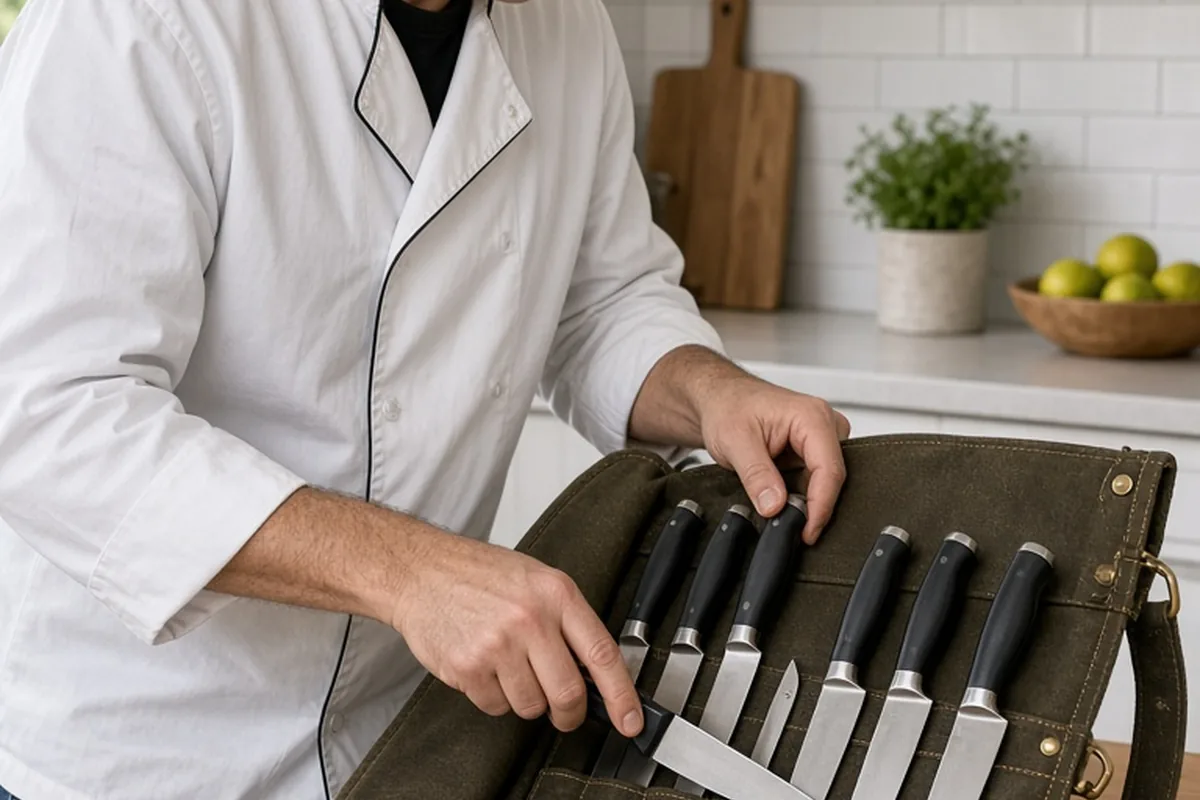
The best gifts for a chef boyfriend balance his professional standards with genuine personal care. Instead of generic kitchen gadgets, choose high-grade utility items he specifically requests, artisan pantry ingredients, premium knife maintenance supplies, or comfort-focused recovery gifts like high-end footwear and massage tools. Alternatively, offer experiences where he is taken care of, such as a meal at an acclaimed restaurant where he can simply relax and enjoy.
Buying a present for a professional cook can feel daunting because culinary professionals develop specific preferences about their daily equipment. When you understand the distinction between commercial-grade utility and off-duty comfort, you can easily choose a present that honors his passion without cluttering his station.
Navigating Professional Equipment Without Guessing Technical Preferences
Culinary professionals view their primary tools as extensions of their hands, which makes buying core equipment like knives or cookware challenging. A chef evaluates a blade based on its steel hardness, balance point, handle geometry, and maintenance requirements. Unless he has explicitly named the exact brand, model, and bevel angle he wants, attempting to surprise him with a centerpiece knife often leads to an awkward mismatch between your generous gesture and his daily ergonomic needs.
Instead of guessing core tools, focus on high-utility gear that supports his craft universally. Heavy-duty waxed canvas or leather knife rolls provide durable protection for his collection during commutes between kitchens and events. Similarly, diamond-flattening plates, premium water stones in standard finishing grits, or high-accuracy digital timers offer reliable utility without interfering with his personal knife-handling preferences.
When choosing gear in this category, prioritize durability over decorative appeal. Commercial kitchens subject equipment to extreme heat, harsh sanitizers, and rigorous wear, so items made from reinforced fabrics, water-resistant treatments, and solid brass hardware will outlast trendier home-cook alternatives.
Artisanal Pantry Upgrades and Hard-to-Find Ingredients
Chefs frequently appreciate exceptional ingredients that they might hesitate to purchase for everyday personal use. Sourcing rare, single-origin, or small-batch culinary components gives him an opportunity to explore novel flavor profiles at home without the margin constraints of a commercial kitchen budget.
Consider assembled selections of traditional barrel-aged balsamic vinegars with verified origin certifications, cold-pressed single-estate finishing olive oils, or hand-harvested sea salts from distinct geographic regions. You can also explore specialized ingredients tied to his culinary interests, such as traditionally fermented soy sauces, single-varietal peppercorns, wild-harvested dried mushrooms, or rare heirloom dried chiles.
The primary advantage of gifting high-end pantry goods is that they invite culinary play without adding permanent clutter to his living space. A trade-off to keep in mind is shelf life; ensure that perishable items match his current cooking rhythm so that delicate specialty goods do not spoil before he finds time to use them.
Physical Recovery and Off-Duty Comfort Gifts
A chef's daily routine involves long shifts spent standing on hard tile, working near intense heat sources, and performing repetitive physical tasks. Gifts that address physical recovery demonstrate attentive care for his overall well-being beyond his job title.
Targeted recovery tools can provide significant daily relief. Percussion massage devices help release tension in tight shoulders and calves after a fourteen-hour shift. High-performance recovery footwear, such as supportive orthopedic slides or dense foam house shoes, gives his arches immediate relief the moment he steps through the front door. High-cushion wool work socks designed for standing all day also make an immediate practical difference during service.
You can also create a home recovery environment by pairing magnesium bath flakes, rich unscented hand salves formulated for cracked kitchen hands, and blackout sleep masks for daytime rest periods. These choices acknowledge the demanding physical reality of hospitality work and provide comfort where he needs it most.
Specialized Culinary Literature and Technical Manuals
Most working chefs have outgrown standard introductory recipe books and instead value in-depth culinary literature that explores food science, cultural histories, or advanced techniques. A thoughtful book selection can inspire his creative development and offer engaging reading during his downtime.
Look for deep-dive monographs dedicated to single techniques or regional traditions, such as advanced charcuterie manuals, professional baking and viennoiserie science texts, or detailed explorations of fermentation traditions. Comprehensive historical works that document the evolution of specific culinary cultures also make compelling additions to a dedicated food library.
Before selecting a title, take a discrete look at his existing bookshelf to identify gaps in his collection or subjects he frequently talks about wanting to master. If his shelves are already packed with standard culinary anthologies, seek out limited-run independent food journals or translated international texts that are less widely distributed.
Dining Experiences Where He Does Not Have to Cook
Because chefs spend their professional lives taking care of other people's hospitality experiences, one of the most meaningful gifts is an occasion where he is fully taken care of. Offering a dining experience lets him enjoy food as a guest rather than an organizer or producer.
Securing a reservation at an innovative restaurant, an intimate chef's counter, or a regional institution he has wanted to visit allows him to engage with his passion from a relaxed perspective. If high-end dining feels too formal or fatigue-inducing after a grueling workweek, plan an unpretentious outing to a beloved late-night noodle spot, a casual barbecue pit, or a quiet countryside bakery trip.
Alternatively, preparing a simple, unpretentious meal for him at home can be deeply restorative. Professional cooks rarely expect culinary perfection from their partners; they genuinely appreciate honest comfort food, zero kitchen clean-up responsibilities, and a completely stress-free evening together.
Practical Daily Accessories for the Line
Small, durable accessories that improve his daily workflow on the line make useful gifts. Kitchen shifts require reliable everyday carry items that withstand heat, moisture, and fast-paced environments.
Consider high-capacity insulated water bottles that keep ice water cold for twelve hours in a hot kitchen station, precision mechanical timers with tactile dials, or a set of professional-grade offset tasting spoons. Sturdy pocket flashlights or durable, click-action permanent markers with metal housings also solve everyday operational frustrations.
While these items are lower in cost compared to major equipment, their daily utility makes them exceptionally thoughtful. Choosing commercial-grade, understated designs ensures they blend seamlessly into his professional station without violating kitchen dress codes.
Illustrative Scenarios
Choosing Practical Gear Over Technical Guesswork
Taylor wanted to buy an anniversary gift for her partner, Marcus, a sous chef at a busy downtown bistro. She initially considered surprising him with a handmade Japanese slicing knife, but realized she did not know his preferred handle shape, steel type, or weight distribution. Instead of risking an expensive mismatch, Taylor purchased a heavy-duty waxed canvas knife roll handcrafted with brass buckles and included a modest gift certificate to his favorite regional cutlery sharpener. Marcus was thrilled because he had outgrown his old bag and could now safely transport his existing kit, while retaining total control over future knife additions.
Key point: Utility gear and maintenance accessories support a chef's work reliably without interfering with technical tool preferences.
Balancing Ambition With Off-Duty Rest
Jordan planned an elaborate weekend dinner party for his boyfriend, David, following the completion of an intense seasonal restaurant opening. When Jordan noticed David's visible physical fatigue and sore feet after weeks of double shifts, he realized that a busy party would require David to socialize and critique food when he needed recovery. Jordan adjusted the plan, organizing a quiet weekend cabin retreat with pre-stocked comfort snacks, foot-soaking salts, and zero schedule obligations. David expressed profound gratitude for the chance to rest without culinary performance pressure.
Key point: True thoughtfulness honors a partner's physical reality by prioritizing rest and ease over high-effort culinary activities.
Frequently asked questions
Is it a good idea to surprise a chef boyfriend with a kitchen knife?
Surprising a chef with a knife is risky because knife selection depends heavily on personal hand size, grip style, steel preference, and balance. Unless he has requested a specific make and model, high-end knife rolls, sharpening stones, or maintenance accessories are much safer choices.
What are good inexpensive gifts for a culinary professional?
Practical, low-cost options include metal-cased permanent markers, durable insulated tumblers for the line, high-cushion wool work socks, or rich unscented hand salves for dry skin. High-quality finishing salts or single-origin spices also offer great value.
How can I cook for my chef boyfriend without feeling intimidated?
Keep the meal simple, hearty, and focused on comfort rather than technical complexity. Chefs appreciate honest home-cooked food that they do not have to prep or clean up, regardless of technical perfection.
Should I avoid buying novelty kitchen gadgets for a chef?
Yes, it is best to avoid single-purpose novelty gadgets. Professional cooks prefer versatile, durable, and easily cleanable tools that do not take up unnecessary counter or drawer space.
Your next step
Take a quiet inventory of his current daily routine to decide whether he would benefit most from durable workflow gear, exceptional pantry ingredients, or genuine physical rest.