The most effective gifts for a male chef emphasize durability, ergonomic comfort, and functional utility rather than novelty gadgets. Standout selections include professional-grade thermocouple thermometers, heavy-gauge carbon steel pans, high-grit whetstones, specialized plating tools, supportive kitchen footwear, and high-end pantry staples like single-estate olive oils or fermented spices that enhance his cooking without cluttering his workspace.
Shopping for someone who works in a commercial kitchen or takes his culinary craft seriously at home requires a distinct approach. Culinary professionals rely on durable, highly functional equipment capable of withstanding intense daily use, making generic novelty items both impractical and unwelcome in their workflow.
Professional Knife Care and Edge Maintenance Equipment
While buying a primary chef knife as a gift can be difficult because blade weight, handle balance, and grip shape are deeply personal preferences, knife maintenance tools offer universal utility. High-performing cutlery requires consistent edge alignment and regular sharpening to maintain clean slicing action and safe handling on the line. Gifting a premium sharpening system respects his existing investment in steel without imposing an unfamiliar blade profile on his daily muscle memory.
A dual-grit Japanese water stone, such as a combination 1000/6000 grit synthetic whetstone, provides the necessary abrasiveness to reshape a dulled bevel before polishing it to a mirror-like finish. Pair this with a non-slip stone holder or a leather honing strop treated with fine chromium oxide compound to maintain peak sharpness between heavy prep shifts. The primary trade-off with traditional whetstones is the learning curve required to hold a steady bevel angle manually, so consider including a simple angle guide if he is still refining his freehand sharpening technique.
For chefs on the move, protective transport gear is equally valuable. A heavy-duty waxed canvas or full-grain leather knife roll with reinforced internal stitching protects expensive blades from clashing against one another during transit between catering events or restaurant stations.
- Synthetic combination water stones (1000/6000 grit) for bevel repair and edge polishing
- Full-grain leather strops with ultra-fine polishing compounds for daily realignment
- Reinforced waxed canvas knife luggage with secure brass hardware and custom tool slots
Heavy-Duty Carbon Steel and Specialty Cookware
Commercial kitchens rarely rely on delicate nonstick pans with synthetic coatings, as high-heat searing and rigorous metal utensil contact quickly degrade delicate surfaces. Carbon steel cookware delivers the superior heat responsiveness of thin stainless steel paired with the natural slick release of seasoned cast iron. A French-style blue carbon steel skillet allows a cook to execute rapid heat adjustments on gas or induction burners while developing a durable, natural patina over time.
When selecting carbon steel, look for a pan thickness of at least 2.5 to 3 millimeters to prevent thermal warping when exposed to sudden temperature drops or commercial flame outputs. Brands like de Buyer or Matfer Bourgeat provide the structural integrity required for heavy daily service. A notable trade-off of raw carbon steel is its vulnerability to acidic ingredients like reduced red wine or concentrated tomato sauces, which can temporarily strip the built-up seasoning layer. To balance this limitation, an enameled cast iron saucier or braiser makes an excellent alternative gift, providing steady thermal mass and zero reactivity during long, slow reductions.
High-Speed Thermometers and Precision Measuring Tools
Accurate temperature readings and exact gram measurements separate predictable culinary outcomes from guesswork, particularly in protein fabrication, baking, and low-temperature sous vide cooking. Standard consumer probe thermometers often suffer from latency issues, taking six to ten seconds to register an internal temperature reading, which slows down service and leads to overcooked center cuts.
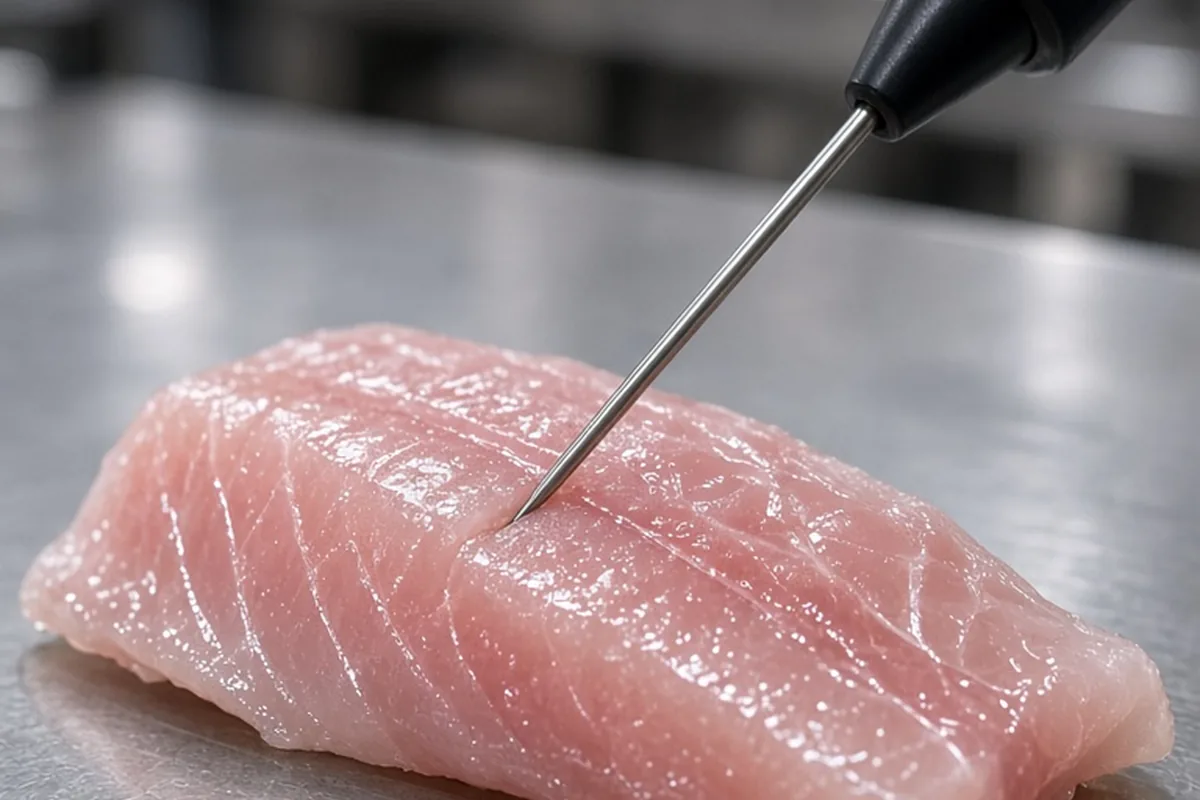
A professional-grade digital thermocouple thermometer, such as the ThermoWorks Thermapen ONE, reads temperatures in one second or less with an accuracy margin within half a degree Fahrenheit. Its thin sensor tip creates minimal puncture damage on delicate fish fillets, whole poultry, and crust-heavy roasts. For pastry work, charcuterie curing, or molecular gastronomy techniques, pair this with an ultra-precise digital scale capable of reading down to 0.01-gram increments. Standard kitchen scales lack the resolution necessary to accurately measure small percentages of agar-agar, sodium citrate, or pink curing salts, making micro-scales an indispensable, low-profile gift.
Ergonomic Footwear and Shift Recovery Gear
The physical toll of standing on concrete, tile, and anti-fatigue mats for twelve to fourteen hours a day represents one of the most demanding realities of culinary work. Back pain, plantarfaciitis, and lower limb fatigue can diminish focus during service. High-quality workwear designed specifically for kitchen conditions provides meaningful daily relief that outlasts almost any countertop accessory.
Supportive kitchen clogs featuring dense polyurethane or molded cork footbeds encourage proper spinal alignment and evenly distribute heel-to-toe pressure throughout prolonged shifts. Styles like the Birkenstock Super-Birki or specialized slip-resistant occupational shoes provide water-resistant, grease-proof shells with certified high-traction outsoles to prevent slipping on wet kitchen floors. Pair these with graduated medical-grade compression socks, which stimulate venous blood flow in the calves and reduce lower leg swelling after double shifts. Additionally, heavy-duty barrier hand balms designed to penetrate calloused skin without leaving a greasy film help soothe hands subjected to relentless handwashing, sanitizing chemicals, and steam.
Rare Single-Origin Ingredients and Finishing Staples
Chefs frequently have limited storage space in their home kitchens and work stations, which makes high-end consumables an ideal gift category that creates zero permanent clutter. High-tier cooking staples allow him to experiment with complex flavor profiles that might be cost-prohibitive to stock on large-scale restaurant menus.
Focus on specialized, single-origin items with transparent provenance. Consider authentic Aceto Balsamico Tradizionale di Modena DOP, which has undergone at least twelve years of cask aging to develop thick, syrupy complexity, or early-harvest, cold-pressed olive oils showcasing distinct peppery polyphenols from specific microclimates in Greece, Italy, or Spain. Fermented single-origin Kampot peppercorns, Spanish saffron threads, and hand-harvested flaky sea salts like Maldon or Fleur de Sel offer immediate tactile and sensory value that can be incorporated directly into both everyday meal prep and experimental plate finishing.
Specialized Books on Advanced Culinary Science and Technique
Standard home-cooking compendiums and introductory recipe books rarely appeal to experienced cooks who already grasp fundamental cooking methods. Instead, focus on publications that explore food chemistry, micro-regional food histories, or advanced technical disciplines such as fermentation, charcuterie, or artisan bread hydration.
Volumes such as Harold McGee’s 'On Food and Cooking: The Science and Lore of the Kitchen' or deep technical monographs like 'The Noma Guide to Fermentation' and Modernist Cuisine titles serve as ongoing reference manuals rather than simple recipe checklists. These texts explain the biological, thermal, and chemical interactions behind browning, enzymatic tenderization, and starch gelatinization, giving him actionable foundational principles that he can adapt into his own unique culinary creations.
Commercial-Grade Station Organization Tools
In a professional kitchen, efficiency is defined by the French concept of 'mise en place'—having every tool, garnish, and ingredient organized and readily accessible. Commercial prep items that bring restaurant-level order to his home cooking setup or private prep station make incredibly practical and durable gifts.
Heavy-duty aluminum quarter-sheet and eighth-sheet pans equipped with custom stainless steel wire cooling racks allow for streamlined prep, dry brining, and resting stages. Commercial-quality squeeze bottles with leakproof threaded tops, stainless steel offset spatulas, and precision plating tweezers give him fine-tuned control over plating geometry. For ingredient storage, heavy-duty polycarbonate food containers with graduated volume markings and airtight snap lids keep dry goods and broths organized far more effectively than standard consumer plastic containers.
Frequently asked questions
Why should I avoid buying a standard knife set for a chef?
Chefs develop specific preferences for blade weight, balance point, steel hardness, and handle ergonomics through hours of repetitive cutting. Pre-packaged knife sets often include intermediate knife sizes that remain unused and lower-grade steel compared to individual professional-grade knives.
What is the best way to choose kitchen footwear for someone working in food service?
Select footwear with certified slip-resistant outsoles, oil-resistant materials, and strong arch support designed for twelve-hour shifts. Ensure the material is easy to wipe clean and confirm the brand's exchange policy so he can adjust the sizing to accommodate thick work socks.
Are carbon steel pans difficult for home cooks to maintain?
Carbon steel pans require an initial seasoning process and hand washing without abrasive detergents, similar to cast iron. While they demand basic maintenance to prevent rust and avoid cooking high-acid foods for prolonged periods, their exceptional heat control and natural slick release make them a favorite among culinary professionals.
Your next step
Take a quick inventory of his current setup to identify whether he needs a daily performance upgrade, physical shift comfort, or rare finishing ingredients, and choose one well-made item designed for lasting utility.