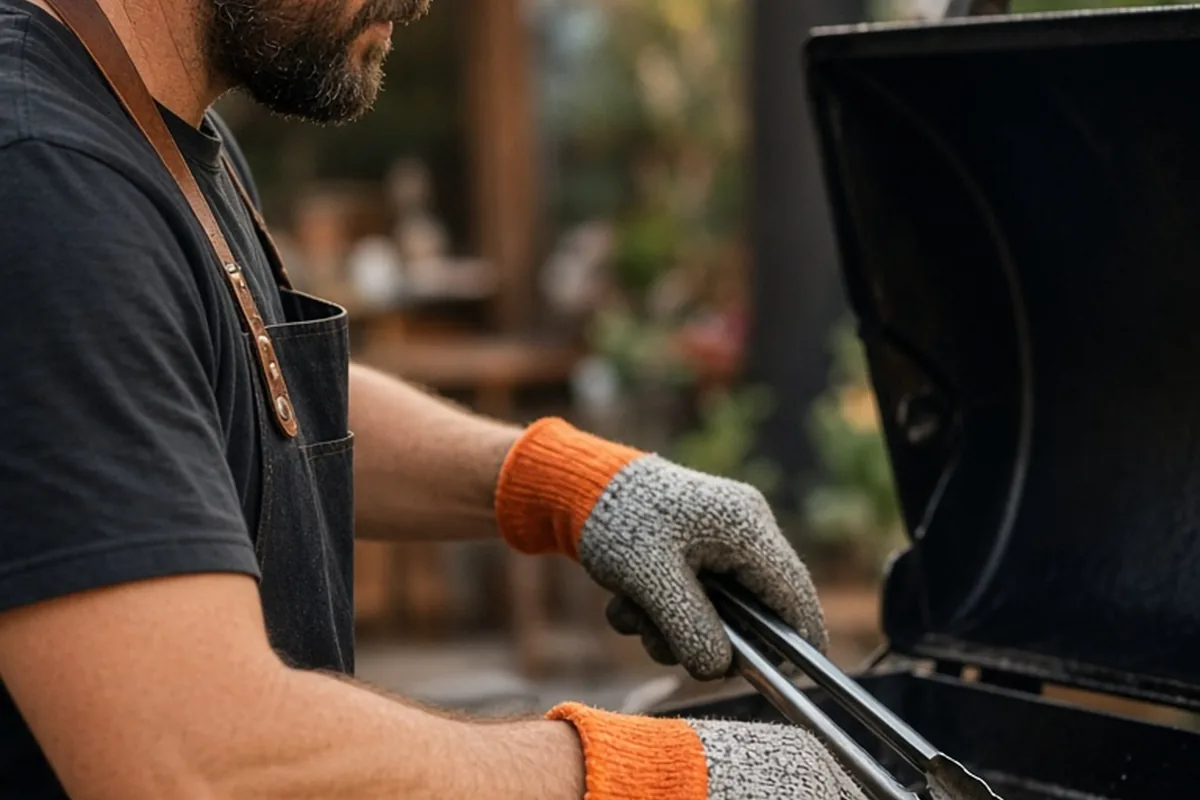
The best gifts for a grill master solve specific cooking hurdles or upgrade daily reliability. High-impact choices include instant-read digital thermometers, wireless dual-probe meat monitors, heavy-duty cast iron griddles, heat-resistant aramid fiber gloves, and specialized fuel like kiln-dried hardwood chunks. Focus on tools that offer durability and temperature control rather than novelty multi-tools, matching the gift to whether he cooks over charcoal, gas, pellets, or open wood fire.
Shopping for an outdoor cooking enthusiast can feel intimidating when his patio already looks like a fully stocked smokehouse. The secret to finding a meaningful present is targeting the practical friction points in his cooking routine, choosing durable, functional gear that makes every session safer, more precise, and more enjoyable.
Precision Temperature Monitoring Tools
Internal temperature control is the single most important factor separating tough barbecue from tender meat. Even experienced cooks cannot reliably judge internal doneness simply by pressing on a steak or timing a roast by the clock. A professional-grade, instant-read thermocouple thermometer provides readings in two seconds or less, eliminating guesswork and preventing the temperature loss that occurs when an open grill lid releases trapped heat.
For long, slow smoking sessions that last anywhere from six to sixteen hours, a wireless leave-in multi-probe system offers continuous peace of mind. These units use heat-resistant ambient probes to track the grill's internal air temperature alongside separate meat probes inserted directly into the core of pork butts, briskets, or whole chickens. Transmitting data through long-range radio frequency or local smartphone connections allows him to monitor temperature stalls and flare-ups from inside the house without opening the cooker.
When selecting a thermometer, look for high thermal resistance ratings on the probe cables, clear backlit displays, and waterproof construction that can handle sudden rain or grease splatters. The trade-off with high-end wireless units is their dependence on battery maintenance and occasional connectivity troubleshooting, whereas handheld instant-read pens remain completely foolproof backup essentials for quick weeknight steaks and burgers.
Heavy Cast Iron and Specialized Cookware Surfaces
Standard grill grates excel at leaving sear marks on steaks, but they struggle with delicate foods, loose vegetables, and recipes that benefit from uniform edge-to-edge browning. Gifting a heavy cast-iron plancha, reversible flat-top griddle, or carbon steel pan instantly expands his outdoor culinary range. These surfaces retain enormous thermal mass, allowing him to smash burgers with crispy lace edges, sear delicate fish fillets without them flaking into the fire, and toast buns directly alongside charred peppers.
Reversible griddles featuring a flat griddle on one side and raised grill ribs on the other offer maximum utility across different cooking styles. Half-moon cast-iron plates tailored to common round kettle or ceramic cooker dimensions are particularly versatile because they allow two-zone cooking, letting him sear directly over open flame on one side while roasting over indirect heat on the other.
While cast iron is practically indestructible, it does require hand-washing, thorough drying, and periodic oil seasoning to prevent surface oxidation. If he prefers low-maintenance accessories that can handle moisture without rusting, consider heavy-gauge stainless steel grill baskets with small perforations, which keep diced vegetables and shellfish secure over direct coals without demanding special storage.
Heat Protection and Heavy-Duty Hand Tools
Most standard kitchen utensils are too short and lightweight for outdoor grilling, exposing arms to intense radiant heat and hot fat splatters. Upgrading his tool set with heavy-gauge, sixteen-to-eighteen-inch stainless steel tongs gives him the mechanical leverage needed to flip thick pork chops and reposition whole roasts securely without bending.
Similarly, professional heat-resistant barbecue gloves are far superior to cloth oven mitts or short silicone pads. Gloves crafted with exterior aramid fibers, the same synthetic material used in aerospace and firefighting gear, offer short-contact protection against temperatures reaching up to nine hundred degrees Fahrenheit. This allows him to safely pick up hot cast-iron pans, adjust charcoal baffles, or reposition searing grates without dropping delicate tools.
For tasks involving direct handling of hot smoked meats, food-grade insulated neoprene gloves with textured palms provide water-resistant and grease-proof grip that fabric gloves lack. Neoprene gloves allow him to lift a fourteen-pound brisket straight from the smoker to the carving board without shredding the delicate outer bark, though they sacrifice fine finger dexterity compared to fitted aramid gloves.
Flavor Foundations with Premium Woods and Specialty Charcoal
Quality fuel is an active flavoring ingredient, not just a heat source. Many backyard cooks rely on standard commodity charcoal briquettes, which burn reliably but often contain binding agents and deliver a neutral flavor profile. Gifting artisanal fuel introduces him to the nuanced aromatics and burning characteristics of genuine hardwood.
Single-species natural lump charcoal, such as South American quebracho or American kiln-fired oak, burns cleaner and hotter than standard compressed briquettes while leaving minimal ash residue behind. Dense lump charcoal lights quickly, produces an intense natural wood fragrance, and lets him reach high searing temperatures without chemical starters.
For smokers, a curated selection of naturally seasoned hardwood chunks or split mini-logs makes a memorable gift. Mild woods like apple, cherry, and pecan impart a sweet, mellow smoke suited for poultry and pork, while assertive woods like post oak, hickory, and mesquite stand up to rich beef ribs and briskets. The primary consideration is storage: wood chunks and lump charcoal bags must be kept completely dry, so pair this gift with a moisture-resistant storage tote if he lacks covered garage space.
Carving, Slicing, and Presentation Gear
The cooking journey continues after the meat comes off the heat. Resting, carving, and presenting large cuts of meat require dedicated tools to preserve moisture and maintain clean presentation. A twelve-inch granton-edge slicing knife makes an exceptional gift, allowing him to slice through whole briskets and tenderloins in smooth, single strokes without tearing the tender meat fibers.
A heavy wooden butcher block or end-grain cutting board provides the stable platform necessary for handling large proteins. Look for boards made from dense hardwoods like maple, walnut, or edge-grain acacia, featuring a deep perimeter juice groove capable of holding several ounces of liquid. Without a deep channel, flavorful resting juices overflow across kitchen countertops, creating unnecessary mess.
To complement the carving station, a roll of authentic un-waxed pink butcher paper serves as an authentic pitmaster essential. Unlike aluminum foil, which traps all steam and softens the exterior crust, porous pink butcher paper allows excess moisture to escape while holding in rendering fat, preserving a crisp outer bark during long smoking rests. Premium cutting boards require regular application of food-safe mineral oil to prevent warping and drying.
Maintenance, Longevity, and Cleaning Essentials
Proper maintenance protects expensive cooking equipment from weather damage, rust, and rancid grease buildup. Many traditional wire grill brushes carry safety risks, as loose metal bristles can dislodge, stick to grill grates, and accidentally transfer into food. Upgrading his cleaning gear to a bristle-free alternative eliminates this worry entirely.
Heavy-duty cleaning options include tightly coiled stainless steel mesh scrubbers, natural wood scrapers that groove to the exact shape of his specific grates over time, and pumice-style cleaning blocks. Pairing a bristle-free scrubber with a high-smoke-point grate conditioning oil keeps cast iron and carbon steel surfaces slick, seasoned, and rust-resistant between cooks.
All-weather protection is equally critical for outdoor grills exposed to wind, rain, and ultraviolet sun degradation. A fitted cover made from six-hundred-denier marine-grade polyester with taped seams and adjustable wind straps prevents premature rusting of burners and dampening vents. When buying a protective cover, measure his specific cooker carefully, as generic covers often flap loose in heavy winds or trap ground condensation beneath the cooking bowl.
Tailoring Gifts to His Specific Cooking Platform
To choose a gift he will genuinely use every weekend, match your selection to his primary cooking appliance. An accessory engineered for a traditional charcoal kettle will not function properly inside a modern pellet smoker or gas barbecue.
Consider these practical accessory pairings based on common grill designs:
For charcoal kettle owners: A heavy chimney starter, stainless steel vortex cone for indirect convection chicken wings, or cast-iron charcoal baskets that keep heat zoned precisely where needed.
For gas grill enthusiasts: A heavy stainless steel smoker box to infuse wood smoke into propane heat, or thick replacement grill grates that maximize heat transfer.
For pellet grill cooks: High-capacity pellet storage caddies with pouring spouts, magnetic tool hooks that fasten to steel hoppers, and grease bucket liners that simplify disposal.
For ceramic kamado cookers: Cast-iron plate setters, heavy firebox dividers, and custom-fit ash baskets that improve airflow during low-and-slow cooks.
The trade-off with platform-specific gear is the need for advance research. You must verify his specific cooker brand, diameter, and model number before purchasing accessories designed to drop directly into cooking chambers.
- For charcoal kettle owners: A heavy chimney starter, stainless steel vortex cone for indirect convection chicken wings, or cast-iron charcoal baskets that keep heat zoned precisely where needed.
- For gas grill enthusiasts: A heavy stainless steel smoker box to infuse wood smoke into propane heat, or thick replacement grill grates that maximize heat transfer.
- For pellet grill cooks: High-capacity pellet storage caddies with pouring spouts, magnetic tool hooks that fasten to steel hoppers, and grease bucket liners that simplify disposal.
- For ceramic kamado cookers: Cast-iron plate setters, heavy firebox dividers, and custom-fit ash baskets that improve airflow during low-and-slow cooks.
Frequently asked questions
What is the safest type of grill brush to give as a gift?
Coiled stainless steel mesh scrapers and shaped hardwood paddles are the safest options because they clean effectively without shedding sharp wire bristles into food. These tools rely on heat and leverage to clear debris, eliminating the health risks associated with traditional wire brushes.
Should I choose a wireless probe or an instant-read thermometer?
Choose an instant-read pen if he primarily cooks quick weeknight items like steaks, burgers, and chicken breasts that require rapid spot-checking. Opt for a wireless leave-in multi-probe system if he frequently prepares large cuts like briskets, pork shoulders, or whole poultry that require hours of continuous temperature tracking.
How do I choose between charcoal, wood chunks, or smoking pellets?
Look at the fuel hopper or firebox on his main outdoor cooker to determine what he uses. Electric pellet grills require manufactured compressed wood pellets, standard smokers and charcoal grills use natural wood chunks for flavor, and traditional kettles rely on lump charcoal or briquettes for heat.
What are the most common grill gift mistakes to avoid?
The most common mistakes are buying novelty multi-tools that sacrifice sturdiness, cheap thin metal tool sets in flimsy cases, and pre-packaged spice sets with stale ingredients. Dedicated, heavy-duty individual tools made from thick stainless steel or cast iron provide far greater utility and last for years.
Your next step
Take a quick look at his grill setup to note his fuel type, check the condition of his current thermometer and tongs, and select one well-built tool that solves his most common daily cooking challenge.