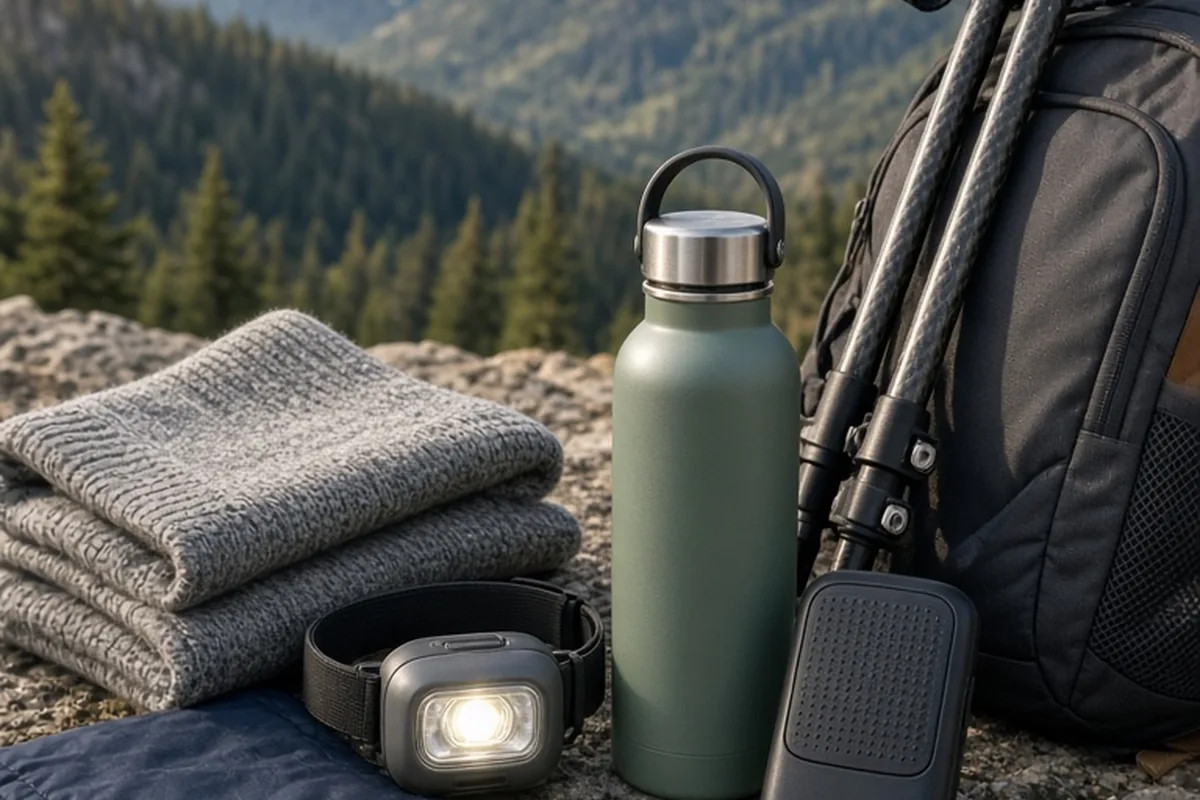
The best gifts for a hiker girlfriend align with her specific trail habits, whether she enjoys brisk day hikes or multi-day backcountry trips. High-utility options include premium merino wool layers, lightweight carbon-fiber trekking poles, a reliable rechargeable headlamp, or a satellite communicator for remote safety. Thoughtful comfort upgrades, such as an ultralight sit pad or an annual parks pass, show you respect her outdoor independence without adding unwanted pack weight.
Buying a gift for an outdoorswoman can feel daunting if your own routine leans more toward city sidewalks than mountain switchbacks. Many partners worry about purchasing the wrong technical item or cluttering an organized backpack with heavy, unnecessary novelties. Approaching this purchase with attention to her personal outdoor style ensures your gift shows genuine care, practical utility, and respect for her passions.
Assess Her Specific Hiking Habits Before Choosing Gear
Every hiker operates with a distinct set of priorities shaped by terrain, distance, and pack philosophy. A day hiker who loves sunny four-mile loops needs entirely different equipment than a backpacker training for an alpine thru-hike where every single ounce is counted. Before browsing outdoor retailers, look at what she already carries. Notice if she values rugged comfort, such as durable canvas daypacks and insulated food containers, or if she obsessively trims tags off gear to maintain an ultralight setup. Matching your choice to her existing approach prevents the disappointment of giving her an item that stays tucked away in a closet.
A common misstep is guessing technical apparel sizes or purchasing footwear as a surprise. Hiking boots and technical trail runners require nuanced personal fitting to accommodate foot width, arch support, and internal movement on descents. Similarly, technical rain shells and base layers involve personal preferences regarding ventilation, pocket placement, and cut. If you want to give gear that requires precise sizing, consider focusing on accessories with universal fits or offering a shared shopping trip where she picks the exact model while you cover the cost.
When in doubt, observe the gaps in her current kit during normal conversation. Hikers regularly talk about the minor annoyances of their trips, whether that involves cold hands at windy summits, phone batteries dying during GPS tracking, or drinking lukewarm water by mid-afternoon. Taking mental notes during these everyday moments turns your gift into a direct, practical solution rather than a generic outdoor novelty.
Prioritize On-Trail Comfort and Weather Protection
Trail comfort often comes down to small, dependable upgrades that protect against unpredictable weather without adding bulk. High-density merino wool hiking socks represent one of the most reliable and appreciated gifts across all experience levels. Quality wool regulates temperature, wicks moisture efficiently, and cushions the foot against repetitive trail friction. Choosing established outdoor brands known for durability and unconditional lifetime warranties shows that you value high performance over cheap novelties.
Another versatile comfort upgrade is a packable, closed-cell foam sit pad or an ultralight inflatable seat. Sitting on wet logs, cold rock ledges, or muddy ground during lunch breaks drains body heat and dampens clothing. A dedicated sit pad weighs only a couple of ounces, folds cleanly into an external pack sleeve, and instantly transforms rough rest spots into comfortable seating. It is the type of luxury item many dedicated hikers hesitate to buy for themselves but immediately rely on once they own it.
For cooler shoulder seasons, look into lightweight accessories like wind-resistant fleece beanies, neck gaiters, or convertible mittens with fold-back flaps. These items allow her to regulate warmth without stopping to peel off bulky midlayers. The trade-off to keep in mind with apparel accessories is synthetic versus natural fiber. Synthetics dry exceptionally fast but retain odors over multi-day trips, while merino wool stays odor-resistant and warm when damp but requires gentle washing care.
Invest in Navigation, Lighting, and Trail Safety Essentials
Reliable safety equipment conveys genuine care for her well-being while actively supporting her autonomy on solo or group excursions. A high-lumen, rechargeable headlamp with a dedicated red-light night-vision mode is a cornerstone of responsible trail planning. Many hikers rely on basic battery-powered lights that dim quickly or run out of charge unexpectedly. A modern waterproof headlamp with a USB-C charging port ensures she can hike out comfortably if an afternoon trek extends past dusk.
If she frequently explores remote trails beyond reliable cellular coverage, a compact satellite communicator represents a major upgrade in safety and peace of mind. Devices like two-way satellite messengers allow her to check in, track routes, pull real-time weather forecasts, and trigger emergency SOS assistance if she encounters medical trouble or terrain hazards. When offering a satellite device, frame it as a tool that expands her freedom and supports her adventurous spirit, rather than an anxious surveillance mechanism meant to monitor her whereabouts.
Be mindful that satellite devices typically require an ongoing monthly or annual subscription service to remain functional. If you choose this route, include the first year of satellite service alongside the device so your gift does not impose an unexpected monthly maintenance bill. Always honor her independence by letting her control the device settings, contacts, and check-in schedules according to her personal comfort level.
Upgrade Her Trail Nutrition and Hydration Setup
Good food and crisp hydration make the difference between an exhausting march and a memorable day in nature. If she loves hot coffee at sunrise viewpoints or warm stew on cold ridges, an ultralight vacuum-insulated food flask or a double-wall titanium mug makes a wonderful companion. Titanium provides exceptional strength at a fraction of stainless steel's weight, making it a favorite material among distance hikers who want warm beverages without paying a penalty in pack heft.
You can also create a curated basket of premium backcountry nutrition to replace standard grocery-store trail mix. Look into artisan dehydrated meal pouches featuring restaurant-quality recipes, high-calorie organic nut butters, electrolyte drink mixes designed for sustained endurance, and specialty instant espresso packets. Assembling foods tailored to her specific dietary preferences demonstrates that you pay attention to how she fuels her body during strenuous effort.
Water filtration is another functional area ripe for thoughtful upgrades. Squeeze filters that attach directly to flexible collapsible flasks or standard water bottles allow hikers to drink clean water straight from alpine streams without pumping heavy filters. The limitation of squeeze filters is that they require protection from freezing temperatures, which can crack their internal hollow-fiber membranes. Mentioning that you chose an ultralight system to keep her pack nimble shows technical awareness without being overbearing.
Select Compact Pack Organizers and Durable Tech Accessories
A well-organized backpack makes every transition smoother, whether she is pulling out a rain jacket during a sudden shower or setting up camp before sunset. Ultralight silnylon dry sacks or translucent roll-top packing cubes protect sensitive electronics and dry clothing from unexpected downpours. Color-coded storage sacks allow a hiker to find first-aid gear, snacks, or extra layers by feel alone, eliminating the frustration of rummaging through a deep pack cavity.
Electronic accessories designed specifically for outdoor environments provide essential utility without unnecessary bulk. A rugged, water-resistant power bank with enough capacity to recharge her smartphone, headlamp, and GPS watch two to three times is an invaluable backcountry tool. Look for portable chargers that balance battery density against weight, avoiding oversized bricks that weigh more than a pound unless she routinely embarks on week-long wilderness expeditions.
Keep technical accessories uncluttered. Multi-tools with dozens of heavy pliers and blades rarely get used on marked hiking trails, adding useless dead weight to her hips. Instead, opt for a minimalist locking pocket knife or an ultralight micro-tool featuring just a blade and reliable scissors. A simple, well-made tool made from high-grade steel will handle gear repairs, packaging, and trailside first-aid tasks far better than an unwieldy gadget.
Give Experiences, Passes, and Time Together Outdoors
Sometimes the most meaningful gift avoids physical gear altogether, focusing instead on access and shared experiences. An annual national parks pass or regional state park parking permit removes the administrative friction of gate fees and parking permits for an entire year. Every time she drives through a forest service checkpoint or park entrance booth without reaching for her wallet, she will appreciate the thoughtful practicality of your gift.
You can also plan a dedicated outdoor weekend designed around her preferences. If she is an experienced hiker and you are less accustomed to long distances, offer to join her on an outing where she chooses the trail, sets the pace, and guides the day. Your willingness to step into her world with an open, enthusiastic attitude builds mutual connection and validates her interests. Alternatively, if she prefers solitary hikes to recharge her mental energy, you can gift her uninterrupted time by handling household responsibilities, packing her favorite lunch, and handling drop-off logistics.
The crucial trade-off with experiential gifts is avoiding subtle pressure. If you plan a trip, ensure it does not demand more social energy or endurance than she genuinely wants to expend. Keep plans flexible enough to accommodate shifts in mountain weather or personal fatigue. Frame the experience as a celebration of her passion, where the primary objective is her enjoyment and relaxation.
Illustrative Scenarios
Choosing Autonomy Over Technical Footwear
Liam wanted to surprise his girlfriend, Sarah, for her birthday before her upcoming mountain trip. He noticed her hiking boots looked worn down and spent significant time researching the highest-rated waterproof boots online, planning to surprise her with a pair. Pausing before ordering, Liam realized that footwear involves subtle biomechanical fit, blister management, and personal arch support that no online review could solve for her. Instead of guessing, he purchased a durable carbon-fiber trekking pole set she had previously mentioned wanting, paired with an annual national parks pass. He placed them in a box with a handwritten card offering to accompany her to a specialty outfitter so she could try on boots herself. Sarah appreciated that he did not impose an ill-fitting pair of boots on her feet while still making her trail safety and comfort his top priority.
Key point: Avoid guessing on high-stakes, fit-sensitive gear like boots; choose universally useful equipment or cover the cost of her personal selection instead.
Supporting Her Solo Trips Without Anxious Overreach
Marcus frequently worried when his partner, Elena, spent weekend mornings hiking remote ridge trails alone. For her anniversary, he considered buying a heavy-duty tracking device with automated alerts tied directly to his personal phone so he could track her continuous movements. Recognizing that this gift stemmed from his personal anxiety rather than her trail needs, Marcus shifted his perspective. He instead gifted her a compact two-way satellite communicator along with an ultralight emergency bivy sack. He explicitly told her that the device was for her personal peace of mind, allowing her to call for mountain assistance or check weather changes whenever she needed it. Elena felt supported rather than micromanaged, viewing the gift as a powerful endorsement of her independence and capability outdoors.
Key point: Frame safety and navigation equipment around her outdoor freedom and self-reliance rather than your own desire for relationship reassurance.
Frequently asked questions
What if I know very little about hiking and outdoor gear?
Stick to high-utility items that do not require exact sizing, such as premium merino wool socks, packable sit pads, rechargeable headlamps, or annual park passes. You can also discreetly photograph the brands in her gear closet and ask an employee at a local outdoor outfitter for compatible, quality accessories.
Is an expensive piece of technical gear always better than a modest gift?
Not necessarily, because seasoned hikers care far more about weight, packability, and fit than high price tags. A thoughtfully chosen twenty-dollar dry sack or a bundle of her favorite energy snacks often gets more practical use than a bulky, expensive gadget that adds useless weight to her backpack.
Should I surprise her with a hiking backpack?
Backpacks are deeply personal items that require precise torso-length measurements, comfortable hip-belt padding, and specific interior capacities for different types of outings. Unless she has explicitly pointed out the exact model, frame size, and volume she wants, opt for pack accessories or offer a joint shopping trip instead.
How can I personalize a practical hiking gift?
Pair practical equipment with personal touches, such as pre-loading a high-capacity power bank with an offline playlist of her favorite music or tucking a handwritten summit note inside an insulated mug. Adding thoughtful details shows that you value both the technical functionality of the tool and the personal joy she finds in nature.
Your next step
Take a quick inventory of her current gear closet this week, identify whether she needs comfort, safety, or convenience on her next outing, and choose an item that respects her trail independence.