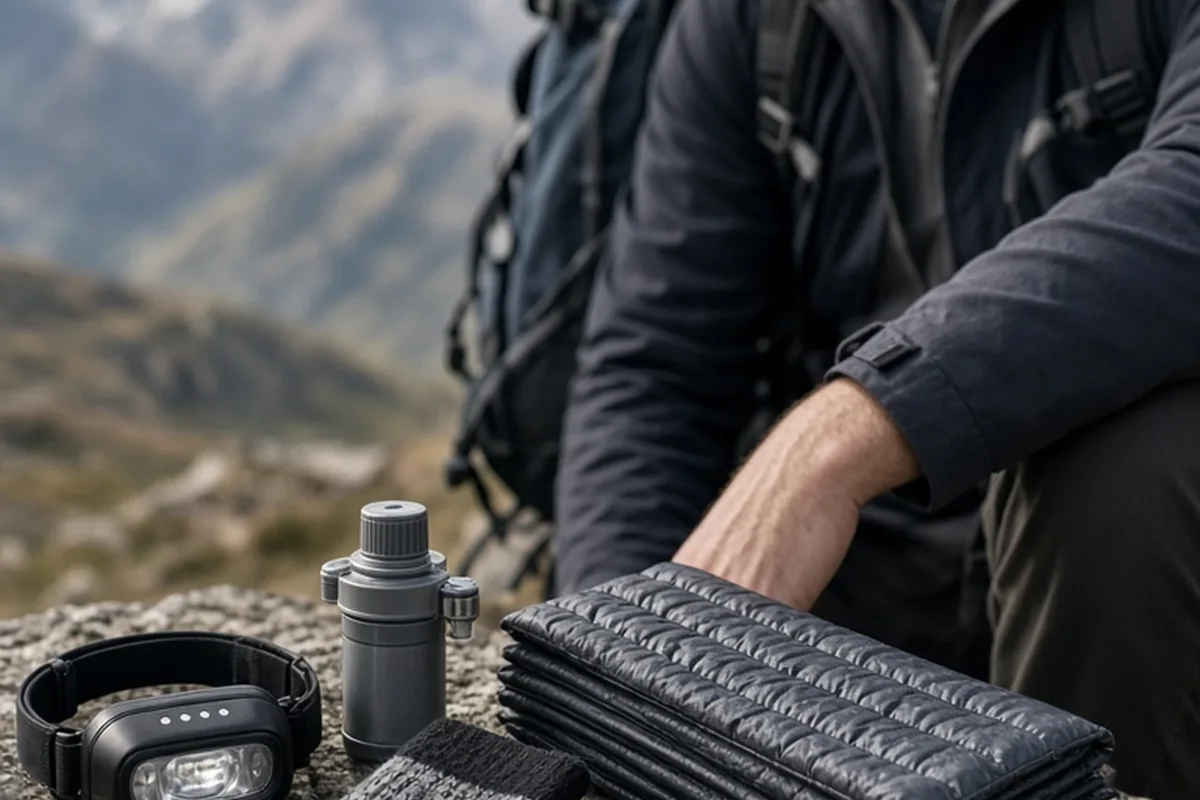
The best gifts for male hikers focus on lightweight utility, dependable trail safety, and everyday comfort. Top choices include rechargeable headlamps, ultralight water filters, merino wool trail socks, compact multi-tools, and insulated sit pads. To choose the right item, consider his typical trail style, such as day hikes versus multiday backpacking trips, and prioritize durable, packable essentials over heavy or niche novelties.
Finding a meaningful gift for someone who spends his free time outdoors comes down to understanding how he moves through the backcountry. Whether he tackles brisk mountain day hikes, tests his endurance on rugged weekend loops, or prepares for a multi-week expedition, practical gear that lightens his load and solves common trail problems will always stand out.
Essential Safety and Navigation Equipment
Reliable safety tools are among the most valuable items a hiker can carry, providing peace of mind without adding unnecessary bulk. A modern rechargeable headlamp with a dedicated red-light mode is an exceptional upgrade. Premium models offer regulated output to maintain consistent brightness as the battery drains, alongside weather sealing to withstand sudden downpours. Red-light functionality allows him to read trail maps, adjust camp gear, or prepare early-morning coffee without blinding trail partners or ruining his night-adjusted vision.
For hikers who venture into backcountry areas with limited cellular coverage, satellite communicators and emergency beacons represent a major leap in personal safety. These compact devices allow two-way text messaging via satellite networks, real-time location sharing with family at home, and one-touch SOS dispatch during emergencies. When gifting a satellite device, keep in mind that almost all models require an active monthly or annual subscription plan, which makes it helpful to clarify whether the recipient is ready to manage ongoing operational costs.
Complementing digital tools with dependable backup power is equally critical. A rugged, weather-resistant power bank with fast-charging USB-C capabilities ensures that his phone, GPS watch, and headlamp remain charged through long days in cold conditions. Look for power banks in the 10,000 to 20,000 milliamp-hour range, which strike an optimal balance between weight and multiple full device recharges.
Packable Hydration and Filtration Systems
Hydration is central to every trail outing, yet carrying enough water for an entire day can quickly weigh down a hiker's pack. Compact water filtration systems allow him to source clean drinking water directly from backcountry streams, alpine lakes, and springs. Squeeze-style hollow-fiber membrane filters are widely favored because they screw directly onto standard plastic bottles or collapsible bladders, filtering out bacteria and protozoa in seconds without chemical wait times.
If he frequently hikes in groups or prefers setting up camp near water sources, a gravity-fed filtration system offers substantial convenience. These setups utilize a hanging dirty-water reservoir that drains through a filter into a clean vessel using gravity alone, freeing his hands for pitching a tent or cooking dinner. However, note that hollow-fiber filters cannot be allowed to freeze once wet, as expanding ice can damage the internal micro-tubes. For winter hikers, chemical treatment tablets or pump filters designed for sub-freezing temperatures may be a more appropriate alternative.
Collapsible soft flasks and insulated trail bottles also make versatile gifts. Soft flasks compress flat as they empty, saving valuable interior pack volume and preventing liquid from sloshing against his back. For shorter day hikes in chilly weather, a lightweight double-wall vacuum-insulated bottle keeps tea or broth hot for hours, providing a rewarding morale boost during summit rests.
Trail Footwear Accessories and Trekking Poles
Buying hiking boots for another person is notoriously difficult due to individualized arch shapes, heel widths, and personal preferences. In contrast, premium footwear accessories offer universal utility and immediately improve foot comfort on rugged terrain. High-density merino wool trail socks are a classic favorite among experienced hikers because the natural fibers regulate temperature, cushion impact zones, and pull moisture away from the skin to actively prevent blisters.
Trekking poles are another high-impact gear choice that reduces joint stress on steep descents and provides stability across loose scree or river crossings. When selecting poles, prioritize models with natural cork or high-grade EVA foam grips, as these materials absorb hand sweat and reduce friction over long distances. Lever-operated flick-locks are generally more reliable and easier to adjust with gloved hands than older twist-lock mechanisms.
Material choices in trekking poles come with a clear trade-off between weight and durability. Carbon fiber poles are exceptionally light and dampen vibrations, making them ideal for long-distance trail hikers who want to minimize swing weight. Aluminum poles carry a slight weight penalty but bend under extreme lateral loads rather than snapping, making them a more forgiving option for off-trail scrambling and rocky terrain.
Ultralight Camp Kitchen and Cooking Tools
For hikers who transition into overnight backpacking, camp cooking gear provides a wide range of practical gift options. Ultralight canister stoves that weigh under three ounces can boil two cups of water in less than three minutes using standard isobutane canisters. Look for stoves with built-in pressure regulators and micro-flame control, which perform better in cold temperatures and allow gentle simmering instead of solely boiling on high blast.
Pairing a compact stove with a titanium cook pot creates an efficient, minimalist cooking setup. Titanium is favored for its remarkable strength-to-weight ratio and corrosion resistance. A 750-milliliter to 900-milliliter pot is the sweet spot for solo backpackers, providing ample volume to rehydrate a freeze-dried meal while leaving enough room to nest a small fuel canister and the stove inside the pot for compact packing.
Small accessories often solve the most frustrating camp kitchen annoyances. A polished titanium long-handled spoon allows a hiker to stir and eat directly out of deep dehydrated meal pouches without getting sauce all over his knuckles. Similarly, an ultralight silicone bowl scraper minimizes food waste and drastically reduces the amount of water needed to clean pots before packing up.
Weather Protection and Technical Layering
Apparel gifts work best when they focus on versatile outer layers and protective accessories rather than base-layer sizing. A lightweight technical sun hoodie made from moisture-wicking synthetic fabric with a certified ultraviolet protection rating has become a staple for mountain athletes. The integrated hood shields the neck, ears, and cheeks from high-elevation sun exposure, reducing the need for constant sunscreen reapplication.
Packable wind shirts and minimalist rain shells offer essential weather defense without occupying significant pack space. A dedicated wind jacket weighing less than four ounces provides surprising warmth by trapping body heat and cutting biting ridge winds during active ascents where a waterproof rain shell would cause excessive sweating. When choosing rain shells, look for pit zippers to allow mechanical venting during strenuous climbs.
Smaller wearable items such as seamless neck gaiters, windproof fleece beanies, and lightweight liner gloves make great stocking stuffers or secondary gifts. These pieces are universally sized, easily stowed in exterior pack pockets, and allow a hiker to fine-tune his thermal comfort on the move without stopping to remove his entire backpack.
Camp Comforts and On-Trail Recovery Gear
While minimalist hikers guard their base weight carefully, well-engineered comfort items provide outsized value at the end of a demanding day. A folding closed-cell foam sit pad weighs virtually nothing and provides a clean, dry, insulated barrier against cold granite boulders, damp logs, or snow during trailside lunch stops. It also doubles as a kneeling pad when pitching a shelter or lighting a stove.
Foot recovery is another area where thoughtful gear makes a substantial difference. Down or synthetic camp booties give tired, swollen feet a warm break from rigid trail shoes once camp is established. For active recovery, a high-density miniature cork massage ball allows him to work out plantar fasciitis tension, calf knots, and lower back tightness right in his tent before sleeping.
Inflatable wilderness pillows have evolved significantly from the bulky designs of the past. Modern ultralight pillows feature baffled chambers and soft stretch-knit tops that prevent his head from rolling off the slick surface of an air mattress. Look for models that integrate strap attachments or non-slip base textures to keep the pillow anchored throughout the night.
Matching the Gift to His Hiking Style
To select the most practical item, take a close look at how and where he spends his trail hours. A casual day hiker who frequents established regional parks will appreciate organized daypacks, high-capacity insulated water flasks, compact binoculars, and durable traction cleats for icy winter paths. His primary focus is immediate comfort, trail convenience, and ease of use.
In contrast, long-distance backpackers and ultralight enthusiasts count every single ounce and often have highly customized gear setups. For these hikers, focus on premium materials like titanium, Dyneema composite fabrics, and high-fill down insulation, or opt for universal utility items like titanium stakes, dry compression sacks, and rechargeable power solutions. If his setup is already dialed in to an exacting standard, a gift card to a dedicated outdoor retailer or an annual parks pass may provide the highest practical utility.
When in doubt, observe what gear is currently worn out or missing from his pack. Outdoor gear naturally experiences heavy wear from grit, friction, and UV exposure. Replacing a frayed dry bag, gifting a fresh pair of socks in his preferred thickness, or providing an updated, lighter version of an item he uses on every trip shows careful attention to his passion.
Frequently asked questions
What is a good hiking gift under fifty dollars?
High-density merino wool hiking socks, folding foam sit pads, titanium long-handle spoons, and compact squeeze water filters are all budget-friendly options under fifty dollars. These items offer immediate on-trail utility without requiring precise sizing or high investment.
Should I buy hiking boots or a backpack as a gift?
Boots and backpacks are generally risky gifts because their fit depends heavily on individual foot morphology, torso length, and carrying preferences. Unless you know the exact brand, model, and size he requires, footwear accessories, trekking poles, or packable camp gear are much safer choices.
What is the best hiking gift for someone who already has everything?
Hikers who already own core equipment appreciate consumable upgrades, annual public lands passes, or lightweight comfort items. Consider an annual National Parks pass, high-end freeze-dried gourmet meals, premium merino socks, or an ultralight camp massage ball.
Are carbon fiber trekking poles better than aluminum poles?
Carbon fiber poles are lighter and absorb trail vibrations better, making them ideal for long-distance hikes where reducing arm fatigue is the primary goal. Aluminum poles are slightly heavier but more durable under lateral stress, bending rather than snapping when caught between rocks.
Your next step
Assess his typical trail style, choose a durable item that solves a specific weight or comfort challenge, and verify return policies in case he already owns a similar piece of gear.