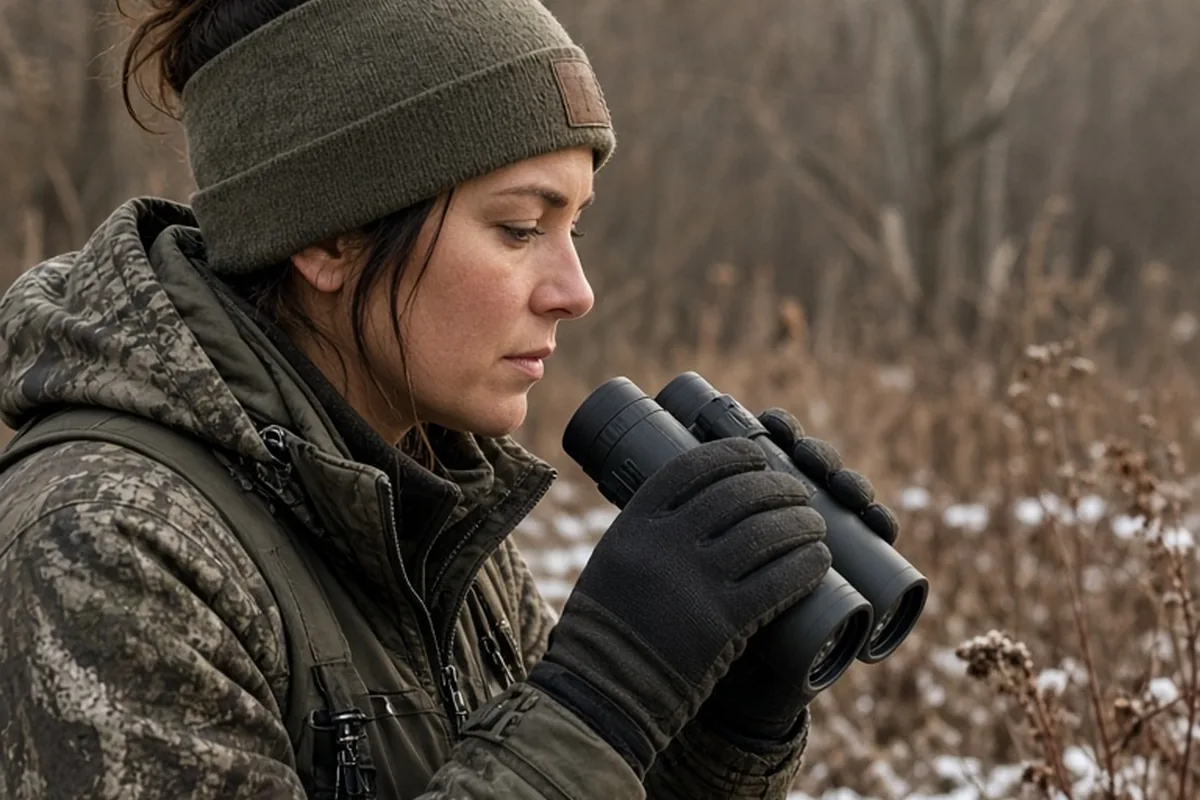
The best hunting gifts for her prioritize functional ergonomics, durability, and tailored fit rather than superficial design tweaks. Look for women-specific technical layering systems with drop-seat bibs, hunting packs built for shorter torso lengths and anatomical hip belts, compact high-clarity optics with comfortable chest harnesses, or high-grade field dressing knives designed with comfortable, slip-resistant grips.
Selecting gear for an avid hunter requires moving past generic outdoor novelties and focusing on the physical realities of spending long, demanding hours in the elements. Whether she pursues big game in rugged backcountry terrain, waits out whitetails in subfreezing treestands, or walks miles for upland birds, quality field equipment directly impacts warmth, endurance, and overall hunt success.
Technical Apparel and Female-Specific Layering Systems
For decades, outdoor gear manufacturers responded to female hunters by simply taking men's silhouettes and altering the accent colors, an approach that left women wearing bulky, ill-fitting garments in harsh weather. Modern technical hunting apparel has shifted toward engineered tailoring that accommodates women's narrower shoulders, natural waistlines, and pelvic structures. Choosing base layers made from pure merino wool or synthetic grid fleece ensures sweat wicks away efficiently during strenuous hikes, preventing the rapid core temperature drops that occur once movement stops.
When purchasing outerwear, functional utility should dictate your choice. Look for bibs and insulated pants that feature integrated drop-seat zippers or full-length side zips, which allow female hunters to use the bathroom in the field without stripping off multiple insulated upper layers in freezing temperatures. Keep fabric face noise in mind as well; fleece and brushed polyester outer shells remain quiet in brush for bowhunters, whereas burly nylon faces offer thorn resistance for upland bird hunters pushing through dense briars. The primary trade-off in technical clothing involves balancing packable weight against heavy brush durability, so match the garment weight to her primary hunting environment.
- Mid-weight merino wool quarter-zips that regulate body heat without retaining odor across multi-day backcountry trips
- Windproof outer bibs equipped with full-length side zips or drop-seat configurations for convenient field use
- Ultralight packable down or active synthetic jackets that compress small into a daypack until needed for stationary glassing
Backcountry Packs Engineered for Female Anatomy
Carrying heavy loads across uneven terrain quickly reveals the shortcomings of unisex backpack frames. Standard packs frequently feature sternum straps that compress the chest uncomfortably, shoulder straps spaced too widely for narrower collarbones, and torso stays that extend well above a woman's natural neck line. Modern hunting packs tailored for women feature contoured harness systems with distinct S-curves in the shoulder straps and conical waist belts that cup the flared shape of the iliac crest, transferring heavy pack weight directly to the skeletal system rather than bruising the hip bones.
When picking a pack as a gift, assess how she hunts. A high-capacity external-frame system measuring 4,000 to 6,000 cubic inches is essential for multi-day wilderness expeditions where meat and camp gear must be packed out together. Conversely, a streamlined 1,800 to 2,500 cubic inch daypack with an internal frame offers adequate room for water, optics, rain gear, and field dressing kits without unnecessary bulk. The trade-off to consider is frame rigidity: ultra-stout carbon fiber or titanium stay frames carry heavy game loads with superior stability, but they add empty weight and structure that can feel overly rigid on casual half-day outings.
Purpose-Built Footwear and Thermal Boot Systems
Hunting boots represent one of the most critical gear investments because foot discomfort or blisters can terminate a hunt early. Men's and unisex boots run broad through the heel cup and midfoot, which allows a woman's foot to shift inside the boot during steep descents, producing heel blisters and painful toe bang. Dedicated women's hunting boots are built on narrower lasts that lock the calcaneus securely in place while maintaining an adequate toe box for natural foot splay under load.
Boot insulation must align precisely with seasonal conditions and physical activity levels. An active mountain hunter who covers several miles daily requires an uninsulated or lightly insulated boot with a stiff shank for ankle support on loose shale. In contrast, a whitetail hunter sitting stationary in a tree stand in late November requires boots with heavy insulation ratings, often between 800 and 1,200 grams, or specialized removable felt-lined pac boots to combat conductive heat loss through cold metal stand platforms. Giving boots with excessive insulation to a mobile hiker causes heavy perspiration, resulting in cold, saturated feet hours later.
Field Optics and Ergonomic Harness Systems
High-performance optics level the playing field when locating game in dense cover or across vast public land basins. Rather than prioritizing sheer magnification, focus on optical clarity, edge-to-edge sharpness, and light transmission during dawn and dusk. A high-quality roof-prism binocular in an 8x42 or 10x42 configuration offers the ideal balance of field of view, exit pupil size, and manageable hand-held stability without introducing the hand-shake blur common to higher-powered models.
Carrying optics comfortably requires a dedicated chest bino harness. Standard factory neck straps pull uncomfortably on the cervical spine and allow expensive lenses to swing loosely into dirt or rock when crawling. A modular chest harness holds the binoculars snugly against the upper torso, protecting glass with silent magnetic or tension-cord lids. Look for harnesses with adjustable strap positions that sit comfortably around sports bras and shoulder straps, and consider adding an attached rangefinder pouch so she can measure distances smoothly with minimal movement.
Field Dressing Knives and Harvest Care Tools
Processing game in the field demands sharp, controllable cutting instruments that reduce fatigue and ensure personal safety. Bulky, thick-handled survival knives are cumbersome for delicate tasks like caping an animal around the eyes and antlers or unzipping hide without puncturing internal organs. Fixed-blade hunting knives with slim drop-point profiles and textured rubberized or G10 handles provide exceptional purchase even when hands are wet or cold.
Replaceable-blade scalpel knives are another practical option for hunters who want surgical sharpness without carrying field stones or diamond hones. These systems use disposable surgical-grade blades that swap out in seconds, allowing a hunter to skin and quarter an entire elk or deer without pause. Pairing a quality knife with a set of synthetic, breathable game bags makes an excellent gift bundle. Unlike cheap cotton cheesecloth bags that tear easily and attract dirt, premium synthetic game bags are washable, lightweight, fly-proof, and designed to promote rapid meat cooling in the field.
Cold-Weather Stand Comfort and Packable Heat
Stationary hunting presents severe thermal challenges because prolonged sitting without movement rapidly drains body heat. Thick, insulated hand muffs worn around the waist offer an effective solution, allowing her to keep her hands warm and flexible without wearing heavy, cumbersome gloves that interfere with bowstring releases, mechanical safeties, or fine trigger control. Many modern muffs include zippered interior pockets designed for chemical heat packs or rechargeable power banks.
Electrically heated garments and accessories have transformed late-season stand hunting. Battery-heated seat pads shield the hunter's core from the freezing steel of treestand seats, while heated base-layer vests warm the central circulatory system to keep extremities comfortable. The main consideration with electronic gear is power management; these items require charging access between hunts and add battery weight to her pack, making them best suited for hunts based from a vehicle, cabin, or established wall tent camp rather than deep wilderness pack-ins.
Home Processing and Wild Game Kitchen Gear
For many hunters, the hunt continues well after the animal leaves the woods, ending with the satisfaction of filling the freezer with organic, cleanly processed meat. High-grade kitchen processing equipment transforms game care from a tedious chore into an efficient, enjoyable craft. A heavy-duty commercial clamp vacuum sealer or chamber sealer protects steaks, roasts, and ground meat from freezer burn, preserving wild game flavor and texture for over a year.
A commercial-grade electric meat grinder represents another transformative gift for an avid hunter. Units equipped with stainless steel internal gears and motor ratings of at least half a horsepower process dense venison, wild pork, and elk easily without bogging down or heating up the meat, which can ruin fat distribution. You can complement this setup with a multi-tray digital food dehydrator with adjustable temperature controls, enabling her to make seasoned venison jerky, snack sticks, and dried fruit for the trail during the off-season.
Frequently asked questions
How do I choose between hunting boots with different insulation levels?
Assess her activity level and typical hunting weather. Uninsulated boots work best for active spot-and-stalk hunting in mild autumn weather, whereas 400 to 800 grams of insulation suit mixed hiking and colder temperatures, and 1,000 grams or more are reserved for sub-freezing stationary stand hunting.
Why should I buy women-specific hunting clothes instead of small men's apparel?
Women's apparel is specifically patterned for narrower shoulders, curved hips, and shorter inseam lengths, preventing excess fabric from bunching or restricting mobility. Features like drop-seat bibs also provide critical convenience in the field that men's apparel does not offer.
Are replaceable-blade knives strong enough to field dress large game?
Yes, replaceable-blade scalpel knives are widely used by big game hunters for skinning, caping, and boning out large animals like elk and deer. However, they are designed strictly for slicing tissue rather than prying around joints or splitting bone, which requires a sturdy fixed-blade knife or a dedicated bone saw.
What is the most versatile binocular size for a female hunter?
A 10x42 or 8x42 roof-prism binocular provides the most versatile balance of magnification, light transmission, and compact weight for varied hunting landscapes. The 8x magnification offers a broader field of view and steadier image in dense timber, while 10x offers better detail across open valleys.
Your next step
Determine her primary hunting style—whether she covers miles on foot in the mountains or sits stationary for hours in a cold blind—and choose a piece of gear that directly improves her comfort, physical fit, or field efficiency.