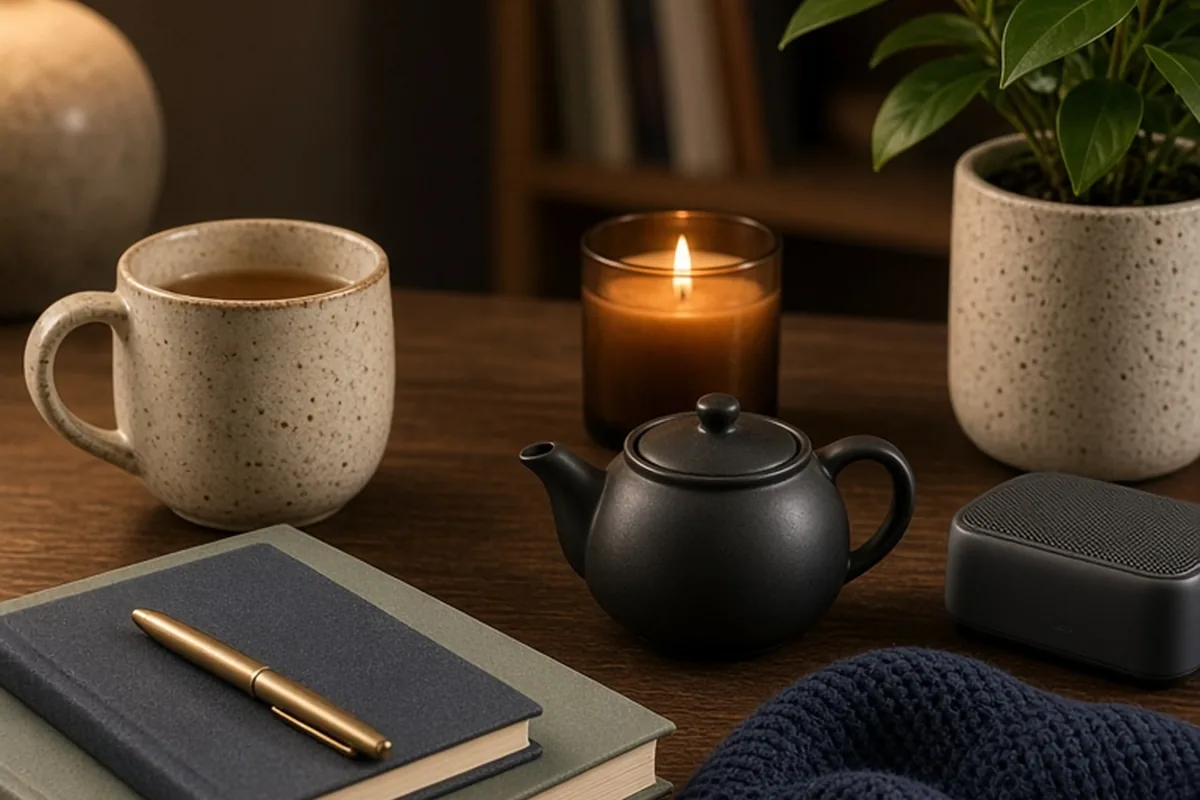
The best gifts for introverts honor their need to recharge energy through quiet reflection, independent pursuits, and comfortable spaces. Thoughtful choices include high-quality noise-dampening audio gear, tactile solo hobby supplies, curated reading subscriptions, and premium home comforts like weighted blankets or specialty tea sets. Focus on items that reduce sensory overload or deepen solitary pleasures rather than novelty items that treat introversion as an anti-social punchline.
Selecting a meaningful present for someone who thrives on solitary time requires looking past novelty merchandise that frames quietness as misanthropy. True introversion centers on how an individual restores energy after sustained engagement with the world. When you choose a gift that protects their downtime, elevates an immersive personal interest, or softens everyday sensory friction, you show genuine consideration for their well-being.
Audio Gear and Sensory Buffers for Uninterrupted Focus
Many introverts experience cognitive fatigue when navigating ambient noise, crowded transit, or busy work environments. Providing tools that create an intentional soundscape allows the recipient to regulate incoming stimulation rather than enduring it. Over-ear headphones with active noise cancellation represent the gold standard here, as they physically signal that the wearer is unavailable while electronically muting chaotic low-frequency hums. For those who commute or work in open offices, this passive defense preserves energy that would otherwise be spent filtering distractions.
When choosing audio gear, consider how the recipient actually listens throughout the day. High-fidelity wireless earplugs with passive acoustic filters offer a lower-profile option for people who want to soften social gatherings or loud cafes without disconnecting entirely from their surroundings. Alternatively, a dedicated bedside sound machine with analog mechanical fan settings provides steady background masking for home reading or falling asleep. The primary limitation to keep in mind is physical comfort; over-ear designs can cause pressure points for glasses wearers, and complex software apps can turn a simple listening session into a frustrating troubleshooting chore.
Immersive Tools for Tactile and Independent Hobbies
Solitary hobbies offer a rare opportunity to enter a state of deep flow where internal dialogue quiets down and hands-on engagement takes over. Introverted individuals often gravitate toward pursuits that yield tangible results without requiring group coordination. High-grade materials for solitary crafts—such as linocut block printing kits, beginner wood-carving sets, or architectural building models—give the recipient permission to spend hours focused on fine details at their own pace.
A particularly durable choice in this category is fine stationery. A well-balanced fountain pen paired with heavy-weight, bleed-resistant notebooks made from Japanese or French archival paper turns journaling, sketching, or weekly planning into an elevated private ritual. The main trade-off when gifting craft supplies is the risk of imposing unwanted clutter or project guilt. Avoid sprawling, multi-part kits that require permanent workshop space unless you know the recipient has already expressed an active interest in establishing that specific craft.
Practical Comforts for the Dedicated Home Reading Corner
A reading corner serves as a physical sanctuary where an introvert can retreat from social demands and lose themselves in another perspective. While gifting specific books can be risky if you are unfamiliar with their current reading list, upgrading the physical environment around their reading habit is nearly always appreciated. An ergonomic reading pillow with memory foam lumbar support, an adjustable amber-spectrum book lamp that avoids harsh blue light, or a weighted lap desk can transform an ordinary chair into an ergonomic haven.
For avid readers who prefer digital formats, consider practical accessories that enhance handheld comfort over long sessions. A durable e-reader cover with an integrated hand strap and origami-style folding stand allows for effortless one-handed reading during meals or quiet afternoons. If you prefer to gift content directly, a subscription to an independent bookstore's monthly selection box or a digital credit to an audiobook cooperative lets them select titles on their own terms. The primary trade-off is respecting their existing preferences; devoted physical-book readers rarely appreciate being pushed toward digital devices, and vice versa.
Ritual-Based Kitchen Essentials for Slow Mornings and Evenings
Morning and evening beverage routines represent natural boundaries in the day where an introvert can establish quiet control before external demands take over. Kitchen tools that deliberately slow down the preparation process encourage a mindful pause. A precision electric gooseneck kettle featuring degree-by-degree temperature control, paired with a ceramic pour-over dripper or a cast-iron Japanese tea pot, elevates a routine beverage into a deliberate grounding exercise.
To complement hardware, curated samplers of single-origin loose-leaf teas or whole-bean specialty roasts offer sensory discovery without demanding conversation. Pair these consumables with a double-walled ceramic mug that keeps liquids hot for extended periods so they can sip slowly while lost in thought. Be mindful, however, of adding unnecessary labor to their day. If an introvert already feels overwhelmed by domestic responsibilities, an intricate espresso gadget that requires extensive calibration and meticulous cleaning may feel more like a chore than a comfort.
Restorative Home Textiles Designed for Sensory Decompression
At the end of a demanding week of public engagement, physical comfort provides immediate somatic relief. Textiles that emphasize gentle weight, natural breathability, and soft hand-feel help signal to the nervous system that the day's external performance is finished. A high-density knit weighted blanket, constructed without noisy plastic pellets, applies even pressure across the body while allowing airflow, making it an exceptional recovery tool for evenings on the sofa.
Other low-key upgrades include silk or high-grade modal sleep masks with contoured eye cavities that eliminate ambient light without compressing the eyelids, along with oversized boiled-wool throws or plush house slippers featuring supportive rubber soles. The notable limitation in this category involves sensory sensitivities. Some individuals find weighted textiles restrictive rather than soothing, while others cannot tolerate animal fibers like wool against bare skin. Selecting hypoallergenic, washable cotton blends helps minimize the chance of triggering physical discomfort.
Low-Maintenance Gear for Quiet Outdoor Exploration
Introversion is not synonymous with staying indoors; many quiet people find profound mental renewal in natural settings away from urban crowds. Gifting outdoor equipment that facilitates peaceful solo excursions encourages fresh air without requiring group logistics. Compact, weather-resistant binoculars with wide fields of view invite the recipient to observe local wildlife or bird activity from a quiet distance during neighbourhood walks or park visits.
Similarly, an ultralight gathering hammock that packs down into a pocket-sized pouch allows someone to establish a secluded reading perch between trees in minutes. Combine this with an insulated vacuum flask that keeps soup or broth piping hot for hours, and you have enabled an entirely self-contained solo afternoon in nature. Ensure that any outdoor gear you select requires minimal technical setup. Complicated survival equipment or heavy expedition gear can feel intimidating, whereas intuitive, packable tools lower the barrier to getting outside alone.
Low-Pressure Experiences and Independent Subscriptions
Experiential gifts often carry an unspoken social burden when they involve group reservations, strict time slots, or mandatory shared attendance. However, experiences tailored to solitary enjoyment can be deeply rewarding. An annual membership to a local botanical garden, independent art museum, or historic house gives the recipient a peaceful destination they can visit spontaneously whenever they need an afternoon of contemplation.
Digital subscriptions also shine here, provided they align with quiet interests. Consider a gift membership to an ad-free documentary streaming platform, an online chess learning site, or an independent narrative video game subscription. The chief benefit of these gifts is that they impose zero physical footprint and zero pressure to respond with immediate performative excitement. The trade-off lies in expiration dates and account management; always ensure digital vouchers do not require complex redemption steps or auto-renewing credit card commitments on the recipient's part.
Frequently asked questions
What should I avoid buying when shopping for an introverted person?
Avoid novelty items featuring antisocial slogans, loud party board games designed for large groups, and mandatory group social outings that drain their energy. Steer clear of gifts that treat introversion as an eccentric flaw to be fixed or an aggressive dislike of other people.
How can I present a gift to an introvert without causing discomfort?
Give the present in a relaxed, private setting rather than making them the focal point of a large group gathering. Explicitly mention that they are welcome to open it later in private if they prefer not to react on the spot.
Are gift cards a thoughtful option for quiet personalities?
Yes, provided the card is tied to a specific solitary interest, such as an independent bookshop, specialty tea purveyor, or art supply store. Pairing the gift card with a short, handwritten note acknowledging their personal hobby makes it thoughtful rather than impersonal.
Your next step
Take a moment to identify how your recipient spends their best unstructured hour, then choose one practical item that removes friction from that specific solitary routine.