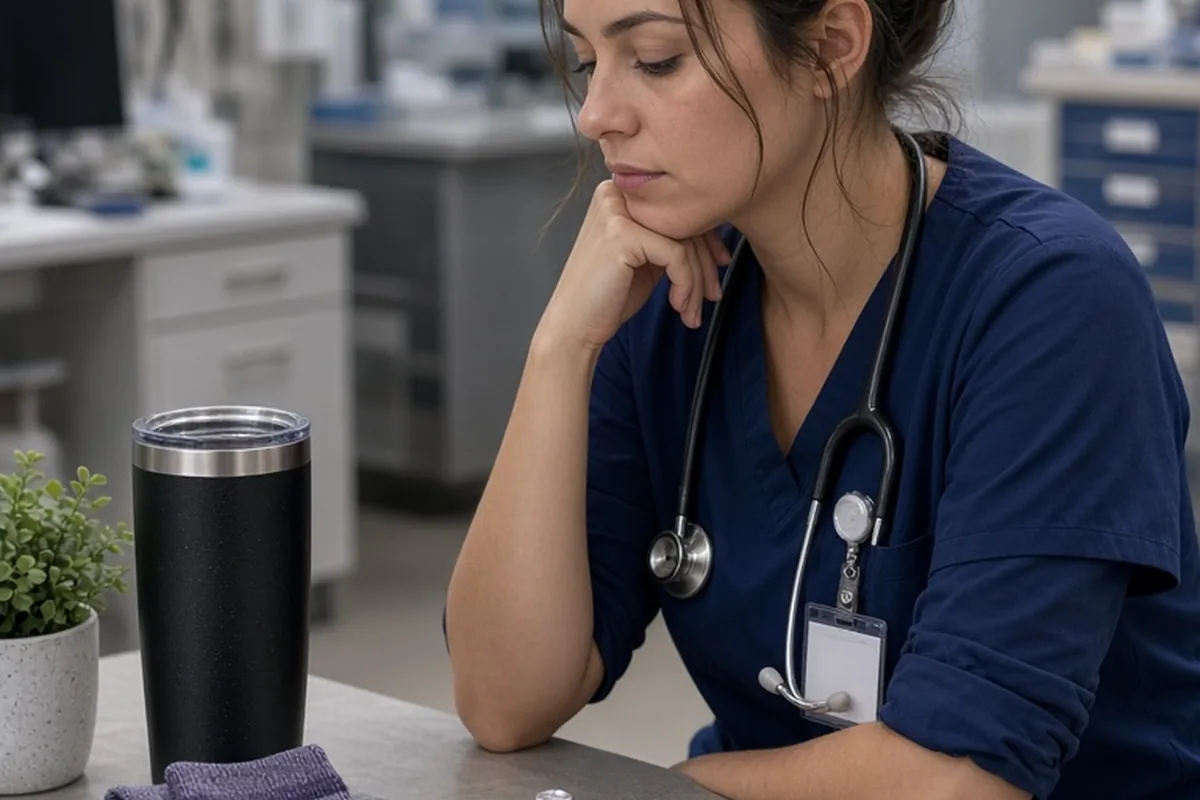
The most appreciated gifts for nurses prioritize physical comfort on long shifts, off-duty recovery, or daily convenience. Thoughtful options include graduated compression socks, insulated spill-proof drinkware, high-traction clogs, durable retractable badge reels, and restorative personal care like barrier creams or massage tools. Choosing high-utility items tailored to their specific department and shift schedule ensures the gift feels genuinely useful.
Nursing demands long hours of continuous movement, quick critical thinking, and substantial physical stamina. Finding a gift that lightens their load requires focusing on durable gear, ergonomic support, and practical ways to recover off duty.
Shift Comfort and Physical Endurance Essentials
Nursing involves hours of sustained standing, rapid walking along hard hospital corridors, and physical maneuvering of equipment and patients. Over a twelve-hour shift, this physical demand places significant stress on the lower back, joints, and calves. Providing gear that directly addresses musculoskeletal strain offers tangible, everyday relief. High-quality graduated compression socks are widely considered indispensable because they provide firm support around the ankle that gradually eases toward the knee, reducing the heavy, aching sensation that sets in after hours on hard floors.
When choosing compression wear, opt for pairs rated at fifteen to twenty millimeters of mercury, which is comfortable for long stretches without requiring struggle to pull on. Moisture-wicking synthetic blends or fine merino wool manage temperature fluctuations between chilly patient rooms and warm nurse stations far better than standard cotton. Another impactful comfort upgrade is a pair of high-rebound orthotic insoles with deep heel cups. Sizing is the primary trade-off with wearable gear; verify shoe sizes beforehand or include an easy gift receipt so the recipient can dial in their exact ergonomic match.
- Graduated compression socks in breathable blends for calf and arch support
- Contoured replacement insoles with structured arch support and deep heel cups
- Compact foot massage rollers designed for quick recovery after arriving home
Hydration and Nutrition on Demanding Unit Shifts
Healthcare workers often struggle to find time for basic meals and consistent hydration. Floor nurses frequently step away from their drinks for hours, meaning a beverage left at a station must stay cold or warm until charting time arrives. Furthermore, clinical workspaces enforce strict hygiene standards regarding open containers. A reliable hydration gift must feature a completely leak-tight seal and a covered drinking surface to prevent contamination in busy medical environments.
Vacuum-insulated stainless steel tumblers and water bottles make outstanding gifts when selected with hospital realities in mind. Models equipped with one-handed button spouts or covered straw lids are especially convenient, allowing quick sips without unscrewing a cap while wearing gloves. For nutrition, consider a compact insulated lunch bag with separate cold-pack pockets. The trade-off with oversized containers is bulk; massive jugs rarely fit inside crowded break room refrigerators or workstation cup holders, making twenty-four to thirty-two ounces the practical sweet spot.
- Double-wall vacuum-insulated water bottles with locking, leak-proof lids
- Thermal food containers that keep soups or warm meals heated through unpredictable break times
- Slim, wipeable lunch coolers that fit easily into crowded department refrigerators
Practical Tools for Daily Clinical Workflow
Nurses rely on a core collection of small tools that stay within arm reach from shift handover to checkout. Standard institutional equipment can be flimsy or uncomfortable during high-volume shifts. Gifting well-engineered versions of these daily instruments saves time and minimizes minor frustrations during critical moments. Heavy-duty badge reels, for example, are essential for holding identification, dispenser fobs, and reference cards, yet cheap plastic versions frequently snap under the strain of continuous door scanning.
When selecting pocket tools, choose reinforced badge reels with steel cords and secure alligator clips that grip scrub waistbands firmly. Medical-grade utility shears with coated titanium blades and blunt safety tips are another welcome upgrade, cutting dressings and bandages cleanly without dulling. Compact penlights with warm-toned beams offer reliable assessment capabilities without blinding resting patients. Avoid tools with porous textures or cloth straps, as every clinical tool must withstand frequent wipe-downs with harsh hospital disinfectant wipes.
- Steel-cable retractable badge reels with secure rotating clips
- Coated trauma shears capable of slicing through tough fabrics and athletic tape
- Medical penlights equipped with non-glare, warm light spectrums and measurement guides
Skin Barrier Protection and Hand Restoration
Frequent hand washing and constant application of alcohol rubs are foundational to hospital hygiene, but they take a heavy toll on skin. Nurses routinely wash or sanitize their hands dozens of times during a single twelve-hour shift, leading to dry, cracked, and irritated skin. Restorative skincare gifts offer immediate comfort, but selecting the right formulation requires attention to strict workplace demands.
The most useful daily hand creams absorb rapidly and leave behind a non-greasy protective barrier. If a lotion leaves a slippery film, donning exam gloves becomes an irritating bottleneck during urgent care. Look for formulas with ceramides, colloidal oatmeal, or hyaluronic acid that support the skin barrier without leaving residue on keyboard surfaces. Crucially, products kept on the unit must be fragrance-free to comply with facility scent policies and protect sensitive patients. Rich ointments and intensive cuticle balms are best reserved for overnight recovery at home.
- Rapid-absorbing, fragrance-free barrier creams enriched with ceramides
- Intensive overnight healing balms for cracked knuckles and damaged cuticles
- Nourishing hand repair masks designed for deeply hydrating off-duty recovery
Off-Duty Decompression and Restorative Sleep Support
Transitioning from a high-adrenaline clinical environment to restful sleep is notoriously tough, particularly for night-shift nurses who must sleep during daylight hours. Household noise, neighborhood traffic, and ambient sunlight constantly disrupt circadian cycles. Gifts that facilitate sensory deprivation and muscle relaxation directly combat shift-work fatigue and support deeper physical recovery.
Contoured blackout eye masks that eliminate pressure on the eyelids provide complete darkness in daylight, signaling to the body that it is time to rest. Combining an eye mask with a white noise machine helps mask unexpected outdoor sounds and delivery trucks. For off-duty muscle relaxation, consider a compact percussive massage gun or an electric heating pad with automatic shut-off safety timers. Because sensory preferences vary, adjustable relaxation tools minimize the risk of gifting an item that ends up tucked away in a closet.
- Contoured blackout sleep masks with adjustable head straps
- Dedicated sound machines offering continuous white, pink, or ambient brown noise
- Compact percussive massage guns with variable speed settings for sore neck and calf muscles
Group Gifting and Department-Wide Courtesies
Patients and families often want to thank an entire department or intensive care unit rather than an individual caregiver. Recognizing an entire shift creates an inclusive, positive atmosphere, but hospital dynamics require specific planning. Units operate around the clock with rotating rosters, meaning a single tray of baked goods delivered at noon will be finished by day staff, leaving night crews with empty boxes.
When planning a unit appreciation gift, prioritize individually packaged, shelf-stable items that can be divided evenly across shifts. High-quality packaged snacks like gourmet trail mixes, jerky, and single-serve cold brew cans allow nurses to grab quick fuel between patient calls. If you cater a meal, arrange two separate drop-offs—one around midday and an identical fresh order around eight in the evening. Additionally, check hospital gift rules, as most systems restrict personal financial gifts or high-value items, making shared food the safest choice.
- Individually sealed snack assortments with balanced protein and slow-burning carbohydrates
- Split-shift catering orders that provide fresh, hot meals to both day and night personnel
- Quality single-serve coffee pods, specialty tea assortments, and shelf-stable creamers for the staff break room
Meaningful Milestones and Sentimental Keepsakes
Milestone events such as nursing school graduation, passing licensing boards, earning certifications, or retiring call for gifts with personal significance. On these occasions, purely functional consumables take a secondary role to keepsakes that honor professional dedication. The goal is to celebrate clinical identity without resorting to generic clutter that ends up forgotten.
Meaningful sentimental gifts focus on durable materials and subtle personalization. A custom-engraved metal stethoscope ring helps a nurse identify their diagnostic tool in a shared workspace without damaging fragile tubing. High-quality uniform outerwear, such as an embroidered fleece vest with their formal credentials, provides professional warmth on cold units. Handwritten letters detailing specific moments of compassionate care often carry deeper emotional value than manufactured goods. Avoid mugs or signs with clichéd slogans, which rarely match the skilled reality of modern nursing.
- Custom-engraved stethoscope name rings crafted from hygienic, medical-grade metal
- Uniform-compliant embroidered fleece vests or jackets featuring formal clinical credentials
- Leather-bound professional portfolios for clinical documentation and ongoing career education
Frequently asked questions
What are the best gifts for night-shift nurses?
The most helpful gifts for night-shift nurses focus on daytime rest and on-shift alertness. High-quality blackout sleep masks, white noise machines, and thermal insulated tumblers that keep coffee warm through the early morning hours are consistently appreciated. Look for portable, quiet items that fit easily into an off-schedule lifestyle.
Can nurses accept individual gifts from patients or families?
Most hospitals and health systems have strict ethics guidelines that limit or prohibit staff from accepting individual gifts, cash, or gift cards from patients. In many facilities, tokens of appreciation must be of nominal value or shared with the entire unit, such as packaged snacks or a handwritten note of thanks. Checking the facility policy beforehand prevents placing the nurse in an uncomfortable position.
What items should people avoid giving nurses?
Avoid heavily fragranced lotions, perfumes, open homemade food platters, and cheap novelty knickknacks featuring tired nursing clichés. Scented products violate most hospital rules, open food poses infection control concerns, and decorative clutter often ends up unused. Focus instead on practical shift essentials, cleanable gear, or genuine messages of appreciation.
Are personalized stethoscope charms safe for clinical use?
Personalized stethoscope charms are safe as long as they are made from non-porous, easily sanitized materials like metal and fit securely around the tubing without creating sharp edges. Avoid dangling charms or soft fabric wraps that can harbor microbes, interfere with clean wipes between patients, or compromise the acoustic seal of the stethoscope.
Your next step
To choose the most practical gift, determine whether the nurse needs support during their shift or recovery at home, and verify any hospital policies regarding uniform guidelines, fragrance bans, and gift value limits before purchasing.