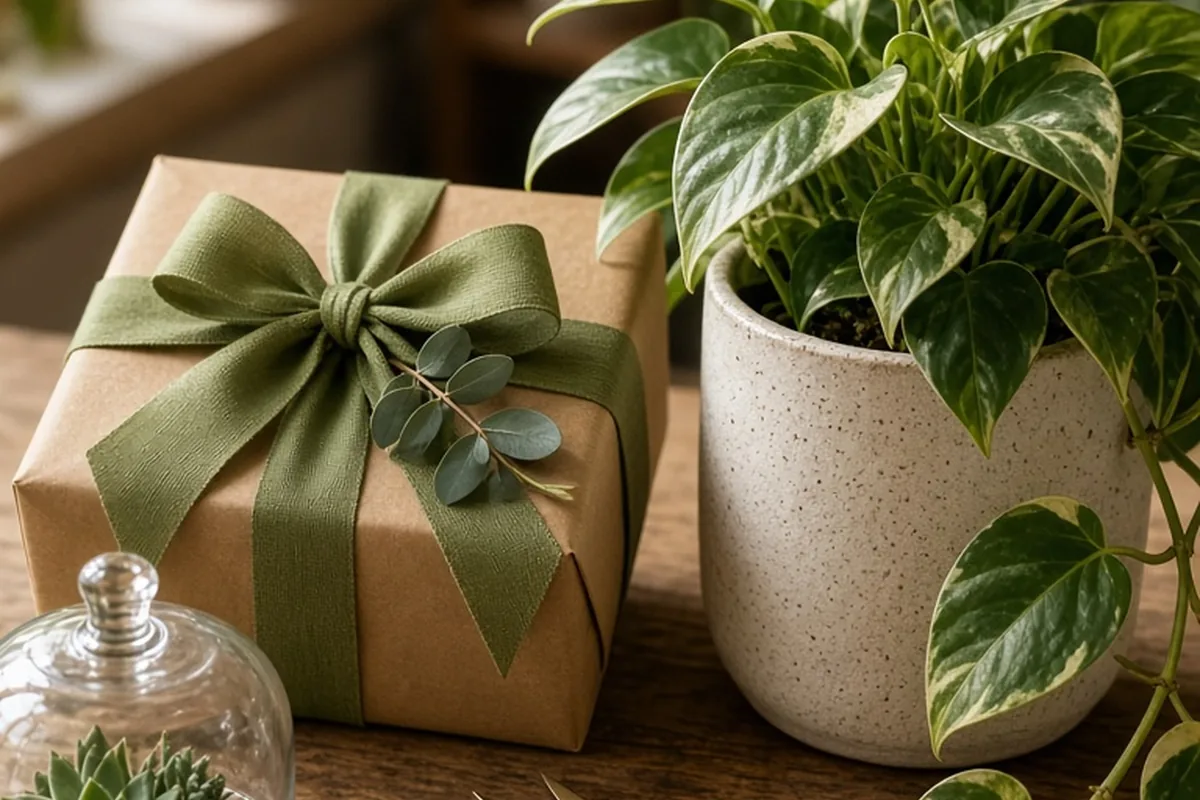
The best gifts for a plant lover wife match her specific care routine rather than adding arbitrary upkeep. If she already owns a thriving indoor jungle, choose elevated accessories like handcrafted ceramic planters, an adjustable full-spectrum grow light, or precision brass pruning shears. If you want to give a live plant, look for a wish-list variety she has mentioned rather than a generic grocery store specimen, pairing it with a pot that matches your home decor.
Shopping for a spouse who loves houseplants can feel surprisingly intimidating when her collection is already thriving and your own horticultural knowledge is limited. The goal is not simply to bring home another green leaf, but to show genuine appreciation for her hobby by choosing items that solve real everyday friction, protect her space, or introduce a specimen she has genuinely longed to own.
Assessing Her Plant Collection Before Buying Anything
A successful gift starts with quiet observation of her current setup rather than guessing in a garden center aisle. Houseplant enthusiasts rarely collect at random; most gravitate toward specific plant families such as tropical aroids, drought-tolerant succulents, velvety anthuriums, or trailing hoyas. Taking a few moments to inspect the rooms where her plants live gives you immediate insight into her space. Notice whether her plants are arranged around bright, south-facing windows or whether they cluster under ambient lamps in shaded corners. This context determines whether she has room for light-hungry varieties or needs low-light companions.
Space and safety constraints are equally crucial when evaluating what to bring into your shared home. Dedicated collectors frequently reach a saturation point where windowsills, credenzas, and plant stands are fully occupied. Introducing an expansive fiddle-leaf fig or a trailing pothos when shelf space is depleted can unintentionally turn a romantic gift into a stressful domestic chore. Furthermore, if you share your home with cats or dogs, checking ASPCA toxicity databases is essential. Many common indoor species, including dieffenbachia and peace lilies, cause oral irritation in pets. Opting for non-toxic varieties like calatheas, peperomias, or cast iron plants demonstrates thorough care for the entire household.
Upgraded Daily Tools That Make Care Seamless
Plant maintenance involves repetitive, delicate physical tasks that can be made significantly more pleasurable through well-crafted implements. Many indoor gardeners get by with basic kitchen scissors or utilitarian plastic jugs that they hide away inside cabinets. Presenting her with dedicated tools made from Japanese high-carbon steel or forged brass elevates her daily routine into a grounding ritual. Precision bypass shears, for instance, make clean horticultural cuts that protect stem tissues from disease, while slender micro-snips allow her to harvest propagation cuttings from dense foliage without damaging nearby stems.
Watering and diagnostic accessories offer an ideal balance of utility and visual elegance. A balanced, long-spouted stainless steel or copper watering can provides directional flow, delivering moisture straight to the soil line without splashing muddy droplets across furniture or pooling inside leaf joints. To round out a tool-focused gift, consider a dual-probe soil moisture and pH meter. These instruments give objective feedback on root saturation, helping her prevent overwatering without dirtying her hands. The trade-off with heirloom tools is that they require basic drying after use to prevent patina or surface wear, making them best suited for someone who values deliberate, hands-on maintenance.
Distinctive Planters, Trellises, and Display Vessels
Experienced plant parents almost always have specimens that need repotting, making quality pottery one of the most reliable gifts you can choose. Standard plastic nursery containers serve a practical purpose, but small-batch ceramic planters, fluted terracotta urns, or pedestal pots integrate botanical life directly into your home decor. When choosing planters, the single most critical feature to verify is adequate drainage. A pot without a bottom hole traps standing water around root systems, leading to anaerobic rot. If you find an artisanal ceramic vessel that lacks drainage, treat it as a cachepot and verify that standard plastic grower pots fit neatly inside.
Vertical supports and wall displays offer another sophisticated way to showcase trailing or climbing foliage. Species like monsteras, philodendrons, and rhaphidophoras naturally seek vertical structures to climb, producing larger leaves when given appropriate support. Swapping temporary wooden stakes for modular powder-coated steel trellises or sturdy sphagnum moss poles transforms sprawling foliage into vertical living art. If horizontal table surfaces are full, wall-mounted propagation stations featuring suspended glass test tubes allow her to root stem cuttings in plain view, creating an evolving focal point in an office, kitchen, or entryway.
Aesthetic Technology and Environmental Upgrades
As a plant collection expands, natural household environments often struggle to replicate the subtropical climates indoor plants prefer. During winter, central heating dries indoor air while day length drops dramatically, causing visible stress to tropical varieties. Modern full-spectrum LED grow lights have moved far beyond industrial purple lighting fixtures. Today, specialty lighting manufacturers produce minimalist pendant lamps, adjustable brass floor lamps, and track lights that project a warm, natural white beam. These fixtures double as architectural interior lighting while delivering the precise photosynthetically active radiation her collection requires to thrive through dark winter months.
Humidity regulation is another technical upgrade that delivers noticeable results for tropical foliage. Compact, ultrasonic humidifiers with clean matte finishes and top-fill reservoirs raise ambient moisture levels around fussy foliage without creating loud motor noise. The practical limit with environmental technology lies in maintenance; humidifiers that are difficult to disassemble quickly collect mineral deposits and algae. Look for models featuring wide tank openings, dishwasher-safe basins, and integrated humidistats that turn off automatically when target moisture levels are achieved, sparing her tedious weekly scrubbing routines.
Selecting Live Plants Without Guesswork or Risk
Buying live flora for a dedicated hobbyist requires thoughtful sourcing rather than an impulse buy at a grocery store checkout. Big-box retail plants are frequently transported in crowded pallets, increasing the risk of invisible pests like spider mites, thrips, or fungus gnat larvae that can quickly spread to her existing collection. When buying a live specimen, visit an independent local plant boutique or order from verified specialty growers who inspect and isolate their inventory before shipping. Look for established root systems and clean foliage free of webbing, yellow spotting, or soft brown patches.
If you want to choose a living plant herself, pay attention to the specific varieties she lingers on during weekend nursery trips. Many experienced hobbyists maintain mental wish lists featuring specific cultivars, such as silver-splashed Scindapsus, velvet-textured Philodendron micans, or sculptural Hoya varieties that produce porcelain-like fragrant blossoms. If you cannot confirm an exact wish-list item, selecting a resilient yet visually striking plant like a Zamioculcas zamiifolia 'Raven'—famous for its dramatic near-black foliage—offers novelty without burdening her with delicate, high-maintenance watering demands.
Experiential Botanical Outings and Shared Support
Not every meaningful plant gift needs to come wrapped in a box. Experiential gifts provide botanical inspiration without adding ongoing maintenance to your home or demanding more square footage. Planning an afternoon date to a historic conservatory, a regional botanical garden, or an estate greenhouse lets her share her passion with you in an expansive setting. Walking the grounds together allows you to learn about the plants she finds most fascinating, transforming her solitary hobby into a source of connection and shared discovery.
For a more hands-on experience, register the two of you for a specialized horticultural workshop, such as Japanese kokedama moss-ball binding, terrarium construction, or bonsai cultivation. Alternatively, the gift of practical partnership during seasonal repotting sessions can be deeply appreciated. Offering to carry heavy bags of potting soil, transport mature specimens outdoors, and clean up scattered perlite removes the physical exhaustion from large-scale garden maintenance. The key to making acts of service feel truly supportive is following her lead completely, allowing her to direct the process without unsolicited interference.
Common Gifting Pitfalls to Avoid
Even thoughtful intentions can produce unintended strain if the mechanics of plant keeping are overlooked. The most common error is buying dyed or glued novelty arrangements often sold around holidays, such as neon-painted succulents or decorative cacti with plastic flowers pinned to their crowns. These arrangements deteriorate rapidly and send the message that the aesthetic gimmick mattered more than the actual health of the plant. Similarly, avoid high-maintenance specialty plants like miniature terrarium orchids or temperamental calatheas unless she has explicitly asked for them, as high failure rates can generate unwarranted guilt.
Another pitfall involves decorative planters with structural design flaws. Pots with tapered narrow necks make future repotting nearly impossible without shattering the ceramic, while saucers attached permanently to the base prevent thorough flushing of built-up fertilizer salts. If you select a vessel, prioritize wide openings, separate collection trays, and high-fired glaze finishes that prevent moisture from sweating through onto polished hardwood furniture. Respecting the functional realities of her hobby ensures your gift brings enduring satisfaction rather than hidden domestic labor.
Illustrative Scenarios
Navigating the Crowded Windowsill
Julian noticed his wife Maya constantly shifting her potted plants between the living room window and the kitchen island as daylight decreased during late autumn. His first instinct was to surprise her with a tall, leafy palm he spotted at a home improvement warehouse to fill the empty living room corner. However, after surveying their space, Julian realized their floor area was already tight and the corner received virtually no direct natural light. Instead of bringing home an oversized plant that would struggle to survive, Julian bought an architectural warm-white LED pendant grow light with a discrete ceiling mount and an automated smart-plug timer. Maya spent that weekend arranging her favorite small plants directly beneath the dedicated warm glow.
Key point: Solving a subtle environmental limitation often delivers far more daily satisfaction than adding another high-maintenance plant to an already crowded room.
Choosing Freedom Over Guesswork
Mark wanted to celebrate his wife Andrea's promotion with a rare indoor plant, knowing she spent evenings browsing collector forums for unique foliage. Feeling overwhelmed by scientific names and high price tags on unrooted cuttings online, Mark worried he might inadvertently buy an unhealthy specimen or a common variety she already owned. Rather than making a blind purchase, Mark wrapped a beautifully crafted Japanese brass pruning shear inside a gift box, accompanied by a handwritten card offering an open budget and a weekend morning trip to a boutique greenhouse two towns over. Andrea was thrilled to spend the morning hunting through specialty greenhouses, ultimately choosing a healthy Hoya she had sought for months.
Key point: Pairing a tangible, high-quality accessory with an intentional shopping excursion eliminates guesswork while keeping the experience deeply personal.
Frequently asked questions
What should I do if I cannot identify which plants she already owns?
Take several clear, wide photos of her plant collection while she is away and show them to a staff member at an independent botanical nursery. Alternatively, bypass live flora entirely and choose universally useful upgrades like handcrafted ceramic planters, brass snips, or premium soil amendments.
Do grow lights ruin the interior aesthetic of a cozy home?
Not anymore. Modern horticultural LED fixtures are available with warm 3000K spectrum light and housing designed in matte black, brass, or brushed nickel. They operate as handsome ambient reading lamps while quietly providing the specific light wavelengths your wife's plants require.
Is giving a gift card to an independent nursery perceived as impersonal?
A gift card to a specialty plant nursery is widely appreciated by collectors because it grants them the freedom to purchase specialized cultivars without feeling guilty about the expense. To keep it personal, tuck the card inside a small accessory, such as a brass mister or a thoughtful handwritten note outlining a planned weekend date.
Your next step
Take five minutes today to quietly inspect her current collection, identifying whether her setup would benefit most from elevated care tools, architectural lighting, or a dedicated weekend outing to choose a dream specimen.