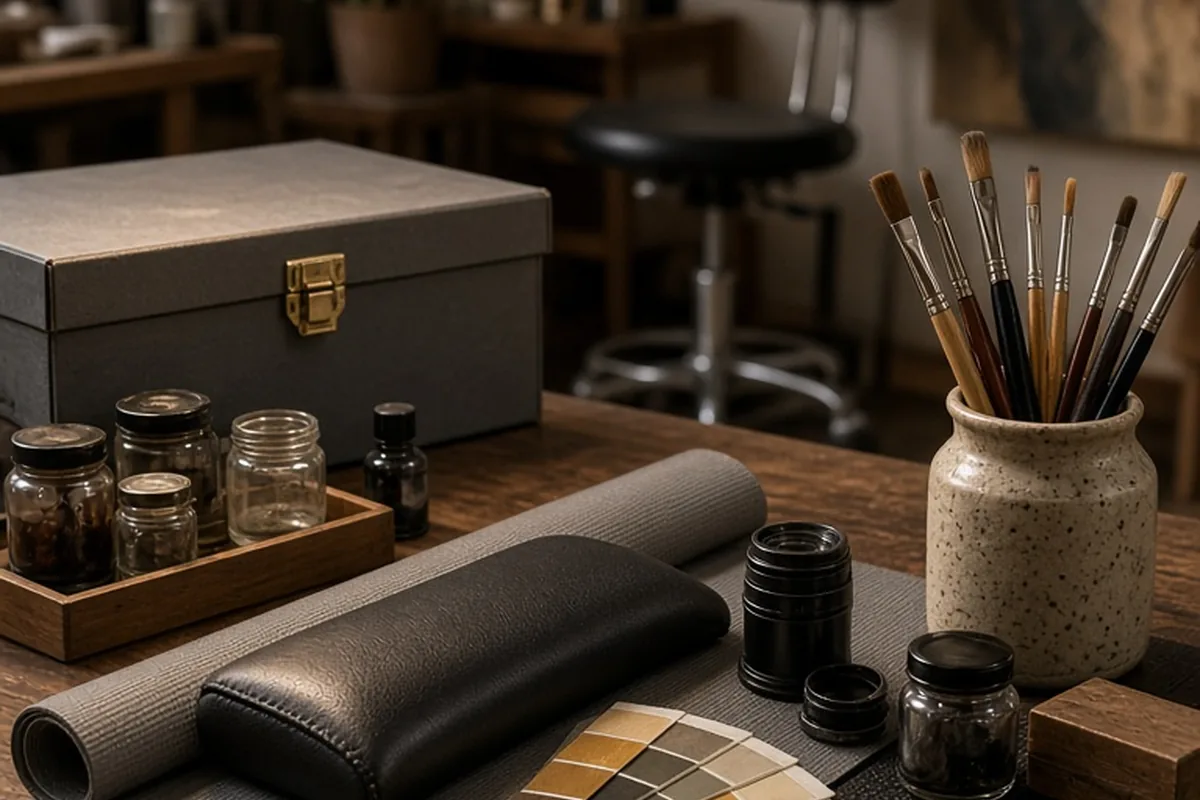
When buying gifts for the artist who has everything, avoid standard beginner sets and focus on studio comfort, archival preservation, high-accuracy lighting, and non-material experiences. High-CRI daylight fixtures, ergonomic seating, anti-fatigue mats, and museum-grade flat storage solve daily friction without cluttering workspace. Alternatively, artisanal small-batch materials, bespoke framing services, or tickets to master workshops provide meaningful creative value that experienced practitioners rarely purchase for themselves.
Artists who have practiced their craft for years usually accumulate an abundance of standard brushes, sketchbooks, and paints. Finding a gesture that feels personal and genuinely useful means looking past beginner starter kits toward items that support their physical stamina, enhance their creative environment, or expand their artistic exploration.
Studio Ergonomics and Physical Comfort Upgrades
Artistic production places sustained, repetitive strain on the body. Long hours spent hunched over a drawing table, standing before a rigid easel, or gripping carving tools lead to fatigue, wrist inflammation, and persistent lower back tightness. Experienced artists frequently prioritize purchasing expensive media over investing in their own physical comfort. Selecting a gift that relieves bodily strain acknowledges the labor behind their art and directly extends the longevity of their studio sessions.
Consider ergonomic upgrades tailored to their primary posture. An artist who works standing up will gain immediate relief from a commercial-grade, beveled anti-fatigue mat designed to alleviate spinal compression and knee soreness. For illustrators, printmakers, or digital painters who sit for extended stretches, a drafting stool equipped with three-way adjustable armrests and forward-tilt lumbar support can transform a workstation. Other targeted options include heated hand massagers or compression sleeves specifically designed to soothe fine-motor strain in fingers and wrists.
When picking physical studio furniture, remember that aesthetic harmony matters in a creative environment. Many corporate ergonomic items feature utilitarian gray plastic that clashes with a warm studio atmosphere. Look for equipment with neutral, durable finishes like matte black metal or natural birch, and ensure the footprint matches their available square footage so the item does not crowd their working radius.
- High-density polyurethane anti-fatigue mat with non-slip, beveled edges
- Fully adjustable drafting chair featuring dedicated lumbar and foot-ring support
- Pneumatic height-adjustable tabletop converter for alternating between sitting and standing
- Therapeutic hand and finger compression wrap for post-work joint recovery
Color-Accurate Studio Lighting and Optical Aids
Proper illumination represents one of the most critical yet frequently compromised elements in an artist's studio. Standard domestic light bulbs cast warm yellow or cool fluorescent tints that subtly distort color perception, leading artists to mix muddy tones or overcompensate on value scales. When working late into the evening or during overcast seasons, an artist needs reliable, neutral light that faithfully replicates indirect noon sunlight.
A balanced daylight lamp boasting a high Color Rendering Index rating of 95 or above ensures that colors mixed on the palette match what viewers see on a gallery wall. Swing-arm architectural lamps with broad, diffusion-paneled LED heads clamp easily to easel masts or drawing desks, directing bright, glare-free light precisely where needed without consuming floor space. For creators working on intricate details like miniature painting, jewelry fabrication, or botanical illustration, an optical-grade LED magnifying desk lamp provides clarity without generating radiant heat.
A practical consideration when choosing lighting is mounting flexibility. Freelance artists often work in rented apartments or shared spaces where drilling into walls or ceilings is prohibited. Freestanding floor models with weighted bases or sturdy C-clamp attachments offer maximum adaptability, allowing the artist to reposition light sources as projects shift in scale.
- High-CRI daylight lamp calibrated between 5000K and 5500K for true color accuracy
- Articulating clamp-on desk lamp with stepless dimming and diffusion shading
- Optical magnifying lamp equipped with cool-touch LED ring lighting
- Rechargeable cordless easel light for plein air outings or mobile studio setups
Archival Organization and Artwork Preservation
Prolific creators generate an immense volume of finished pieces, experimental studies, and reference material. Over time, physical artwork storage becomes a persistent logistical challenge. Unframed paper works, canvas panels, and sensitive prints often sit in hazardous piles where moisture, dust, and handling cause irreversible damage. Archival organization items safeguard these finished works while restoring order to a chaotic workspace.
Museum-grade portfolio storage solutions offer both protection and dignified presentation. Acid-free, drop-front storage boxes allow artists to organize prints and drawings flat without risking creased edges. Heavyweight glassine roll dispensers make it easy to interleave delicate charcoal, pastel, or oil studies before stacking. For painters handling stretched linen, vertical canvas drying racks prevent freshly varnished surfaces from sticking together while keeping floor traffic clear.
Before purchasing large storage fixtures like steel flat files, verify the artist's studio dimensions and weight restrictions. Solid metal flat files are cumbersome and difficult to transport up staircases. Modular fabric portfolios, acid-free archival storage binders with clear polypropylene sleeves, or lightweight wooden print racks provide comparable archival safety with far greater spatial flexibility.
- Acid-free museum drop-front portfolio boxes for flat paper storage
- Heavy-duty wooden print display rack for organizing dry canvases and boards
- Bulk rolls of archival glassine paper for interleaving delicate media
- Expandable archival presentation binder with archival-safe, anti-static sleeves
Small-Batch, Artisanal, and Historical Media
An experienced artist usually has a preferred brand of everyday paint, ink, or charcoal, and buying routine supplies runs the risk of duplicating items they already stockpile. However, few artists routinely spend their own budget on rare, small-batch, or historic materials. These artisanal products introduce unique textures, optical depths, and tactile pleasures that elevate routine studio practice into an experimental indulgence.
Consider hand-milled watercolor sets made with genuine historic minerals like genuine lapis lazuli, malachite, or pipestone, which yield distinct granulation that synthetic commercial paints cannot duplicate. Bespoke hand-dipped walnut inks, rare handmade papers from historic European or Japanese mills, or hand-carved porcelain mixing wells add tactile richness to everyday mark-making. Even simple supplies like hand-rolled vine charcoal made from specific willow orchards offer noticeable control over density and erasing properties.
The trade-off with artisanal media is compatibility. An artist committed strictly to hard-edge acrylic abstractions may have little use for botanical watercolor pans or delicate calligraphy inks. Take time to note their dominant visual language. If they love drawing, choose rare heavyweight handmade cotton rag paper; if they work in fluid media, choose handmade ceramic slants or heirloom brush carousels.
- Artisanal mineral watercolor pans ground by hand with natural gum arabic
- Handmade European cotton rag paper with natural deckled edges
- Traditional walnut crystal ink or small-batch iron gall drawing inks
- Handcrafted ceramic brush rests and multi-well porcelain mixing palettes
Studio Cleanliness, Tool Maintenance, and Safety
The least romantic phase of art making is maintenance, yet taking care of valuable tools directly impacts creative workflow. Brushes ruined by dried pigment in the ferrule, dried acrylic skins on glass palettes, and toxic dust in the air represent ongoing studio headaches. Tools that streamline cleaning chores allow artists to spend more time creating and less time scrubbing equipment.
High-performance maintenance accessories solve these persistent annoyances. Natural conditioning brush soaps formulated with natural oils remove stubborn pigments while conditioning sable and synthetic fibers, preserving the spring and fine point of expensive brushes. Silicone brush cleaning basins and suspension racks dry brushes upside down, preventing residual water from loosening ferrule glue. For artists working with chalk pastels, charcoal, or encaustic wax, a compact HEPA studio air purifier helps filter harmful particulate matter out of their breathing zone.
Be mindful of chemical sensitivities when choosing maintenance products. Avoid harsh citrus-scented solvents, petroleum distillates, or heavily fragranced soaps unless you know the artist specifically uses them. Non-toxic, biodegradable cleaners and physical maintenance tools like tempered glass palette scrapers or silicone cleanup mats are universally safe and appreciated.
- Preserving brush cleaner and conditioner made with natural vegetable oils
- Suspension drying rack that holds brush handles upright to protect ferrules
- Tempered glass palette scraper with ergonomic grip and replaceable blades
- True HEPA desktop air purifier designed to capture fine pigment and charcoal dust
Experiential Support and Artistic Development
When an artist's studio is genuinely at capacity and physical objects feel like an unnecessary burden, experiential gifts offer deep emotional resonance. Experiences bypass clutter entirely, providing fresh perspectives, technical growth, or precious dedicated time to recharge their imaginative reserves without domestic distractions.
Valuable experiential gifts can take several forms depending on the artist's career stage. Annual membership to a major contemporary art museum or regional sculpture park provides year-round visual research and free exhibition access. You might also fund studio time at a local communal printmaking shop, ceramic kiln facility, or darkroom, granting them access to industrial presses and equipment they could never house at home. Alternatively, paying tuition for a masterclass residency or specialized technical seminar provides mentorship and community.
When giving an experiential present, avoid locking in rigid dates that could conflict with deadlines, day jobs, or exhibition installations. Opt for open-ended vouchers, flexible gift cards to educational platforms, or offer to cover a specific travel stipend for an upcoming residency they already plan to attend.
- Annual patron or reciprocal membership to a regional art museum network
- Open studio pass to a local printmaking collective, bronze foundry, or darkroom
- Enrolled registration for an advanced anatomy or plein air master workshop
- Self-directed creative weekend retreat funding for travel or lodging
Professional Presentation and Framing Assistance
Many seasoned artists face an expensive bottleneck at the final presentation stage: custom framing and high-resolution documentation. High-quality archival frames, non-reflective UV museum glass, and specialized matting can easily cost hundreds of dollars per piece, leaving exceptional work tucked away in flat files rather than mounted for exhibition or private sale.
Offering to underwrite framing costs or providing credit at a respected local custom frame shop transforms an unmounted favorite piece into a gallery-ready presentation. Beyond framing, professional fine-art digital scanning or color-calibrated photography services allow an artist to create high-resolution digital archives suitable for monograph printing, art competition entries, and commercial print sales.
Because framing choices involve deeply personal aesthetic decisions regarding moulding profiles, mat board reveals, and glass types, do not attempt to frame their work without their involvement. Present your gift as an accompanied visit to their preferred framer, or purchase store credit alongside a thoughtful card designating the purpose.
- Gift certificate to an established local independent custom framer
- Prepaid session with a professional fine-art reproduction photographer
- Custom-cut archival 8-ply cotton rag mats for standard exhibition sizes
- Set of conservation-grade UV-filtering acrylic sheets for home framing
Illustrative Scenarios
Upgrading Studio Infrastructure for an Established Painter
Mark, an oil painter with more than twenty years of active studio practice, already owned dozens of palette knives, specialized brushes, and tubes of paint. His family noticed that despite his productive output, he frequently cut evening painting sessions short due to eye fatigue and lower back soreness caused by his converted garage workspace. Instead of buying him another art store voucher, they pooled resources to install an articulating high-CRI balanced daylight lamp and a commercial anti-fatigue floor mat. The balanced illumination eliminated yellow cast from his evening work, while the floor mat removed knee and spinal pressure, allowing him to paint comfortably for longer stretches without adding unneeded material clutter.
Key point: Focusing on studio infrastructure and ergonomic pain points delivers immediate, practical value to experienced creators who already own an abundance of standard media.
Frequently asked questions
What items should I avoid buying for an artist who already has everything?
Avoid purchasing generic beginner art sets, multi-packs of low-grade brushes, and standard starter sketchbooks. Experienced creators have established distinct preferences for specific brush shapes, paper weights, and pigment formulas, making all-in-one starter kits feel redundant and unhelpful.
How can I choose a supply gift if I do not know their specific medium?
Focus on universal studio infrastructure rather than medium-specific consumables. Items like adjustable task lighting, museum-grade archival storage boxes, ergonomic studio seating, and HEPA air purifiers improve any workspace regardless of whether the artist paints, draws, sculpts, or prints.
Are art store gift cards considered too impersonal for seasoned creators?
Not if they are presented thoughtfully. Art supplies are expensive, and experienced artists frequently budget carefully for high-end linen or specialized pigments; pairing a gift card with a handwritten note specifying a dedicated fund for their dream supplies makes it both practical and considerate.
What is a meaningful, low-cost gift for an experienced artist?
Consider a jar of professional vegetable-based brush cleaner, a roll of archival glassine paper for protecting finished work, or a set of handmade ceramic brush rests. These items cost relatively little, demonstrate respect for their working process, and solve small daily studio inconveniences.
Your next step
Take fifteen minutes to observe their studio routine or ask which daily task causes them the most physical fatigue or organizational annoyance, then select one targeted upgrade that eliminates that specific friction.