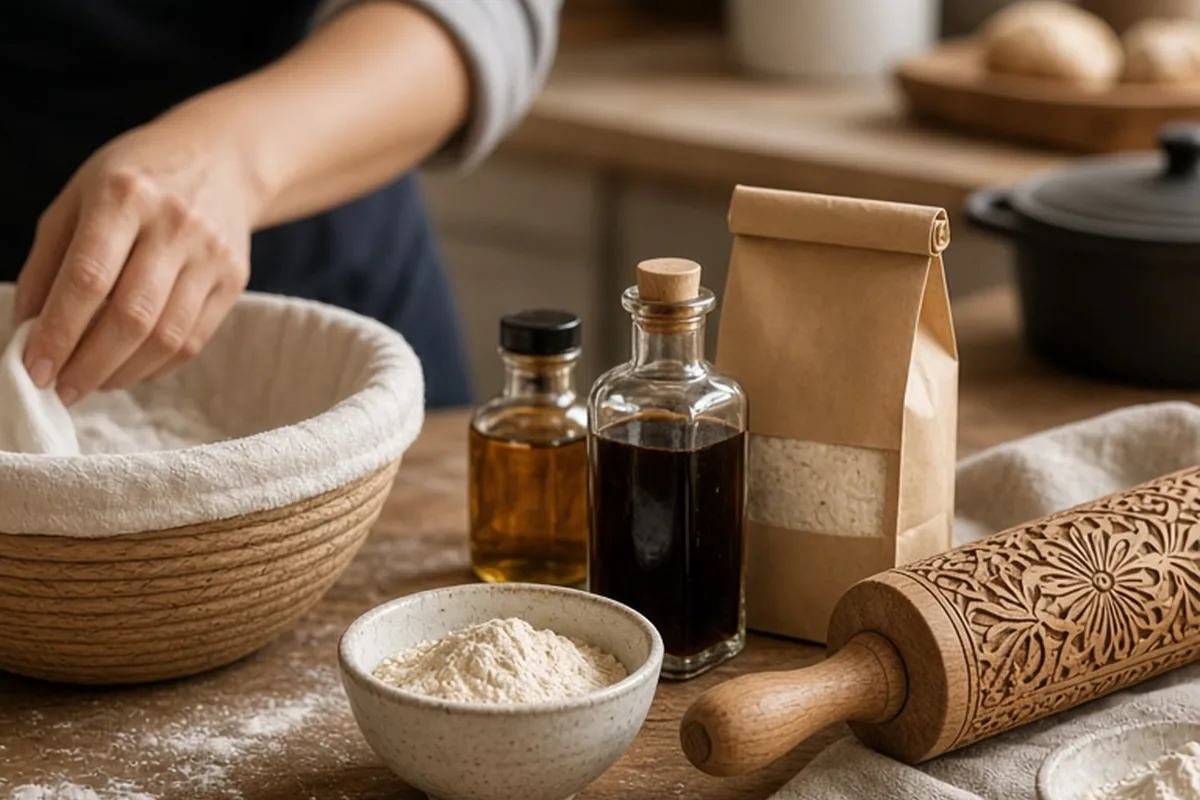
When buying gifts for the baker who has everything, bypass basic baking sheets and standard mixers in favor of consumable luxury ingredients, rare grain varieties, hyper-specific artisan tools, or educational experiences. Focus on single-origin vanillas, heirloom flours, custom embossed rolling pins, specialty proofing baskets, or digital masterclasses from renowned pastry chefs. These gifts offer novelty and refinement without adding unwanted kitchen clutter.
Experienced bakers often accumulate standard kitchen tools quickly, leaving friends and family unsure of what is already tucked inside their cabinets. Finding a memorable present means shifting focus away from entry-level hardware and exploring artisanal ingredients, niche finishing tools, and shared culinary experiences that honor their dedication to baking.
Single-Origin Extracts and Rare Pantry Staples
A seasoned baker almost certainly owns commercial vanilla extract, baking soda, and granulated sugar, but high-tier pantry ingredients present an immediate sensory upgrade. Because these ingredients are consumable, they solve the greatest problem facing dedicated hobbyists: overcrowded cabinet space. Upgraded staples let the recipient experiment with complex flavor notes without committing to permanent equipment that requires dedicated storage.
Consider sourcing single-origin vanilla bean pastes from distinct geographic regions such as Madagascar, Tahiti, or Uganda. Tahitian vanilla offers floral, cherry-like notes that shine in cold preparations like pastry creams, whereas Ugandan vanilla carries a bold, chocolatey aroma suited for rich butter cakes. You can complement these extracts with luxury cocoa powders that feature a high cocoa butter content of twenty-two to twenty-four percent, authentic orange blossom water from Lebanon, or whole green cardamom pods sourced directly from spice cooperatives.
The primary trade-off with gourmet pantry gifts involves shelf life and storage conditions. While alcohol-based extracts keep indefinitely, delicate nut pastes like Sicilian Bronte pistachio paste or stone-ground praline can turn rancid if left warm. Check expiration dates before purchasing, and select moderate quantities that encourage prompt experimentation rather than massive bulk sizes that might spoil before being used.
Heirloom Flours and Stone-Milled Grain Samplers
Standard all-purpose flour offers predictable performance, but experienced bakers frequently crave the deep flavors and unique handling characteristics of freshly stone-milled heritage grains. Sourcing grain directly from regional mills connects the baker to traditional agriculture and unlocks earthy, nutty flavor profiles that modern roller-milled white flours lack.
Curate a sampler box featuring ancient and heritage wheat varieties such as Red Fife, einkorn, spelt, emmer, and dark whole rye. Red Fife delivers warm cinnamon and herbal tones to sourdough loaves, while einkorn introduces rich golden hues and delicate crumb structures to shortbreads and pancakes. Many specialty millers also provide freshly bolted flours that retain the nutrient-rich germ while sifting out coarse bran, yielding pastry flours with remarkable aromatics.
Keep in mind that heirloom flours contain active enzymes and natural grain oils, which shorten their shelf life compared to commercial bleached flour. These flours also behave differently during hydration and gluten development, often requiring careful water adjustments and shorter mixing times. This gift is ideal for inquisitive bakers who love dialing in formulas, but it may require them to store bags in their refrigerator or freezer to preserve freshness.
Dedicated Artisan Shaping and Finishing Hardware
While generalists rely on multi-purpose paring knives and regular spoons, advanced bakers appreciate dedicated implements engineered for exact decorative techniques. These specialized items occupy little drawer space yet dramatically improve the precision, texture, and visual impact of finished baked goods.
A hand-turned hardwood bread scoring lame fitted with replaceable curved razor blades allows a sourdough baker to slash loaves with ergonomic control, resulting in dramatic oven spring and intricate decorative ears. Heavy-gauge tinned copper canelé molds from France deliver the authentic caramelized outer crust and custardy interior that modern silicone pans simply cannot achieve. Other focused options include perforated micro-mesh tart rings that yield razor-sharp pastry rims, solid brass pastry ravioli wheels with fluted edges, and traditional patterned rolling pins for Scandinavian spekulatius or Springerle cookies.
The limitation of hyper-specialized hardware is its narrow utility. A copper canelé mold produces exceptional French pastries, but it cannot be repurposed for standard muffins or cupcakes. Before choosing a niche tool, verify the recipient's culinary passions. If they dedicate their weekends to sourdough, a custom lame or a woven wicker banneton lined with natural linen is a guaranteed hit; if they favor French patisserie, precision tart rings are far more useful.
Functional Kitchen Textiles and Natural Stoneware
Baking relies on tactile physical contact, and upgrading everyday textiles and bowls turns routine kitchen labor into a sensory ritual. When a baker already owns reliable stainless steel mixing bowls, natural materials like untreated flax linen and wheel-thrown ceramics offer durable luxury that lasts for decades.
A genuine French linen couche provides the rigid, breathable folds necessary for supporting proofing baguettes without sticking or absorbing excessive dough hydration. Heavy linen bowl covers with elastic borders replace disposable plastic wrap while permitting sourdough starters to breathe naturally. Similarly, a hand-thrown ceramic mixing bowl featuring an unglazed exterior base provides exceptional countertop stability during hand-kneading, while an integrated pouring spout simplifies pouring wet batters.
When purchasing ceramics or wood items, weigh the gift against kitchen storage constraints. Heavy stoneware and expansive maple dough boards require shelf space and careful hand maintenance, as they cannot go through a dishwasher cycle. Look for pieces crafted with durable lead-free glazes and ergonomic rim handles so they remain functional kitchen workhorses rather than fragile display pieces.
Advanced Technical Manuals and Food Science Reference Books
Enthusiasts who have baked for years rarely need introductory cookbooks filled with standard chocolate chip cookie formulas. Instead, they find motivation in professional textbooks, comprehensive food science manuals, and regional culinary deep dives that deconstruct the physics and chemistry behind baking.
Look for authoritative works that explore ingredient interactions, starch gelatinization, and protein coagulation in detail. Books by professional pastry academy instructors, technical monographs detailing the complexities of naturally leavened panettone, and comprehensive historical surveys of European bread traditions offer rich conceptual knowledge. These volumes provide the structural formulas and Baker's Percentages that empower bakers to engineer their own custom recipes rather than simply following static directions.
The main hazard when buying books for a passionate baker is duplicating a volume they already own. Many serious bakers maintain well-stocked bookshelves or digital libraries. To navigate this challenge, look for newly released international translations, niche professional editions published directly by culinary institutes, or discreetly verify their existing collection before ordering.
Immersive Masterclasses and Academy Experiences
Experiences generate lasting memories and creative motivation without occupying an inch of physical cabinet space. For the baker whose kitchen counters are already fully equipped, spending dedicated hours learning alongside master artisans represents the ultimate indulgence.
Consider enrolling them in an intensive in-person weekend seminar at a respected regional baking school, focusing on challenging techniques like laminated viennoiserie, pulled sugar work, or multi-day sourdough production. If travel is impractical, look into comprehensive digital masterclasses offered by world-class pastry chefs that include private student community access and direct instructor feedback on bake troubleshooting.
Flexibility is critical when gifting any educational course. Avoid reserving specific, non-refundable dates that might clash with their family or work obligations. Instead, purchase an open voucher or gift credit that allows the baker to pick the exact topic, instructor, and seasonal weekend that best fits their schedule and learning priorities.
Thoughtful Sleuthing to Prevent Duplicate Kitchen Tools
Selecting the perfect gift for someone with an established hobby requires careful detective work. Rather than asking directly and spoiling the surprise, pay attention to subtle cues regarding their current baking projects and small annoyances they mention while working.
Take a discreet photograph of their pantry or baking shelf during a casual visit to inspect which brands of chocolate, extracts, and flour varieties they restock frequently. Notice the scale of their baking: someone producing dozens of holiday cookies needs high-capacity cooling racks or heavy-duty parchment sheets, whereas a baker focused on artistic loaves would benefit more from specialized scoring tools or proofing liners. Partnering with their spouse or roommate can also provide instant insight into their private online wishlists.
If you remain uncertain about their current hardware inventory, default strictly to high-end consumables or customizable items. An assortment of rare finishing salts, wild single-origin honeys, or a personalized branding iron for their wooden bread peel carries virtually zero risk of redundant clutter while demonstrating genuine appreciation for their craft.
Frequently asked questions
What is a good budget-friendly gift for an experienced baker?
High-end consumable ingredients make exceptional budget-friendly gifts that feel luxurious without requiring a large investment. A bottle of pure single-origin vanilla extract, a jar of Nielsen-Massey vanilla bean paste, or a package of Maldon flaked sea salt costs under thirty dollars and provides immediate utility in their everyday recipes.
Why should I avoid buying standard kitchen appliances for them?
Advanced bakers typically have strong personal preferences regarding motor power, brand reliability, and capacity. They likely already own or have researched their ideal stand mixer, food processor, or bread machine, meaning an unsolicited appliance purchase frequently leads to awkward duplicates or mismatched kitchen aesthetics.
How do I know what style of baking they focus on?
Look at the finished treats they routinely share with friends and family. If they frequently bring crusty artisan boules and rustic rolls to gatherings, focus on breadmaking gear like proofing cloths, grain samplers, and scoring blades; if they share layered sponge cakes, glossy tarts, or decorated pastries, lean toward specialty extracts, piping tips, and professional tart rings.
Your next step
Take a quick inventory of their favorite baked goods this week, pick one luxury consumable or specialized technique that complements their style, and order a thoughtful pantry upgrade that sparks immediate kitchen inspiration.