The best gifts for a chef who already owns standard equipment are high-end consumable luxuries, hyper-specialized finishing tools, and skill-expanding experiences. Instead of buying common knives or appliances they likely already own, choose single-estate olive oils, artisanal Japanese whetstones, bespoke ceramics for plating, or subscriptions to rare heirloom ingredients that provide ongoing culinary inspiration without adding kitchen clutter.
Shopping for an avid home cook or professional chef can feel daunting when their counters already boast high-end Dutch ovens, seasoned cast iron, and meticulously curated knife blocks. When someone has already mastered the basics and acquired the core tools of the trade, standard culinary gift guides fall flat. Finding a meaningful present requires shifting your focus from foundational kitchenware toward sensory indulgence, artisanal craft, precision maintenance, and rare ingredients that even well-equipped culinary enthusiasts rarely purchase for themselves.
Elevate Daily Cooking with Single-Estate and Rare Finishing Ingredients
Consumable luxury ingredients are often the safest and most appreciated gifts for experienced cooks because they deliver exceptional sensory pleasure without adding permanent clutter to crowded kitchen cabinets. An accomplished cook understands that the quality of finishing ingredients can transform a balanced dish into an extraordinary one. Rather than selecting standard grocery staples, look for items that showcase distinct terroir, historic production methods, or rare harvests that are difficult to find in conventional markets.
Consider traditional Aceto Balsamico Tradizionale di Modena DOP, which is aged for a minimum of twelve or twenty-five years in graduated wooden casks, yielding a complex, glossy reduction that is used drop by drop over aged cheeses or grilled meats. Single-estate, early-harvest extra virgin olive oils from small producers in Sicily, Crete, or Andalusia offer peppery, polyphenol-rich profiles that provide an intense finishing touch to raw preparations and soups. Specialty peppercorns, such as fermented green Kampot peppercorns from Cambodia or wild Voatsiperifery peppercorns from Madagascar, introduce woodsy, floral complexities that standard black pepper cannot match.
When purchasing fine ingredients, always verify the harvest date and regional certification labels rather than relying on marketing claims like gourmet or reserve. A potential trade-off to keep in mind is shelf life and palate preference: unrefined, high-polyphenol olive oils should be consumed within several months of opening, and intensely flavored ingredients may not suit a chef whose primary interest lies in delicate pastry work. Match the ingredient category to the specific styles of food your recipient loves to prepare.
Invest in Precision Sharpening Gear and Blade Care Tools
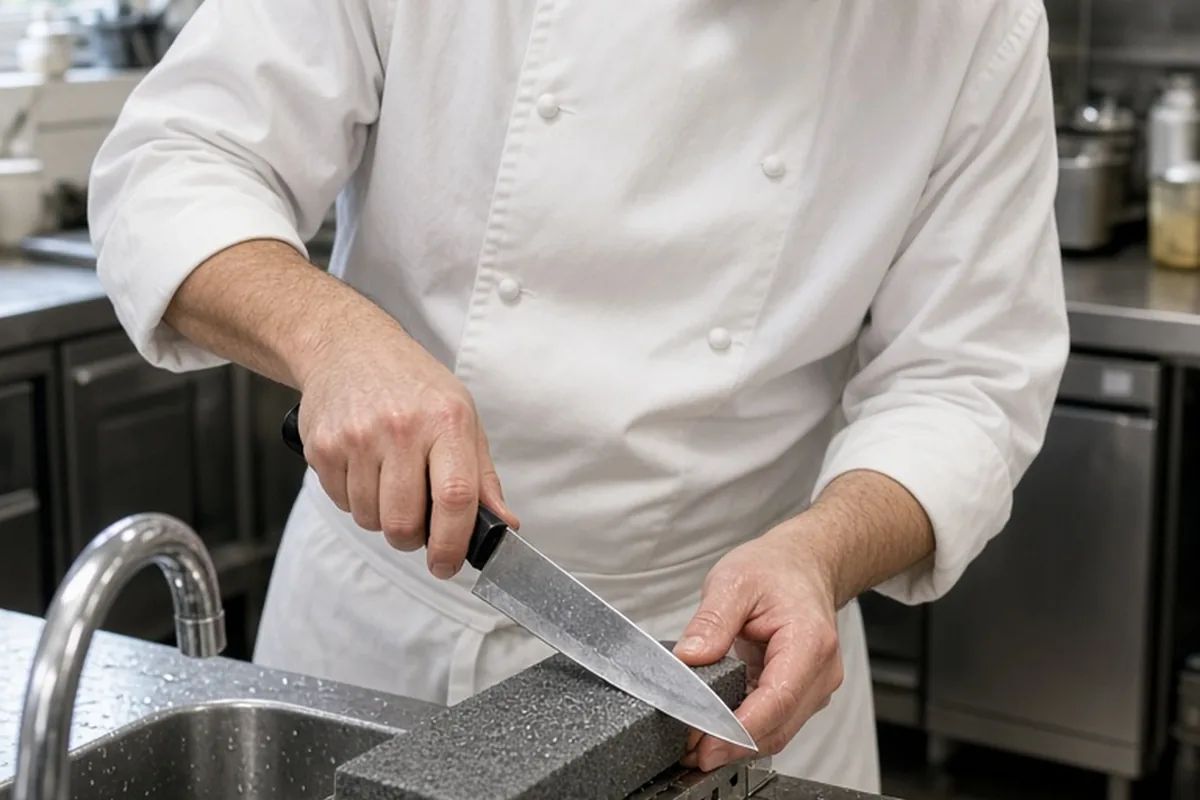
Experienced cooks generally have deeply personal preferences regarding the weight, handle shape, steel hardness, and balance of their cutlery, making surprise knife purchases risky. In contrast, knife maintenance equipment is an essential category where high-quality upgrades are always welcome. A chef who takes pride in their tools constantly seeks to refine and maintain blade edges, making precision sharpening gear an ideal gift that respects their existing collection.
Synthetic Japanese water stones, particularly combination stones featuring grit ratings like 1000/6000 or individual professional splash-and-go stones, allow cooks to re-profile and polish edges to a razor-sharp finish. To complement the stones, an adjustable stainless steel sink bridge provides a stable, mess-free sharpening workstation over standard kitchen basins. Leather stropping blocks charged with micron-graded diamond paste offer an additional level of edge alignment that prolongs the interval between full stone sharpenings.
For wooden board and handle maintenance, artisanal conditioning kits made from organic beeswax, cold-pressed walnut oil, or food-grade mineral oil help protect end-grain butcher blocks and wooden handles from moisture damage and warping. A clear trade-off with sharpening equipment is the learning curve involved: freehand whetstone sharpening requires practice and technique. If the recipient prefers automated solutions, an angle-guided sharpening system offers consistent bevel control with less physical trial and error.
Select Hyper-Niche Tools That Simplify Specialized Prep Tasks
While seasoned cooks actively avoid gimmicky single-use gadgets, they frequently treasure specialized, professional-grade tools that perform one complex task with absolute precision. These are items typically found in fine-dining prep stations rather than mainstream retail stores, designed to save time, reduce hand fatigue, and improve plating consistency.
Japanese fish bone tweezers with precision-ground, angled tips offer the leverage needed to remove pin bones from delicate salmon or trout fillets without tearing the surrounding flesh. Micro-serrated mini offset spatulas provide unparalleled control when lifting delicate garnishes, spreading purées, or checking the underside of searing proteins. For bakers and modernist cooks, a high-precision digital pocket scale measuring in 0.01-gram increments is essential for accurately scaling yeast, pectin, agar-agar, or curing salts that standard kitchen scales cannot detect reliably.
Another exceptional micro-tool is a solid brass tasting spoon, prized for its durability, balance, and the fact that it does not impart any metallic flavor when sampling hot reductions. The key limit when choosing niche utensils is avoiding redundant implements. Focus on tools that solve clear mechanical challenges or improve tactile feedback during intricate prep work rather than tools that simply automate basic knife skills.
Offer Bespoke Plating Ware and Handcrafted Table Accents
For an advanced cook, plating is an integral component of the culinary craft. Even the most technically accomplished meal loses visual impact when served on generic, mass-produced dinnerware. Handcrafted ceramics and custom table elements provide a unique canvas that complements the color, texture, and geometry of carefully prepared food.
Look for wheel-thrown stoneware from independent ceramic artists, such as shallow wide-rimmed pasta bowls, textured matte-black appetizer plates, or low-sided sharing platters with exposed clay edges. The subtle variations in glaze and form inherent to artisanal pottery lend organic warmth to both rustic braises and minimalist modern dishes. Beyond plates, hand-woven pure linen kitchen aprons with cross-back straps distribute weight evenly across the shoulders, preventing neck fatigue during marathon cooking sessions while offering superior breathability and durability compared to synthetic fabrics.
When purchasing ceramics, ensure that the glazes are explicitly certified food-safe and durable enough for everyday kitchen use, ideally marked as dishwasher- and microwave-friendly. The main limitation is storage footprint; large multi-piece dish sets can easily overwhelm modest pantry or cabinet space. Choosing two to four striking individual plating vessels or a versatile central serving piece is far more practical than gifting a bulky twelve-place dining set.
Support Advanced Fermentation and Food Preservation Projects
Cooks who have mastered standard braising, roasting, and sautéing techniques often channel their curiosity into the transformative world of fermentation, curing, and aging. These slow-food crafts allow culinary enthusiasts to develop complex, umami-laden pantry staples from scratch, such as house-made koji, lacto-fermented vegetables, dry-cured charcuterie, and aged vinegars.
Traditional water-sealed stoneware fermentation crocks are functional and visually striking additions to the kitchen. The water-trough lid creates an airlock that allows natural carbon dioxide to escape while blocking oxygen and wild airborne contaminants, ensuring consistent results when making sauerkraut, kimchi, or fermented chili pastes. For those experimenting with koji propagation or sourdough starters, precision temperature and humidity controllers provide the stable microclimate necessary for consistent microbial growth.
Chamber vacuum sealer accessories and reusable silicone fermentation weights also make excellent practical gifts for serious preservers. A relevant constraint with preservation gear is the requirement for time, kitchen space, and ambient climate management. Selecting compact fermentation crocks in the two- to three-liter range allows the chef to experiment with manageable batch sizes without monopolizing valuable counter real estate for months at a time.
Provide Direct-from-Farm Deliveries and Rare Sourcing Subscriptions
Sourcing pristine raw ingredients is often the most demanding challenge an ambitious home chef faces. Gifting direct access to micro-producers, heritage farms, and wild-foraged goods eliminates the friction of sourcing and introduces seasonal varieties that never reach conventional supermarket shelves.
Subscriptions that deliver freshly stone-milled heritage grain flours—such as Einkorn, Red Fife, or Spelt—provide bakers with grain varieties that retain active germ and nuanced, nutty flavors impossible to find in industrially processed white flour. Seasonal wild mushroom and fresh truffle deliveries connect cooks directly with regional foraging calendars, providing ingredients like fresh morels, chanterelles, or black winter truffles at peak freshness. Specialty whole-spice subscriptions sourcing fair-trade crops directly from family farms in specific microclimates provide vastly superior aroma and essential oil concentrations compared to jarred supermarket spices.
A practical consideration when gifting ingredient subscriptions is recipient availability and storage capacity. Perishable deliveries require immediate refrigeration or processing. To prevent stress, select subscription providers that offer flexible scheduling, straightforward delivery pause options, or electronic gift redemption so the recipient can trigger deliveries when their calendar allows dedicated kitchen time.
Choose Deep-Dive Culinary Reference Texts and Master Classes
Standard recipe collections that compile basic weeknight meals hold little appeal for cooks who already possess intuitive seasoning skills and sound technical fundamentals. However, comprehensive reference books that explore the deep science, cultural history, and precise mechanics of specific culinary disciplines are invaluable resources that provide years of study and inspiration.
Look for authoritative monographs covering single topics in exhaustive detail, such as whole-animal butchery manuals, regional culinary bibles focusing on specific provinces like Oaxaca, Sichuan, or Calabria, or texts dedicated to the structural physics of bread baking and viennoiserie. Books that combine rigorous technical explanations with foundational principles allow experienced cooks to develop their own original recipes rather than merely replicating someone else's formulas.
Beyond physical books, experiential gifts such as hands-on workshops with master artisans—whether an intensive sourdough masterclass, a whole-hog breakdown workshop, or a guided sensory tasting with a certified sommelier—provide skills that endure long after physical tools wear out. Ensure that any experiential booking provides open scheduling or transferrable dates so the recipient is not constrained by rigid class timetables.
Frequently asked questions
What common gifts should I avoid giving an experienced cook?
Avoid entry-level chef knives, pre-packaged spice sets from department stores, and single-purpose novelty gadgets like avocado slicers or garlic presses. Experienced cooks usually have strong personal preferences for their primary cutlery and prefer buying fresh, unground spices from dedicated purveyors.
How do I know if an artisan food ingredient is actually high quality?
Look for explicit harvest dates, specific geographic origins (such as a single estate or cooperative), and recognized protective designations like DOP or PGI. High-quality producers provide clear transparency regarding crop varietals, aging periods, and harvest methods rather than vague marketing labels like natural or premium.
Are personalized or engraved kitchen items recommended for serious chefs?
Personalized items can be thoughtful, but functionality and material quality should always take precedence over aesthetic customization. Engraving a mediocre blade or low-grade cutting board does not make it useful, whereas a high-end end-grain board or hand-forged tool is appreciated regardless of whether it is monogrammed.
Your next step
Take note of your recipient's current culinary curiosity—whether they are exploring artisanal bread, refining knife maintenance, or experimenting with fermentation—and select a single, premium consumable or precision tool that directly elevates that specific craft.