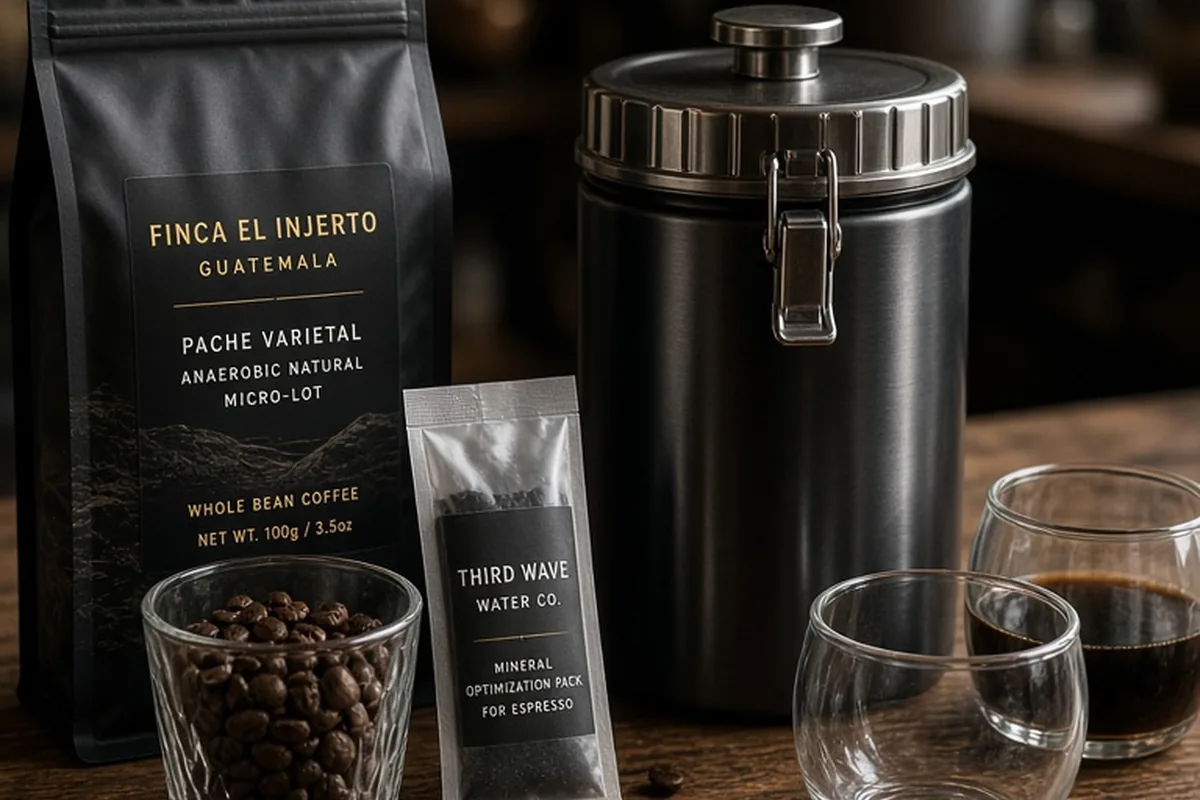
The best gifts for a coffee lover who already owns standard equipment focus on consumable upgrades, precise environmental controls, or niche tasting experiences. Consider ultra-rare micro-lot beans, specialized mineral brewing water packets, vacuum-sealed bean storage vaults, or sensory cupping glasses. These choices bypass gear redundancy, elevate daily brewing rituals, and allow experienced coffee enthusiasts to explore subtle flavor dimensions without cluttering their counters.
When someone is deeply invested in specialty coffee, buying them a standard espresso machine, French press, or novelty mug usually results in unused countertop clutter. Experienced home baristas meticulously curate their grinders, kettles, and extraction tools, making high-end consumables, water optimization tools, and specialized sensory accessories far more impactful than entry-level gadgets.
Curated Micro-Lots and Rare Origin Roaster Subscriptions
Advanced coffee drinkers constantly pursue unique flavor profiles, making hyper-seasonal and rare varietals an ideal choice. Standard supermarket beans or mass-market blends rarely excite an experienced palate, but rare botanical varieties such as Gesha, Pink Bourbon, or rare species like Eugenioides offer completely distinct sensory profiles. These coffees undergo meticulous harvesting and innovative processing methods, such as anaerobic fermentation, thermal shock, or dynamic yeast fermentations, yielding floral, tea-like, or intensely fruit-forward cups.
To select the right beans, seek out reputable specialty roasters that publish detailed sourcing transparency, including farm elevations, lot numbers, harvest dates, and processing methods. Ordering whole beans directly from roasteries known for light-to-medium Nordic-style roasts guarantees that origin characteristics remain vibrant rather than masked by roast notes. Many specialty roasteries also offer limited-run subscription boxes where rare microlots are shipped immediately following their rest period.
Keep in mind that rare coffees represent a perishable experience with a finite peak flavor window. Most specialty roasts taste best between two and six weeks after the roast date, depending on the roast style. If your recipient brews infrequently, choose smaller twelve-ounce or eight-ounce bags to ensure the beans are enjoyed while their delicate aromatics remain intact.
Water Chemistry Kits and Mineral Optimization Packs
Water makes up roughly ninety-eight percent of a cup of filter coffee and over ninety percent of an espresso shot. Even the most expensive conical burr grinder and temperature-controlled gooseneck kettle cannot compensate for tap water that carries harsh chlorine or improper mineral ratios. Dedicated coffee lovers know that specific balances of calcium, magnesium, and bicarbonate ions dictate how efficiently aromatic compounds and acids extract from ground coffee.
Mineral optimization packets and concentrated liquid remineralization kits allow brewers to build custom brewing water from scratch. Products like pre-portioned mineral sachets or liquid dropper kits are added directly to distilled or reverse-osmosis water to create exact total dissolved solids targets. By altering the balance between magnesium for fruit extraction and calcium for creaminess, the brewer can fine-tune water chemistry to match specific roasts.
The primary trade-off with water chemistry kits is the prerequisite workflow. The recipient must have convenient access to pure distilled water or a zero-dissolved-solids filtration pitcher. For an enthusiast who enjoys scientific experimentation, this opens a fascinating dimension of flavor tuning, but it may require an extra preparation step before their morning brew.
Aroma-Enhancing Sensory Glassware and Cupping Bowls
Traditional thick-rimmed ceramic mugs retain heat well, but they tend to trap delicate volatile aromas and disperse liquid broadly across the palate. Sensory glassware engineered specifically for specialty coffee uses targeted geometry, flared rims, and interior bowl contours to concentrate fragrance notes toward the nose while regulating how coffee enters the mouth. This mirrors the principles of high-end wine glassware, directing floral notes and crisp acidity precisely.
Specialized sensory vessels, such as flared tasting glasses, double-walled borosilicate aroma cups, and porcelain cupping bowls, offer distinct functional advantages. Fluted designs encourage gentle swirling to release aromatics without cooling the liquid too quickly, while thin rims provide a cleaner tactile mouthfeel. Cupping bowls and official competition-grade cupping spoons made from coated titanium or polished stainless steel also allow enthusiasts to perform professional comparative cuppings at home.
A practical consideration with sensory glassware is fragility and temperature management. Thin borosilicate or artisan crystal glasses require gentle hand-washing and lack the rugged durability of travel tumblers. They are designed for focused, seated tasting sessions rather than on-the-go morning routines.
Specialized Bean Storage Vaults and Single-Dose Cryo Tubes
Oxygen, moisture, light, and ambient heat are the primary enemies of roasted coffee freshness. Once a bag is unsealed, carbon dioxide rapidly escapes while oxygen degrades delicate aromatic lipids. For a collector who likes keeping several distinct single-origin coffees active simultaneously, standard kitchen canisters fail to prevent staling over multiple weeks.
Single-dose storage systems and active vacuum canisters solve this dilemma through physical displacement or airtight portioning. Vacuum containers use integrated pump mechanisms to vent oxygen from the storage chamber every time they are sealed. Alternatively, sets of borosilicate glass single-dose tubes equipped with one-way degassing valves let the brewer weigh out individual eighteen-gram doses in advance and store them in the freezer, pausing bean aging entirely without introducing moisture.
Before choosing single-dose tubes, verify whether your recipient enjoys single-dose weighing before each brew. Freezing portioned tubes works exceptionally well for home baristas who like switching between decaf, espresso, and filter roasts daily, but it does require dedicated freezer space and a deliberate workflow.
Workflow Optimization and Calibration Accessories
Even when an enthusiast owns their dream espresso machine or manual pour-over setup, tiny friction points in daily preparation can still be improved. Small, precision-machined accessories can reduce static, improve extraction evenness, and make clean-up effortless. These items rarely duplicate primary gear and instead refine the mechanical steps between measuring whole beans and drinking the final cup.
Consider specialized workflow tools such as aluminum or ceramic dosing trays that prevent bean scattering, fine mist glass sprayers for the Ross Droplet Technique to eliminate static in dry grinders, or precision distribution tools for espresso portafilters. Digital water thermometers, ultra-fast water-resistant micro scales with flow-rate indicators, and food-grade grinder cleaning crystals also provide genuine utility without demanding significant counter space.
When purchasing calibration tools, ensure compatibility with their current brewing hardware. Portafilter accessories, tampers, and puck screens are sized to exact millimeter specifications, so you will need to know their equipment model before buying size-dependent items.
Specialty Coffee Literature and Advanced Masterclasses
For the enthusiast whose kitchen counters and cabinets are already at capacity, expanding their knowledge offers immense value without adding physical clutter. The science of coffee extraction, agricultural processing, and roasting chemistry has evolved dramatically in recent years, creating a rich library of advanced educational resources written by world-champion baristas and coffee scientists.
Consider authoritative hardcovers covering extraction physics, origin atlases detailing global farming traditions, or digital subscriptions to specialized coffee training portals. Online cupping courses, masterclasses on sensory development, or tickets to an industry coffee festival let hobbyists dive deep into professional techniques, roast profiling, and palate calibration.
Consider whether your recipient prefers hands-on interactive tasting or technical, scientific reading. Highly analytical brewers will appreciate textbooks focusing on fluid dynamics and grind particle distributions, while casual appreciators may prefer visual origin travelogues and tasting guides.
How to Discreetly Assess Their Coffee Setup
Finding the perfect gift without ruining the surprise requires subtle observation of their existing station. Take note of the equipment they keep on their counter, the roast bags resting in their recycling bin, and the specific rituals they follow when preparing a cup. Understanding their primary method helps you pick an accessory that complements their established habits.
Use these practical observations to guide your selection:
- If they brew light-roast pour-overs with a gooseneck kettle: Choose sensory aroma glasses, custom water mineral packets, or an exclusive micro-lot subscription.
- If they operate a semi-automatic espresso machine: Look for single-dose freezer storage tubes, static reduction sprayers, or precision dosing trays.
- If their counter space is completely full: Opt for high-end whole beans, educational masterclasses, or professional cupping spoons.
Illustrative Scenarios
Evaluating Setup Nuance Before Choosing a Specialty Gift
A buyer wanted to surprise a partner who already owned an advanced grinder, a dual-boiler espresso machine, and several manual drippers. Instead of guessing on another piece of hardware, the buyer observed the empty bags near the coffee station and noticed a consistent preference for delicate washed African coffees and precise single-dose weighing. Rather than buying another brewer, the buyer gifted a set of borosilicate single-dose freezer tubes and a remineralization mineral dropper kit.
Key point: Observing daily preparation habits and bean preferences identifies functional workflow upgrades without risking duplicate equipment.
Frequently asked questions
Why is buying a new coffee brewer risky for someone who has everything?
Advanced coffee hobbyists choose their brewers based on strict personal preferences for flow rate, thermal mass, and extraction style. Gifting an unvetted brewer often duplicates equipment they already own or introduces a format that does not match their grinder capabilities.
Should I purchase whole-bean or pre-ground coffee as a gift?
Always purchase whole-bean coffee for an experienced coffee enthusiast. Grinding coffee drastically increases surface area and accelerates oxidation within minutes, whereas serious brewers grind immediately before brewing to match their recipe.
How can I tell if a coffee lover prefers light or dark roast beans?
Examine the tasting notes on the bags they currently have at home. Descriptors such as berries, jasmine, citrus, or stone fruit typically indicate light or medium roasts, while notes of dark chocolate, smoke, molasses, or toasted nuts signal a preference for darker roasts.
What is a budget-friendly gift that an advanced home barista will actually use?
Specialized water remineralization packets, specialized paper filters designed for high-flow drippers, or a fine-mist glass water spritzer for static reduction all cost under thirty dollars while offering practical daily value.
Your next step
Inspect your recipient's coffee bar to note their preferred roast style and extraction method, then select a consumable micro-lot subscription, specialized water mineral kit, or sensory glassware to elevate their daily ritual.