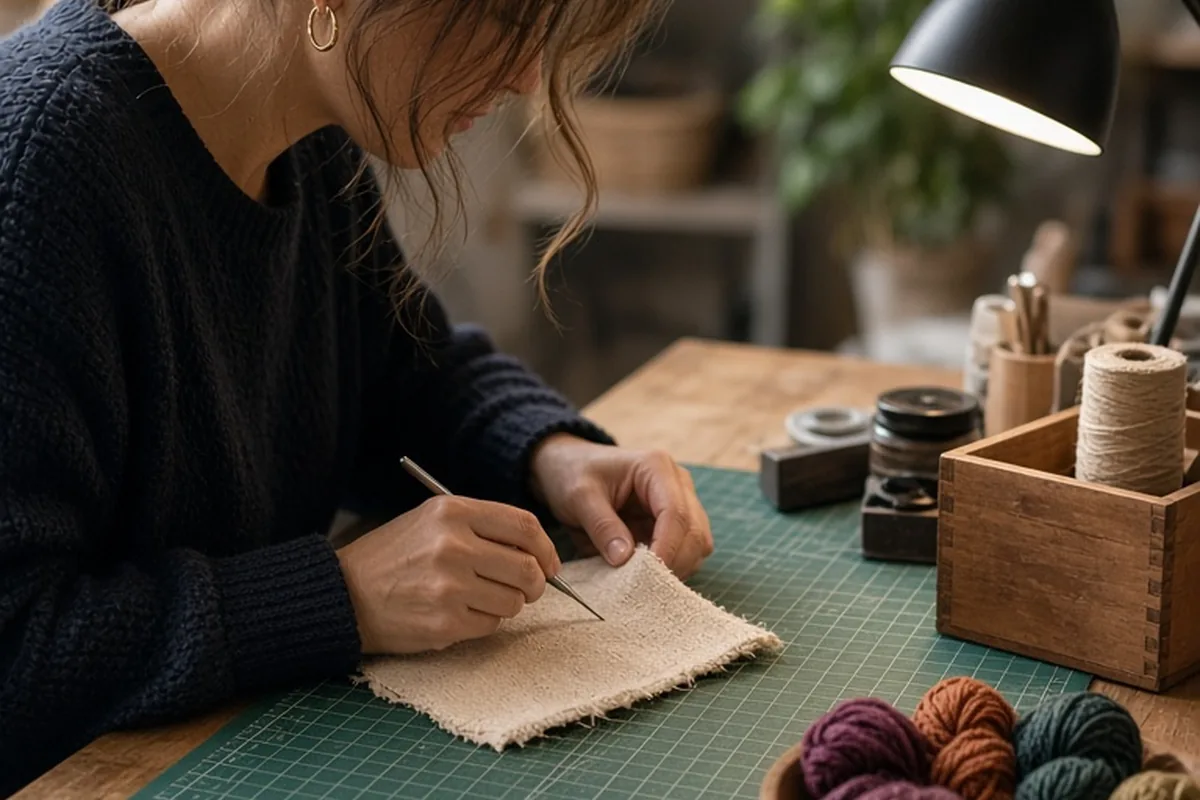
When buying for a crafter who seems to own every tool, focus on consumable luxury materials, ergonomic workspace upgrades, high-end storage solutions, or skill-expanding experiences. Items like precision task lighting, archival storage containers, premium hand-dyed fibers, specialty cutting mats, or gift certificates to independent supply shops provide meaningful value without duplicating everyday supplies they already own.
Crafters often accumulate tools, kits, and base materials over years of dedicated creating, which can make holiday or birthday shopping feel daunting. Shifting your focus away from beginner starter kits toward premium consumables, physical comfort, and specialized utility helps you choose a gift that genuinely enhances their making routine.
Ergonomic and Comfort Upgrades for Long Studio Sessions
Crafting requires hours of repetitive motion, bending over tables, and sustained pressure on hands and joints. Even seasoned makers frequently neglect their physical comfort while prioritizing tools and raw materials. An ergonomic task chair with adjustable lumbar support, an anti-fatigue floor mat for standing workstations, or supportive compression crafting gloves can dramatically reduce strain during long sessions. For stitchers and knitters, an adjustable desktop lap stand or floor frame holds projects at eye level, relieving neck and shoulder tension.
When selecting ergonomic accessories, pay attention to the specific physical posture required by their primary medium. A woodcarver or ceramicist benefits from heavy-duty anti-fatigue rubber mats that resist debris and water, whereas a quilter or embroiderer might prefer a rotating cutting table mechanism or angled wrist cushions. Keep in mind that body support preferences are highly personal. Opt for gear with adjustable heights, tensions, or return policies so the maker can tailor the item to their exact body mechanics and workspace dimensions.
High-Quality Task Lighting and Precision Optics
Proper illumination transforms the crafting experience, especially for makers engaged in detailed handwork like miniature painting, jewelry fabrication, lace-making, or fine needlepoint. Standard room lighting often casts shadows and distorts colors, leading to eye fatigue and mistakes. High-CRI (Color Rendering Index) daylight lamps replicate natural sunlight, allowing crafters to match thread tones, paint pigments, and bead finishes accurately at any hour of the day or night.
Consider versatile lighting formats, such as flexible-arm clamp lamps that mount securely to heavy workbenches, portable rechargeable neck lights for mobile crafters, or combined light-and-magnifier floor stands. A freestanding magnifier with a continuous dimming dial allows the user to inspect micro-details without holding a lens. The trade-off with optical equipment involves focal distance and workspace footprint; ensure any desktop clamp or stand fits the thickness of their table and leaves ample clearance for active hand movement.
Luxury Consumables and Small-Batch Specialty Materials
An experienced crafter may already own dozens of general supplies, but they often hesitate to indulge in top-tier, small-batch consumable materials for personal projects. Consumables eliminate the risk of clutter because they are designed to be used up. High-grade mulberry paper for bookbinders, hand-dyed mulberry silk or alpaca roving for fiber artists, pure kolinsky sable paintbrushes for watercolorists, or genuine brass and sterling findings for jewelry artisans offer a distinct sensory upgrade.
To select the right consumable, discreetly note the brands and materials they routinely reach for, then look for an artisan or heritage version. For instance, if they work with leather, a roll of vegetable-tanned leather from a historic tannery or a set of hand-forged pricking irons offers exceptional quality without duplicating generic starter tools. Be mindful that specialized materials sometimes require specific maintenance techniques or chemical compatibility with existing supplies, so choose items accompanied by clear care instructions.
Modular Organization and Archival Storage Systems
Studio organization is an ongoing puzzle for prolific crafters. As collections of notions, hardware, and fabrics expand, standard plastic bins often become disorganized and inaccessible. Upgraded storage solutions prioritize visibility, dust protection, and modular flexibility. Heavy-duty metal pegboard systems, acid-free archival storage boxes, stackable clear-front drawer units, and portable rolling utility carts keep essential tools visible and within arm reach while safeguarding delicate works in progress.
When choosing storage furniture or containers, focus on modularity rather than rigid compartment shapes. Deep bins often swallow small tools, while fixed dividers may not fit unusually long knitting needles, quilting rulers, or ceramic sculpting loops. Look for systems featuring customizable divider trays, label holders, and UV-filtering transparent lids that protect sensitive textiles and pigments from sun fading. Before purchasing, consider the dimensions of their workspace to ensure the storage unit does not obstruct doorways or seating areas.
Professional Maintenance and Equipment Care Tools
Accomplished makers invest heavily in their primary tools, yet specialized maintenance items are frequently overlooked. Regular maintenance extends the life of costly equipment and preserves precision performance. Professional-grade scissor sharpeners, Japanese water stones for woodworking chisels, ultrasonic cleaners for jewelry metals and airbrush nozzles, and conditioning waxes for wooden looms or leather tools demonstrate an appreciation for the craft underlying mechanics.
Pair maintenance tools with high-end protective accessories to preserve their current gear. A custom canvas or heavy-leather tool roll protects precision blades, carving gouges, or crochet hooks from moisture and blunt impacts during travel. However, tool sharpening and maintenance gadgets require correct usage to avoid damaging delicate cutting bevels; choose reputable manufacturers known for safety guides and precision calibration rather than unbranded generic sharpeners.
Skill-Expanding Masterclasses, Retreats, and Memberships
When a maker physical studio is already fully equipped, experiential gifts provide fresh inspiration without occupying shelf space. Subscriptions to specialized digital workshop platforms, masterclasses taught by renowned master artisans, or passes to local maker collectives and specialized guild memberships open doors to advanced techniques. An intensive weekend retreat or a regional workshop offers dedicated creative time away from domestic distractions.
If booking an in-person event, ensure the schedule aligns with their availability or purchase open-ended vouchers with generous expiration policies. Specialized online courses that offer lifetime access to instructional videos and community critique forums allow the recipient to learn at their own pace. Be cautious not to enroll an advanced crafter in introductory-level coursework; look for niche, master-level classes focusing on historic techniques, advanced material science, or business practices for professional artisans.
Gift Certificates for Independent Suppliers and Specialty Artisans
While standard retail gift cards can sometimes feel impersonal, a curated gift certificate to an independent, niche supply merchant feels deeply thoughtful. Seasoned makers often harbor long wish lists at specialized family-owned fabric mills, boutique pottery supply houses, local yarn dyers, or specialty timber merchants. By choosing a gift card specifically from a boutique purveyor they admire, you show that you recognize their craft while giving them complete creative freedom over technical specifications.
Present the gift certificate inside a thoughtful, reusable presentation item related to their craft, such as a hand-carved wooden gauge ruler, a brass needle case, or a block of artisanal tool wax. This pairing combines the excitement of an immediate physical gift with the anticipation of choosing their own supplies. Always check whether the retailer has minimum order amounts, regional shipping fees, or expiration terms to ensure a smooth shopping experience for the recipient.
Frequently asked questions
How do I find out what tools a crafter already owns without spoiling the surprise?
Take discreet photos of their workspace, tool racks, and current brand preferences when visiting, or ask to see their latest work in progress to observe what they use. You can also consult a close creative friend or check public wish lists they might maintain on specialized supplier websites.
Are subscription boxes a good gift for advanced crafters?
Most general craft subscription boxes cater to beginners and include basic tools an experienced maker already owns. If you choose a subscription, seek out advanced, niche options focused purely on rare materials, such as independent yarn clubs or quarterly heritage paper bundles.
What should I avoid buying for a crafter who has everything?
Avoid basic starter kits, budget variety packs of low-grade supplies, and novelty decorative items featuring generic craft puns. These items often go unused because experienced makers prefer specific, high-grade tools tailored to their personal workflow.
What if I am completely unfamiliar with the technical requirements of their craft?
Focus on universal studio comforts such as ergonomic seating, adjustable daylight lamps, or archival storage boxes that benefit any medium. Alternatively, an open-ended voucher to an independent specialty supplier ensures they acquire the exact technical specifications they need.
Your next step
Review the maker current workspace to identify opportunities for improved lighting, posture support, or luxury consumables, and select an upgrade that enriches their creative process.