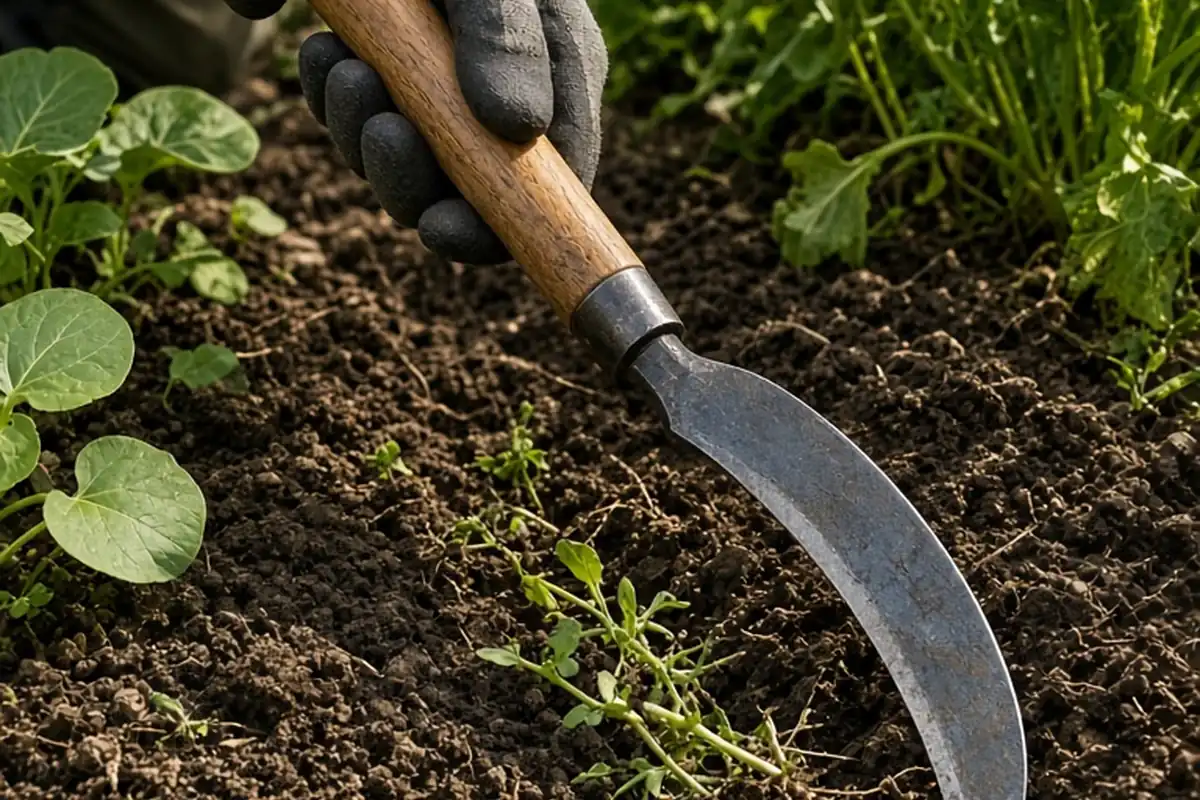
The best gifts for a gardener who has everything focus on consumable upgrades, specialized heirloom varieties, premium tool care, and soil biology enhancements rather than basic tools. Consider rare seed collections, bespoke local compost deliveries, heavy-duty Japanese weeding sickles, professional-grade sharpening stones, or ergonomic garden kneelers with sturdy handles. These items provide ongoing utility, elevate their daily craft, and avoid adding clutter to an already well-stocked garden shed.
Experienced gardeners rarely need another trowel, standard pair of pruning shears, or decorative garden stake. When someone has cultivated their plot for years, they have already dialed in their primary gear, making gift shopping seem daunting unless you look beneath the surface at what they genuinely consume, refine, or replace over time.
Premium Soil Amendments and Biological Inoculants
Master growers understand that true gardening happens below the surface. While beginners obsess over plants and decorative pots, experienced horticulturists focus relentlessly on soil structure, microbial life, and nutrient availability. Gifting high-grade soil amendments bypasses the risk of duplicating hand tools while providing tangible, high-value assistance to their ongoing garden beds.
Consider sourcing specialized inputs that gardeners often hesitate to splurge on for themselves. Pure organic worm castings from local vermicomposters, horticultural-grade biochar pre-charged with beneficial microbes, mycorrhizal fungal inoculants, or concentrated liquid kelp provide immense biological benefits to vegetable patches and perennial borders. A voucher for a bulk delivery of screened organic compost from a reputable regional supplier can save an avid grower significant physical labor and expense during spring prep.
The primary limitation when purchasing soil products is matching the input to the recipient's growing philosophy. Dedicated organic gardeners generally avoid synthetic fertilizers or treated peat moss blends, so ensure any amendment carries organic certification such as OMRI listing to align with their specific cultivation ethics.
Artisanal, High-Carbon Japanese Hand Tools
While an experienced gardener likely owns multiple hand tools, many rely on standard stamped stainless steel models that lack the balance and edge retention of forged high-carbon tools. Upgrading their everyday implements to hand-forged Japanese garden cutlery offers a vastly superior tactile experience that makes daily maintenance tasks more efficient.
A forged Hori-Hori weeding knife featuring a heat-treated high-carbon blade and a durable hardwood handle functions as an indispensable multi-tool for dividing perennials, cutting roots, planting bulbs, and digging deep taproots. Similarly, a Japanese Nejiri Gama (sickle hoe) offers surgical precision when slicing weeds off at the soil surface without disturbing delicate shallow roots. Brands like Okatsune or Niwaki produce pruning shears made with Izumo Yasugi steel that hold a razor edge far longer than standard consumer pruners.
Keep in mind that high-carbon steel tools require regular cleaning, drying, and occasional oiling to prevent rust. If your recipient prefers low-maintenance equipment that can be left outdoors in wet conditions, forged stainless steel tools may be a more forgiving alternative.
Rare Germplasm, Seed Preserves, and Fungal Culture Kits
Gardeners with established plots are frequently on the lookout for uncommon cultivars, exceptional culinary varieties, and unique botanical specimens that cannot be found at local big-box nurseries. Sourcing rare or regionally adapted germplasm delivers novelty and excitement to someone who has already grown all the common garden staples.
Look into memberships or curated collections from non-profit seed conservancies and heirloom seed banks that preserve genetic diversity. Selections like historical pole beans, drought-tolerant indigenous corn varieties, or intensely flavored open-pollinated paste tomatoes allow the grower to participate in vital seed-saving traditions. For shade gardeners or forest stewards, outdoor mushroom log kits inoculated with edible strains like shiitake, oyster, or lion's mane introduce a completely new biological kingdom to their harvesting routine.
When gifting seeds or live plant stock, always verify hardiness zones and seasonal viability. Sending perennial seeds or fungal plugs that require cold stratification or specific regional climates requires checking whether the recipient has the appropriate setup to nurture them to maturity.
Professional-Grade Propagation and Season Extension Gear
Advanced propagation demands precise temperature control and environmental stabilization. Many home gardeners manage with makeshift plastic domes and drafty windowsills, making dedicated commercial propagation equipment a transformative gift that noticeably improves germination rates and seedling vigor.
Consider heavy-duty commercial heat mats equipped with external digital probe thermostats that allow the gardener to dial in soil temperatures down to the exact degree. High-output, full-spectrum LED grow light strips designed for seedling racks deliver the photon density needed to prevent leggy growth without generating excess heat. Other practical options include heavy-gauge copper plant markers that withstand years of outdoor weathering, or portable heavy-duty cold-frame kits that protect winter greens from severe freezes.
A trade-off with propagation gear involves physical footprint and indoor utility space. Ensure the recipient has an accessible shelf, utility room, or greenhouse bench to accommodate the equipment before choosing large multi-tier racks or oversized seedling heat mats.
Edge Maintenance Kits and Heritage Leather Goods
Gardeners rarely discard high-quality tools; instead, they maintain, sharpen, and restore them over decades. A dedicated maintenance kit provides all the necessary supplies to keep their existing edge tools operating at peak performance, transforming tool care from a chore into a rewarding ritual.
A complete tool-care package might include dual-grit water stones (such as 1000/3000 grit) for beveling shears and knives, diamond sharpening files for curved pruners, camellia seed oil to prevent oxidation on carbon blades, and traditional rust erasers to clean sap and scale. You can also pair these consumables with heavy full-grain leather tool holsters, hand-stitched leather work gloves, or waxed-canvas tool rolls that age gracefully and protect hand tools during transport.
Be mindful that leather work gloves require accurate sizing to provide sufficient dexterity for seed handling and delicate weeding. If you are unsure of their exact hand measurements, an unlined gauntlet style or an adjustable tool roll is a safer physical fit.
Harvest Processing, Preserving, and Foraging Equipment
When a garden produces abundantly, gathering and processing the yield becomes the primary daily challenge. Specialized harvest gear streamlines the transition of produce from the garden bed to the kitchen counter, reducing post-harvest bruising and prep time.
A traditional wire-mesh harvesting hod allows gardeners to rinse root crops, greens, and squash outdoors with a hose before bringing them inside, keeping soil out of the kitchen sink. Multi-tier hanging mesh drying racks provide efficient, space-saving air circulation for drying culinary herbs, alliums, and edible flowers. For gardeners who ferment their produce, heavy ceramic fermentation crocks with lead-free glazes and weighted stones turn excess cabbage, cucumbers, and peppers into artisanal preserved foods.
Harvest containers and food processing tools require adequate storage when not in active use during peak season. Choose collapsible or multi-functional items if your recipient operates in a compact kitchen or possesses limited pantry space.
Botanical Memberships and Specialized Masterclasses
Experiential gifts avoid physical clutter entirely while directly feeding a gardener's intellectual passion. Even the most seasoned green thumb benefits from exposure to diverse garden design philosophies, specialized propagation methods, and regional botanical collections.
An annual membership to an accredited local or regional botanical garden frequently includes reciprocal admission privileges to hundreds of botanical institutions nationwide through reciprocal admissions programs. Alternatively, consider funding enrollment in specialized masterclasses covering topics such as fruit tree grafting, dry-stack stone walling for raised beds, native pollinator habitat design, or high-density espalier techniques led by recognized horticulturists.
When selecting educational experiences, ensure the scheduling is flexible or available on-demand. Busy gardeners often work around weather patterns and seasonal peaks, making self-paced online courses or season-long membership passes more practical than rigid single-day workshops.
Illustrative Scenarios
Choosing Between Gear and Inputs for an Established Grower
A gift giver wanted to surprise an experienced vegetable gardener who already possessed a fully outfitted tool shed. Instead of risking the purchase of a duplicate tool, the giver arranged a voucher for a bulk delivery of screened organic compost from a local farm and paired it with a pocket-sized diamond whetstone. The gardener used the compost to recharge their raised beds for the upcoming season and integrated the compact stone into their daily tool bag for field touch-ups.
Key point: Focusing on consumables and edge maintenance ensures that gifts for seasoned growers provide genuine utility without cluttering their existing equipment lineup.
Frequently asked questions
What should you avoid buying for an experienced gardener?
Avoid entry-level multi-piece tool sets, generic decorative plant stakes, and mass-market potted supermarket plants. Seasoned growers usually have preferred hand tools and specific aesthetic standards for their outdoor spaces, making generic items redundant.
How do I choose the right heirloom seeds as a gift?
Check the recipient's geographic hardiness zone and growing season length to ensure the varieties can mature successfully. Prioritize open-pollinated varieties with unique culinary attributes, high disease resistance, or historical significance from reputable non-profit seed conservancies.
Are ergonomic tools appropriate for gardeners without mobility issues?
Yes, ergonomic equipment benefits gardeners of all physical abilities by reducing repetitive strain and joint fatigue during long working sessions. Deep-cushioned kneeling pads, wide-grip weeders, and balanced bypass pruners allow growers to work longer with less physical wear.
Your next step
Assess your recipient's primary gardening focus—whether it is soil biology, seed propagation, or harvest preservation—and choose a consumable upgrade, artisanal maintenance item, or experiential membership that enriches their daily routine without duplicating existing shed equipment.